
Planting
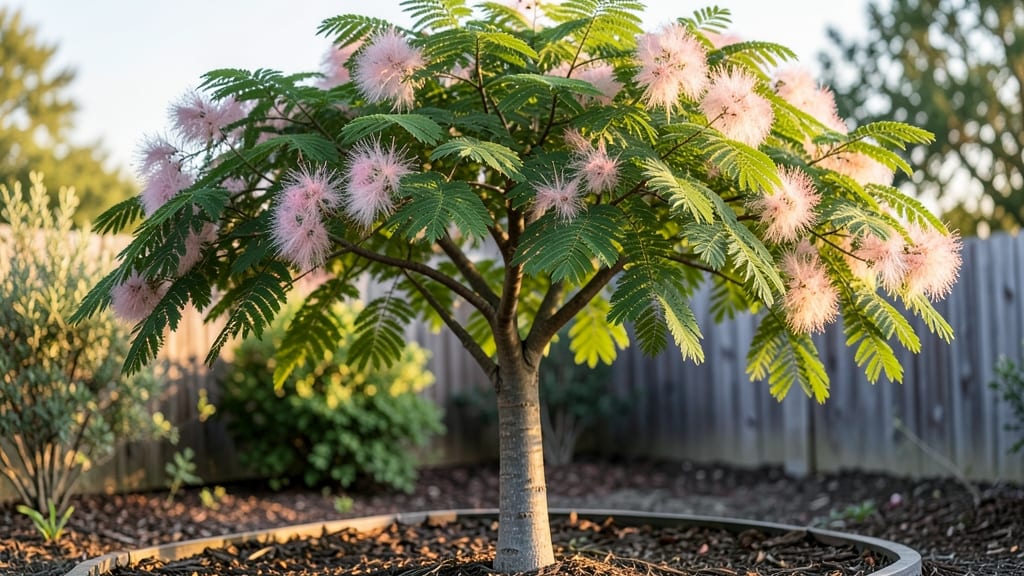
This Persian silk tree plant, with its pink floral puffs and airy foliage, brings summer magic—but its roots still need winter protection to thrive. I’ve learned the hard way that skipping this step means weak blooms—or worse, a tree that refuses to recover after cold snaps.
The secret lies in understanding how far south its roots can stretch and when to give them that extra layer of insulation.
Start by planting in well-draining soil with a pH between 6.0 and 7.5, and choose a spot where it gets full sun for at least 6 hours daily. These trees love heat but hate soggy feet, so raised beds or slopes work best in wet climates.
Once established, they’re drought-tolerant, but young trees need deep watering once a week during dry spells.
By late fall, when temperatures dip below 30°F, mulch heavily around the base with 3-4 inches of organic matter (straw or wood chips). This mimics their native Mediterranean climate where roots avoid freezing.
With proper care, you’ll see those signature pink blooms by early summer, smelling like cotton candy and attracting bees by the dozen.
Fair warning: they spread aggressively in some regions, so prune suckers regularly and consider containment if your area has invasive concerns. But for gardeners who love drama, the Persian silk tree delivers fragrant blooms, shade, and year-round interest—if you give its roots the winter care they deserve.
📚 In This Guide
- What you need
- Instructions
- Tips and common mistakes
- Wrapping up and next steps
What you need
- ● Persian Silk Tree Seedlings or Nursery Plants: 1–3 healthy, container-grown plants (3–6 feet tall, depending on desired maturity speed).
- ● Pro tip: Look for disease-resistant varieties (e.g., 'Summer Chocolate' or 'Pink Cascade') for fewer hassles!
- ● Well-Draining Soil Mix: 50% native topsoil + 30% compost + 20% perlite or coarse sand (for aeration).
- ● pH Range: 6.0–7.5 (slightly acidic to neutral).
- ● Planting Hole Supplies: 1 shovel (for digging).
- ● 1 garden trowel (for root adjustments).
- ● 1 hose or watering can (with a gentle spray nozzle).
- ● Mulch: 2–3 inches of organic mulch (e.g., shredded bark or pine straw) to retain moisture.
- ○ Fertilizer (Optional but Recommended): Balanced, slow-release granular fertilizer (e.g., 10-10-10) or a phosphorus-rich option (e.g., 5-10-10) for root development.
- ● Application: Sprinkle ½ cup around the base (not touching the trunk) at planting time.
- ● USDA Hardiness Zones: 6–9 (cold-hardy to 0°F (-18°C) once established, but young trees need winter protection).
- ● Sunlight: Full sun (6+ hours daily) for optimal blooms and growth.
- ● Space: Mature width: 20–30 feet; height: 25–35 feet.
- ● Pro tip: Plant at least 15 feet from structures to avoid root competition!
- ● Water Access: Drip irrigation or a soaker hose (for deep watering, especially in dry spells).
- ● Pruning shears (for shaping after flowering).
- ● Tree stakes + soft ties (if planting in windy areas).
- ● Soil moisture meter (to track watering needs).
- ● Neem oil or horticultural oil (for pest prevention).
- ● Decorative stakes or plant markers (to label your new tree!).
How to revive and care for a Persian silk tree after cold damage
Here’s how to nurse your Persian silk tree back to health after winter stress.
Assess the Damage and Prune Carefully
Start by examining the tree for dead or damaged branches. Cold stress often causes browning at branch tips or brittle stems. Use clean, sharp pruning shears to remove any blackened, mushy, or hollow branches—these won’t recover. Cut back to healthy green tissue, making angled cuts just above a leaf node or bud to encourage new growth.
Don’t over-prune. Even if half the tree looks dead, leave the structure intact. The tree’s resilience lies in its ability to regrow from dormant buds. If you’re unsure, wait a week—sometimes branches that look dead will green up as the tree warms.
Protect Roots and Improve Soil Conditions
Cold damage often extends to the roots, which are vulnerable to frost heave or compaction. Gently loosen the top 6 inches of soil around the base with a hand fork, being careful not to tear roots. Mix in 2 inches of compost or well-aged manure to restore nutrients and improve drainage—Persian silk trees hate soggy roots.
If your tree is in a container, check for root rot by gently pulling back the top layer of soil. Healthy roots are firm and white; mushy or black roots need immediate attention. Repot into a slightly larger container with fresh, well-draining soil if necessary. Mulch the root zone with 2–3 inches of organic mulch to insulate roots and retain moisture.
Adjust Watering and Fertilize Strategically
After cold stress, the tree’s water needs change. Water deeply but infrequently—once a week is usually enough—allowing the top 2 inches of soil to dry out between waterings. Overwatering now can drown recovering roots. Use a moisture meter to check; if the soil feels damp below 2 inches, hold off.
Fertilize lightly with a balanced, slow-release fertilizer (10-10-10) at half strength. Cold-stressed trees are sensitive to excess salts, which can further damage roots. Apply fertilizer in early spring, just as new growth begins, and avoid feeding if the tree is still leafless or showing signs of stress.
Provide Gradual Sun and Wind Protection
Persian silk trees thrive in full sun, but after cold damage, they need time to acclimate. Place the tree in a location with morning sun and afternoon shade for the first 2–3 weeks. This gradual exposure prevents leaf scorch while allowing the tree to rebuild energy reserves.
Wind can stress new growth, so shield the tree from strong breezes until you see fresh leaves emerging. If outdoors, use a temporary windbreak like burlap or a mesh screen. Once the tree shows signs of recovery—new shoots or buds—you can transition it to full sun over the course of a week.
Monitor for Recovery and Prevent Future Stress
Watch for new growth as your key indicator of recovery. Healthy Persian silk trees produce fragrant, pinkish-white blooms in summer, but don’t expect flowers until the tree has fully recovered—this can take up to a year. If no new growth appears after 6–8 weeks, consider root issues and adjust care accordingly.
To prevent future cold damage, plant the tree in a sheltered spot or use winter protection like burlap wraps or frost cloth for the first few years. In containers, move the tree indoors or to a garage during extreme cold snaps. Mulching heavily in fall and watering deeply before winter also builds root resilience for next season.
Tips & tricks for reviving a cold-stressed Persian silk tree
Real talk: Persian silk trees are tough, but cold damage can be tricky. Here’s how to give yours the best shot at recovery without making common mistakes.
Pruning Strategy: When assessing damage in Step 1, look for branches that snap easily when bent—they’re likely dead. A close-up inspection reveals the telltale difference between browned but viable tissue and truly dead wood. If you’re hesitant to cut, wait that full week as instructed; sometimes branches just need time to thaw out. The key is patience—don’t rush to remove what might still recover.
Root Inspection Technique: In Step 2, when checking container roots, focus on the texture rather than color alone. Healthy roots should spring back slightly when touched, not feel mushy or crumble. If you find rot, don’t panic—simply trim away the affected sections with sterilized shears and repot immediately. The 6-inch soil loosening is critical; compacted soil prevents oxygen flow to recovering roots.
Watering Wisdom: The once-a-week watering guideline in Step 3 is your baseline, but adjust based on your climate. In dry conditions, you might need to water every 5-6 days, while humid areas could stretch it to 10 days. Always check that top 2 inches—if it’s bone dry, water; if damp, wait. Overwatering at this stage is the fastest way to undo all your hard work.
Sun Transition Hack: For Step 4’s gradual sun exposure, think of it like sunbathing after winter—too much too soon causes burns. If your tree is in a shady spot, rotate the pot weekly to ensure even light exposure. Watch for new leaves developing along the branches; that’s your cue to slowly increase sun time. A sudden move to full sun can undo weeks of recovery.
Pro Tips for Persian Silk Tree Plant
- Real talk: Persian silk trees are tough, but cold damage can be tricky.
- Pruning Strategy: When assessing damage in Step 1, look for branches that snap easily when bent—they’re likely dead.
- Root Inspection Technique: In Step 2, when checking container roots, focus on the texture rather than color alone.
Frequently asked questions
Got questions about nurturing your Persian Silk Tree (Albizia julibrissin)? You’re not alone! Here are answers to the most common queries—from cold hardiness to care tips—so you can keep your fragrant blooms thriving.
How cold can a Persian Silk Tree handle?
The Persian Silk Tree is moderately cold-hardy, typically surviving down to 10–15°F (-12 to -9°C). However, young trees or newly planted ones are more vulnerable—consider wrapping the base in burlap or mulching heavily in winter. Established trees often bounce back after light frost, but prolonged sub-zero temps can damage branches. Pro tip: Prune dead wood in early spring to encourage fresh growth!
When is the best time to plant a Persian Silk Tree?
Plant your tree in early spring or fall (4–6 weeks before the first frost) for the best root establishment. Avoid summer heatwaves, which stress young roots, and winter planting unless your climate is mild. Dig a hole twice as wide as the root ball but no deeper—this prevents waterlogging. Water deeply after planting and mulch to retain moisture. Bonus: A well-drained site with afternoon shade (especially in hot zones) sets your tree up for success!
Why are the leaves yellowing or dropping?
Yellowing leaves often signal overwatering, underwatering, or nutrient deficiencies. Check the soil moisture—it should be evenly damp but not soggy. If the ground feels dry 2–3 inches down, water deeply. For yellowing between veins, your tree might need iron or magnesium (use a chelated fertilizer). Dropping leaves in summer could mean heat stress—provide afternoon shade temporarily. Troubleshoot: Test soil pH (ideal: 6.0–7.5) and adjust if needed!
Are there drought-tolerant alternatives to Persian Silk Tree?
If you love the fragrant blooms but need a lower-maintenance option, try:
- Mimosa (Mimosa pudica) – Fast-growing with fuzzy pink flowers (but invasive in some areas).
- Royal Poinciana (Delonix regia) – Drought-resistant with vibrant orange blooms (needs full sun).
- Black Locust (Robinia pseudoacacia) – Hardy and fragrant, but thorns can be a drawback.
- Catalpa (Catalpa bignonioides) – Tolerates poor soil and produces showy summer flowers.
How do I protect my Persian Silk Tree from winter damage?
Start with a 3-inch layer of mulch around the base (keep it 6 inches from the trunk). For young trees, wrap the trunk in burlap or tree wrap to prevent sunscald. In extreme cold (<10°F), drape a lightweight frost cloth over the canopy if your tree is small. Avoid heavy snow buildup—gently brush it off branches. Post-winter: Prune any frost-bitten branches in late winter or early spring.
Wrapping up and next steps
The Persian Silk Tree is a stunning, low-maintenance plant that rewards you with fragrant blooms and lush foliage—perfect for adding drama to your garden or patio! 🌸 Whether you're a seasoned gardener or just starting, its cold-hardy roots and resilience make it a fantastic choice.
With the right care, this tree will thrive and bring years of beauty to your outdoor space.
Ready to grow your own? Start by choosing a sunny spot and gathering your supplies—then dig in and enjoy the process! Your future Persian Silk Tree will thank you with vibrant blossoms and a touch of Mediterranean charm.