
Pruning
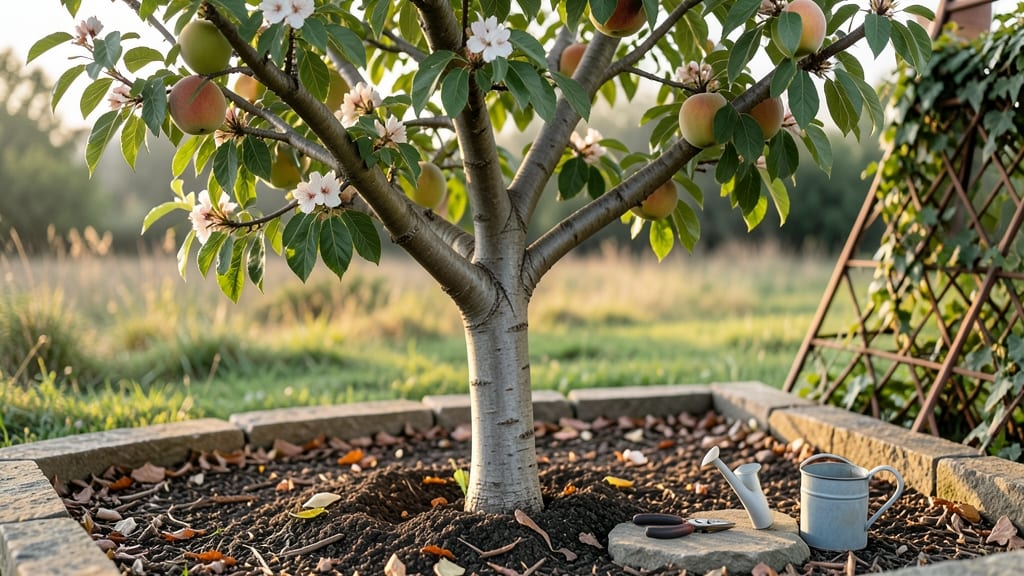
Peach tree growth isn’t just about waiting for fruit—it’s a year-round dance of pruning, patience, and just the right amount of sunlight. 🌿 My first peach tree nearly died because I ignored winter pruning, and that’s when I learned the real secret: healthy branches in January mean sweeter fruit in July.
The key isn’t complicated—it’s about timing, sharp cuts, and knowing which branches to keep (and which to say goodbye to).
You’ll need basic tools—a pruning saw, loppers, and clean shears—and a clear day to work. The real magic happens in late winter when the tree is dormant, but summer pruning keeps it from getting too crowded.
Most beginners overlook the small branches, but those are the ones that produce the best fruit. Think of it like sculpting: you’re shaping the tree’s future harvest, not just hacking away at wood.
By summer’s end, you’ll see thick, sturdy branches heavy with blossoms—and eventually, plump peaches. The tree will reward you with vibrant green leaves, fragrant white blooms, and fruit that tastes like sunshine.
Every cut you make now translates to pounds of peaches later. The best part? This method works whether you’re in a warm climate or a cooler zone.
Fair warning: peach trees demand attention, but the payoff is worth it. Once you master the rhythm of pruning—winter for structure, summer for shape—you’ll have a tree that produces reliably for decades. Here’s how to get started without the guesswork.
📚 In This Guide
- What you need
- Instructions
- Tips and common mistakes
- Wrapping up and next steps
What you need
- ● Peach Tree Sapling: Choose a disease-resistant variety suited to your climate (e.g., Elberta, Redhaven, or J.H. Hale). Purchase from a reputable nursery.
- ● Pruning Tools: Sharp bypass pruners (for cuts up to ½ inch in diameter).
- ● Loppers (for thicker branches, 1-2 inches in diameter).
- ● Pruning saw (for branches larger than 2 inches).
- ● Disinfectant: 70% isopropyl alcohol or a 10% bleach solution (1 part bleach to 9 parts water) to sterilize tools between cuts.
- ● Garden Gloves: Heavy-duty, cut-resistant gloves to protect your hands.
- ● Tree Wrap or Protective Coating: Tanglefoot or Tree Tanglefoot to deter pests and protect young bark.
- ● Mulch: Organic mulch (straw, wood chips, or pine needles) to retain moisture and regulate soil temperature.
- ● Fertilizer: Balanced 10-10-10 or 6-6-6 fertilizer for young trees; switch to low-nitrogen, high-potassium (e.g., 5-10-10) as the tree matures.
- ● Watering Can or Hose: With a gentle spray nozzle for deep watering.
- ● Pole Pruner: For high branches in mature trees.
- ● Plant Growth Regulator: Such as Paclobutrazol to control excessive growth.
- ● Soil pH Test Kit: To ensure your soil is slightly acidic (pH 6.0-6.5).
- ● Bird Netting: To protect fruit from birds and pests during harvest season.
- ● Drip Irrigation System: For consistent moisture, especially in hot climates.
How to prune a peach tree for strong growth and fruit
Here’s the straightforward method I’ve used to keep my peach trees thriving for over a decade.
✂️ Step 1: Prune Dormant Branches in Late Winter
Timing is everything—wait until after the last frost but before buds swell in late winter or early spring. Grab your pruning shears and start by removing any dead, diseased, or crossing branches first. These compete with healthy growth and block sunlight from reaching the center of the tree.
Look for branches that grow inward or rub against each other. Cut them back to the main trunk or a strong outward-facing branch. Make your cuts at a 45-degree angle, about ¼ inch above an outward-facing bud. This encourages new growth to shoot outward, away from the center where airflow is poor.
If a branch is larger than ½ inch thick, switch to your pruning saw for a cleaner cut. Avoid leaving stubs—always cut just outside the branch collar to prevent infection. You’ll know you’re doing it right when the tree’s center opens up to sunlight and air.
🌿 Step 2: Thin Out Overcrowded Branches in Early Spring
Once buds begin to swell in early spring, focus on thinning out too-close branches to improve airflow and fruit production. Peach trees produce best when branches aren’t competing for nutrients. Aim to space branches 8-12 inches apart along the main scaffold.
Remove any weak, thin branches—these rarely produce fruit and drain energy from stronger limbs. If a branch is growing straight up (called a "water sprout"), cut it back to a side branch or bud. These vertical shoots grow fast but rarely bear fruit and can make the tree top-heavy.
Here’s the thing—don’t overdo it. Remove no more than 20-25% of the tree’s branches in one season. You’ll see a noticeable difference in fruit size and tree health by summer.
☀️ Step 3: Lightly Prune After Harvest in Late Summer
After the peaches are picked in late summer, give your tree a light maintenance prune to shape it for next year. Focus on deadheading spent blossoms and removing any broken or damaged branches. This keeps the tree’s energy focused on root and branch growth rather than repairing damage.
Look for suckers—those small, fast-growing shoots at the base of the tree. These steal energy from fruit production, so cut them off at the base. If a branch is growing too long or looks leggy, trim it back by ⅓ to encourage bushier growth.
This is also the time to thin out any overly dense foliage in the center. You want sunlight to reach the inner branches—this prevents fungal diseases and ensures even fruit ripening. A well-pruned tree in late summer will reward you with stronger branches by next spring.
⏰ Step 4: Final Check Before Dormancy in Fall
As temperatures drop in fall, do one last check for diseased or pest-infested branches. Remove any leaves or fruit still clinging to the tree—these can harbor pests and diseases over winter. Burn or dispose of them away from your garden.
If you notice mildew or spots on branches, prune those areas out immediately. Sterilize your tools with rubbing alcohol between cuts to prevent spreading any pathogens. This final prune keeps your tree healthy and ready to burst into growth next spring.
Don’t worry if your tree looks a little bare after pruning—it’s normal! The key is consistency. Over time, you’ll see a stronger structure with more fruit and fewer problems. Here’s to a peach tree that keeps giving year after year.
Tips & tricks for perfect peach tree growth
Here's what nobody tells you about keeping your peach tree thriving year after year.
Timing is Everything: The late winter pruning window is narrow—aim for the days between the last frost and when buds begin to swell. I've missed this window twice and ended up with stunted growth. Use your local frost date as a guide, but don't wait until buds show any color. If you're unsure, check your local extension service for exact dates in your region.
Branch Angle Matters: When making cuts at a 45-degree angle, visualize the bud you're targeting. The cut should be just outside the branch collar but above the bud—this ensures new growth emerges in the right direction. I learned this the hard way after seeing new shoots grow straight into the center of the tree, creating more work next year.
Pruning Shears vs. Pruning Saw: Don't use your shears on branches thicker than ½ inch—they'll crush the wood instead of making a clean cut. Your pruning saw should be sharp enough to cut cleanly without tearing. I keep a small file in my tool bag to sharpen blades between seasons. A clean cut heals faster and prevents disease entry points.
Post-Pruning Care: After your main pruning sessions, apply a thin layer of mulch around the base of the tree (but not touching the trunk) to retain moisture. I've found that trees pruned in late winter benefit from a light application of balanced fertilizer in early spring, about 6-8 weeks after pruning. This gives the tree energy for new growth without overwhelming it.
Pro Tips for Peach Tree Growth
- Here's what nobody tells you about keeping your peach tree thriving year after year.
- Timing is Everything: The late winter pruning window is narrow—aim for the days between the last frost and when buds begin to swell.
- Branch Angle Matters: When making cuts at a 45-degree angle, visualize the bud you're targeting.
Frequently asked questions
Got questions about peach tree growth and pruning?
You’re not alone! Here are answers to the most common queries to help you nurture a thriving tree and maximize your harvest.
When is the best time to prune a peach tree?
Prune your peach tree during late winter or early spring (before buds swell) to remove dead or weak branches and shape the tree. Avoid heavy pruning in fall—it can stimulate new growth that’s vulnerable to frost damage. Light pruning after harvest (summer) helps improve airflow and fruit production.
Can I prune a peach tree in winter if it’s still cold?
Yes, but wait until temperatures are consistently above freezing (around 40°F/4°C) to minimize stress. Pruning in deep freeze can shock the tree and invite disease. If your area has harsh winters, prioritize pruning in late winter when the ground thaws slightly.
What should I avoid when pruning a peach tree?
Steer clear of these mistakes:
- Over-pruning: Never remove more than 25% of the canopy in one season—it weakens the tree.
- Leaving stubs: Always cut branches just outside the branch collar (the swollen area where the branch meets the trunk).
- Pruning during wet weather: Damp conditions spread bacterial diseases like bacterial leaf spot.
- Ignoring diseased branches: Remove and dispose of infected wood (don’t compost it!).
How do I know if my peach tree isn’t growing well?
Watch for these red flags:
- Stunted growth: Fewer than 12–18 inches (30–45 cm) of new shoots per year.
- Yellowing leaves: Could signal nutrient deficiency (test soil for nitrogen/phosphorus) or pests (like aphids).
- No fruit or sparse blooms: Overcrowded branches or lack of sunlight may be the culprit—prune to open the canopy.
- Cracked bark or oozing sap: Sign of bacterial canker—prune infected areas immediately and sterilize tools.
Can I grow a peach tree in a container? Dwarf varieties?
Yes! Dwarf peach trees (like ‘Bonanza’ or ‘Redhaven’) thrive in containers with at least 15–20 gallons of space. Use well-draining soil, a large pot with drainage holes, and repot every 2–3 years. Place the container in full sun (6+ hours/day) and water deeply when the top inch of soil dries. Bonus: Container trees are easier to prune and move to protect from frost!
Wrapping up and next steps
Growing a thriving peach tree is all about timing, technique, and tender care—especially when it comes to year-round pruning! By mastering the art of strategic cuts, you’ll ensure strong branches, better airflow, and those juicy, sweet peaches you dream of.
Remember, consistency is key: prune in late winter, summer, and after harvest to keep your tree healthy and productive.
Ready to transform your backyard into a peach paradise? Roll up your sleeves and start with a single branch—your future harvest will thank you! 🌱 For extra confidence, grab a pruning guide or consult a local expert before diving in. Happy pruning!