
Pruning
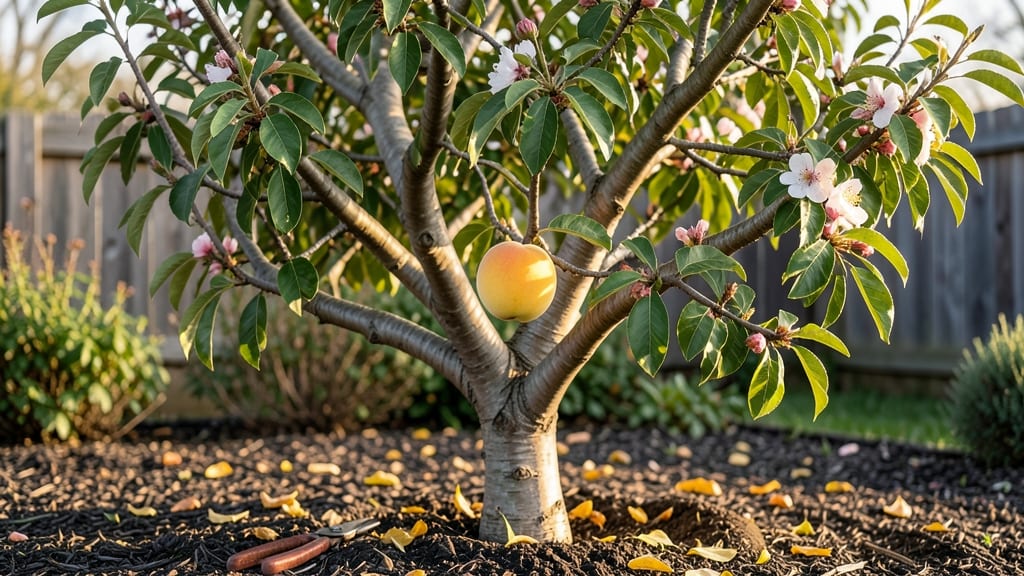
Understanding your peach tree's cycle means never missing another harvest. ✨ The peach tree cycle isn’t just about pruning—it’s about working with nature’s rhythm, from late-winter dormancy to summer’s sweet bounty.
My first peach tree nearly died because I pruned at the wrong time, but once I learned the seasonal cues, I doubled my fruit yield in just two years.
Each season demands a different approach: late winter is for aggressive pruning before buds swell, spring focuses on thinning blossoms for bigger fruit, and fall preps the tree for winter’s chill.
The key is timing—prune too early, and you risk frost damage; wait too long, and you stunt next year’s growth. I’ve mapped out the exact window for each task, tailored to USDA zones 5 through 9.
You’ll end up with a tree that produces juicy, disease-resistant fruit year after year, not just a few sporadic harvests. The branches will open up to sunlight, pests will have fewer hiding spots, and your peaches will ripen evenly.
Plus, the tree itself becomes a showstopper—velvety pink blossoms in spring, glossy green leaves all summer, and fiery orange fruit that stops neighbors in their tracks.
Whether you’re in a mild coastal zone or a harsh northern winter, the principles stay the same—just adjust the calendar. Let’s break down the seasonal checklist so you can keep your tree thriving, no matter where you live.
📚 In This Guide
- What you need
- Instructions
- Tips and common mistakes
- Wrapping up and next steps
What you need
- ● Pruning shears: Bypass pruners (for cuts under ¾ inch) – sharp, clean, and sterilized (e.g., Felco or Fiskars).
- ● Loppers: 1 pair (for cuts ¾–2 inches thick). Look for bypass blades and a comfortable grip.
- ● Pruning saw: 1 handheld saw (for branches 2+ inches thick). A bow saw or pruning saw with a fine-tooth blade works best.
- ● Gloves: Heavy-duty, cut-resistant gloves (e.g., Mechanix or gardening gloves with reinforced palms).
- ● Disinfectant: 70% isopropyl alcohol or a pruning sealant (like Tanglefoot) to prevent disease spread.
- ○ Twine or zip ties: For securing temporary supports if needed (optional but helpful for young trees).
- ● Pruning paint/sealant: (e.g., Tree Seal) – 1 small bottle to seal large cuts and prevent decay.
- ● Ladder or step stool: Sturdy and tall enough to reach your tree’s highest branches safely.
- ● Bucket or tarp: For collecting pruned branches and debris.
- ● Notebook & pen: To sketch your tree’s structure and track pruning notes.
- ● Pole pruner: Extendable pruners for high branches (saves ladder time!).
- ● Hand saw or reciprocating saw: For stubborn, thick branches.
- ● Tree wound dressing: (e.g., Ortho Fruit Tree Spray) – Controversial but some swear by it for large cuts.
- ● Garden hose: For rinsing tools between cuts (keeps them sanitized).
- ● Safety gear: Goggles (to shield from debris) and ear protection (if using power tools).
- ● Camera: Snap photos of your tree before/after pruning for progress tracking!
Step-by-step seasonal pruning blueprint for peach trees
Here's how to keep your peach tree thriving year-round with simple, effective pruning.
✂️ Step 1: Late Winter Pruning (Dormant Season)
This is the most critical time to prune—when the tree is fully dormant but before buds swell. Start by removing any dead, diseased, or crossing branches first. Use sharp pruning shears to make clean cuts just outside the branch collar (the swollen area where the branch meets the trunk).
Next, open up the center of the tree by removing branches that grow inward. Aim to create an open vase shape that allows sunlight and air to reach the center. Cut back any branches that are too long or rub against each other. Remember, peach trees fruit on last year's growth, so avoid heavy pruning that removes too many fruiting spurs.
Here's the thing—peach trees are sensitive to over-pruning. Never remove more than 25% of the tree's canopy in one season. If you're unsure, err on the side of caution and prune less. You can always remove more later, but you can't bring back what you cut off too aggressively.
☀️ Step 2: Summer Pruning (After Harvest)
After the fruit harvest, focus on shaping the tree and maintaining airflow. Remove any suckers (shoots growing from the base or trunk) and water sprouts (vigorous vertical shoots). These compete with fruiting branches for energy. Use hand pruners for smaller branches and loppers for thicker ones.
Look for branches that are growing too close together or rubbing against each other. These should be pruned back to avoid wounds that can invite disease. Thin out some of the fruit spurs if the tree looks overloaded—this ensures the remaining fruit grows larger and healthier. You'll know you're doing well when the tree's center stays open and sunlight reaches the inner branches.
Don't skip this step, even if the tree looks fine. Summer pruning keeps the tree productive and prevents future problems. I always prune on a dry day to reduce the risk of disease entering through fresh cuts.
⏰ Step 3: Fall Cleanup (Post-Harvest Maintenance)
In late fall, after leaves have dropped, do a final walkthrough of your peach tree. Remove any dead or diseased branches that may have been missed earlier. Rake up and dispose of fallen leaves and debris—they can harbor pests and diseases over winter.
This is also the time to check for any signs of pests like peach tree borers or aphids. If you spot any, treat the tree with an appropriate organic or chemical control method. A quick inspection now can save you a lot of trouble next spring. Pay special attention to the bark and any cracks where pests might hide.
Real talk: Fall is often overlooked, but it's the perfect time to assess the tree's overall health. If branches are weak or the tree looks stressed, it might need extra care in the coming year. Keep an eye out for any unusual growth patterns or discoloration that could signal deeper issues.
🌱 Step 4: Spring Preparation (Pre-Bloom)
In early spring, just before buds begin to swell, do a light pruning to remove any winter-damaged branches or those killed by frost. Avoid heavy pruning now—you don't want to stimulate new growth too early in the season, which can be damaged by late frosts. Focus on cleaning up the tree and ensuring good airflow.
This is also the time to fertilize if needed, but only after pruning. Apply a balanced fertilizer according to the package instructions, and water deeply to help the tree recover from winter dormancy. You'll know you're on the right track when the tree starts showing fresh, vibrant growth and buds begin to swell.
Here's where it gets fun—watch the tree come back to life. The first signs of new growth are a great indicator of how well your pruning efforts paid off. If you see strong, healthy shoots emerging, you're doing everything right.
Tips & tricks for perfect seasonal peach tree care
These simple strategies will help you maintain a healthy peach tree that produces abundant fruit year after year.
Tool Preparation: Always sterilize your pruning tools with rubbing alcohol or a bleach solution before you start. I learned this the hard way after introducing bacterial canker to my tree—now I clean tools between every cut. Sharp tools make cleaner cuts that heal faster, so take a few minutes to sharpen your pruners before beginning. This prevents jagged edges that can invite disease.
Visual Pruning Guide: In Step 1, when opening up the tree's center, imagine you're looking at a clock. Remove branches that grow inward toward the center like spokes pointing toward 12 o'clock. The goal is to create an open vase shape where sunlight can reach all parts of the canopy. Think of it as creating a window for light to enter—this prevents fungal diseases that thrive in dark, damp conditions.
Seasonal Timing Secret: The 25% canopy rule in Step 1 applies to late winter pruning, but summer pruning should be even lighter—never remove more than 10% of the canopy at that time. Summer cuts stimulate new growth that might not have time to harden off before winter. I always do summer pruning on dry days to minimize disease risk from fresh cuts, and I avoid pruning when rain is forecast for 24 hours.
Pro Tips for Peach Tree Cycle
- These simple strategies will help you maintain a healthy peach tree that produces abundant fruit year after year.
- Tool Preparation: Always sterilize your pruning tools with rubbing alcohol or a bleach solution before you start.
- Visual Pruning Guide: In Step 1, when opening up the tree's center, imagine you're looking at a clock.
Frequently asked questions
Got questions about the peach tree cycle and how to time your pruning for maximum fruit? You're not alone! Here are some of the most common queries—and their answers—to help you navigate the seasonal rhythm of your tree like a pro.
When is the best time to prune a peach tree for fruit production?
The ideal window is late winter or early spring (just before buds swell but before leaves emerge—typically February to March in most climates). This timing balances dormant-season pruning (for structure) with early-spring cuts (to encourage fruit buds). Avoid pruning in fall, as it risks silver leaf disease and delays winter hardening.
What if I missed the winter pruning window? Can I still prune in summer?
Yes, but with caution! Light summer pruning (June–July) can reduce disease risk and improve airflow, but avoid heavy cuts—this stresses the tree and may stunt fruit development. Focus on removing suckers, water sprouts, or diseased branches only. Never prune after July, as it disrupts the tree’s energy reserves for next year’s buds.
How do I know if my peach tree is producing too many fruit vs. too few?
A healthy balance is 6–12 inches between fruit on branches. Overloaded trees (fruits clustered tightly) risk small, poor-quality peaches and branch breakage. Thin fruit in late spring (when peaches are golf-ball sized) to leave 1 per 6–8 inches. Underproducing? Check for dormant buds (swollen nodes) or nutrient deficiencies (yellow leaves = more nitrogen!).
My peach tree’s leaves are curling or spotted—does pruning help?
Pruning alone won’t fix pests/diseases, but it’s a key part of prevention! Remove infected branches (sterilize tools with rubbing alcohol) and focus on airflow—thin crowded areas to reduce humidity. Pair pruning with copper fungicide (for leaf curl) or neem oil (for aphids). Pro tip: Prune before symptoms worsen (early spring) to limit spread.
Can I prune a young peach tree the same way as a mature one?
Not quite! Young trees (1–3 years) need open-center shaping to encourage a strong scaffold (remove competing central leaders). Mature trees (4+ years) focus on renewal pruning—cut back older wood (10+ years) to stimulate younger, fruiting branches. Always prioritize light, strategic cuts over aggressive pruning, even for saplings!
Wrapping up and next steps
Understanding the peach tree cycle and mastering seasonal pruning is your ticket to a bountiful harvest! 🌱 By following this blueprint—from dormant winter cuts to summer shaping—you’ll boost fruit quality, airflow, and tree health.
Remember, patience and consistency are key; your peach tree will reward you with juicy, sweet rewards for years to come.
Ready to take the next step? Grab your pruners and schedule your first pruning session this winter—your future peach feast starts now! For extra confidence, jot down notes on your tree’s growth each season to refine your technique over time.