
Trees
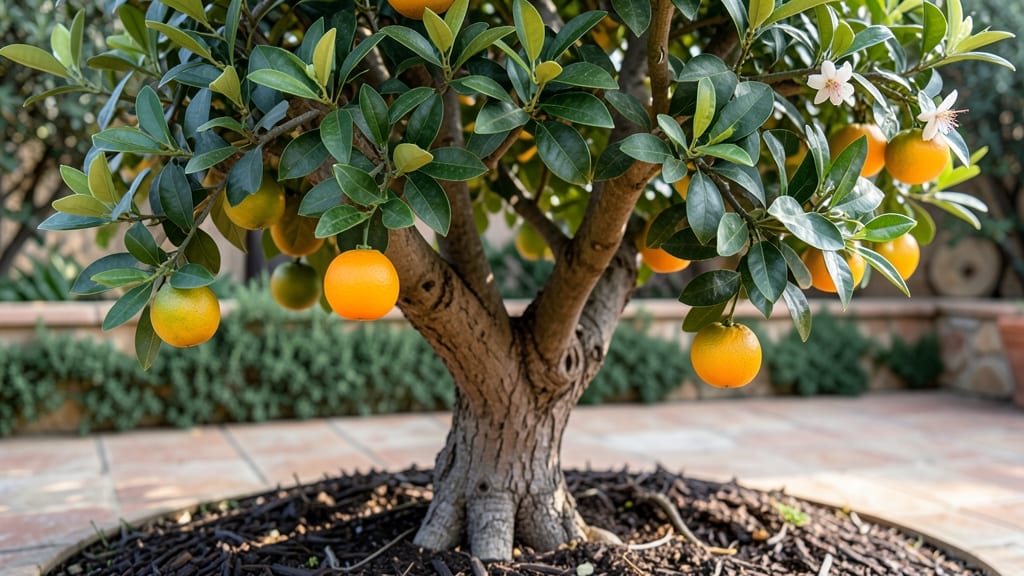
Cold-hardy citrus doesn't have to mean sacrificing flavor or fragrance—my Parson Brown orange tree thrives in zones 6-9, producing sweet, fragrant fruit even when other citrus trees would freeze.
The secret lies in its deep, cold-stressed roots that anchor it through winter's chill while still delivering that signature citrus aroma in summer.
This tree isn't fussy about soil as long as it drains well—think sandy loam mixed with compost—and it rewards patience with glossy leaves and clusters of small, dark orange fruit that stay on the tree longer than most varieties.
Plant it where it gets full sun (at least 6 hours daily) and shelter from harsh winter winds, and you'll have a tree that keeps giving year after year.
📚 In This Guide
- What you need
- Instructions
- Tips and common mistakes
- Wrapping up and next steps
What you need
- ● Parson Brown orange tree: 1 young grafted tree (3–5 years old, available from specialty nurseries like Citrus.com or local citrus growers). Pro tip: Look for trees labeled as "cold-hardy" or "trover" varieties!
- ● OR seeds from a Parson Brown orange (though grafted trees yield better fruit faster).
- ● Well-draining soil: 50% native soil + 50% organic mix (e.g., miracle-gro citrus potting mix or peat moss + perlite).
- ● Pot or planting site: Container option: 15–20 gallon pot with drainage holes (terracotta or fabric grow bags work best).
- ● Outdoor option: Full-sun location (6+ hours daily) with shelter from wind and frost protection (Zone 7b+).
- ● Fertilizer: Citrus-specific fertilizer (e.g., Espoma Citrus-Tone) or slow-release granules (10-10-10 NPK ratio). Pro tip: Avoid high-nitrogen fertilizers—they promote leafy growth over fruit!
- ● Mulch: 2–3 inches of straw, wood chips, or pine bark to retain moisture and insulate roots.
- ● Garden trowel or shovel (for planting/transplanting).
- ● Pruning shears (sterilized with rubbing alcohol).
- ● pH test kit (ideal soil pH: 6.0–7.0).
- ● Watering can or hose with gentle spray nozzle (avoid overhead watering to prevent fungal diseases).
- ● Cold protection: Frost cloth or row covers (for young trees in Zones 7–9).
- ● Bubble wrap or tree wraps (to shield trunks from winter damage).
- ● Know your hardiness zone: Parson Brown tolerates brief dips to 15°F (-9°C), but Zone 7b+ is ideal. Use the USDA Plant Hardiness Zone Map to check yours!
- ● Patience: Grafted trees take 3–5 years to bear fruit, while seed-grown trees may take 10+ years.
- ● Pollination plan: Plant a second citrus tree (e.g., Washington Navel) nearby for cross-pollination and better fruit set.
- ● Drip irrigation system (to maintain consistent moisture).
- ● Citrus-specific pest control: Neem oil or horticultural oil for aphids/mites.
- ● Grow lights (if indoor growing; 12–14 hours/day of light).
- ● Tree stake (for young trees in windy areas).
How to care for a Parson Brown orange tree in cooler climates
Cold-hardy citrus thrives with the right root care—here’s how to keep yours healthy and productive.
Prepare the Planting Site for Cold Tolerance
Parson Brown orange trees handle cooler temperatures better than most citrus, but their roots still need protection. Start by selecting a sheltered location—close to a south-facing wall or under partial shade during peak winter sun. The soil must drain freely; citrus roots rot quickly in soggy conditions. If your yard has heavy clay, amend it with 2-3 inches of coarse sand or perlite mixed into the top 12 inches of soil.
Dig a hole twice as wide as the root ball but only as deep as the container’s base. This prevents burying the graft union, which can lead to disease. Gently loosen the roots if they’re circling in the pot—this encourages outward growth. Place the tree in the hole, backfill with native soil, and water deeply to settle everything.
Mulch and Protect Roots from Temperature Fluctuations
Mulch is non-negotiable for cold-stressed citrus. Spread 3-4 inches of organic mulch (like wood chips or straw) around the base, keeping it 6 inches away from the trunk to prevent rot. This layer insulates roots in winter and retains moisture in summer. Replenish mulch annually—it breaks down over time and loses effectiveness.
For areas with hard freezes (below 20°F), wrap the trunk and canopy with burlap or frost cloth after leaves drop. Secure it loosely so air can circulate. Avoid plastic—it traps moisture and can damage bark. In spring, remove protective wraps as buds swell to prevent overheating.
Water Strategically to Prevent Root Shock
Parson Brown oranges are drought-tolerant once established, but young trees need consistent moisture. Water deeply once a week during dry spells, aiming for 1-1.5 gallons per foot of tree height. Let the top 2-3 inches of soil dry out between waterings—soggy roots invite fungal issues. In winter, reduce watering to every 3-4 weeks unless temperatures drop below 25°F, then water lightly to prevent desiccation.
Use a soaker hose or drip irrigation to deliver water at the root zone. Avoid overhead watering, which can spread disease. If your tree shows yellowing leaves in summer, it’s often overwatered; if leaves curl and drop in winter, it’s underwatered. Adjust based on these cues.
Fertilize for Cold-Hardy Growth Without Burning Roots
Feed your Parson Brown tree twice a year with a balanced citrus fertilizer (6-6-6 or 8-3-9). Apply the first dose in early spring as new growth begins, and the second in late summer after harvest. Use half the recommended dose for young trees (under 3 years old) to avoid root burn. Water the tree 24 hours before and after applying fertilizer to help roots absorb nutrients safely.
In fall, switch to a low-nitrogen, high-potassium fertilizer (like 5-10-10) to strengthen roots for winter. Avoid fertilizing in winter—dormant trees can’t process nutrients, and it stresses the plant. If you notice dark, mushy roots when inspecting, flush the soil with water to leach out excess salts.
Prune for Airflow and Cold Resilience
Prune in late winter or early spring before new growth starts. Remove dead, crossing, or inward-growing branches first to improve airflow and reduce disease risk. Thin the canopy to let sunlight reach the center—this prevents fungal issues and helps the tree recover faster from cold snaps. Cut back overly vigorous shoots by one-third to encourage bushier growth.
Never prune in fall—new growth won’t harden off before winter, making the tree more vulnerable to frost damage. If you see brown, crispy leaves in winter, it’s likely frost damage; these can be removed in spring. Avoid heavy pruning in cold climates—Parson Browns are already resilient, and aggressive cuts stress the tree unnecessarily.
Tips & tricks for perfect Parson Brown orange tree care
These practical insights will help you nurture a thriving cold-hardy citrus tree that keeps bearing fruit year after year.
Soil Preparation Insight: When amending heavy clay soil with 2-3 inches of coarse sand or perlite, mix it thoroughly into the top 12 inches—not just the surface. This creates proper drainage throughout the root zone, preventing waterlogging that can suffocate roots. I've seen trees in clay soil fail because the amendment layer was too shallow to make a real difference.
Mulch Maintenance: The 3-4 inch mulch layer you apply is crucial for winter protection, but don't let it pile up against the trunk. Keep it 6 inches away to prevent moisture buildup that can cause rot. I've had to remove mulch from around trunks in spring when it compacted too much—it's better to replace it than risk damaging the bark.
Winter Watering Strategy: During hard freezes below 20°F, your tree's water needs change dramatically. While you reduce watering to every 3-4 weeks, if temperatures drop below 25°F, give it a light watering to prevent root desiccation. Think of it like giving your tree a drink of water before bed during a cold snap—just enough to keep it comfortable.
Fertilizer Timing: The twice-a-year feeding schedule is perfect, but timing matters more than you might think. Apply spring fertilizer when you see new growth beginning—usually when buds swell but before leaves fully open. For late summer feeding, wait until after harvest when the tree has used its energy to produce fruit. I've seen trees stressed when fertilized too early in spring or too late in summer.
Pro Tips for Parson Brown Orange Tree
- These practical insights will help you nurture a thriving cold-hardy citrus tree that keeps bearing fruit year after ...
- Soil Preparation Insight: When amending heavy clay soil with 2-3 inches of coarse sand or perlite, mix it thoroughly ...
- Mulch Maintenance: The 3-4 inch mulch layer you apply is crucial for winter protection, but don't let it pile up agai...
Frequently asked questions
Got questions about your Parson Brown orange tree? You’re not alone!
Whether you're troubleshooting cold stress, curious about care, or wondering about alternatives, we’ve got answers to help your citrus thrive.
How cold can a Parson Brown orange tree tolerate before damage occurs?
The Parson Brown is one of the hardiest citrus varieties, surviving brief dips to 15–20°F with minimal damage. However, prolonged exposure below 25°F risks leaf burn or dieback. Protect it with frost cloth, mulch, or move potted trees indoors during freezes. Pro tip: Monitor local forecasts and act early!
Will my Parson Brown still produce fruit if roots are cold-stressed?
Cold-stressed roots can delay or reduce fruiting, but the tree often recovers once temperatures rise. Focus on root protection (deep mulch, windbreaks) and consistent watering to support recovery. If flowers/fruit drop, it’s a sign of shock—prune damaged branches and fertilize lightly in spring.
How long does it take for a Parson Brown to recover from winter damage?
Recovery time varies: mild frost damage may heal in 4–6 weeks with new growth, while severe stress could take a full season. Watch for new leaves (a good sign!) and avoid heavy pruning until spring. Patience is key—these trees are resilient!
Can I grow a Parson Brown in a container, or does it need to be planted in the ground?
Yes! Parson Brown thrives in large containers (15+ gallons) with drainage holes. Use a well-draining citrus mix and move pots indoors or to a garage during winter. Just ensure it gets 6+ hours of sunlight daily. Ground planting is ideal for year-round stability, but containers work for patios or urban gardens.
What’s a good alternative if my Parson Brown struggles in my climate?
If your winters are harsh (below 15°F), consider these cold-hardy citrus alternatives:
- Improved Meyer Lemon (20°F tolerance)
- Calamondin Orange (20°F, compact & fragrant)
- Trifoliate Orange (Poncirus) (hardy to 0°F, great for rootstock)
- Satsuma Mandarin (15°F, reliable fruit)
Why are my Parson Brown leaves turning yellow or brown after a freeze?
Yellowing leaves often signal cold stress or overwatering post-freeze. Brown edges? Likely windburn or salt buildup from ice melt. Troubleshoot:
- Check soil moisture (water only when top 2” is dry)
- Flush soil with water to remove salt
- Apply a balanced fertilizer (10-10-10) in spring
Wrapping up and next steps
The Parson Brown orange tree is a fragrant, hardy gem that thrives with a little extra care—especially when it comes to protecting its roots from cold stress. 🌱 Whether you're a beginner or a seasoned gardener, nurturing this citrus beauty is a rewarding journey.
Remember, patience and consistency are key to unlocking its full potential.
Ready to take the next step? Start small—plant your Parson Brown sapling in a sheltered spot, monitor its progress, and gradually expand your citrus garden. With the right techniques, you’ll soon be enjoying aromatic blossoms and sweet, homegrown fruit for years to come!