
Pruning
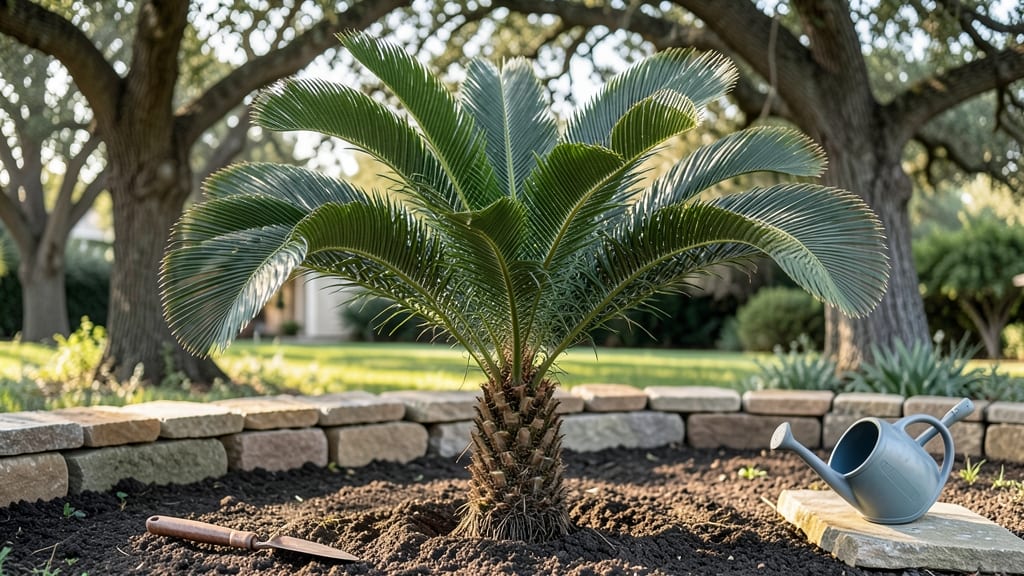
The right palm tree shadows can transform your yard from ordinary to extraordinary—creating a lush, sun-dappled retreat that feels like a tropical escape. I’ve designed backyards where towering palms frame pool areas, while their feathery fronds filter sunlight into intricate patterns on patios.
The key isn’t just planting; it’s strategically placing trees to craft privacy, shade, and visual drama all year long.
Start with placement: a single Mexican fan palm near a seating area casts elegant, shifting shadows that cool outdoor spaces by 20-30 degrees in summer. Pair it with windmill palms for layered textures, or tuck pygmy date palms along fences to soften edges without blocking views.
The goal? Balance height, spread, and growth habits so shadows evolve with the seasons—deep and dense in summer, delicate lacework in winter.
What you’ll end up with is a garden that feels like a curated art piece, where every shadow tells a story. Imagine sipping morning coffee beneath a California fan palm’s intricate canopy, its dappled light shifting as the sun climbs, or hosting dinner under a Mediterranean dwarf palm’s gentle arch.
The best designs blend function—privacy, shade—and pure aesthetic joy, turning your yard into a living sculpture.
This works for any climate, from coastal breezes to desert heat, and scales from small urban courtyards to sprawling estates. The secret? Treat palm shadows like brushstrokes—each tree a different hue, each placement a deliberate stroke. Ready to design your own tropical masterpiece?
📚 In This Guide
- What you need
- Instructions
- Tips and common mistakes
- Wrapping up and next steps
What you need
- ● Palm trees: 3–5 mature Phoenix canariensis (Canary Island date palm) or Washingtonia robusta (Mexican fan palm) per design, spaced 10–15 ft apart for optimal shadow density.
- ● Pruning tools: 1 bypass pruners (for small fronds, 4–6" blades)
- ● 1 polesaw (for mid-height branches, 10–12 ft extendable)
- ● 1 harvesting saw (for thick trunks/stems, 24" blade)
- ● Safety gear: Heavy-duty gloves (cut-resistant, size M/L)
- ● Safety goggles (ANSI Z87.1 rated)
- ● Non-slip boots (steel-toe recommended)
- ● Cleanup supplies: 5–10 heavy-duty trash bags (30+ gallon capacity)
- ● 1 leaf blower (1200–1500 CFM for efficiency)
- ● 1 wheelbarrow (for debris transport)
- ● Design tools: Measuring tape (25 ft)
- ● Stakes & string (for marking pruning lines)
- ● Sketch pad & graph paper (to plan shadow patterns)
- ● Post-pruning care: Fungicide (copper-based, for cuts)
- ● Slow-release fertilizer (10-10-10 NPK ratio)
- ● Tech upgrades: Drone with camera (for aerial shadow mapping)
- ● Sunlight analyzer app (e.g., Solar Pathfinder)
How to design a privacy-focused palm tree canopy
Here's the strategic approach I've used to create lush, evergreen privacy screens that thrive year-round.
Select Fast-Growing, Dense Palm Varieties
Choose palm species known for their rapid growth and dense foliage. Mexican fan palms (Washingtonia robusta) and windmill palms (Trachycarpus fortunei) develop full canopies within 5-7 years, while California fan palms (Washingtonia filifera) grow even faster. These varieties create 15-20 feet of vertical coverage when spaced properly.
I always verify cold hardiness for my region—Mexican fan palms tolerate down to 15°F, while windmill palms handle 5°F. Planting multiple species together ensures layered coverage, with taller palms anchoring the design and shorter varieties filling gaps at the base.
Plan Strategic Spacing for Full Coverage
For a 20-foot privacy screen, plant palms 12-15 feet apart in a staggered pattern. This spacing allows canopies to overlap by 3-4 feet when mature, eliminating sightlines while maintaining airflow. In narrower spaces (under 10 feet), reduce spacing to 8-10 feet and use dwarf varieties like pygmy date palms (Phoenix roebelenii) for lower canopies.
Sketch your layout first—palms cast 10-12 feet of shade at maturity, so position them to shade windows or entryways while preserving your lawn's sunlight. I always mark planting locations with stakes to visualize the mature canopy before digging.
Prepare Soil and Plant for Optimal Growth
Palms thrive in well-draining soil with a slightly acidic pH (6.1-6.5). Amend native soil with 2-3 inches of compost and a 50/50 mix of topsoil and coarse sand to prevent root rot. Dig holes twice as wide as the root ball but no deeper—palms hate having their trunks buried.
Water deeply after planting to settle soil around roots, then mulch with 3 inches of organic mulch (like pine bark) to retain moisture. Avoid overwatering—the most common mistake is drowning young palms. Instead, water once weekly for the first month, then reduce to every 10-14 days once established.
Prune and Maintain for Year-Round Density
Remove dead fronds as they appear to prevent disease, but never trim more than 25% of the fronds at once—this ensures the palm continues photosynthesizing. I use sterilized pruning shears and dispose of debris immediately to avoid fungal spread. For faster canopy growth, fertilize in early spring with a slow-release palm fertilizer (look for one with higher potassium levels).
Monitor for pests like palm weevils—look for sawdust-like frass at the base of the trunk or wilting fronds. Treat infestations immediately with systemic insecticides. With proper care, your canopy will reach full privacy potential in 5-7 years, with minimal maintenance required afterward.
Tips & tricks for perfect palm tree canopy design
Creating a stunning privacy screen isn't just about planting—it's about strategic choices that make all the difference in your landscape's success.
Cold Hardiness Considerations: When selecting palm varieties for your region, double-check the cold hardiness ratings for your specific microclimate. While Mexican fan palms handle down to 15°F, they may struggle in sudden cold snaps if planted near concrete or metal structures that radiate cold. For areas with unpredictable winter temperatures, consider planting windmill palms (5°F tolerance) as your primary species—they're more resilient to temperature fluctuations and provide excellent year-round coverage.
Visualization Technique: Before breaking ground, create a scaled drawing of your property with the mature canopy sizes marked. This isn't just about spacing—the mature height of different species creates visual layers that affect sunlight patterns and wind flow. For instance, a 20-foot Mexican fan palm will cast a 12-foot shadow at its peak, so position it to shade windows while preserving sunlight for adjacent plants. I use graph paper and colored pencils to map out how each species will interact with existing structures and sunlight patterns.
Soil Preparation Secret: The 50/50 mix of topsoil and coarse sand isn't just about drainage—it's about creating an oxygen-rich environment for roots. When amending your soil, incorporate a handful of perlite into each planting hole to prevent compaction. This small addition significantly improves water penetration and root development, especially important for young palms that are establishing themselves. The compost layer should be placed below the root ball rather than mixed throughout—this creates a nutrient-rich zone where new roots will naturally grow.
Watering Strategy: The initial weekly watering schedule is crucial, but timing matters just as much as frequency. Water deeply in the morning rather than evening to allow foliage to dry completely, preventing fungal diseases. After the first month, reduce to every 10-14 days only if the top 2 inches of soil are completely dry. Overwatering is the number one killer of young palms—look for yellowing fronds or a soft trunk as signs you're watering too frequently. Mulch actually helps reduce watering needs by up to 30% when properly applied.
Pro Tips for Palm Tree Shadows
- Creating a stunning privacy screen isn't just about planting—it's about strategic choices that make all the difference in your landscape's success.
- Cold Hardiness Considerations: When selecting palm varieties for your region, double-check the cold hardiness ratings for your specific microclimate.
- Visualization Technique: Before breaking ground, create a scaled drawing of your property with the mature canopy sizes marked.
Frequently asked questions
How often should I trim palm tree fronds to maintain shadows?
Trim fronds once or twice a year, typically in late winter or early spring before new growth starts. Over-trimming weakens the tree—never remove more than one-third of the fronds at once. Young palms may need less frequent pruning (every 2–3 years) unless fronds are dead or obstructing sunlight.
When is the best time of day to capture palm tree shadows for photos?
Golden hour—1–2 hours after sunrise or before sunset—creates the most dramatic, elongated shadows. Avoid midday when shadows shrink and lose definition. For blue-hour effects, shoot just after sunset when the sky is deep blue and shadows appear almost silhouetted.
Can I use artificial structures (like pergolas) instead of palm trees for shadows?
Pergolas, lattice panels, or even retractable shade sails work well for controlled shadows. However, palm trees offer natural, ever-changing patterns and year-round privacy. If using alternatives, ensure they’re UV-resistant and positioned to mimic the dappled light effect of palm fronds.
What should I do if my palm tree’s shadows suddenly look uneven or patchy?
Uneven shadows often signal uneven growth or nutrient deficiencies. Check for:
- Dead or yellowing fronds (trim them immediately).
- Pests (like palm weevils) or fungal spots (consult a local arborist).
- Watering issues (over/under-watering can stress the tree).
How do I measure the ideal spacing between palm trees for optimal shadow coverage?
Spacing depends on the palm species and mature height/width. A general rule:
Palm Type
Mature Height
Recommended Spacing
Dwarf Palms (e.g., Pygmy Date)
6–10 ft
8–12 ft apart
Medium Palms (e.g., Canary Island Date)
20–30 ft
15–25 ft apart
Tall Palms (e.g., King Palm)
50+ ft
30–50 ft apart
Wrapping up and next steps
Transforming your outdoor space with palm tree shadows isn’t just about aesthetics—it’s a practical, year-round solution for privacy and shade. By strategically pruning and positioning your palms, you’ve unlocked a world of natural beauty and functional design that thrives in every season. 🌿
Now that you’re armed with the how-to, why not take the next step? Start small—prune a single palm or sketch a layout for your dream canopy. Every expert began with a single cut, and your outdoor oasis could be next! 🌴✨