
Pruning
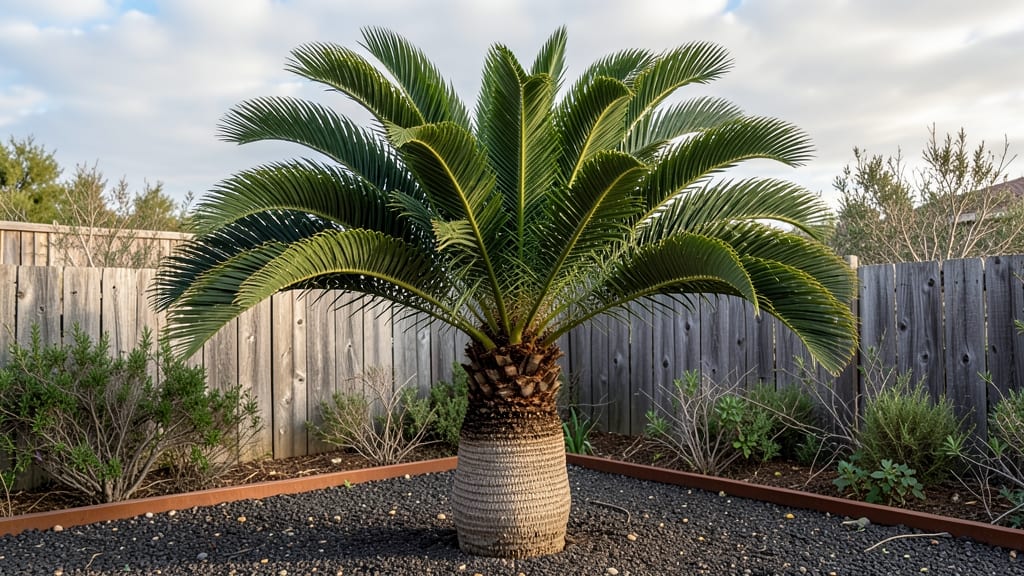
Caring for outdoor palm trees starts with understanding their unique needs—sunlight, water, and pruning work together to keep them strong and striking. I’ve pruned palms in hot coastal climates and learned that the key isn’t just cutting back dead fronds but shaping them for long-term health.
The right approach prevents structural collapse and keeps your palm looking like a tropical showstopper year-round.
Most palms thrive in full sun but can scorch in intense afternoon heat, especially in desert climates. Water deeply once a week during dry spells, letting the soil dry slightly between waterings—overwatering is the fastest way to kill a palm.
The soil should drain well, and adding compost improves root health over time. Pruning is best done in late winter or early spring, when new growth signals the tree’s energy is ready for maintenance.
You’ll notice healthier fronds emerging within weeks of proper pruning, with fewer brown leaves and a stronger trunk. The goal is to remove only dead or damaged fronds while preserving the natural shape—this keeps the palm balanced and resistant to wind damage.
For frost-sensitive species, bring potted palms indoors before temperatures drop below 30°F to avoid irreversible damage.
Different palm species have unique needs, so choose one that matches your climate—Mexican fan palms handle heat, while Mediterranean dwarf palms tolerate cooler summers. Regular maintenance like removing dead fronds and fertilizing twice a year keeps your palm thriving for decades.
Start with the basics, and your palm will reward you with lush, vibrant growth.
📚 In This Guide
- What you need
- Instructions
- Tips and common mistakes
- Wrapping up and next steps
What you need
- ● Pruning saw: A bypass pruning saw (8–12" blade) for thick fronds or trunks. Look for one with a sharp, durable blade (e.g., Fiskars or Corona).
- ● Pruning shears: Bypass shears (8–10" blade) for smaller fronds and fine trimming. Sterilize with rubbing alcohol between cuts to prevent disease.
- ● Ladder or lift: A stable, extendable ladder (20–30 ft) or a cherry picker for tall palms (e.g., coconut or royal palms). Never stand on fronds!
- ● Work gloves: Heavy-duty, cut-resistant gloves (e.g., Mechanix or Pyramex) to protect hands from sharp fronds and sap.
- ● Safety goggles: ANSI-rated goggles to shield eyes from debris and sap splashes.
- ● Disposable pruning bags: Heavy-duty, 30–50 gallon bags (e.g., Fiskars or Gardener’s Supply) for collecting debris. Knot tightly to avoid mess.
- ● Rubbing alcohol (70%+) or bleach solution: For sterilizing tools between cuts (1 part bleach to 9 parts water).
- ● Hose with nozzle: To rinse tools and clean up sap residue.
- ● Pole saw: For high-reach trimming without a ladder (e.g., 10–14 ft extendable pole).
- ● Tree climbing spikes: Only for experienced climbers—never use on young or weak palms!
- ● Sap remover: Mineral oil or soap to clean sticky sap from tools and skin.
- ● First-aid kit: Include antiseptic wipes, bandages, and tweezers for minor injuries.
- ● Trash bags or compost bin: For disposing of palm debris (check local regulations—some areas ban palm waste!).
- ● Know your palm species: Research your palm type (e.g., Phoenix dactylifera vs. Washingtonia filifera)—pruning needs vary!
- ● Check the weather: Prune on a dry, calm day (avoid wind or rain).
- ● Wear long sleeves/pants: Protects against sap irritation and scratches.
- ● Notify neighbors: If your palm is near property lines, give a heads-up about debris.
Step-by-Step guide for pruning outdoor palm trees
Here's how I maintain healthy, balanced palms year-round—no special tools required.
Choose the Right Time to Prune
Prune your palm tree in late winter or early spring, just as new growth begins. This timing ensures you remove dead fronds while leaving plenty of time for the tree to recover before summer heat arrives. Avoid pruning during extreme temperatures—either too hot or too cold—since the tree needs energy to heal wounds.
Look for brown, dry fronds that hang limply or crackle when touched. These are dead and should be removed immediately. Healthy fronds have a green base and feel firm. If you see fronds with yellowing tips but still green bases, wait until they're completely brown before cutting—this prevents unnecessary stress on the tree.
Gather the Right Tools and Safety Gear
You’ll need sharp pruning shears for smaller fronds and a pruning saw for thicker stalks. I always wear gloves and safety glasses—palm fronds can be razor-sharp, and debris flies when cutting. A ladder or extension pole is essential unless your palm is small enough to reach comfortably.
Disinfect your tools with rubbing alcohol before and after pruning to prevent spreading disease between cuts. A bucket or tarp helps collect fallen fronds, making cleanup easier. If your palm is tall, consider wearing non-slip shoes—uneven surfaces and wet fronds can be slippery hazards.
Remove Dead and Damaged Fronds
Start by cutting off dead fronds at their base, where the frond meets the trunk. Make a clean cut just above the frond collar—the swollen area where the frond attaches. Avoid leaving stubs, as they can trap moisture and rot. For larger fronds, use the pruning saw to slice through the thick stalk in smooth, controlled motions.
Watch for fronds with insect damage or blackened tips—these should also be removed. If a frond is only partially dead, trim away the brown sections while leaving the green portion intact. Never remove more than one-third of the fronds at once, as this can shock the tree and leave it vulnerable to pests or disease.
Trim Overgrown or Crowded Fronds
If your palm has fronds growing too close together, thin them out to improve airflow and sunlight penetration. Focus on the outermost fronds first, as these can block light from reaching the center. Use your pruning shears to make precise cuts, avoiding the trunk entirely—palms don’t have traditional branches, so every cut matters.
For palms with split or torn fronds, trim away the damaged sections but leave the healthy parts. This prevents further tearing during storms. If you notice fronds growing at odd angles, they may be competing for space—removing a few can encourage straighter, more balanced growth over time.
Clean Up and Monitor Recovery
After pruning, collect all debris and dispose of it properly—don’t leave fronds piled near the base, as this can attract pests. Rake away any small pieces of bark or sawdust from the trunk area. Water the base of the tree deeply but lightly to help it recover, especially if you’ve removed a lot of fronds.
Keep an eye on the palm for the next few weeks. Healthy new fronds should emerge within 4-6 weeks, signaling the tree is recovering well. If you see yellowing leaves or oozing sap at the cuts, the tree may be stressed—reduce watering slightly and avoid pruning again for at least 6 months.
Tips & tricks for pruning outdoor palm trees
Here’s what I’ve learned after years of pruning palms—these small details make all the difference for your tree’s health and appearance.
Timing is Everything: The late winter or early spring timing in Step 1 is crucial because it aligns with the tree’s natural growth cycle. If you’re unsure about the exact timing, look for the first signs of new fronds emerging from the center—this is your cue to start. I’ve made the mistake of pruning too early when fronds were still dormant, and the tree struggled to recover during the hot summer months.
Tool Sharpness Matters: In Step 2, the instructions mention sharp pruning shears and saws, but I can’t stress enough how important this is. Dull tools crush the fronds instead of making clean cuts, which can damage the tree’s tissue and invite disease. Take a moment to sharpen your tools before you start—it’s worth the extra effort to prevent unnecessary stress on your palm.
Visual Cues for Healthy Cuts: When making those clean cuts in Step 3, aim for a smooth surface just above the frond collar. The collar should look like a slightly swollen ring where the frond meets the trunk. If you leave even a small stub, moisture can get trapped there, leading to rot. Think of it like giving the tree a fresh, clean haircut—no split ends allowed!
Monitor Recovery Like a Pro: After pruning, the 4-6 week window in Step 5 is your best indicator of success. During this time, watch for new fronds unfurling from the center—this shows the tree is putting energy into growth rather than recovery. If you notice yellowing leaves or oozing sap, it’s a sign the tree is stressed, and you should cut back on watering immediately.
Pro Tips for Palm Tree Care Outdoor
- Here’s what I’ve learned after years of pruning palms—these small details make all the difference for your tree’s health and appearance.
- Timing is Everything: The late winter or early spring timing in Step 1 is crucial because it aligns with the tree’s natural growth cycle.
- Tool Sharpness Matters: In Step 2, the instructions mention sharp pruning shears and saws, but I can’t stress enough how important this is.
Frequently asked questions
Got questions about keeping your palm trees thriving outdoors? Here are some of the most common concerns—and straightforward answers to help you maintain a healthy, stunning specimen year-round.
When is the best time to prune my palm tree?
The ideal time to prune is during the dormant season (late fall to early spring), when the tree isn’t actively growing. Avoid pruning during extreme heat or cold—this helps minimize stress and disease risk. For tropical palms, prune lightly after flowering to redirect energy to new growth.
How do I tell if my palm tree needs pruning?
Watch for these signs: dead or brown fronds (remove them first), fronds blocking sunlight, or a lopsided canopy. Overly dense fronds can trap moisture, inviting pests or fungus. If you see yellowing fronds (not brown), that’s usually a nutrient issue—not a pruning cue.
Can I prune too much? What are the risks?
Yes! Over-pruning weakens the tree, exposing it to sunscald, disease, or even death in severe cases. Never remove more than 1/3 of the fronds at once. Focus on dead or damaged fronds first, and avoid cutting into the crown shaft (the trunk area above the fronds).
What should I do if my palm tree has brown, crispy fronds?
Crispy fronds often signal underwatering, overwatering, or salt buildup (common in coastal areas). Trim the dead fronds at the base where they meet the trunk. Adjust your watering schedule—palms prefer deep, infrequent watering (1–2 times per week, depending on climate).
Are there palm tree alternatives for colder climates?
If you love the look of palms but live in USDA Zones 7 or colder, consider cold-hardy alternatives like the Windmill Palm (Trachycarpus fortunei) (Zone 6) or Needle Palm (Rhapidophyllum hystrix) (Zone 5). These thrive in cooler temps but still offer that tropical vibe!
Wrapping up and next steps
Caring for your palm tree outdoors doesn’t have to be intimidating—just follow these simple steps to keep it healthy, balanced, and thriving year-round! 🌴 From pruning dead fronds to fertilizing at the right time, you’re now equipped with the knowledge to nurture your tropical beauty like a pro. Remember: consistency is key!
Ready to take the next step? Grab your tools, schedule a pruning session, and watch your palm tree flourish with new growth and stunning structure. Happy gardening!