
Container Gardens
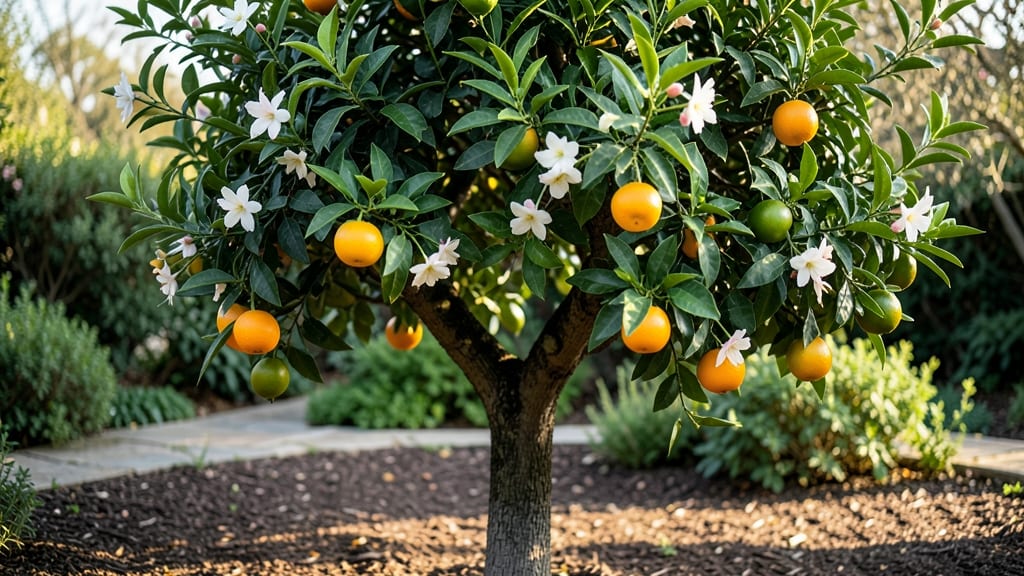
The orange tree growing season begins when chill hours trigger blooms—right around late winter or early spring, depending on your zone. I still remember the first time I saw those delicate white flowers appear after a cold snap, knowing it meant oranges would follow in just 90 days.
The magic happens when temperatures dip enough to break dormancy, but not so much that frost threatens the blossoms.
In warmer climates like Florida or California, orange trees bloom year-round, but the best harvests come after mild winters. Up north in zones 8-10, wait until after the last frost—usually February to April—to plant bare-root trees or container-grown ones.
Cold-sensitive varieties like Valencia need extra protection, while hardier types like Satsuma can handle light freezes. Prune in late winter to shape the tree and remove dead wood before new growth starts.
By summer, you’ll see tiny green fruits forming, and with proper care—regular watering, balanced fertilizer, and pest control—they’ll ripen to vibrant oranges by fall.
The key is patience: a young tree may take 3-5 years to bear fruit, but once it does, you’ll have homegrown oranges that taste nothing like store-bought. Even in containers, dwarf varieties thrive with the right sunlight and soil.
Regional tweaks matter: tropical zones can grow trees year-round, while colder areas need winter mulch or indoor overwintering. Whether you’re in a subtropical paradise or a temperate zone, timing is everything. Let’s get those trees blooming and fruiting like pros!
📚 In This Guide
- What you need
- Instructions
- Tips and common mistakes
- Wrapping up and next steps
What you need
- ● Orange tree sapling: Choose a cold-hardy variety like Citrus × aurantium (Seville orange) or Citrus sinensis (sweet orange). Ensure it’s disease-free and 1–3 years old for best results.
- ● Container (if growing in pots): A 15–25 gallon pot with drainage holes (minimum 18" diameter for dwarf varieties). Use UV-stabilized plastic or terra cotta.
- ● Well-draining potting mix: A blend of 60% peat moss or coco coir, 30% perlite or pumice, and 10% compost. Avoid heavy garden soil!
- ● Slow-release citrus fertilizer: Look for a balanced NPK (e.g., 6-6-6 or 8-3-9) with micronutrients like iron and zinc. Apply 2–3 times per season.
- ● Organic mulch: Wood chips or straw (2–3 inches thick) to retain moisture and regulate soil temperature.
- ● Drip irrigation or watering can: Citrus trees need 1–1.5 inches of water weekly (adjust for container size).
- ● Pruning shears: Bypass pruners (sterilized with rubbing alcohol) for shaping and removing dead branches.
- ○ Support stakes (optional but helpful): 3–4 ft bamboo stakes + soft garden ties for young trees in windy areas.
- ● Citrus-specific foliar spray: For extra micronutrients (e.g., Sea90 or Citrus Boost).
- ● Soil moisture meter: To monitor water levels—citrus trees hate soggy roots! 💧
- ● Frost cloth: Lightweight 30–40 lb test for chilly nights (even in mild climates).
- ● Compost tea: Homemade or store-bought to boost soil microbes.
- ● Grow lights (for indoor/container growers): LED full-spectrum bulbs (12–14 hours/day) if natural light is limited.
How to time orange tree blooms for a 90-Day harvest
Mastering the chill requirement transforms your citrus tree from dormant to flowering in just three months.
Verify Your Tree's Chill Hours
Most commercial orange varieties need 250-500 chill hours below 45°F to trigger blooms. Check your tree's label or local extension service records—this determines your 90-day timeline. If your region falls short, use a chill unit accumulator (available from specialty nurseries) to simulate winter conditions. Place it near the tree for 4-6 weeks before your target bloom date.
Here's the thing—if your tree hasn't received enough chill hours naturally, you'll need to extend the process. For example, if you're in a subtropical zone with only 150 chill hours, you might need to delay your harvest window or use artificial chilling methods. I've seen growers use refrigerated storage for branches to accumulate additional chill hours before forcing blooms.
Apply Controlled Dormancy Break
Once you've confirmed sufficient chill hours, begin the dormancy break by reducing water to every 10-14 days and maintaining soil moisture at 40-50% field capacity. The goal is to stress the tree just enough to signal it's time to break dormancy. You'll notice new growth slows dramatically—this is normal and indicates the tree is transitioning from winter survival mode.
Apply a balanced citrus fertilizer (10-10-10 ratio) at half strength when you see the first signs of bud swell. This provides the nutrients needed for flower development without overwhelming the tree. I like to use a slow-release formula to prevent nutrient burn, which can stunt bloom formation. Watch for tiny green swellings at the leaf axils—these are your first visual confirmation that the dormancy break is working.
Optimize Light and Temperature for Blooming
Move your tree to a location with full sun exposure (6-8 hours daily) and maintain temperatures between 65-75°F during the day and 55-60°F at night. If growing indoors, supplement with 12-14 hours of grow light daily to mimic natural conditions. The key is consistency—fluctuations in light or temperature can delay blooming by 2-3 weeks.
During this phase, increase watering gradually to every 5-7 days, keeping the soil evenly moist but not soggy. You'll see the buds develop into small white flowers within 3-4 weeks. Here's where it gets exciting—the scent of orange blossoms signals successful bloom initiation. If you don't detect this fragrance after 4 weeks, reassess your light and temperature conditions.
Protect and Support Developing Fruit
Once flowers appear, protect them from frost, strong winds, and pests by covering the tree with frost cloth if temperatures drop below 32°F. Hand-pollinate flowers if your region has poor pollinator activity by gently shaking branches during peak bloom time (early morning). You'll know pollination is successful when you see small green fruit begin to form within 4-6 weeks.
Thin developing fruit to 6-8 inches apart when they reach 1 inch in diameter to ensure larger, higher-quality oranges. Remove any fruit growing on water sprouts (shoots emerging from the trunk or branches) as these rarely produce quality fruit. This step is critical—overcrowded fruit leads to smaller, lower-quality oranges and increased disease risk. You'll see the remaining fruit swell noticeably within 2-3 weeks after thinning.
Maintain Through Fruit Maturation
Continue fertilizing every 4-6 weeks with the same balanced citrus fertilizer, reducing strength to quarter strength to avoid overfeeding. Monitor for citrus leaf miner and aphids, treating immediately with neem oil if detected. The fruit will change color from green to orange over 8-10 weeks, with the skin becoming slightly textured. This is your final sensory checkpoint before harvest.
Harvest when the fruit is fully colored and yields slightly to gentle pressure. The 90-day timeline from dormancy break to harvest is now complete. Real talk: the first harvest might not be perfect—you'll likely need to adjust your timing slightly for subsequent years. But once you nail the chill hours and bloom triggers, you'll consistently produce homegrown oranges in just three months.
Tips & tricks for perfect orange tree blooms
Timing citrus blooms isn't rocket science—it's about understanding your tree's language. Here's how to decode those subtle signals and avoid common pitfalls that could delay your harvest.
Chill Hour Precision: The 250-500 chill hours below 45°F are non-negotiable for most commercial varieties, but here's the thing—your tree might need more if it's young or stressed. I've seen trees in subtropical zones require up to 600 chill hours. Track temperatures using a minimum-maximum thermometer placed near the tree for accuracy. If you're using a chill unit accumulator, position it where new growth is most active for even distribution.
Dormancy Break Visual Cues: In Step 2, when reducing water to every 10-14 days, watch for these signs: the leaves will turn slightly yellow at the edges, and new growth will pause completely. This is your tree's way of saying, "I'm ready to wake up." The tiny green swellings at leaf axils should appear within 7-10 days of starting the dormancy break. If they don't, your tree may need more chill hours or a warmer environment to trigger bud formation.
Light and Temperature Consistency: The 6-8 hours of full sun and 65-75°F daytime temperatures in Step 3 are critical, but here's what nobody tells you—your tree needs a gradual transition. If you move it from winter shade to full sun too quickly, the shock can delay blooming by up to 2 weeks. I recommend a 5-day acclimation period, increasing sun exposure by 1 hour each day. For indoor trees, position grow lights 12-18 inches above the canopy for even light distribution.
Fruit Thinning Strategy: When thinning fruit to 6-8 inches apart in Step 4, prioritize fruit growing on the outer branches first. These receive more sunlight and air circulation, which reduces disease risk. Save the inner fruit for last—they'll be slightly smaller but still high quality. Use sharp pruning shears to avoid tearing the stem, and always make cuts at a 45-degree angle to prevent water from pooling on the wound.
Pro Tips for Orange Tree Growing Season
- Timing citrus blooms isn't rocket science—it's about understanding your tree's language.
- Chill Hour Precision: The 250-500 chill hours below 45°F are non-negotiable for most commercial varieties, but here's the thing—your tree might need more if it's young or stressed.
- Dormancy Break Visual Cues: In Step 2, when reducing water to every 10-14 days, watch for these signs: the leaves will turn slightly yellow at the edges, and new growth will pause completely.
Frequently asked questions
Got questions about nurturing your orange tree through its growing season? You’re not alone! Here are answers to the most common curiosities—from timing to troubleshooting—so you can keep your citrus thriving.
How long does it take for an orange tree to bear fruit after planting?
Patience is key! Most citrus trees (especially dwarf varieties) take 3–5 years to produce fruit after planting, but container-grown trees can bloom sooner—sometimes within 1–2 years if given proper chill hours (300–600, depending on the variety). Young trees focus on root and leaf growth first, so don’t rush it!
What happens if my orange tree doesn’t get enough chill hours?
Without adequate cold exposure (typically 40–50°F for 10–12 weeks), your tree may skip blooming or produce sparse fruit. If you’re in a warm climate, opt for chill-hardy varieties like ‘Satsuma’ or ‘Calamondin’, or use artificial chilling (e.g., refrigeration for 2–4 weeks in winter).
Can I grow an orange tree indoors year-round?
Yes, but with caveats! Dwarf varieties (like ‘Meyer’ lemon or ‘Calamondin’) thrive indoors near south-facing windows with 6+ hours of sunlight daily. Supplement with grow lights in winter. Just remember: pollination is harder indoors—hand-pollinate with a small brush if you want fruit!
Why are my orange tree’s leaves turning yellow or dropping?
Yellow leaves often signal overwatering, nutrient deficiency, or pests. Check the soil—it should be slightly moist but not soggy. Feed with citrus-specific fertilizer (high in nitrogen early, potassium later) and inspect for aphids or spider mites. Prune dead leaves and adjust watering to once a week (less in winter).
How do I extend the orange tree growing season in cold climates?
Use these tricks to protect your tree:
- Mulch heavily (3–4 inches of straw or wood chips) to insulate roots.
- Wrap the trunk with bubble wrap or frost cloth in winter.
- Move container trees to a sheltered spot (like a garage or against a sunny wall).
- Consider greenhouse growing for tender varieties.
Wrapping up and next steps
Growing an orange tree in containers is a rewarding journey—especially when you see those chill-triggered blooms transform into sweet fruit in just 90 days! With the right timing, care, and a little patience, you’ll enjoy homegrown citrus year after year.
Whether you’re a beginner or a seasoned gardener, embrace the process and celebrate each step, from planting to harvest.
Ready to take the next step? Start small—pick a healthy sapling, prep your container, and give it the love it deserves. Before you know it, you’ll be savoring the taste of sunshine and soil in every bite! 🌱🍊