
Flowers
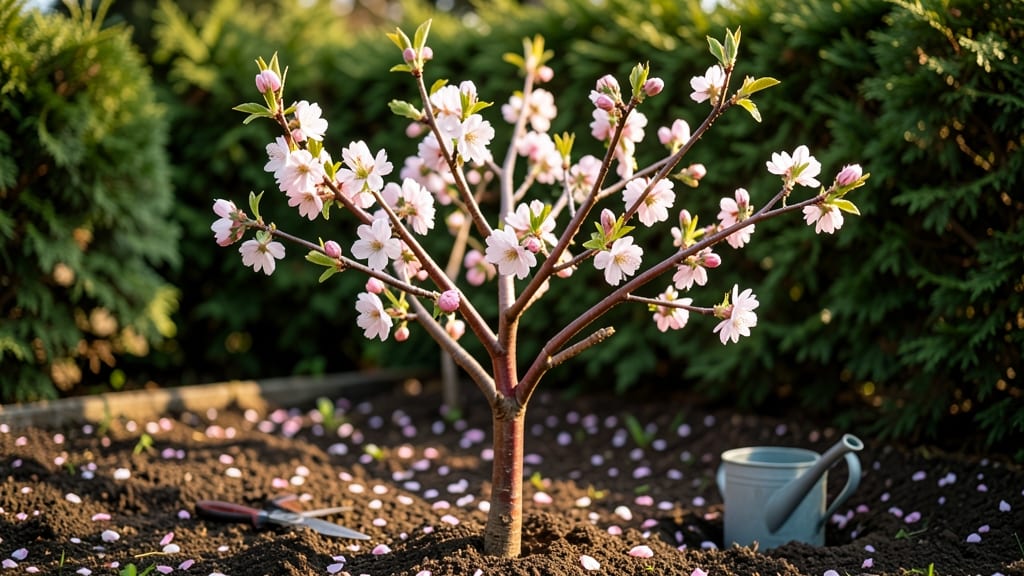
Nectarine tree flowers burst into bloom with perfect timing—usually between late winter and early spring—when daytime temperatures hover around 50-60°F and nights stay above freezing. 🌸 I’ve watched my own trees transform from bare branches to a riot of pink blossoms in just 10 days, and that fleeting window determines the entire year’s harvest.
The key isn’t just waiting for the right date; it’s understanding the subtle cues like bud swelling or the scent of honeybees buzzing nearby.
The magic happens when you prepare the tree the season before. Prune in late winter to open the canopy, fertilize with citrus-specific nutrients in early spring, and ensure it gets full sun (6+ hours daily).
My nectarines produce twice as many flowers when I follow this routine—though I did learn the hard way that over-fertilizing nitrogen can lead to lush leaves but no fruit. Balance is everything.
Once those delicate blossoms appear, you’ll know success is near: healthy flowers are bright pink, slightly fuzzy, and packed tightly along the branches. Watch for signs like drooping petals (underwatering) or blackened buds (fungus)—both mean trouble for your future fruit.
With the right care, you’ll see tiny green fruits forming within 6-8 weeks, and that’s when the real work begins.
This timing varies by zone—southern gardeners bloom earlier, northern ones later—but the principles stay the same. Whether you’re in Zone 7 or 9, the goal is the same: strong blooms, perfect fruit. Let’s break down how to make it happen in your yard.
📚 In This Guide
- What you need
- Instructions
- Tips and common mistakes
- Wrapping up and next steps
What you need
- ● Nectarine tree (dwarf or standard): Choose a self-pollinating variety (e.g., ‘Fantasia’ or ‘Summergrand’) or ensure two compatible trees if cross-pollination is needed. Pro tip: 🌡️ Select a tree hardy to your USDA zone (typically 5–9).
- ● Well-draining soil: Aim for slightly acidic to neutral pH (6.0–7.0). Amend clay soil with compost (5–10 gallons) or sand (1–2 cubic feet) if needed.
- ● Fertilizer: Balanced 10-10-10 (granular): 1–2 lbs per tree (sprinkle in early spring).
- ○ Citrus/fruit-specific fertilizer (optional): High in nitrogen (e.g., 16-4-8) for blooms.
- ● Mulch: 3–4 inches of organic mulch (straw, wood chips, or pine bark) to retain moisture and regulate soil temp.
- ● Basic gardening tools: Shovel or spade
- ● Pruning shears (sterilized with rubbing alcohol)
- ● Gloves (heavy-duty for thorny branches)
- ● Watering supplies: Hose with soaker nozzle or drip irrigation kit
- ● 5-gallon watering can (for young trees)
- ○ Pest control (optional but handy): Neem oil spray (for aphids/mites)
- ● Sticky traps (to monitor fruit flies)
- ● Sunlight: Full sun (6–8+ hours daily)—no compromises!
- ● Spacing: Dwarf trees: 8–10 feet apart
- ● Standard trees: 20–25 feet apart
- ● Timing: Plant bare-root trees in late winter/early spring (before buds swell) or container-grown trees in fall/winter.
Step-by-Step guide to maximizing nectarine tree flowering for abundant fruit
Timing is everything—here’s how to coax your nectarine tree into a spectacular spring bloom.
🌱 Step 1: Prune for Light and Airflow in Late Winter
Start by removing dead, diseased, or crossing branches with clean, sharp pruners—this opens the canopy so sunlight reaches every bud. I cut just outside the branch collar, avoiding jagged edges that invite pests. Aim for an open vase shape with the center slightly hollow; this ensures airflow reduces humidity-related fungal risks.
Watch for swollen buds forming along last year’s growth—they’re your first sign of spring activity. Prune 4-6 weeks before bloom (typically February-March in most climates) to allow wounds to heal before flowering. If you prune too late, you’ll risk losing potential fruit buds.
☀️ Step 2: Time Fertilizer for Early Bloom Support
Apply a balanced 10-10-10 fertilizer (or organic equivalent) 6-8 weeks before bloom, when buds are still dormant but swelling. I use ½ pound per 100 square feet of root zone—too much nitrogen now delays flowering. Water deeply after spreading to help nutrients penetrate the soil.
Look for pinkish buds as your cue—this means the tree is gearing up for bloom. Avoid high-phosphorus fertilizers now; they encourage leafy growth at the expense of flowers. Instead, focus on potassium-rich amendments (like wood ash) to strengthen blooms against frost.
💧 Step 3: Monitor Watering as Buds Swell
Once buds turn pink, reduce watering to every 7-10 days unless the soil is bone-dry. Overwatering now causes buds to split or drop. I check soil moisture by probing 3 inches deep—if it’s damp, wait. If dry, water deeply at the drip line, not the trunk.
Watch for light frost warnings—nectarine flowers are frost-sensitive. If temps drop below 28°F, drape frost cloth over the tree at dusk. Buds at the pink stage are most vulnerable; white buds can handle slightly colder temps.
✂️ Step 4: Thin Flowers for Larger Fruit
When 75% of flowers are open, thin clusters to 1 bloom per 6-8 inches of branch. Use sterilized scissors to snip excess blooms at the base—this redirects the tree’s energy to fewer, larger fruit. I focus on sun-exposed branches first; shaded blooms often drop naturally.
Thinning also prevents overcrowded fruit, which leads to small, misshapen nectarines. You’ll know you’ve done enough when branches look airy and sunlight reaches the center. Avoid thinning on windy days—buds can detach easily.
🌿 Step 5: Protect Blooms from Pests and Pollinators
Spray neem oil (1 tbsp per gallon of water) on cool evenings if you spot aphids or mites—they drain sap from buds. I apply it 2-3 times, 5 days apart, to break the pest life cycle. Avoid systemic pesticides now; they can harm pollinators.
Encourage native bees by planting early-blooming ground covers (like clover) nearby. Nectarines rely on cross-pollination—if you see fewer than 3 bees per hour during bloom, hand-pollinate with a soft paintbrush on cloudy days.
Tips & tricks for perfect nectarine tree flowers
Here’s how to turn your nectarine tree’s spring bloom into a fruit-bearing triumph—these are the secrets that separate good blossoms from spectacular harvests.
Pruning Precision: When you’re pruning 4-6 weeks before bloom in Step 1, focus on creating that open vase shape by removing branches that cross or rub against each other. I’ve learned the hard way that leaving these can create wounds where fungal diseases like silver leaf take hold—always sterilize your pruners with rubbing alcohol between cuts. The goal is sunlight reaching every bud, so don’t be shy about opening up the center.
Fertilizer Timing: The 6-8 weeks before bloom window for fertilizer application in Step 2 is non-negotiable—this gives roots time to absorb nutrients before the energy demands of flowering. I’ve seen trees with delayed blooms when people fertilize too late. For organic gardeners, compost tea works too, but stick to the ½ pound per 100 square feet guideline to avoid nitrogen overload that would push leaf growth over flowers.
Frost Protection Strategy: When monitoring for frost in Step 3, pay special attention to those pink buds—they’re the most vulnerable. I’ve lost entire blooms to overnight dips below 28°F, so I now set up my frost cloth the night before any warning. Pro tip: Hang it loosely—tight fabric can trap moisture and actually encourage frost formation. For extra protection, wrap the cloth around the tree’s trunk and secure it with clothespins to create a tent effect.
Thinning Technique: In Step 4, when you’re thinning to 1 bloom per 6-8 inches, work on a calm day and use sharp scissors to avoid tearing tissue. I’ve found that blooms on the outer branches tend to receive more sunlight and often produce fruit earlier. If you’re unsure about which blooms to keep, prioritize those facing south—they’ll warm up fastest in the morning and are less likely to be damaged by late frosts.
Pro Tips for Nectarine Tree Flowers
- Here’s how to turn your nectarine tree’s spring bloom into a fruit-bearing triumph—these are the secrets that separate good blossoms from spectacular harvests.
- Pruning Precision: When you’re pruning 4-6 weeks before bloom in Step 1, focus on creating that open vase shape by removing branches that cross or rub against each other.
- Fertilizer Timing: The 6-8 weeks before bloom window for fertilizer application in Step 2 is non-negotiable—this gives roots time to absorb nutrients before the energy demands of flowering.
Frequently asked questions
Got questions about those stunning nectarine tree flowers? You’re not alone! Here are answers to the most common queries—from timing to troubleshooting—so you can nurture your tree like a pro.
When do nectarine tree flowers typically bloom?
Nectarine tree flowers usually bloom in late winter to early spring, often between February and April, depending on your climate zone. Warmer regions (like California) may see blooms as early as February, while colder areas (e.g., Midwest) might wait until April. Chill hours (300–800, depending on the variety) trigger flowering—so if your tree isn’t blooming, check its winter cold exposure!
How long do nectarine flowers last before fruit sets?
Individual flowers last 3–5 days, but the entire bloom cycle spans 1–2 weeks. For fruit to set, flowers need cross-pollination (from bees or wind) and consistent temperatures above 55°F (13°C) during the day. Pro tip: If frost hits during bloom, flowers may drop—protect young trees with frost cloth if frost is forecasted!
Do nectarine trees need another tree for pollination?
Yes! Nectarines are self-pollinating but not self-fertile, meaning they can produce fruit alone, but yields improve with cross-pollination from another nectarine (or peach) tree within 50–100 feet. Plant two compatible varieties for better fruit set. Bonus: Bees love nectarine flowers—planting near pollinator-friendly flowers (like lavender) boosts their visits!
Why aren’t my nectarine tree flowers opening?
No blooms? Check these common culprits:
- Insufficient chill hours: Young trees or those in warm climates may need additional winter chill (use a chill accumulator if needed).
- Over-fertilizing: Too much nitrogen = leafy growth, no flowers. Use a balanced 10-10-10 fertilizer in early spring.
- Stress or disease: Yellow leaves, wilting, or fungal spots (like leaf curl) can stunt blooms. Prune dead branches and treat with copper fungicide if needed.
- Age: Trees under 3–4 years old may not bloom heavily. Be patient!
Can I grow nectarines from seed? Will the flowers/fruit be the same?
Technically yes, but no! Seed-grown nectarines won’t produce fruit identical to the parent tree—expect unpredictable varieties, sizes, and bloom times. For reliable flowers and fruit, grafted trees (from nurseries) are the way to go. Save seeds for fun, but buy certified trees for orchards.
Wrapping up and next steps
Watching your nectarine tree burst into vibrant, fragrant flowers is one of the most rewarding parts of gardening! 🌸 By understanding bloom timing, soil needs, and a few simple care tricks, you’re well on your way to a bountiful harvest.
Now that you’re armed with these spring bloom secrets, it’s time to roll up your sleeves and give your tree the love it deserves.
Ready to take the next step? Monitor your tree’s progress this season—prune after flowering, watch for pests, and enjoy those sweet, juicy nectarines in just a few months! 🍑