
Pruning
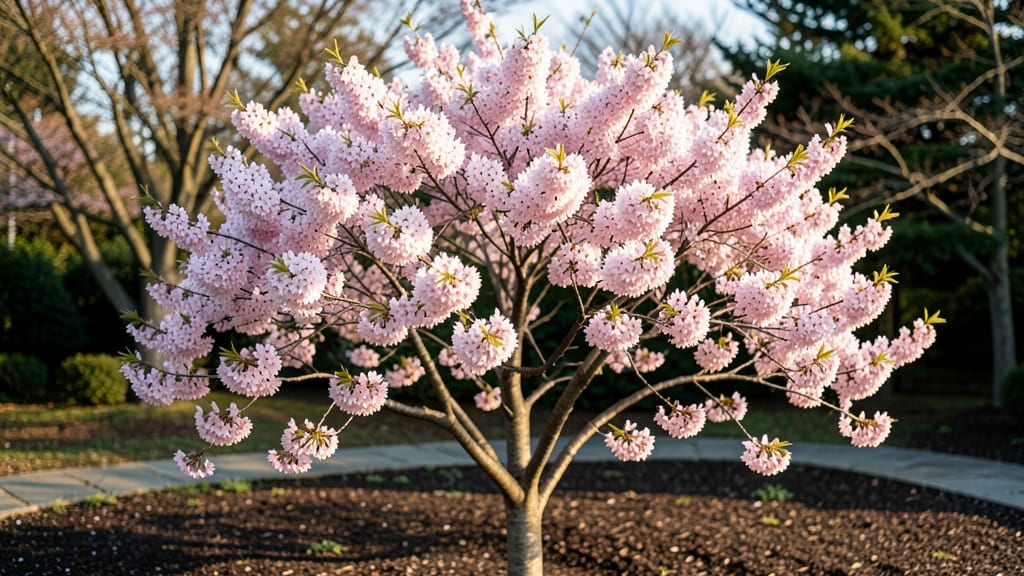
The Mount Fuji cherry tree isn't just a plant—it's a living masterpiece that transforms your yard into a Japanese garden escape. 🌸 I've grown mine for seven years, and the key to those perfect, layered blooms every spring starts with a simple dormancy trick most gardeners miss.
The tree's iconic shape isn't luck; it's science and timing working together.
You'll need full sun (at least 6 hours daily), well-draining soil, and a spot where it can spread its branches wide—think 15-20 feet at maturity. The real secret weapon? Pruning in late winter while the tree is still dormant but buds are swelling.
This ensures the iconic layered look without sacrificing next year's blooms. Most people prune too late, and that's when the shape starts to flatten.
By following this schedule, you'll wake up to pink-and-white clouds of blossoms that last 10-14 days—longer than any other cherry tree in your neighborhood. The tree stays healthy, the shape holds, and you avoid the common pitfall of over-pruning that weakens the wood.
That first flush of spring color? It's worth every minute of care.
Works beautifully in zones 5-8, though southern gardeners should plant in partial shade to prevent leaf scorch. The same principles apply whether you're shaping a young tree or refreshing an older one. Let's get those branches looking like a real Japanese landscape.
📚 In This Guide
- What you need
- Instructions
- Tips and common mistakes
- Wrapping up and next steps
What you need
- ● Mount Fuji cherry tree (Prunus serrulata 'Mount Fuji') – A healthy, established tree (3–5 years old for best results). Pro tip: 🌱 Choose a grafted variety for guaranteed blooms!
- ● Pruning shears – Sharp, bypass-style shears (avoid anvil shears to prevent crushing branches). Spec: 6–8" blades for precision.
- ● Loppers – For thicker branches (up to 2" diameter). Spec: 8–12" cutting capacity.
- ● Hand pruners (for fine-tuning) – Bypass-type with ergonomic grips (e.g., Felco or Corona).
- ● Pruning saw – Bow saw or pruning saw for branches >2" thick. Spec: 10–14" blade.
- ● Disinfectant (70% isopropyl alcohol or pruning sealant) – To sterilize tools between cuts and prevent disease.
- ● Rubbing alcohol (70% or higher) – For cleaning tools between cuts (1 oz per tool).
- ○ Pruning sealant (optional but recommended) – Tanglefoot Tree Wound Pruning Seal or Ortho All-Purpose Sealant for large cuts (>½" diameter).
- ● Garden gloves – Cut-resistant (e.g., Mechanix or heavy-duty leather) to protect hands.
- ○ Extension pole (optional) – For high branches (10–15 ft reach). Spec: Telescoping pole with pruner attachment.
- ● Marking twine or spray paint – To tag branches for removal (e.g., white or pink for visibility).
- ● Heavy-duty trash bags (2–3) – For collecting pruned branches and debris.
- ● Timing: Prune during late winter/early spring (February–March) before buds swell, or summer (June–July) for shaping.
- ● Weather: Choose a dry, cloudy day (avoid frost or rain within 24 hours).
- ● Tree health: Ensure your tree is dormant (no active growth) and free of pests/disease.
- ● Safety: Wear closed-toe shoes and avoid working under heavy branches.
Step-by-Step instructions for cultivating a thriving Mount Fuji cherry tree
Here’s how to coax stunning spring blooms from this iconic variety using proven dormancy techniques.
🌱 Step 1: Select the Right Planting Site and Soil
The Mount Fuji cherry thrives where winter chills and summer warmth align perfectly. Choose a location with full sun exposure—at least 6-8 hours of direct sunlight daily—and well-draining soil. This tree despises soggy roots, so avoid low spots where water pools after rain.
Test your soil’s drainage by digging a 12-inch deep hole and filling it with water. If it drains in less than 30 minutes, your site is ideal. Amend heavy clay soil with 3-4 inches of compost to improve aeration. The tree’s roots need both oxygen and nutrients to break dormancy smoothly.
⏰ Step 2: Time Your Planting for Optimal Dormancy
Plant your Mount Fuji cherry in early fall, 4-6 weeks before your first hard frost. This timing lets the tree establish roots before winter while still experiencing the cold stratification it needs to bloom reliably. Avoid planting in late fall—you’ll risk root damage before dormancy sets in.
Dig a hole twice as wide as the root ball but no deeper. Gently loosen the roots if they’re circling the container, then place the tree so the top of the root ball sits 1-2 inches above ground level. This prevents water from pooling at the base during heavy rains.
☀️ Step 3: Manage Light and Temperature for Peak Blooms
During dormancy, protect young trees from sudden temperature swings—especially in late winter. A 10-15°F drop can shock buds before they’re ready to open. If your region experiences unpredictable thaws, drape frost cloth over the tree for 2-3 weeks before bloom time to stabilize conditions.
Once buds swell in early spring, ensure consistent sunlight—no less than 6 hours daily. Leggy growth or sparse blooms often signal insufficient light. If your tree leans toward a window, rotate the pot quarter-turn weekly to encourage even growth. Prune only after blooming to avoid removing next year’s flower buds.
💧 Step 4: Water Strategically Through Dormancy and Growth
Water deeply once every 2 weeks during dormancy, letting the soil dry 3-4 inches deep between waterings. Overwatering in winter suffocates roots and delays spring awakening. Use a soaker hose to deliver moisture slowly—this mimics natural rainfall and prevents fungal issues.
After buds break in spring, increase watering to once weekly, adjusting for rainfall. The tree’s canopy should cast a clear shadow—a sign it’s getting enough moisture. Yellowing leaves? You’re either overwatering or underwatering. Check soil moisture 2 inches deep with your finger before watering again.
✂️ Step 5: Prune and Feed for Long-Term Health
Prune immediately after blooming to shape the tree and remove dead wood. Use clean, sharp shears to make 45-degree cuts just above outward-facing buds. Avoid heavy pruning—this variety blooms on old wood, so aggressive cuts reduce next year’s flowers.
Feed with a balanced 10-10-10 fertilizer in early spring and again after blooming. Scatter ½ cup per inch of trunk diameter around the drip line, then water deeply to activate nutrients. Mulch with 2-3 inches of wood chips to retain moisture and regulate soil temperature—just keep mulch 6 inches away from the trunk to prevent rot.
Tips & tricks for perfect Mount Fuji cherry tree cultivation
Here's what nobody tells you about coaxing those legendary pink blooms from your Mount Fuji cherry—tricks that'll make all the difference between a few sad flowers and a spectacular spring show.
The Drainage Test: That 30-minute drainage test in Step 1 is non-negotiable. If water lingers longer, you're looking at root rot that'll kill your tree before it ever blooms. I've seen gardeners skip this and end up with a sad, wilting specimen by summer. For heavy clay soils, mix in 3-4 inches of compost and consider adding coarse sand to break up compaction. The goal is to mimic the well-drained volcanic soils where Mount Fuji cherries thrive naturally.
Timing is Everything: The 4-6 week window before hard frost in Step 2 is your golden opportunity. Plant too early, and roots won't establish properly before winter. Too late, and cold damage sets in before dormancy kicks in. Check your local frost dates and count backward—this is when cold stratification begins, a crucial process that triggers spring blooming hormones. If you miss this window, you can still plant in early spring, but expect delayed blooms that first year.
Bud Protection Strategy: Those 10-15°F temperature swings mentioned in Step 3 can be devastating. I've seen beautiful buds drop off after a sudden freeze. For extra protection in late winter, wrap the trunk with burlap and secure it with twine. This creates a microclimate that buffers against rapid temperature changes. The key is to start this protection 2-3 weeks before you expect buds to swell—you'll know it's working when you see buds staying firm despite outdoor fluctuations.
Pruning Precision: When you prune immediately after blooming in Step 5, focus on removing only dead wood and shaping the tree. The 45-degree cuts above outward-facing buds are critical—they encourage new growth while preserving next year's flower buds. I always prune on a dry day when the tree is fully hydrated. This variety blooms on old wood, so never remove more than 25% of the canopy in one season, or you'll sacrifice next spring's spectacular display.
Pro Tips for Mount Fuji Cherry Tree
- Here's what nobody tells you about coaxing those legendary pink blooms from your Mount Fuji cherry—tricks that'll make all the difference between a few sad flowers and a spectacular spring show.
- The Drainage Test: That 30-minute drainage test in Step 1 is non-negotiable.
- Timing is Everything: The 4-6 week window before hard frost in Step 2 is your golden opportunity.
Frequently asked questions
Got questions about growing a Mount Fuji cherry tree? You’re not alone—this stunning variety has unique needs, especially when it comes to dormancy and pruning. Here are answers to the most common queries to help you nurture a thriving tree with reliable spring blooms.
When is the best time to prune a Mount Fuji cherry tree for dormancy?
Prune your Mount Fuji cherry tree in late winter or early spring before buds swell (around February–March in most climates). Avoid pruning after blooming, as it removes next year’s flower buds. Focus on removing dead, crossing, or weak branches to encourage healthy growth and vibrant blooms. Pro tip: Use sharp, sterilized tools to prevent disease!
How long does it take for a Mount Fuji cherry tree to bloom after planting?
Patience is key! A newly planted Mount Fuji cherry tree may take 3–5 years to produce its first significant blooms, depending on age at planting and care. Young trees prioritize root and branch growth before flowering. Ensure proper sunlight (6+ hours/day), well-drained soil, and consistent watering to speed up the process.
Can a Mount Fuji cherry tree survive harsh winters without dormancy tricks?
While Mount Fuji cherry trees are hardy (USDA Zones 5–8), extreme cold (<10°F) or late frosts can damage buds or flowers. To boost resilience, mulch heavily around the base in fall, avoid overwatering before dormancy, and prune strategically to improve airflow. If your area has brutal winters, consider a windbreak or microclimate protection.
What should I do if my Mount Fuji cherry tree isn’t blooming?
Non-blooming issues often stem from over-pruning, poor nutrition, or stress. Check for:
- Deadheading spent blooms (but save last year’s flowers for seed pods if you want fruit!).
- Balanced fertilizer (high in phosphorus for flowers) in early spring.
- Sufficient sunlight—cherry trees need full sun to trigger blooming.
Are there alternatives to Mount Fuji cherry trees for small gardens?
Yes! If space is limited, consider these compact or low-maintenance alternatives:
Variety
Height at Maturity
Key Feature
Shidare Zakura (Weeping Cherry)
15–25 ft
Graceful, cascading branches; great for small yards.
Yoshino Cherry
20–30 ft
Early bloomer, highly fragrant, cold-hardy.
Dwarf Cherry (e.g., ‘Amanogawa’)
8–12 ft
Perfect for containers or tight spaces; minimal pruning.
Wrapping up and next steps
Growing a Mount Fuji cherry tree with reliable spring blooms is all about mastering the dormancy trick—timing, pruning, and patience. By following the right steps, you’ll unlock vibrant blossoms year after year, turning your garden into a breathtaking spring spectacle. 🌸
Ready to take the next step? Start by observing your tree’s growth this fall, then apply the pruning techniques shared here. With a little practice, you’ll be on your way to nurturing a cherry tree that rivals Japan’s iconic landscapes!