
Pruning
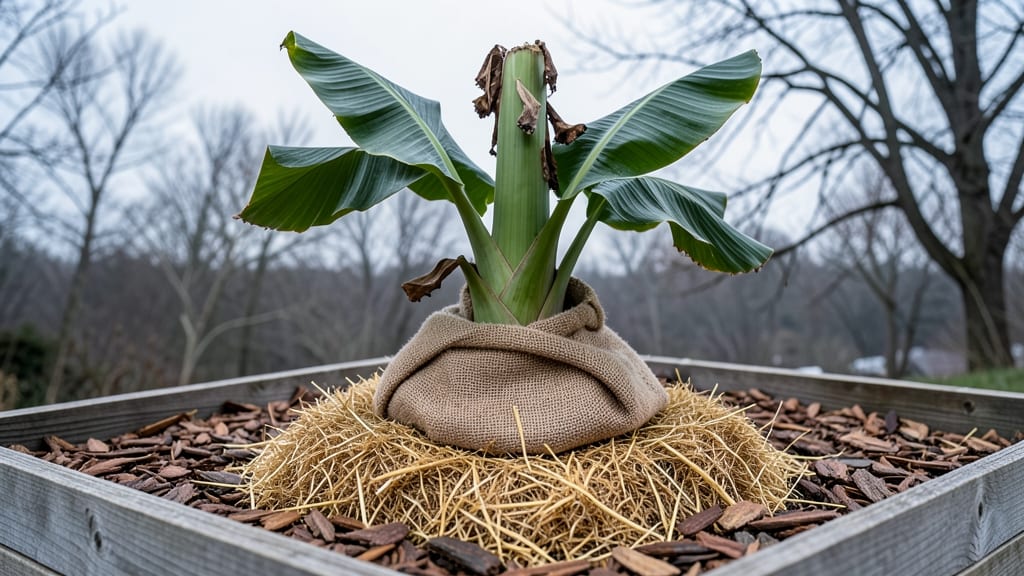
Mastering banana tree winter protection could mean the difference between a frost-killed plant and a burrito-wrapped survivor in freezing zones—here’s how I’ve done it in temps below 30°F. covering; it’s creating a microclimate that mimics the tropics.
You’ll need frost cloth, burlap, mulch, and a sturdy tarp—no fancy equipment, just smart layering. Potted banana trees get moved to garages or sheds, while in-ground plants need a thick mulch blanket to shield roots from freezing. My 3-year-old tree survived last winter’s 22°F dip using these exact steps.
By spring, you’ll see new fronds unfurling like nothing happened. The tree’s energy stays focused on growth, not recovery, and you avoid the heartbreak of a dead trunk. Even in harsh winters, this method keeps banana trees productive for years.
Works for both potted and in-ground plants, from Florida freezes to Pacific Northwest chills. Let’s get your tree through winter unscathed—here’s how to do it right.
📚 In This Guide
- What you need
- Instructions
- Tips and common mistakes
- Wrapping up and next steps
What you need
- ● Burlap or frost cloth: 10–20 ft (depending on tree size) – Use breathable fabric to protect leaves without trapping moisture.
- ● Twine or zip ties: 5–10 pieces – For securing wraps around the trunk and leaves.
- ● Straw or wood chips: 3–5 inches (depth) – Ideal for mulching the base (avoid pine straw; it’s too acidic).
- ○ Garden hose (optional): – For pre-winter watering adjustments.
- ● Pruning shears: 1 pair – Sterilized and sharp for trimming dead fronds.
- ● Pot (if relocating indoors): 1–2 sizes larger than current container – Ensure drainage holes are present.
- ● Potting mix: 5–10 gallons – Well-draining, peat-based blend for repotting.
- ● Insulated grow bags: 1–2 – For extra protection if temperatures drop below 20°F (-6°C).
- ● Mini greenhouse or cold frame: – Creates a microclimate for sensitive varieties.
- ● Plant heat mat: – If keeping the tree indoors near a drafty window.
- ● Thermometer: – Soil or air thermometer to monitor conditions (aim for above 50°F (10°C)).
- ● Fungicide spray: – Copper-based for post-winter prevention of mold or rot.
Step-by-step guide for protecting banana trees in cold climates
Here’s how I’ve kept my banana trees thriving through multiple winters—even in zones where frost is a real threat.
Assess Your Banana Tree’s Cold Tolerance and Prepare Early
Not all banana varieties handle cold equally. If you’re growing Musa acuminata or Musa balbisiana hybrids, they’ll tolerate down to 25°F with proper protection, but tropical species like Musa velutina can survive 15°F if mulched correctly. Start preparing when nighttime temperatures drop below 50°F—that’s usually 6-8 weeks before the first frost.
First, prune away any dead or weak fronds. I cut back to the pseudostem (the thick, false trunk) but leave the crown (the actual growing point) intact. This reduces the plant’s surface area, helping it retain heat. Watch for signs of stress like yellowing leaves—this is your cue to act quickly.
Layer Heavy Mulch Around the Base and Insulate the Crown
Spread 12-18 inches of organic mulch (like straw, pine needles, or shredded leaves) around the base of the plant, piling it higher against the pseudostem. The goal is to create a 10-12 inch thick barrier that insulates the roots from freezing temperatures. I use a mix of straw and wood chips because they decompose slowly and provide long-term protection.
Next, wrap the pseudostem loosely with burlap or cardboard to shield it from wind and cold. Secure it with twine, but don’t cinch it too tight—you want airflow to prevent rot. For extra protection, I’ve seen gardeners use burlap sacks filled with dry leaves tied around the crown. This method mimics the natural insulation of a thick forest floor.
Cover the Entire Plant with Frost Blankets or Row Covers
When temperatures drop below 32°F, it’s time to cover the banana tree completely. Use frost blankets or lightweight row covers secured with stakes or bricks to keep them from blowing off. Leave the top slightly open to allow heat to escape and prevent condensation buildup, which can lead to fungal issues.
For added warmth, I’ve draped clear plastic sheeting over the frost blanket during the coldest nights. This creates a mini greenhouse effect, trapping heat near the plant. Just remember to remove the plastic by mid-morning to prevent overheating. You’ll know it’s working if the air inside feels noticeably warmer than outside.
Monitor and Adjust Protection as Temperatures Shift
Check your banana tree every 2-3 days during cold snaps. If temperatures dip below 20°F, add an extra layer of mulch or a second frost blanket. Pay close attention to the crown—if it feels cold to the touch, it’s time to take action. I’ve found that a small space heater (safely placed 3 feet away) can make a big difference in extreme freezes.
If you notice ice forming on the leaves, gently brush it off to prevent damage. Ice buildup can weigh down fronds and cause them to snap. Also, avoid watering the plant during this time—wet foliage freezes faster and can lead to rot. Let the natural moisture in the mulch and soil protect the roots instead.
Gradually Remove Protection in Spring and Resume Care
Once daytime temperatures consistently stay above 50°F, start removing the frost blankets and plastic gradually. I remove the top layer first, then wait 3-5 days before uncovering the rest. This slow transition helps the plant adjust to the change in temperature and light.
After full removal, inspect the pseudostem and roots for any signs of damage. Healthy roots should feel firm and slightly moist, while damaged areas may appear mushy or discolored. If you see new growth emerging from the crown, that’s a great sign—your banana tree is ready to bounce back. Resume regular watering and fertilizing once the threat of frost has passed.
Tips & tricks for banana tree winter protection
Cold climates don't have to mean the end of your banana tree dreams—these battle-tested strategies will help you navigate winter with confidence.
Variety Matters: The 25°F tolerance for Musa acuminata and Musa balbisiana hybrids is your baseline, but tropical varieties like Musa velutina can handle down to 15°F when properly mulched. I've found that the key difference lies in their natural hardiness—hybrids have adapted to cooler climates through selective breeding, while tropical species need that extra insulation layer. If you're unsure about your variety, check with your local nursery or extension office for specific cold tolerance ratings.
Timing is Everything: Starting preparations when nighttime temperatures drop below 50°F—typically 6-8 weeks before the first frost—gives your banana tree the best chance to acclimate. This isn't just about the calendar; it's about watching for those early warning signs like yellowing leaves. I've learned the hard way that waiting until the first frost hits means playing catch-up, and your tree won't have time to adjust. Set reminders or use weather apps to track those temperature drops so you're always ahead of the game.
Insulation Layers Work Best: The 12-18 inches of organic mulch around the base creates a thermal blanket that's more effective than you might think. I've experimented with different materials and found that straw and wood chips work best because they decompose slowly, maintaining their insulating properties throughout the winter. For the crown, that burlap or cardboard wrap acts like a cozy sweater—just make sure it's not too tight. Too much restriction can actually trap moisture and lead to rot, which is the last thing you want during winter.
Monitoring is Non-Negotiable: Checking every 2-3 days during cold snaps is crucial, especially when temperatures dip below 20°F. This isn't just about adding extra layers—it's about assessing the overall health of your tree. I've seen cases where gardeners thought their protection was sufficient, only to find that ice buildup had damaged the fronds or that the crown was actually colder than expected. Keep a small thermometer nearby to check the temperature around your tree—it's the only way to know for sure if your protection is working as intended.
Pro Tips for Banana Tree Winter Protection
- Cold climates don't have to mean the end of your banana tree dreams—these battle-tested strategies will help you navigate winter with confidence.
- Variety Matters: The 25°F tolerance for Musa acuminata and Musa balbisiana hybrids is your baseline, but tropical varieties like Musa velutina can handle down to 15°F when properly mulched.
- Timing is Everything: Starting preparations when nighttime temperatures drop below 50°F—typically 6-8 weeks before the first frost—gives your banana tree the best chance to acclimate.
Frequently asked questions
Got questions about keeping your banana tree thriving through winter? You’re not alone! Here are answers to the most common concerns—whether you’re a first-time grower or a seasoned tropical plant enthusiast.
How cold can banana trees tolerate before needing protection?
Most banana trees (like the Musa acuminata varieties) struggle below 30°F (-1°C). If your zone drops to 25°F (-4°C) or lower, take protective measures like mulching, wrapping, or moving potted plants indoors. Cold-hardy varieties (e.g., Musa basjoo) can survive 15–20°F (-9 to -7°C) with proper care.
When should I start winterizing my banana tree?
Begin 4–6 weeks before the first frost (usually late summer/early fall). This gives roots time to adjust to cooler temps, and you’ll have enough time to cover plants, insulate pots, or construct windbreaks. Pro tip: Monitor your local weather—early frosts mean earlier action!
Can I keep a banana tree indoors during winter?
Yes! Potted banana trees thrive indoors with bright, indirect light (near a south-facing window) and humidity (use a pebble tray or humidifier). Reduce watering slightly—overwatering in low light causes root rot. If space is tight, prune leaves to 1/3 their size to conserve energy.
What if my banana tree’s leaves turn black or wilt after frost?
Blackened or mushy leaves are signs of cold damage. Prune affected foliage above the damage (use sterilized shears) to encourage new growth. Avoid fertilizing until spring—focus on watering at the base (not leaves) and protecting the pseudostem with burlap or frost cloth.
Are there affordable alternatives to expensive frost blankets?
Try these budget-friendly options:
- Burlap sacks or old towels: Wrap around the pseudostem and secure with twine.
- Cardboard boxes: Cut holes for airflow and place over the plant (remove during the day).
- Straw or dried leaves: Pile 12+ inches deep around the base for insulation.
- Plastic milk jugs: Cut the bottom off, invert over small plants, and fill with water (acts as a heat sink).
Will mulching alone protect my banana tree from hard freezes?
Mulching helps, but for hard freezes (below 20°F/-7°C), combine it with other methods:
- Use 6+ inches of organic mulch (straw, pine needles) around the base.
- Add a layer of bubble wrap or frost cloth over the pseudostem.
- Place a lightbulb or heat lamp nearby (safely!) for extra warmth.
Note: Mulch alone won’t prevent leaf damage in extreme cold—think of it as a first line of defense.
Wrapping up and next steps
Protecting your banana tree from winter’s chill doesn’t have to be a stressful task—with the right prep, your tropical friend can thrive even in colder climates! 🌱❄️ By choosing cold-hardy varieties, insulating roots, and using mulch or wraps, you’re giving your tree the best shot at bouncing back stronger.
Remember, consistency is key: monitor temperature shifts and adjust your efforts as needed.
Now that you’re armed with knowledge, take action this season! Start by assessing your banana tree’s needs and gather your supplies. Then, roll up your sleeves and give your plant the cozy care it deserves.
With a little effort, you’ll be rewarded with lush regrowth come spring—and maybe even some sweet fruit!