
Pruning
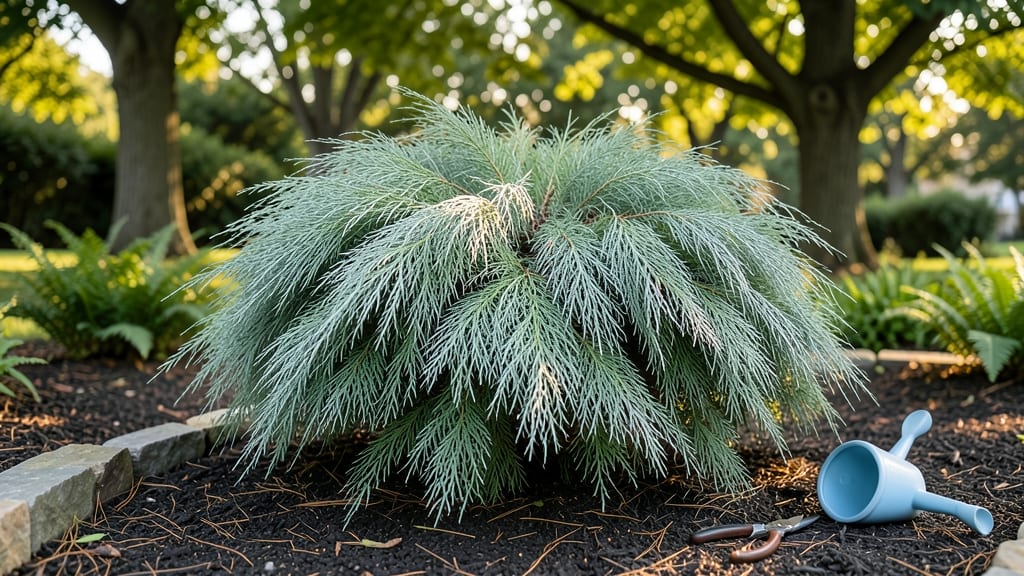
Growing a mini cypress tree like 'Golden Carpet' gives your garden instant structure and texture—no waiting for slow-growing shrubs. 🌿 I learned the hard way that these little powerhouses need specific care to stay compact and lush, not leggy and sparse.
The key lies in soil, sunlight, and pruning at the right times, which I’ll break down so you avoid my early mistakes.
These dwarf varieties thrive in well-draining soil with a touch of sand or gravel to prevent soggy roots—critical for their long-term health. Place them where they get 4-6 hours of sunlight daily, though they tolerate partial shade better than full sun.
Water deeply once a week (more in summer) and let the top inch of soil dry out between waterings to keep them from drowning.
Pruning isn’t just about shaping—it’s about encouraging that dense, mounded form they’re famous for. Trim back overgrown branches in early spring and lightly shape after summer growth.
With the right care, your mini cypress will stay 3-4 feet tall (or smaller, depending on the variety) and hold its shape year-round, even in winter.
They’re perfect for containers, borders, or as focal points in small gardens. Just watch for spider mites in dry spells and brown tips from winter winds—fixable issues once you know the signs. Let’s get yours thriving from day one.
📚 In This Guide
- What you need
- Instructions
- Tips and common mistakes
- Wrapping up and next steps
What you need
- ● Mini Cypress Tree: 1–3-year-old sapling (3–6 ft tall) from a nursery (choose Cupressus or Chamaecyparis species for compact growth).
- ● OR Seeds (if starting from scratch—soak overnight for faster germination).
- ● Well-draining soil: Mix equal parts peat moss, perlite, and sandy loam (pH 5.5–7.0).
- ● Container or garden bed: For bonsai-style: 5–10 gallon pot with drainage holes.
- ● For ground planting: Full sun spot with 3–6 ft spacing (check mature height!).
- ● Pruning tools: 1 pair bypass pruners (for clean cuts).
- ● 1 concave cutter (for thicker branches).
- ● 1 hand saw (if shaping large branches).
- ● Fertilizer: Slow-release balanced fertilizer (10-10-10 or 20-20-20) or organic compost.
- ● Mulch: 2–3 inches of pine bark or gravel (to retain moisture).
- ● Growth regulators: Paclobutrazol (to stunt height—ideal for bonsai!).
- ● Wire or clips: For shaping branches temporarily.
- ● Spray bottle: For misting seedlings or new growth.
- ● Rooting hormone: If propagating from cuttings.
- ● Decorative stones: To enhance the bonsai aesthetic.
Step-by-step guide to cultivating a perfectly shaped mini cypress tree
Here's how I keep these elegant trees looking lush year-round with minimal fuss.
🌱 Step 1: Choose the Right Location and Planting Spot
Mini cypress trees thrive in full sun to partial shade, with at least 6 hours of sunlight daily. I plant mine where they get morning sun and afternoon shade—this prevents leaf scorch in hot climates while still encouraging dense growth. The soil should drain well; cypress roots hate soggy feet.
Dig a hole twice as wide as the root ball but only as deep as the container it came in. This encourages roots to spread horizontally rather than settling too deep. Gently remove the tree from its container and loosen any circling roots with your fingers—this prevents girdling as the tree matures.
💧 Step 2: Water Deeply After Planting and Establish a Routine
Water the tree deeply right after planting—enough so water runs out the bottom of the hole. This settles the soil around the roots and eliminates air pockets. For the first 2 weeks, check the soil daily; it should stay evenly moist but not waterlogged. You'll know it's right when the top inch feels damp to the touch.
After the initial 2 weeks, reduce watering to once a week unless your area has extreme heat or drought. Overwatering causes yellowing needles, while underwatering leads to browning tips. Mulch around the base with 2-3 inches of organic mulch to retain moisture and regulate soil temperature.
✂️ Step 3: Prune for Shape and Health Twice a Year
Shape your mini cypress in late winter or early spring before new growth begins. Use sharp, clean pruners to trim back any leggy growth or branches that spoil the natural taper. I never cut more than 1/3 of the tree's height at once—this prevents shock and keeps the tree compact.
In mid-summer, do a light maintenance prune to remove any dead, diseased, or crossing branches. Always cut just above a leaf node or bud to encourage healthy regrowth. Avoid heavy pruning in fall or winter; the tree needs energy to recover before dormancy.
☀️ Step 4: Protect and Maintain Year-Round
In winter, if your area gets heavy snow or ice, gently brush off accumulation to prevent branch breakage. A light layer of burlap wrapped around the tree can shield it from harsh winds. Mini cypress trees are drought-tolerant once established, but a deep watering every 2-3 weeks keeps them thriving.
Fertilize in early spring with a balanced, slow-release fertilizer (10-10-10 ratio). Scatter the granules around the root zone and water deeply to activate them. Avoid high-nitrogen fertilizers—they promote leafy growth at the expense of the tree's elegant shape.
Tips & tricks for perfectly shaped mini cypress trees
These simple strategies will help your mini cypress stay lush and elegant all year long.
Sunlight Strategy: I’ve found that positioning your tree to catch morning sun and afternoon shade makes all the difference. This balance prevents the delicate needles from scorching in intense afternoon heat while still giving them enough light to grow full and vibrant. If you notice browning tips, it’s usually a sign of too much direct sun—adjust placement gradually over a few days.
Root Care: When planting, focus on getting that hole just right—twice as wide as the root ball but no deeper. This encourages roots to spread out horizontally, which is key for stability and nutrient absorption. I always loosen any circling roots with my fingers before planting; this prevents girdling as the tree matures and keeps it healthy for years.
Watering Wisdom: The first 2 weeks are critical—water deeply until it runs out the bottom of the hole, then check daily. After that, once a week is perfect unless you’re dealing with extreme heat or drought. I’ve learned the hard way that overwatering causes yellowing needles, while underwatering leads to those dreaded brown tips. Mulching with 2-3 inches of organic material helps regulate moisture and keeps roots cool.
Pruning Precision: Never cut more than 1/3 of the tree’s height at once—this prevents shock and maintains that elegant taper. I always prune in late winter or early spring before new growth begins, and again in mid-summer for maintenance. Cut just above a leaf node or bud to encourage healthy regrowth, and avoid heavy pruning in fall or winter when the tree needs to recover.
Pro Tips for Mini Cypress Tree
- These simple strategies will help your mini cypress stay lush and elegant all year long.
- Sunlight Strategy: I’ve found that positioning your tree to catch morning sun and afternoon shade makes all the difference.
- Root Care: When planting, focus on getting that hole just right—twice as wide as the root ball but no deeper.
Frequently asked questions
Got questions about keeping your mini cypress tree thriving? Here are some of the most common ones—and their easy answers!
How often should I prune a mini cypress tree?
Prune your mini cypress tree once a year, ideally in late winter or early spring (before new growth starts). Light trimming to shape it can happen anytime, but avoid heavy cuts in fall—this can stress the tree before winter. Use sharp, sterilized shears for clean cuts!
Can I grow a mini cypress tree indoors?
Mini cypress trees thrive indoors with bright, indirect light (like near a south-facing window). Keep humidity up (mist occasionally or use a pebble tray) and water when the top inch of soil feels dry. Just avoid drafts—these trees love stable, cool conditions (60–70°F).
How do I protect my mini cypress from winter damage?
If outdoors, wrap the tree in burlap or frost cloth and mulch the base to insulate roots. For container-grown trees, move them to a sheltered spot (like a garage or under an eave) before temps drop below 20°F. Avoid pruning in winter—wait until spring to assess any frost damage.
Why is my mini cypress turning brown?
Brown tips or needles usually mean overwatering, underwatering, or low humidity. Check the soil—it should stay evenly moist but not soggy. Brown patches on branches could signal sunburn (move it to indirect light) or pests (inspect for spider mites or aphids). Adjust care and monitor for improvement!
What’s a good alternative if I can’t find a mini cypress?
Try these low-maintenance, compact evergreens:
- Dwarf Alberta Spruce – Cold-hardy and slow-growing.
- Italian Cypress (Hillspire®) – Narrow and upright, great for containers.
- Dwarf Hinoki False Cypress – Soft texture, thrives in shade.
- Boxwood (e.g., ‘Green Mountain’) – Dense and versatile.
Wrapping up and next steps
Growing a stunning mini cypress tree is all about patience, precision, and a little love! With the right pruning techniques, you’ll enjoy its lush, year-round shape and vibrant growth. Whether you’re trimming for aesthetics or health, remember that consistency is key—small, regular adjustments will yield the best results over time.
Ready to take your green thumb to the next level? Start small: pick one pruning task this week—maybe shaping those delicate branches or removing overgrown foliage—and watch your mini cypress thrive! 🌿✨