
Pruning
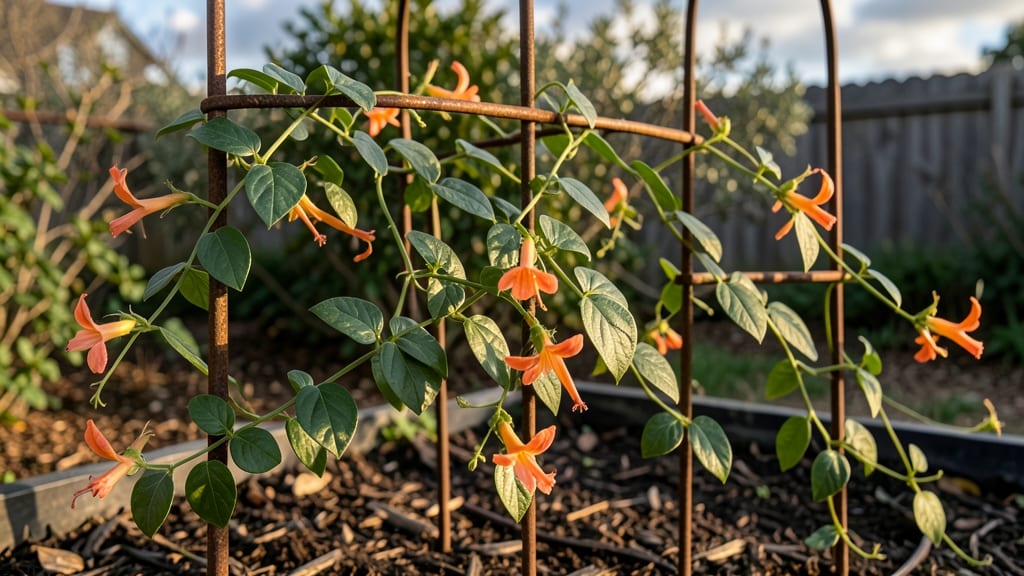
Your honey suckle tree thrives when pruned right—every season matters. 🌿 I’ve learned the hard way that skipping even one pruning window can turn those lush vines into a tangled mess. The key isn’t just cutting back; it’s timing it with the tree’s natural growth cycles.
Start with the basics: sharp pruners, a ladder, and a clear plan. You’ll focus on three main cuts—spring, summer, and late winter—each serving a different purpose. Spring pruning opens the canopy for sunlight, summer trims encourage bushier growth, and winter’s deep clean sets the stage for next year’s blooms.
By following this calendar, you’ll end up with a tree that’s disease-resistant, blooms profusely, and grows strong for decades. The fragrance alone—especially when those trumpet-shaped flowers burst open—makes the effort worth it. Let’s get into the details so you never miss a step.
Whether you’re dealing with a young sapling or a mature vine, this approach works for all honey suckle varieties. The same principles apply whether you’re pruning in a suburban yard or a rural landscape. Ready to transform tangled vines into a fragrant, healthy showpiece?
📚 In This Guide
- What you need
- Instructions
- Tips and common mistakes
- Wrapping up and next steps
What you need
- ● Pruning shears: Bypass pruners (for cuts under ½ inch) – 1 pair (sharp, high-quality, like Felco or Fiskars).
- ● Loppers: For branches ½ to 2 inches thick – 1 pair (long-handled for reach).
- ● Pruning saw: For thick branches (2+ inches) – 1 saw (bow or pruning-specific).
- ● Gloves: Heavy-duty gardening gloves – 1 pair (to protect from thorns and sap).
- ● Disinfectant: 70% rubbing alcohol or bleach solution (1 part bleach to 9 parts water) – small spray bottle (to sterilize tools between cuts).
- ○ Tarp or drop cloth: To collect debris – 1-2 large sheets (optional but helpful!).
- ● Extension pole: For high branches – 1 pole (with pruning attachments).
- ● Rake or broom: To clear fallen leaves/debris – 1 tool.
- ● Tree wound dressing: Pruning sealant (controversial but handy for large cuts) – small tube.
- ● Notebook & pen: To track pruning dates and notes – 1 notebook (for long-term planning!).
- ● Check local regulations—some areas restrict pruning during nesting seasons (typically spring).
- ● Review your honey suckle tree’s growth habits (e.g., deciduous vs. evergreen varieties).
- ● Gather weather updates—prune on a dry, overcast day to reduce stress on the tree.
Step-by-Step guide for pruning honey suckle trees
Healthy growth starts with the right cuts at the right time—here's how to keep your honey suckle thriving year-round.
✂️ Step 1: Late Winter Pruning (Before Bud Break)
This is the most important pruning time for honey suckle trees. Aim for late February to early March, just as buds begin to swell but before any new growth appears. You'll see the buds plump and ready—don't wait until they burst open.
Remove any dead, diseased, or crossing branches first. Cut back to the nearest outward-facing bud using clean, sharp pruners. I like to make my cuts at a 45-degree angle, about ¼ inch above the bud—this prevents water from pooling and rotting the wound. For larger branches, make the cut just outside the branch collar to encourage faster healing.
Thin out crowded branches to improve air circulation. Honey suckle trees respond well to this early pruning, and you'll see vigorous new growth within weeks. If you have a very large tree, consider removing up to 25% of the total canopy—this stimulates bushier growth and better flowering.
☀️ Step 2: Post-Flowering Summer Pruning (June-July)
After your honey suckle finishes flowering, give it a light pruning to maintain shape and encourage next year's blooms. Look for branches that grew too long or are growing inward. These are easy to spot—they'll be the ones stretching toward the center of the tree or growing at odd angles.
Remove any suckers that appear at the base of the tree. These are aggressive new shoots that drain energy from the main plant. Cut them off at the ground level immediately. For the main branches, make clean cuts just above a leaf node or bud. You don't need to be overly aggressive here—just enough to keep the tree looking balanced.
This is also a good time to check for any signs of disease or pest damage. If you see any branches with holes, discoloration, or unusual growths, prune those out completely. Dispose of any infected material in the trash, not your compost bin—honey suckle trees are susceptible to fungal issues if you're not careful.
⏰ Step 3: Light Fall Cleanup (October-November)
As temperatures drop and leaves begin to change color, do a final light pruning to remove any dead or weak branches. You won't see much new growth at this point, but removing these branches prevents them from becoming a burden on the tree during winter.
Focus on branches that died back during the growing season. They'll be easy to spot—they'll have no leaves and might even look shriveled. Cut these back to healthy wood. Also, remove any branches that are rubbing against each other, as this can create wounds that invite disease.
This final pruning helps the tree enter dormancy in good shape. It's a smaller job than the winter pruning, but it's just as important for keeping your honey suckle healthy through the colder months. Avoid heavy pruning now—you want the tree to focus on storing energy for next spring.
🌿 Step 4: Winter Maintenance (December-February)
While your honey suckle tree is dormant, keep an eye out for any branches that might have been damaged by ice or snow. If you see any broken branches, prune them back to the nearest healthy growth as soon as the weather allows. This prevents further damage and keeps the tree looking tidy.
This is also the time to plan your pruning strategy for the coming year. Take a few minutes to walk around your tree and assess its shape. Note any areas that need more light or where branches are growing too close together. Having a plan in mind makes the late winter pruning much easier.
If you have any tools that need sharpening or repairing, now's the time to do it. Sharp pruners make clean cuts that heal faster, and dull tools can damage branches. A little maintenance now ensures you're ready to go when spring arrives and it's time to get back to work.
Tips & tricks for perfect honey suckle tree pruning
Keeping your honey suckle tree thriving doesn't require complicated techniques—just a few key strategies applied at the right time.
Timing is Everything: The late February to early March window for Step 1 is critical because this is when your tree's energy is still dormant but ready to respond. If you miss this window and buds start swelling, you risk removing next year's flower buds along with the dead branches. I've learned this the hard way—waiting too long means sacrificing potential blooms for the season.
Cutting Technique Matters: When pruning in Step 1, always make your cuts just outside the branch collar (that little swollen area where the branch meets the trunk). This is where the tree's natural healing process begins. I see so many people making cuts too close to the trunk or leaving stubs, which creates entry points for disease. For larger branches, use three small cuts to avoid tearing the bark—this is called the "three-cut method."
Sucker Control Strategy: In Step 2, those aggressive suckers at the base of your tree are like little energy vampires—they drain nutrients that could be going to your main tree structure. I recommend cutting them off at ground level immediately, but don't just toss them in your yard waste. These suckers often root and grow into new trees, creating more work for you later. Consider composting them instead, where they'll break down harmlessly.
Seasonal Pruning Balance: The fall cleanup in Step 3 should be minimal—think of it as a final tidying up before winter. Heavy pruning now disrupts the tree's ability to store energy for next spring. I've seen people overdo it in fall and end up with weak growth the following year. Focus only on removing dead wood and branches that could cause damage during winter storms.
Pro Tips for Honey Suckle Tree
- Keeping your honey suckle tree thriving doesn't require complicated techniques—just a few key strategies applied at t...
- Timing is Everything: The late February to early March window for Step 1 is critical because this is when your tree's...
- Cutting Technique Matters: When pruning in Step 1, always make your cuts just outside the branch collar (that little ...
Frequently asked questions
Got questions about keeping your honey suckle tree thriving with the perfect pruning schedule? Here are answers to the most common concerns—plus pro tips to avoid mistakes!
When is the best time to prune a honey suckle tree?
The ideal time is late winter or early spring (just before buds swell) to remove dead wood and shape the tree. For light trimming, fall works too—but avoid heavy cuts then, as it can stimulate late-season growth vulnerable to frost damage. Pro tip: Never prune during active blooming (spring/summer) to preserve flowers and fruit!
How much can I trim back a honey suckle tree?
You can safely remove up to 25-30% of the tree’s foliage in one session, but avoid aggressive cuts that expose the trunk or leave stubs. For mature trees, never remove more than 1/3 of the canopy per year. Over-pruning stresses the tree—think of it as a haircut: gradual shape, not a buzz cut!
What do I do if my honey suckle tree isn’t blooming after pruning?
If flowers are missing, check your timing: Prune too late in spring (after buds form) and you’ll cut off next year’s blooms! Also, ensure the tree gets full sun (6+ hours/day) and well-draining soil. Fix it: Lightly prune in late winter next year and fertilize with high-phosphorus food to encourage flowering.
Can I prune a honey suckle tree in summer?
Yes, but only for safety or disease removal—never for shaping. Summer pruning can stress the tree and reduce next year’s blooms. If you must trim, do it early morning on a cool day to minimize shock. Wait until fall or late winter for major work—your tree will thank you!
What’s the difference between pruning a honey suckle tree and other fruit trees?
Honey suckle trees (like Lonicera varieties) are less formal than apples or peaches—focus on removing dead wood, thinning crowded branches, and opening the center for airflow. Unlike stone fruits, they don’t need annual heavy cuts; a light touch every 1–2 years keeps them happy. Key rule: Prioritize health over shape!
Wrapping up and next steps
Pruning your honey suckle tree doesn’t have to be a seasonal chore—with this year-round calendar, you’ll keep it thriving while minimizing stress! 🌿 From light maintenance in winter to bold shaping in spring, each step ensures your tree stays lush, productive, and pest-resistant.
Remember, consistency is key, and a little effort now means fewer surprises later.
Ready to take action? Grab your pruners, dust off that ladder, and start with a quick health check this week! Your honey suckle tree will thank you with vibrant blooms and sweet rewards for years to come. Happy pruning! 🌸✂️