
Pruning
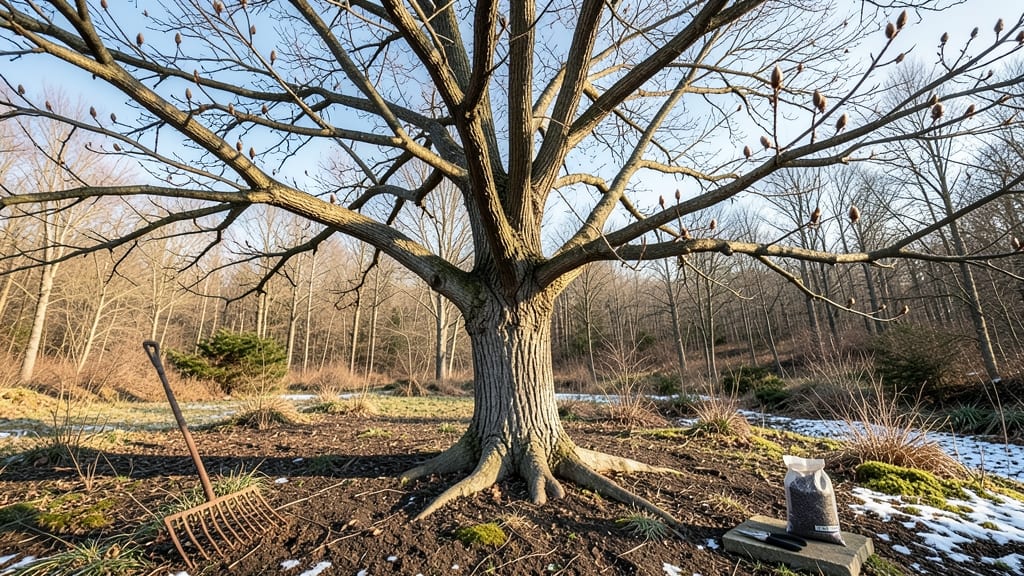
Winter pruning your maple tree isn’t just possible—it’s the secret to stronger branches and bigger buds next spring. ✂️ I learned this the hard way after seeing my trees struggle with weak growth after summer cuts.
The key? Pruning while the tree is dormant lets you shape without stressing it, and the right cuts now mean fewer surprises when leaves return.
Your tools are simple: clean, sharp pruners, a ladder if branches are high, and a clear day when temps are above freezing. Focus on removing dead wood first—those brittle, gray branches that snap like twigs.
Then, thin out crowded limbs to improve airflow, which cuts down on disease risk. Think of it as giving your tree a winter haircut for better spring energy.
What you’ll end up with is a tree that sends out fresh, vibrant growth in spring—thicker stems and fuller canopies. The cuts heal faster in cold weather, and you avoid the sap bleeding that summer pruning triggers.
Plus, fewer branches means easier snow removal next winter. It’s a win-win for both you and the tree.
Works for all maple types—sugar, red, or silver—just adjust timing based on your zone. In colder areas, wait until late winter when frost risk has passed. Here’s how to do it right without overcomplicating things.
📚 In This Guide
- What you need
- Instructions
- Tips and common mistakes
- Wrapping up and next steps
What you need
- ● Pruning shears (bypass pruners) – Sharp, high-quality shears (e.g., Felco or Corona) with a 6-8 inch blade for clean cuts.
- ● Loppers – For branches ½ to 1½ inches thick (e.g., Fiskars or Bahco).
- ● Pruning saw – For thicker branches (2+ inches). Choose a curved blade for ease.
- ● Extension pole pruners – For high branches (10-30 feet reach).
- ● Disposable gloves – Heavy-duty work gloves (e.g., Mechanix or garden gloves) to protect hands from splinters and sap.
- ○ Ladder or lift (optional but helpful) – Sturdy, extendable ladder (e.g., aluminum or fiberglass) rated for your height needs.
- ○ Pruning sealant (optional but recommended) – For large cuts (e.g., Tanglefoot Tree Wound Pruning Sealant).
- ● Disinfectant (70% isopropyl alcohol or bleach solution) – To sterilize tools between cuts and prevent disease spread.
- ● Heavy-duty trash bags – For collecting and disposing of pruned branches.
- ● Safety gear – Safety glasses, long sleeves, and closed-toe shoes to protect from falling debris.
- ● Marking spray or paint – To tag branches for removal before cutting.
- ● Tree wound dressing (controversial but some swear by it) – For large cuts (e.g., arborist’s putty).
- ● Binoculars or spotting scope – For inspecting high branches without climbing.
- ● First-aid kit – Just in case of minor cuts or scrapes.
Step-by-step guide for pruning maple trees in winter
Here's how I make winter pruning simple and effective for healthier trees.
✂️ Step 1: Choose the Right Time and Tools
Prune during dormant season—between late fall and early spring—when the tree has no leaves and before new growth begins. This is when maples heal fastest. I always prune on a dry, frost-free day when temperatures stay above 40°F to avoid stressing the tree.
Grab your sharp bypass pruners for branches under ½ inch thick and a pruning saw for thicker branches. I also keep rubbing alcohol and disinfectant spray handy to clean tools between cuts—this prevents spreading disease between branches. Wear gloves and sturdy shoes too; maple branches can be heavy and sharp.
🌿 Step 2: Identify and Remove Dead or Damaged Wood
Start by scanning the tree for dead, diseased, or broken branches. Dead wood is usually gray or brown, brittle, and snaps easily when bent. Diseased branches may have black spots, oozing sap, or fungal growth. Remove these first—they’re no longer supporting the tree and can spread problems.
Cut back to the branch collar (the swollen area where the branch meets the trunk). Never leave a stub; it traps moisture and invites rot. If a branch is too large to cut cleanly, make a notch on the underside first, then follow through on top. This prevents tearing the bark.
🌱 Step 3: Thin the Canopy for Better Airflow
Next, focus on thinning the canopy to improve light penetration and airflow. Look for branches that cross or rub against each other—they’ll eventually damage each other as they grow. Also remove water sprouts (fast-growing, vertical shoots) and suckers (shoots growing from the base or roots).
I aim to remove no more than 20-25% of the tree’s foliage in one season. Over-pruning stresses the tree, especially maples, which are sensitive to heavy cuts. Make cuts just outside the branch collar at a 45-degree angle to allow water to run off and prevent rot.
☀️ Step 4: Shape the Tree for Balance and Structure
Now’s the time to refine the tree’s shape while it’s dormant. Step back and visualize how the branches will fill out in spring. Remove branches that grow straight up (they’ll compete with the leader) or too close to the trunk (they’ll choke the main stem).
For maples, I focus on opening the center of the tree to let light reach the inner branches. This prevents a dense, shaded interior where pests and disease thrive. Avoid topping (cutting the top flat)—it creates ugly stubs and weak regrowth. Instead, prune to a natural branch or bud to encourage healthy growth.
⏰ Step 5: Clean Up and Monitor for Spring
After pruning, remove all debris from the ground around the tree. Burn or bag large branches (don’t compost diseased wood). Clean your tools with rubbing alcohol to kill any lingering pathogens. This keeps your tree—and future pruning sessions—disease-free.
Watch for new growth in early spring, which signals the tree is recovering well. If you see yellowing leaves, wilting, or excessive sap bleeding, you may have pruned too aggressively. Water deeply if the ground is dry, but avoid overwatering—maples prefer well-drained soil. Next winter, repeat the process, focusing on any new issues that arise.
Tips & tricks for perfect maple tree winter pruning
Winter pruning might seem intimidating, but these simple tricks will help you confidently shape your maple tree for a healthier spring.
Timing is Everything: The dormant season between late fall and early spring is your perfect window—just make sure temperatures stay above 40°F to prevent stress. I've learned this the hard way: pruning in cold snaps can shock the tree, so always check the forecast. A dry day is ideal too; wet branches are slippery and harder to handle safely.
Tool Prep Makes All the Difference: Before you start, sharpen your bypass pruners and clean them with rubbing alcohol between cuts. I keep a small bottle of disinfectant spray in my tool bag—it's a game-changer for preventing disease spread. For branches over ½ inch thick, a pruning saw is essential. Don't skip this step; dull tools tear bark and create wounds that take forever to heal.
Branch Collar Matters More Than You Think: When removing branches, always cut just outside the branch collar—the swollen area where the branch meets the trunk. This is where the tree's natural healing begins. I've seen too many pruning jobs leave ugly stubs that rot over time. For large branches, make a notch on the underside first to guide your cut and prevent bark tearing.
Visualize the Future Shape: Step back and imagine how your tree will look in spring. Remove branches that grow straight up (they compete with the leader) or too close to the trunk (they choke growth). Focus on opening the center to let light reach inner branches—this prevents that dense, shaded interior where pests love to hide. Think of it as creating an airy, balanced silhouette.
Pro Tips for Maple Tree In Winter
- Winter pruning might seem intimidating, but these simple tricks will help you confidently shape your maple tree for a healthier spring.
- Timing is Everything: The dormant season between late fall and early spring is your perfect window—just make sure temperatures stay above 40°F to prevent stress.
- Tool Prep Makes All the Difference: Before you start, sharpen your bypass pruners and clean them with rubbing alcohol between cuts.
Frequently asked questions
Got questions about pruning your maple tree in winter? You’re not alone—many gardeners wonder about timing, techniques, and what to avoid. Here are some of the most common concerns, answered clearly to help you prune with confidence!
When is the absolute best time to prune a maple tree in winter?
Prune your maple tree during its dormant season—typically late fall (after the first frost) through early spring (before buds swell). Aim for January to March in most regions. This minimizes stress, reduces disease risk, and promotes vigorous spring growth. Avoid pruning in extreme cold or wet conditions.
Can I prune a maple tree if it’s covered in snow or ice?
No, wait until the snow melts and the ground isn’t frozen. Pruning while the tree is snow-covered or icy can damage branches or introduce harmful bacteria. If you must work around ice, use a pole saw carefully—but prioritize safety over urgency. Patience now means healthier growth later!
Why do some maple trees “bleed” sap when pruned in winter?
Maple trees (especially sugar maples) may bleed sap when pruned in late winter or early spring. While this isn’t harmful, it’s a sign the tree is waking up. To minimize sap loss, prune before buds break (late winter) and avoid cutting into large branches. Seal cuts only if the tree is stressed or in a harsh climate.
What should I do if I accidentally prune too much?
Don’t panic! If you’ve removed more than 25% of the canopy, the tree may struggle. Focus on smaller cuts in future winters to avoid over-stressing it. Water deeply after pruning, and monitor for signs of stress (yellowing leaves, weak growth). For severe over-pruning, consult a certified arborist.
Are there alternatives to winter pruning for maple trees?
While winter is ideal, you can prune in early summer (after leaf flush) if needed—just avoid heavy cuts. However, summer pruning may encourage suckering or weak growth. For maples prone to disease (like silver maples), winter pruning is still the gold standard for long-term health.
Wrapping up and next steps
Winter is the perfect time to give your maple tree the care it deserves—pruning now can set the stage for vibrant spring growth and long-term health. 🌿 By following dormant season secrets, like avoiding sap bleeding and shaping with precision, you’re not just trimming branches—you’re investing in a stronger, more resilient tree.
So grab your tools, step outside, and make this winter the season your maple tree thrives!
Ready to take action? Mark your calendar for late winter (just before buds swell)—that’s when your tree will reward you with the best results. Happy pruning!