
Pruning
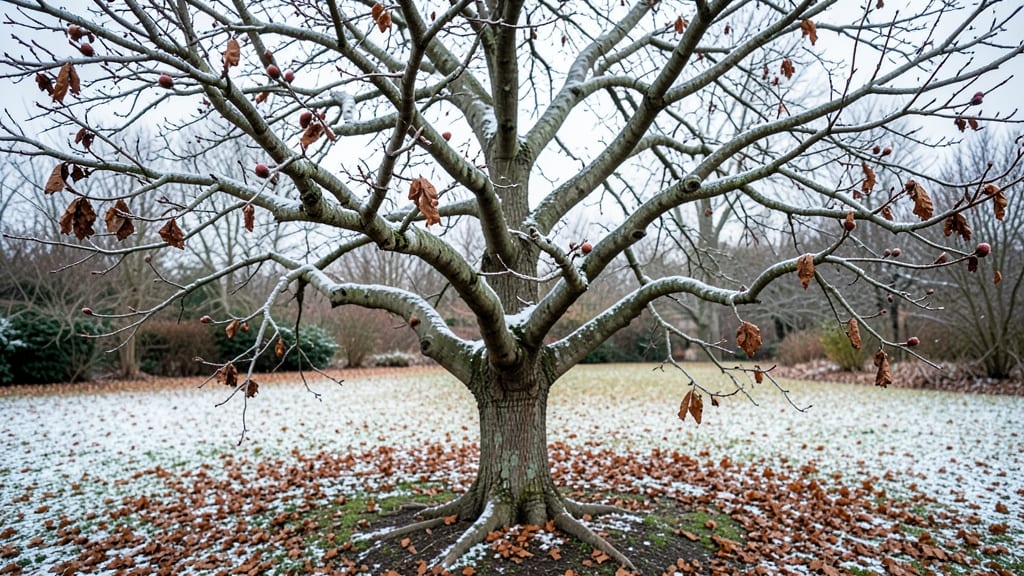
Winter pruning your crabapple tree is the secret weapon for explosive spring blooms. ✨ I’ve watched my neighbor’s tree struggle for years—until I learned the dormant-season technique that transforms weak growth into a vibrant, productive canopy by May.
The key isn’t just cutting branches; it’s timing, tools, and knowing which limbs to leave alone until spring.
Most gardeners wait until late winter when the ground is workable but before buds swell—mid-February to early March in most zones. You’ll need sharp pruners, a ladder (for higher branches), and a bucket to collect debris.
The goal? Open the center of the tree to sunlight and air, removing dead, crossing, or weak limbs first. Every cut should aim at a bud or branch collar to heal cleanly.
What you’ll end up with is a tree that bursts into bright pink or red blossoms weeks ahead of schedule, with fewer pests and diseases clinging to last year’s wood.
The structure stays strong, and you avoid the shock of summer pruning. Even better? Less cleanup next fall when leaves drop.
This method works for all crabapple varieties—from ‘Royalty’ to ‘Adirondack’—and adapts to urban or rural settings. Just avoid pruning on frost days, and you’re golden. Let’s get those branches shaped for next year’s showstopper blooms.
📚 In This Guide
- What you need
- Instructions
- Tips and common mistakes
- Wrapping up and next steps
What you need
- ● Pruning shears: Bypass pruners (sharp, 6–8" blades) for small branches (¼" thick). Must be clean and sanitized (70% isopropyl alcohol or bleach solution).
- ● Loppers: 1 pair (18–24" handles) for medium branches (½–1½" thick). Look for ratcheting or bypass types for precision.
- ● Pruning saw: 1 curved-tooth saw (for branches >1½" thick). Pro tip: 💡 A folding saw saves space!
- ○ Extension pole: 3–6 ft telescoping pole (for high branches). Optional but handy: A harness or rope for stability.
- ● Disposable gloves: 1–2 pairs (nitrile or leather, garden-grade for grip and protection).
- ○ Tree wound dressing: 1 small tub of pruning sealant (optional but recommended for cuts >½"). Skip if using modern, no-dressing techniques.
- ● Clean rags or paper towels: For wiping tools between cuts (prevents disease spread).
- ● Bucket or trash bag: For collecting debris (5+ gallon size).
- ● Safety gear: Safety glasses (to shield from debris) and ear protection (if using a chainsaw for large limbs).
- ● Ladder: Sturdy, extension ladder (rated for your height + tree size). ⚠️ Safety first: Have a spotter if working alone!
- ● Marking twine or flags: For tagging branches to remove (helpful for complex pruning plans).
- ● Tree growth regulator: 1 bottle of dormant oil spray (applied post-pruning to deter pests).
- ● First-aid kit: Bandages and antiseptic wipes (just in case!).
- ● Weather check: Prune on a dry, calm day (avoid frost or rain within 24 hours). Ideal temps: 40–60°F.
- ● Tree health: Inspect the crabapple for disease or pests (e.g., fire blight, scale). Treat before pruning if needed.
- ● Plan ahead: Sketch a pruning map (or use a phone app like iTree) to visualize cuts.
- ● Sanitation: Sterilize tools before and after (bleach solution: 1 part bleach to 9 parts water).
Step-by-step guide to pruning crabapple trees in winter
Here’s the proven method I use to shape my crabapple trees for vibrant spring blooms.
✂️ Step 1: Time Your Pruning for Dormancy
Prune your crabapple tree during its dormant season, typically between late winter and early spring—just before buds swell but before new growth begins. This timing reduces stress on the tree and minimizes disease risk. I target February to March in most climates, but adjust for your zone: wait until temperatures consistently stay above 20°F at night.
Real talk: if you prune too early, cold snaps can damage exposed cuts. If you wait too late, you’ll encourage early growth that may get nipped by frost. Watch for bud swell—that’s your cue the tree is waking up and needs to stay undisturbed.
✂️ Step 2: Gather Tools and Sanitize for Safety
Use sharp, clean pruning tools—a bypass pruner for branches under ½ inch thick, and loppers for ½ to 2 inches, with a pruning saw for anything thicker. I always sanitize my tools with 70% rubbing alcohol or a 10% bleach solution before and after pruning to prevent spreading disease between cuts.
Inspect your tools for rust or dull edges—dull blades tear wood, inviting infections. A clean cut at a 45-degree angle heals faster than a jagged one. Lay out a tarp beneath the tree to catch debris and make cleanup easier.
🌿 Step 3: Remove Dead, Diseased, or Crossing Branches First
Start by identifying and removing dead, diseased, or damaged wood—these are the weak links that can spread problems to healthy branches. Look for brown, brittle branches or those with peeling bark or fungal growth. Cut these back to the collateral bud (a side bud just below the damage) to encourage outward growth.
Next, target crossing or rubbing branches—these create wounds where bark wears away, inviting pests and disease. Remove one of the two branches entirely, cutting just outside the branch collar (the swollen area where the branch meets the trunk). This ensures the tree can seal the wound naturally.
☀️ Step 4: Thin the Canopy for Light and Airflow
Step back and visualize the tree’s shape—you want an open center that lets sunlight reach the inner branches. Remove up to 25% of the canopy by selectively pruning branches that grow inward or downward. Focus on thinning out rather than just topping—never cut more than ¼ of the tree’s total foliage in one season.
For each cut, aim to open up the canopy by removing branches that block light from reaching the center. You’ll see better fruit production and fewer pest issues come spring. Avoid "lion’s tailing" (cutting back to a stub)—always prune to a bud or branch collar.
⏰ Step 5: Shape and Clean Up
Now refine the tree’s natural shape by pruning to encourage outward growth. Cut back suckers (shoots growing from the base or roots) and water sprouts (vertical shoots with no branches). These drain energy from the main structure. For larger branches, make your cut just outside the branch collar at a 45-degree angle to prevent water from pooling.
After pruning, collect and dispose of all debris—burn it if possible, or bag it for trash pickup to prevent disease spread. Apply a wound sealant (like pruning paint) only to cuts larger than ½ inch—smaller cuts heal better on their own. Water the base of the tree deeply to help it recover.
Tips & tricks for perfect crabapple tree winter pruning
Winter pruning transforms your crabapple tree into a stronger, more vibrant specimen—here's how to avoid the most common pitfalls and maximize results.
Timing is Everything: The February to March window is critical because it balances dormancy with bud swell. In colder zones, wait until nighttime temperatures consistently stay above 20°F—this prevents frost damage to fresh cuts. I've seen trees stressed by early pruning when unexpected cold snaps hit, so always check your local weather forecast before starting. The bud swell test is foolproof: if buds are beginning to plump up, it's time to stop pruning.
Tool Precision Matters: Your bypass pruner should cut like butter—not tear the bark. I've ruined three pruning sessions using dull tools that created jagged wounds, inviting fungal infections. Before each cut, test your tools on a small branch to verify they're sharp. For branches between ½ to 2 inches, loppers provide the leverage you need without straining your wrist. Remember: clean cuts heal faster and look more professional.
Visualizing the Canopy: Step back and imagine sunlight streaming through your tree's center. The goal is to remove branches that create a "wall effect" blocking light from reaching the inner branches. I use a simple trick: if I can't see through the center of the tree when standing 10 feet away, there's still work to do. Focus on removing branches that grow inward or downward—these are the ones that create dense, shaded areas where pests thrive.
Pro Tips for Crabapple Tree Winter
- Winter pruning transforms your crabapple tree into a stronger, more vibrant specimen—here's how to avoid the most common pitfalls and maximize results.
- Timing is Everything: The February to March window is critical because it balances dormancy with bud swell.
- Tool Precision Matters: Your bypass pruner should cut like butter—not tear the bark.
Frequently asked questions
Got questions about winter pruning your crabapple tree? You’re not alone!
Here are the most common concerns—and expert answers to help you prune with confidence this dormant season.
When is the absolute best time to prune a crabapple tree in winter?
Prune your crabapple tree during its dormant season—typically between late winter (after the worst cold snaps) and early spring before buds swell. Aim for January to March in most climates. This timing minimizes stress, reduces disease risk, and lets the tree focus energy on spring growth.
Can I prune a crabapple tree if it’s still covered in snow or ice?
Wait until the snow melts and the ground thaws! Pruning in icy or frozen conditions can damage branches or introduce bacterial infections through fresh cuts. If you’re in a heavy-snow region, prioritize pruning after the last frost but before sap starts flowing. Patience pays off! →
How much can I safely remove during winter pruning?
Aim to remove no more than 25% of the tree’s canopy in a single session. For crabapples, focus on:
- Dead, diseased, or crossing branches
- Suckers or water sprouts
- Overcrowded growth to improve airflow
Why do my crabapple tree’s cuts ooze sap in winter? Is this normal?
Yes! Crabapple trees bleed sap in late winter/early spring due to rising sap pressure—it’s a natural (but messy) process. To minimize it:
- Prune earlier in winter (Dec–Jan)
- Avoid thick branches (cut in stages if needed)
- Seal cuts with pruning sealant only if the tree is disease-prone
What’s a good alternative if I miss winter pruning?
If you skip winter pruning, don’t panic! You can still prune in early spring (March–April) before leaves emerge, but time is limited. For major structural work, winter is ideal—but light maintenance (removing deadwood or pests) can wait until summer. Just avoid pruning after June to prevent staghorn growth (weak, upright shoots).
Wrapping up and next steps
Winter is the perfect time to shape your crabapple tree’s future! By following this dormant-season blueprint, you’ve armed yourself with the knowledge to prune for healthier branches, vibrant blooms, and stronger spring growth. 🌿✨ The key? Timing, technique, and tools—all tailored to your tree’s unique needs.
Now that you’re ready, grab those pruners and take action! Start small—even a single branch can make a difference. For extra confidence, review the FAQs or consult a local arborist. Your crabapple’s spring reward? A showstopping canopy that’ll turn neighbors green with envy.