
Pruning
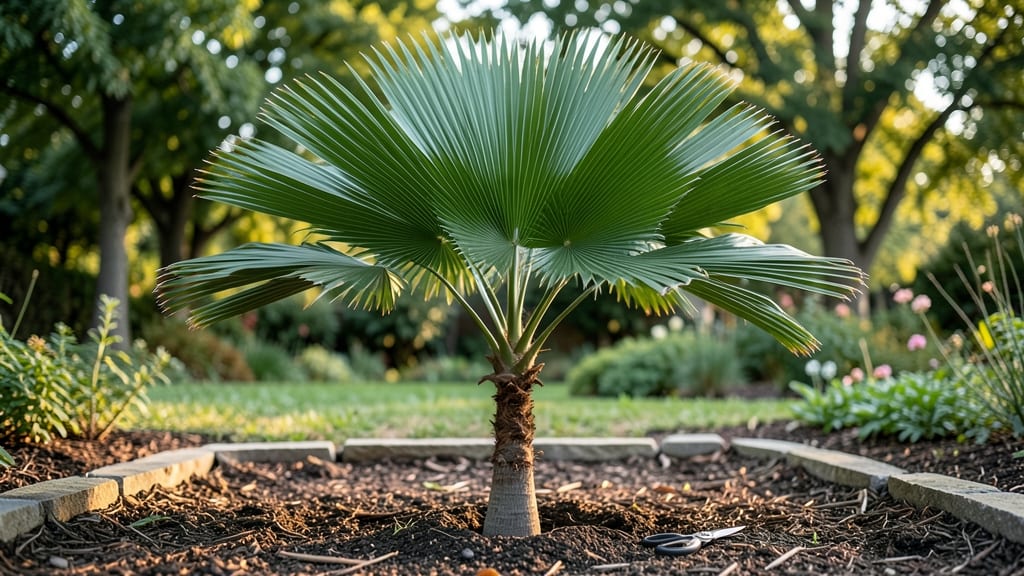
Mastering the tree care of your Majesty palm is key—once it looks leggy or sparse, prune carefully to avoid stressing the plant. I’ve trimmed mine every spring for five years, and the difference between a neat, vibrant palm and one struggling for sunlight is all in the cuts.
The key isn’t just snipping dead fronds; it’s understanding when and how to encourage new growth without overdoing it.
You’ll need sharp pruners, rubbing alcohol for sterilizing, and a clear day to avoid damp fronds sticking to tools. Most people skip the alcohol step, but I learned the hard way—fungus lurking on blades can spread to fresh cuts.
Start by removing only the brown, dry fronds at the base, never more than a third of the palm’s height at once. This keeps the plant balanced and prevents shock.
What you’ll end up with is a palm that looks fuller, greener, and more energetic within weeks. New fronds unfurl faster, and the crown stays dense instead of sparse.
Even better, you’ll spot pests or rot early before they become big problems. The secret? Prune in early spring when the plant’s energy is revving up for growth.
This method works for indoor palms too—just adjust for lower light by trimming less aggressively. The same rules apply whether your palm is in a pot or planted in the ground. Once you see how much healthier it looks after just one session, you’ll wonder why you didn’t start sooner.
📚 In This Guide
- What you need
- Instructions
- Tips and common mistakes
- Wrapping up and next steps
What you need
- ● Pruning shears: Bypass pruners (4–6 inch blades) for clean cuts on smaller fronds.
- ● Pruning saw: A sharp, curved saw (8–10 inch blade) for thicker stems or larger fronds.
- ● Disinfectant: 70% isopropyl alcohol or a 10% bleach solution (1 part bleach to 9 parts water) to sterilize tools between cuts.
- ● Heavy-duty gloves: Work gloves (gardening or palm-specific) to protect against sharp fronds and sap.
- ● Ladder or step stool: Sturdy, tall enough to reach the top fronds (ensure it’s stable on soft soil—consider a palm ladder with spikes for grip).
- ● Trash bags or bin: Large, sturdy bags (2–3) for collecting pruned fronds and debris.
- ● Watering can or hose: With a gentle spray nozzle for post-trimming hydration.
- ● Pruning oil: (e.g., horticultural oil) to treat cuts and prevent disease.
- ● Fertilizer: Slow-release palm fertilizer (10-10-10 or 8-2-12 NPK ratio) for post-trimming nourishment.
- ● Safety goggles: To shield eyes from debris.
- ● Long-sleeve shirt: Lightweight, breathable fabric to protect against sun exposure.
- ● Extension pole: For hard-to-reach fronds (attach pruners or a saw for extra reach).
Step-by-Step guide to trimming a Majesty palm tree for year-round health
Here’s how to keep your palm looking vibrant and thriving through every season.
Assess the Tree for Trimming Needs
Start by examining your Majesty palm from all sides. Look for dead fronds—those that are completely brown, dry, and brittle all the way to the trunk. These are the first to go. Healthy fronds should be green with some yellowing at the edges, but never entirely brown. I also check for yellow fronds with green streaks—these can stay a little longer since they’re still photosynthesizing.
Run your hand gently along the frond stems (petioles) to feel for softness. If a frond’s base feels mushy or hollow, it’s dead and ready for removal. Avoid cutting into healthy tissue—you’ll know it’s alive if the petiole feels firm and green inside when you cut it open. This step ensures you’re only removing what’s truly necessary, preserving the tree’s energy for new growth.
Gather the Right Tools and Safety Gear
Before you begin, grab a sharp pruning saw for thick fronds and bypass pruning shears for thinner ones. A ladder (if your palm is tall) and work gloves are essential for safety. I also recommend wearing long sleeves and eye protection—Majesty palms can have sharp, serrated edges on their fronds that can cause cuts or irritate your skin.
Have a bucket or tarp ready to collect debris. This keeps your workspace clean and makes cleanup easier. Place the bucket near your work area so you can toss fronds in as you go. Avoid leaving cut fronds on the ground—they can harbor pests or diseases that might harm the tree later.
Remove Dead or Damaged Fronds Properly
Start by cutting the frond about 6 inches below the point where it meets the trunk. This prevents water from pooling in the hollow petiole, which can rot the trunk over time. Make the cut at a 45-degree angle to help water run off. Use your pruning saw for thick fronds and shears for thinner ones—never tear them off, as this can damage the trunk.
Work your way around the tree, removing fronds in a clockwise or counterclockwise pattern to avoid overloading one side. If a frond is too large to cut in one piece, trim it into manageable sections and remove them gradually. This keeps the tree balanced and reduces stress. After removing a frond, inspect the cut area for any signs of disease or pests—if you spot anything unusual, address it immediately.
Prune for Shape and Airflow
Once all dead fronds are gone, focus on thinning out crowded or crossing fronds. These can block sunlight and airflow, which encourages fungal growth. Look for fronds that are growing inward or rubbing against others—these are prime candidates for removal. Cut them back to the same 6-inch mark below the trunk.
Step back and assess the tree’s shape. Majesty palms naturally grow in a fan-like pattern, so aim to maintain that balance. If one side looks bare, avoid over-pruning the opposite side to compensate—this can create an uneven silhouette. Instead, wait for new fronds to fill in naturally. This step ensures your palm stays aesthetically pleasing while staying healthy.
Clean Up and Monitor for Recovery
After trimming, dispose of all debris at least 20 feet away from the tree to prevent pests or diseases from returning. Rinse your tools with soapy water and disinfect them with a 10% bleach solution to kill any lingering pathogens. This is especially important if your palm has shown signs of disease in the past.
Water your Majesty palm deeply after trimming to help it recover. Focus on the root zone, giving it enough water to soak 6-12 inches into the soil. Avoid overwatering, though—this can lead to root rot. Over the next 4-6 weeks, watch for new fronds emerging from the center. If you see yellowing at the tips of remaining fronds, it might indicate stress, but this is normal after a good trim.
Tips & tricks for perfect Majesty palm tree care
Between us, these small details make all the difference when trimming your Majesty palm. I learned this the hard way after seeing too many palms struggle from improper care.
Assessment Precision: In Step 1, when checking fronds, don't just look—touch! A firm petiole means life, while a mushy one signals decay. I once missed a hidden rot spot because I only glanced. The 6-inch cut mark below the trunk (Step 3) is critical too—this prevents water from pooling and causing trunk rot. Always verify by gently pressing the cut area; it should feel solid, not spongy.
Tool Selection Matters: For Step 2, never use dull tools. A sharp pruning saw glides through thick fronds cleanly, while bypass shears handle thinner ones effortlessly. I keep a small file in my toolkit to sharpen blades between uses. And here's what nobody tells you—wear those gloves! Those serrated frond edges can draw blood if you're not careful, and the last thing you want is a palm tree pruning session interrupted by a trip to the first aid kit.
Seasonal Timing Strategy: While the instructions don't specify timing, I've found spring and early summer are ideal for trimming. This gives your palm plenty of growing season to recover before winter dormancy. If you must trim in fall, do it at least 6 weeks before first frost to allow for new growth. The 4-6 week recovery period mentioned in Step 5 assumes you're trimming during active growing months—adjust your expectations if you trim later in the season.
Pro Tips for Majesty Palm Tree Care
- Between us, these small details make all the difference when trimming your Majesty palm.
- Assessment Precision: In Step 1, when checking fronds, don't just look—touch!
- Tool Selection Matters: For Step 2, never use dull tools.
Frequently asked questions
Got questions about keeping your Majesty Palm thriving?
Here are the answers to the most common concerns—from pruning to pests and everything in between!
How often should I trim my Majesty Palm?
Trim your Majesty Palm lightly every 3–6 months to encourage new frond growth and maintain its iconic shape. Avoid heavy pruning—remove only 10–20% of fronds at a time to prevent stress. Seasonal timing matters!
Can I prune dead fronds year-round, or should I wait?
Dead or brown fronds can be removed anytime, but aim for warmer months (spring–fall) to reduce stress on the tree. In winter (below 50°F/10°C), prune only if necessary—like removing storm damage—to avoid shocking the palm.
What should I do if my Majesty Palm has bugs or yellowing fronds?
Yellowing fronds often signal overwatering or nutrient deficiency. For pests (like spider mites or scale), wipe fronds with soapy water or use neem oil. If yellowing persists, check your soil—Majesty Palms prefer well-draining, slightly acidic soil. Act fast!
Is it safe to prune in rain or humidity?
Prune on a dry, overcast day to minimize stress. Rain or high humidity can slow healing and invite fungal infections. If you must prune wet fronds, sterilize tools with rubbing alcohol first. = Not ideal!
What’s the best way to dispose of trimmed fronds?
Compost healthy, disease-free fronds! Do not leave them piled near the tree (risks pests/fungus). For diseased trimmings, bag and discard with household waste. Pro tip: Mulch composted fronds around the base (but keep 6" away from the trunk) for slow-release nutrients.
Still stumped? Drop your Majesty Palm’s specific issue in the comments—we’re happy to help!
Wrapping up and next steps
Caring for your Majesty palm tree is all about consistency and attention to detail—whether it’s pruning, watering, or monitoring for pests. With the right tools, timing, and techniques, you’ll reward yourself with a stunning, thriving tree that adds elegance to your landscape year-round. 🌿✨
Ready to take the next step? Start small: tackle one section at a time, and soon, your Majesty palm will be the talk of the neighborhood! For extra confidence, consider consulting a local arborist or joining a gardening community to share tips and progress.