
Trees
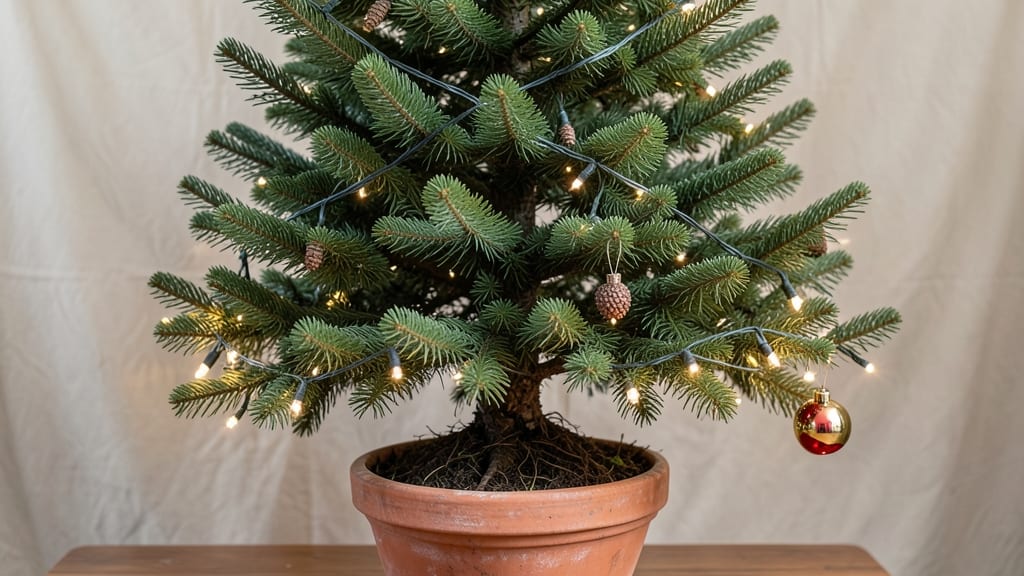
Bringing live Xmas trees in pots indoors lets you savor the festive scent and charm while sidestepping the needle chaos—just pick cold-hardy picks like Fraser or Nordmann firs to keep them thriving year after year. and outdoor cold better than you'd think.
The key is picking a healthy tree with firm branches and a sturdy root ball, not just the prettiest one at the lot.
Once you bring it indoors, keep it in a cool spot (60-65°F) and water it every 2-3 days—dry soil is the #1 killer. A bright window or grow light helps too, since these trees still need light to stay green.
The best part? You can replant them outside after the holidays and watch them grow for years, becoming a living holiday tradition.
After Christmas, move your tree to a sheltered spot outdoors and water it regularly until the ground freezes. In spring, transplant it to your yard or keep it in a larger pot—it’ll reward you with fresh growth and that familiar pine scent every holiday season.
No more sad, needle-dropping trees that die by New Year's!
Works for any climate, though northern gardeners may need extra winter protection. The secret is consistency: treat your potted tree like a houseplant during the holidays, then give it outdoor care after.
Your future self will thank you when you skip the lot next year and just dig up your own living tree.
📚 In This Guide
- What you need
- Instructions
- Tips and common mistakes
- Wrapping up and next steps
What you need
- ● Cold-hardy tree varieties (potted): 1–3 Norfolk Island Pine, Ponytail Palm, or Dwarf Alberta Spruce (check local nurseries for hardiness zones).
- ● Pot size: 15–20 gallons (for trees 4–6 feet tall).
- ● Well-draining potting mix: 1 bag (2–3 cubic feet) of pine tree-specific blend or 50% peat moss, 30% perlite, 20% sand.
- ● Drainage layer: 1–2 inches of gravel or expanded shale (per pot).
- ● Watering can or hose with nozzle: For deep, even hydration.
- ● Fertilizer: 1 bag of slow-release, acidic fertilizer (e.g., 10-10-10 or pine-specific formula).
- ● Pruning shears: Sharp, clean pair for trimming.
- ○ Tree stand or pot stabilizer: Optional but helpful for tall trees.
- ● Tree lights or ornaments (battery-operated for safety!).
- ● Mulch (pine straw) to retain moisture.
- ● Humidifier or misting bottle (for indoor trees).
- ● Decorative pot cover or holiday-themed pot sleeves.
Step-by-Step guide to growing live Christmas trees in pots
Keeping a live Christmas tree indoors for the holidays—and bringing it back outside—is easier than you think. Here’s how to grow cold-hardy varieties in containers that last for years.
🌱 Step 1: Choose the Right Tree Variety and Container
Start with a cold-hardy evergreen like Fraser fir, Nordmann fir, or Colorado blue spruce—these handle winter best. Avoid trees that drop needles easily, like Scotch pine. Pick a container at least 18 inches deep and wide, with drainage holes. A 5-gallon pot works for small saplings, but larger trees need 10-gallon or bigger to prevent root binding.
Fill the pot with well-draining potting mix (avoid garden soil—it compacts and drowns roots). Mix in a slow-release balanced fertilizer (10-10-10) to give the tree nutrients for the season. Tap the soil lightly to settle it, leaving 2 inches of space at the top for watering.
🪴 Step 2: Plant and Water for the First Season
Dig a hole in the soil twice as wide as the root ball but no deeper. Set the tree in the pot so the root flare (where roots meet the trunk) sits just above soil level. This prevents rot and encourages strong growth. Backfill with soil, pressing gently to remove air pockets.
Water deeply until it drains from the bottom, then let the tree sit in a shady, sheltered spot for 3-5 days to reduce transplant shock. After that, move it to partial sun (4-6 hours daily) to help it establish. Check soil moisture weekly—water when the top inch feels dry, but never let it sit in soggy soil.
☀️ Step 3: Care for the Tree Indoors During the Holidays
When bringing the tree inside, place it in a cool room (60-65°F) away from heat sources like fireplaces or vents. Keep it hydrated—water when the soil feels dry to the touch, but avoid overwatering, which causes needle drop. Mist the branches lightly once a week to prevent dryness.
If you decorate it, use LED string lights (they stay cooler than incandescent) and avoid piercing the trunk with hooks—opt for clips instead. Keep the tree indoors for no more than 2 weeks to prevent stress. After the holidays, move it back outside gradually over 3-4 days to avoid shock.
⏰ Step 4: Overwinter and Prepare for Next Year
Before the first frost, bury the pot in the ground or move it to a protected outdoor spot (like a garage or shed) where temps stay above 20°F. Mulch around the pot with 2-3 inches of straw to insulate roots. In late winter, trim any dead branches with clean, sharp pruners to encourage new growth.
In early spring, repot the tree if roots are circling the container. Refresh the soil with new potting mix and a slow-release fertilizer. Gradually reintroduce it to outdoor conditions over 10 days, moving it to full sun once fully hardened off. With proper care, your potted Christmas tree can thrive for 10+ years!
Tips & tricks for perfect live Christmas trees in pots
Here's what nobody tells you about keeping your potted Christmas tree alive through the holidays—and beyond.
Root Flare Matters: In Step 2, when planting your tree, make sure the root flare sits just above the soil level—this prevents rot and encourages strong growth. I learned this the hard way after burying a sapling too deep, which led to stunted growth. Use your finger to create a small well in the soil for the flare to sit naturally.
Transplant Shock Prevention: After planting, let your tree sit in a shady, sheltered spot for the full 3-5 days recommended. This gives it time to adjust without the stress of direct sunlight. I've seen trees wilt dramatically when moved to sunlight too soon—don't rush this step, no matter how impatient you get!
Indoor Temperature Control: When bringing your tree inside, place it in a room that stays consistently between 60-65°F. Heat sources like fireplaces and vents can dry out the needles quickly. I keep mine near a window with indirect light, which helps maintain that perfect balance of humidity and temperature.
Winter Protection Strategy: Before the first frost, burying the pot in the ground or moving it to a protected spot above 20°F is crucial. I've used thick mulch around the pot and even wrapped the container in bubble wrap for extra insulation. The key is keeping those roots from freezing—once they do, your tree won't recover.
Pro Tips for Live Xmas Trees In Pots
- Here's what nobody tells you about keeping your potted Christmas tree alive through the holidays—and beyond.
- Root Flare Matters: In Step 2, when planting your tree, make sure the root flare sits just above the soil level—this prevents rot and encourages strong growth.
- Transplant Shock Prevention: After planting, let your tree sit in a shady, sheltered spot for the full 3-5 days recommended.
Frequently asked questions
about live Christmas trees in pots—because every holiday season deserves a little extra clarity!Can I keep a potted Christmas tree indoors all year?
Not all varieties thrive indoors long-term, but cold-hardy options like Colorado Blue Spruce or Fraser Fir can adapt with proper care. If your space is dry or dim, opt for outdoor varieties and bring them in only for the holidays. Rotate the pot occasionally to prevent one-sided growth.
How long can I keep a potted Christmas tree alive after Christmas?
With the right conditions, a healthy potted tree can last years! Prune it after the holidays, move it to a shady spot, and water deeply when the soil dries. In mild climates, leave it outside year-round. In freezing areas, store it in a cool, dark place (like a garage) and resume outdoor care in spring.
What’s the best way to water a potted Christmas tree?
Water thoroughly once a week (or more in hot weather) until water drains from the bottom. Avoid soggy soil—use pots with drainage holes. Mulch the top layer to retain moisture. Pro tip: Check soil moisture with your finger; if the top inch is dry, it’s time to water!
Can I reuse the same potted tree every year?
Many evergreens like Norway Spruce or Douglas Fir grow back stronger each year. Prune lightly after holidays, fertilize in spring, and protect from pests. Just avoid overcrowding—repot every 2–3 years if roots outgrow the container.
How do I protect my potted tree from pests?
Inspect for spider mites or aphids regularly. Spray with water or use neem oil if needed. Keep trees healthy with balanced fertilizer, and avoid overwatering. Prevention tip: Store trees in a well-ventilated area to deter pests!
What’s the best temperature for overwintering a potted Christmas tree?
Most cold-hardy varieties tolerate down to -20°F if mulched well. In extreme cold, move pots to a sheltered spot (like against a fence) or wrap the root ball in burlap. Avoid freezing soil—water before the first hard frost to help roots survive.
Wrapping up and next steps
Choosing live Christmas trees in pots is a fantastic way to bring holiday cheer year after year—without the hassle of disposal! Cold-hardy varieties like the Norway Spruce or Colorado Blue Spruce not only survive winter but also grow into stunning evergreens with proper care.
Whether you’re a first-time planter or a seasoned gardener, these trees offer sustainability, beauty, and long-term joy.
Ready to transform your space? Start by selecting the perfect variety for your climate, then follow the care tips shared to keep it thriving. Happy planting—and may your holidays stay green long after December! 🎄✨