
Pruning
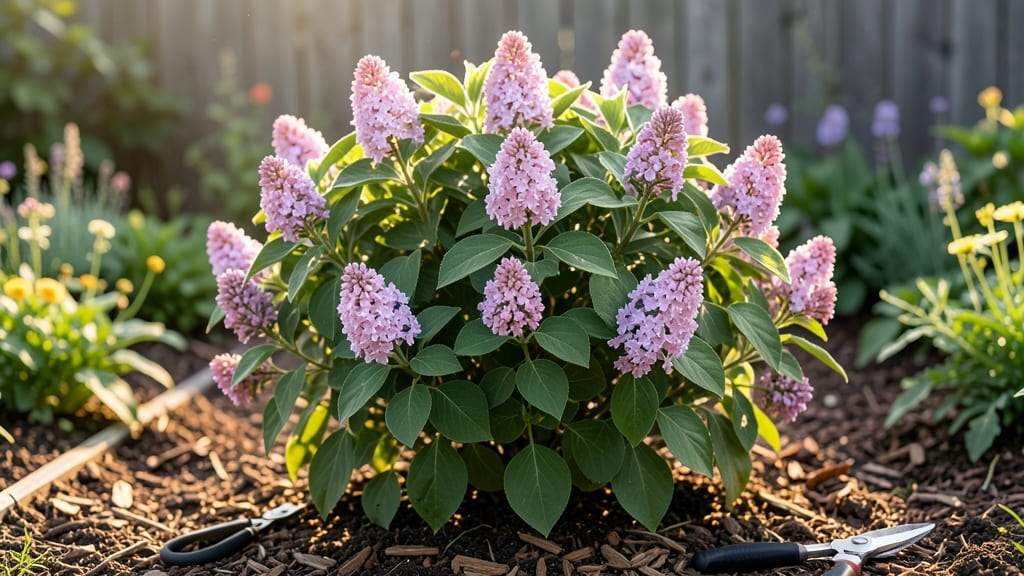
The Little Miss Kim lilac tree brings a burst of spring color and intoxicating fragrance to even the smallest gardens. 🌸 I fell for this compact beauty after seeing how it transformed a narrow city patio into a fragrant oasis—its delicate pink blooms and tidy 6-foot height make it the perfect statement plant for tight spaces.
What sets this lilac apart is its year-round appeal: vibrant spring blooms, glossy foliage that stays lush through summer, and even subtle winter interest. Pair it with lavender for a cottage garden vibe or add catmint to attract pollinators—its fragrance alone makes it a conversation starter.
With just a few strategic cuts, you’ll encourage taller, denser canopies that spill over borders beautifully. The secret? Pruning lightly after flowering to maintain shape while letting it develop that signature fragrant abundance.
Perfect for urban gardens, foundation plantings, or as a focal point along walkways. Once established, it thrives with minimal fuss—just the right spot and occasional shaping to keep it looking its best.
📚 In This Guide
- What you need
- Instructions
- Tips and common mistakes
- Wrapping up and next steps
What you need
- ● Pruning shears: Bypass pruners (sharp, clean, and bypass-style for clean cuts—avoid anvil pruners!). Quantity: 1 pair (or 2 if you have a large tree).
- ● Loppers: For thicker branches (½"–1½" diameter). Quantity: 1 pair.
- ● Pruning saw: For branches thicker than 1½". Quantity: 1 (handheld or folding).
- ● Disinfectant: 70% isopropyl alcohol or rubbing alcohol to sterilize tools between cuts. Quantity: Small bottle.
- ● Garden gloves: Cut-resistant (e.g., leather or heavy-duty nitrile). Quantity: 1 pair.
- ● Ladder: Extension ladder (20–30 ft, stable, and rated for your weight). Quantity: 1 (if tree is >10 ft tall).
- ● Trash bags: Heavy-duty contractor bags (20–30 gallon) for debris. Quantity: 2–3.
- ○ Sharpie or marking pen: For labeling cuts (optional but helpful!). Quantity: 1.
- ● Weather check: Prune on a dry, cloudy day (avoid extreme heat or wind). Ideal temps: 40–65°F (4–18°C).
- ● Safety gear: Safety glasses (to protect from debris) and closed-toe shoes.
- ● Tree knowledge: Confirm your lilac is Syringa patula 'Little Miss Kim' (dwarf Korean lilac) or a similar variety. Pro tip: 💡 Snap a photo of your tree’s flowers/leaves if unsure!
- ● Cleanup supplies: Rake or leaf blower for post-pruning cleanup.
- ● Pruning sealant: Tree wound pruning paste (for cuts >½" diameter—controversial but some swear by it).
- ● Plant food: Slow-release fertilizer (e.g., 10-10-10) to nourish the tree post-pruning.
- ● Camera: To document "before" and "after" shots—your future self will thank you!
- ● Budding guide: Print or save a lilac bud map to identify old wood vs. new growth.
Step-by-Step pruning for Little Miss Kim lilac trees
Here's how to shape this stunning variety into a fragrant, sunlit masterpiece—no guesswork required.
✂️ Step 1: Late Winter Cleanup (Dormant Season)
Prune your Little Miss Kim lilac in late winter, just as buds begin to swell but before new growth starts. This is the only time you'll remove old wood—never prune after flowering, or you'll sacrifice next year's blooms. Start by removing any dead, diseased, or crossing branches with clean, sharp pruners. I always cut back to the nearest outward-facing bud to encourage an open, airy canopy.
Look for branches that grow inward or rub against others—these create weak spots and invite pests. Remove them completely at the base. You'll notice the tree's natural shape emerge as you work, so follow its inherent form rather than forcing symmetry. Keep your cuts at a 45-degree angle, about ¼ inch above a bud to prevent water from pooling.
This is also the time to thin out crowded branches to improve airflow. Aim to reduce the center by 25-30%—you want sunlight to reach all parts of the canopy. If your lilac is overgrown, you can remove up to ⅓ of the oldest wood, but never more than that in a single year. The goal is to rejuvenate without shocking the plant.
☀️ Step 2: Post-Bloom Light Pruning (Spring)
After your lilac finishes flowering—usually in late spring—give it a second, gentler pruning. Wait until after all blooms have faded but before new buds form. This is where you shape the tree for next year's flowers. Remove any remaining spent flower clusters (called "lamb's tails") by cutting back to the first set of healthy leaves or buds.
Here's the thing—lilacs bloom on old wood, meaning this year's flowers formed on last year's growth. So never cut back into last year's blooms, or you'll prune away next year's flowers. Instead, focus on shaping the outer canopy by trimming back 10-15% of the current season's growth to encourage bushier, more compact growth.
Use your fingers to gently bend branches—if they snap easily, they're ready to be pruned. Avoid heavy-handed cuts; lilacs respond best to gradual shaping. You'll see new shoots emerge within weeks, signaling the tree is adapting well to your pruning.
✂️ Step 3: Summer Maintenance (Minimal Touch-Ups)
During the growing season, lilacs typically need little more than light maintenance. Remove any suckers or water sprouts that appear at the base or along the trunk—these compete with the main canopy for nutrients. Cut them off at the base immediately; they won't re-sprout if removed cleanly.
Watch for branches that grow too long or become leggy. You can trim these back by ⅓ of their length to encourage branching. Always cut just above a leaf bud or side shoot. Avoid pruning in midsummer if possible—it can stimulate tender new growth that may not harden off before winter.
If you notice any diseased or pest-damaged branches, remove them immediately and dispose of them in the trash—not the compost. Lilacs are generally pest-resistant, but aphids or borers can occasionally strike. Prune out affected areas as soon as you spot them to prevent spread.
⏰ Step 4: Fall Preparation (Light Shaping)
In early fall, give your lilac a final light pruning to tidy up and prepare for winter. Remove any dead or dying branches that may have missed your winter pruning. Thin out any crowded areas to improve airflow, which reduces the risk of fungal diseases over winter.
This is also the time to shape the tree for next year's growth. Lightly trim back any branches that grew too vigorously during the summer. Avoid heavy pruning now—you don't want to stimulate new growth that won't have time to harden off before cold weather arrives.
Leave the pruned branches on the ground beneath the tree. They'll decompose naturally and return nutrients to the soil. If you notice any branches with signs of dieback (brown, brittle wood), mark them for removal in next year's late winter pruning.
Tips & tricks for perfect Little Miss Kim lilac tree pruning
Transforming your Little Miss Kim lilac into a fragrant, sunlit masterpiece starts with these game-changing insights—because pruning isn't just cutting, it's sculpting a living work of art.
Timing is Everything: That late winter window when buds begin to swell is your golden opportunity—it's the only time you can safely remove old wood without sacrificing next year's spectacular blooms. I've seen too many gardeners rush this step and end up with bare branches. Mark your calendar for when your lilac's buds show just the tiniest hint of color, then act within 1-2 weeks. This precise timing ensures you're working with dormant wood while preserving next year's flower buds that form on last year's growth.
Shape with Purpose: When thinning crowded branches in Step 1, think of your lilac like a sculpture—you're removing material to reveal the form beneath. That 25-30% reduction target isn't arbitrary; it's about creating an open, airy canopy that lets sunlight penetrate to the center. I've learned the hard way that forcing symmetry often creates weak spots where branches grow inward and rub together. Instead, follow the tree's natural shape and make cuts that open up the center while maintaining the tree's inherent balance.
Spring Pruning Secrets: In Step 2, when you're removing those spent flower clusters (lamb's tails), here's what nobody tells you—those clusters are actually little energy factories for your tree. By removing them promptly, you're redirecting the tree's energy toward next year's blooms rather than seed production. The 10-15% trim on current season's growth isn't about drastic changes; it's about encouraging bushier, more compact growth. Think of it as giving your lilac a gentle haircut rather than a buzz cut.
Summer Maintenance Matters: Those suckers and water sprouts might seem harmless, but they're actually stealing nutrients from your main canopy. The key in Step 3 is immediate removal—cut them at the base while they're still small, and they won't re-sprout. And when trimming leggy branches by ⅓, always cut just above a leaf bud or side shoot. This tiny detail makes all the difference in encouraging new branching. I've seen lilacs go from sparse to lush just by paying attention to these small details during the growing season.
Pro Tips for Little Miss Kim Lilac Tree
- Transforming your Little Miss Kim lilac into a fragrant, sunlit masterpiece starts with these game-changing insights—because pruning isn't just cutting, it's sculpting a living work of art.
- Timing is Everything: That late winter window when buds begin to swell is your golden opportunity—it's the only time you can safely remove old wood without sacrificing next year's spectacular blooms.
- Shape with Purpose: When thinning crowded branches in Step 1, think of your lilac like a sculpture—you're removing material to reveal the form beneath.
Frequently asked questions
Got questions about keeping your Little Miss Kim lilac tree lush and fragrant year-round? We’ve got answers!
Whether you’re a pruning pro or a curious newbie, these FAQs will help you navigate timing, techniques, and troubleshooting like a pro.
When is the best time to prune my Little Miss Kim lilac tree?
The ideal window is late winter to early spring (February–March), just before new growth appears. This encourages vibrant blooms and maintains the tree’s compact shape. Avoid pruning after mid-summer—you’ll risk cutting off next year’s flowers!
How much can I trim back my lilac tree without harming it?
For Little Miss Kim, aim to remove no more than 1/3 of the tree’s height per year. Focus on dead, crossing, or overcrowded branches first. Over-pruning can stress the tree, so be patient—gradual trims keep it healthy and blooming.
What if my lilac tree isn’t blooming after pruning?
Lilacs bloom on old wood, so prune after flowering (late spring/early summer) only to shape, not to cut back blooms. If it’s not blooming, check for sunlight (6+ hours/day), proper pruning timing, or nutrient deficiencies. A balanced fertilizer in early spring can help!
Can I prune my lilac tree in fall or winter?
Pruning in fall or winter (before late February) can stimulate tender new growth that may freeze in cold climates. If you must prune later, wait until after the last frost and avoid heavy cuts. Light shaping in fall is okay, but major pruning is best saved for spring.
Are there alternatives to pruning if I want a fragrant lilac tree?
If pruning feels overwhelming, try selective shaping or pinching back new growth in spring to encourage bushiness. For minimal effort, plant Little Miss Kim near a window or patio—its fragrance and compact size (6–8 ft) make it low-maintenance without heavy pruning.
Wrapping up and next steps
Little Miss Kim’s lilac tree thrives with year-round pruning—keeping it healthy, fragrant, and stunning while preventing overgrowth. By following seasonal techniques (like spring shaping and late-winter cleanup), you’ll enjoy towering blooms and lush canopies for years. 🌸
Ready to transform your yard? Grab your tools, review the checklist, and start pruning today—your lilac’s future beauty depends on it! Happy trimming! ✂️