
Pruning
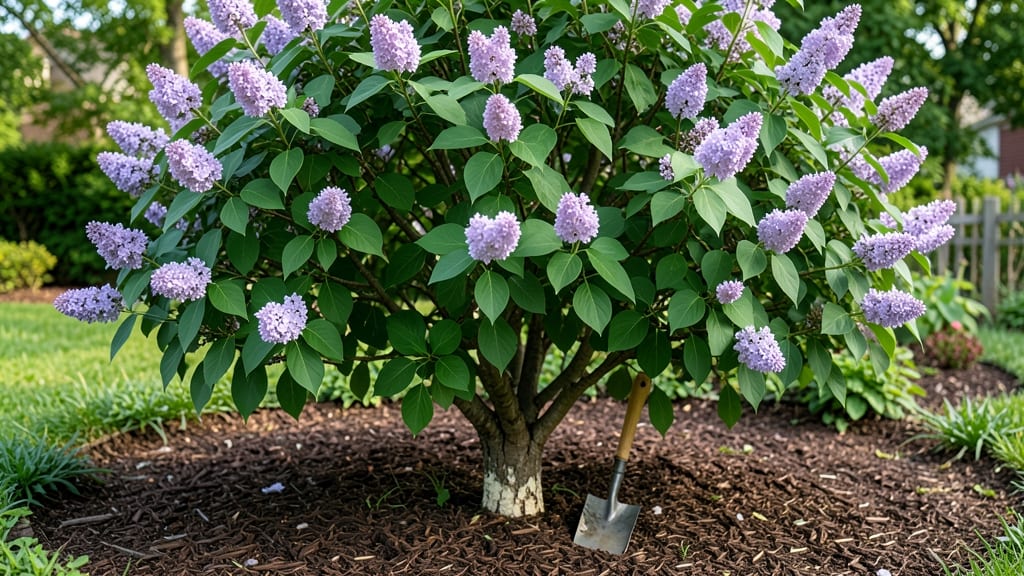
There's nothing like the intoxicating fragrance of a Ms. Kim lilac tree in full bloom—it turns any spring garden into a fragrant masterpiece. This particular lilac variety stands out with its extra-long blooming season and disease-resistant nature, making it a favorite among gardeners who want both beauty and low-maintenance reliability.
The deep purple flowers appear earlier than most lilacs, often by late April, and their scent lingers for weeks.
The secret to keeping your Ms. Kim lilac thriving lies in smart pruning, which encourages stronger growth and more abundant blooms each year. Unlike other lilacs, this variety blooms on both old and new wood, so you can prune more aggressively without sacrificing flowers.
I’ve found that late summer or early fall is the best time to prune, but timing matters—do it wrong, and you might miss next year’s showiest display.
With the right care, your Ms. Kim lilac will become the centerpiece of your landscape, drawing pollinators and neighbors alike.
The blooms are so profuse that you’ll have cuttings for bouquets all season long, and the tree’s upright growth habit means it fits perfectly in small yards or as a striking focal point. Ready to unlock its full potential?
Let’s get started with the pruning techniques that will keep it looking its best.
Whether you’re a seasoned gardener or new to lilacs, this guide will help you avoid common mistakes and maximize your tree’s fragrance and beauty. From shaping the canopy to encouraging healthy new growth, every step makes a difference. Your garden—and your nose—will thank you.
📚 In This Guide
- What you need
- Instructions
- Tips and common mistakes
- Wrapping up and next steps
What you need
- ● Pruning shears: Bypass pruners (sharp, clean, and sterilized with rubbing alcohol) for small branches.
- ● Loppers: For thicker branches (1–2 inches in diameter). Choose bypass-style for precision cuts.
- ● Hand pruners: Anvil-style for stubborn, woody stems (but avoid for healthy cuts).
- ○ Pruning saw: For branches over 2 inches thick (optional but helpful for mature trees).
- ● Garden gloves: Heavy-duty, cut-resistant (lilac thorns are no joke!).
- ● Disinfectant: 70% isopropyl alcohol or a 10% bleach solution (1 part bleach to 9 parts water) to sterilize tools between cuts.
- ○ Sealing wax or pruning paint: (Optional) For large cuts over ½ inch to prevent disease entry.
- ● Ladder or step stool: Sturdy and tall enough to reach the highest branches safely.
- ● Heavy-duty trash bags or bucket: For collecting pruned branches (compost or dispose of diseased wood separately!).
- ● Timing: Prune after flowering (late spring to early summer) or in late winter (before buds swell). Avoid pruning during frost or extreme heat.
- ● Weather check: Choose a dry, overcast day to minimize stress on the tree.
- ● Safety gear: Safety glasses (in case of debris) and long sleeves/pants to protect from thorns.
- ● Tree health assessment: Inspect the tree for diseased or dead branches (brown, mushy, or oozing sap) before starting.
- ● ✨ Sharpen your tools! Dull blades tear wood, inviting pests and disease.
- ● 🌡️ Work in layers: Remove up to ⅓ of the tree’s foliage in one session to avoid shocking it.
- ● 🎯 Label cuts: Use masking tape to mark branches for removal before making the first cut (helps stay organized!).
Step-by-step pruning guide for a thriving Ms. kim lilac tree
Here's how to coax year-round blooms from your fragrant giant—without sacrificing its majestic form.
Time Your Pruning for Optimal Growth
Prune your Ms. Kim lilac immediately after its spring blooming cycle ends, typically in late May or early June. This timing ensures you never cut off next year's flower buds, which form on old wood. I wait until all blooms have faded and the foliage shows new growth—about 4-6 weeks after flowering. Pruning at this stage prevents the tree from redirecting energy into seed production and instead focuses it on vigorous new shoots.
If you prune at the wrong time—like in late summer or fall—you risk removing next year's flower buds entirely. The Ms. Kim lilac is particularly sensitive to this; its unique reblooming habit depends on precise timing. Mark your calendar now or set a phone reminder for right after the last bloom drops.
Remove Dead, Diseased, or Weak Wood First
Start by inspecting the entire tree for branches that are dead, diseased, or crossing at sharp angles. Use clean, sharp pruning shears to make cuts just outside the branch collar—the swollen area where the branch meets the trunk. This ensures the wound heals properly and prevents disease from entering the tree. I always sterilize my tools with rubbing alcohol between cuts to avoid spreading pathogens.
Look for branches that are thinner than a pencil or show signs of dieback, like brown, brittle wood. These should be removed entirely down to the collar. Healthy branches, on the other hand, will have green bark and flexible wood. The Ms. Kim lilac is forgiving, but neglecting deadwood now can lead to larger problems later, like fungal infections or pest infestations.
Thin the Canopy for Better Airflow and Light
Next, focus on thinning the canopy to improve airflow and sunlight penetration. Select branches that are growing inward or rubbing against others and remove them entirely. Aim to open up the center of the tree by about 30-40%, which encourages stronger, more fragrant blooms. I start at the outer edges and work my way inward, removing no more than 25% of the foliage in a single session to avoid shocking the tree.
Pay special attention to water sprouts—those fast-growing, vertical shoots that steal energy from the main structure. These should be cut back to a lateral branch or the collar if they're weak. Thinning now sets the stage for a fuller, more balanced tree next season. The Ms. Kim lilac responds beautifully to this approach, often reblooming more vigorously after proper thinning.
Shape the Tree for Structure and Aesthetics
After thinning, you can lightly shape the tree to maintain its natural form or achieve a specific look. Focus on preserving the tree's open, airy habit by avoiding heavy heading cuts. Instead, prune to encourage a more rounded or vase-like shape by selectively shortening branches that are growing too tall or leggy. I typically limit myself to cutting back no more than 1/3 of any branch's length to avoid stressing the tree.
Step back frequently to assess the tree's silhouette. The Ms. Kim lilac has a graceful, slightly weeping habit, so I often leave the lower branches slightly longer to enhance its natural elegance. Avoid over-pruning the top, as this can lead to a top-heavy tree that's prone to storm damage. A well-shaped lilac will not only look stunning but also produce more abundant, fragrant blooms.
Clean Up and Monitor for Recovery
Once pruning is complete, rake up and dispose of all clippings to reduce the risk of disease. Avoid leaving them beneath the tree, as they can harbor pests and fungi. I like to compost the healthier clippings separately to use in my garden later. After pruning, water the tree deeply to help it recover, especially if the weather is dry. The Ms. Kim lilac is drought-tolerant once established, but it still benefits from a good soak after a major pruning session.
Monitor the tree closely over the next few weeks for signs of stress, such as wilting leaves or unusual discoloration. If you see any, adjust your watering or hold off on further pruning until the tree regains its vigor. With proper care, your Ms. Kim lilac should reward you with a second flush of blooms in late summer or early fall. This is the true magic of this variety—its ability to rebloom when pruned correctly.
Tips & tricks for pruning a Ms. kim lilac tree
These subtle adjustments make all the difference between a tree that merely survives and one that thrives with spectacular fragrance.
Timing is Everything: The 4-6 week window after spring blooms fade is non-negotiable for Ms. Kim lilacs. I've learned this the hard way—pruning too early risks cutting off next year's flower buds, while waiting too long means missing the optimal growth window. If you miss this year's timing, don't panic—just mark your calendar for exactly 4-6 weeks after next spring's final bloom. The tree's natural growth cycle will guide you better than any calendar ever could.
Tool Preparation Matters: Sterilizing your pruning shears with rubbing alcohol between each cut isn't just good practice—it's essential for preventing disease spread in lilacs. I keep a small bottle of 70% isopropyl alcohol in my gardening tool bag specifically for this purpose. Sharp tools also make cleaner cuts that heal faster, so take 5 minutes before starting to hone your shears. The Ms. Kim lilac's open growth habit means every cut is visible, so precision matters.
Canopy Thinning Strategy: When opening up that 30-40% center space in Step 3, focus on removing branches that are growing inward first—they're the ones causing shade and crowding. I start with the outer edges because it's easier to assess what needs removal when you can see the tree's full structure. Remember, you're not just pruning for aesthetics; you're creating an environment where sunlight can reach all parts of the canopy, which directly translates to more abundant blooms.
Recovery Monitoring: After pruning, the tree's response in the first 2-3 weeks tells you everything you need to know. If you see new growth emerging within that timeframe, you've done it right. If leaves start wilting or turning yellow, it's a sign the tree is stressed—back off on watering and avoid any additional pruning until it recovers. The Ms. Kim lilac is remarkably resilient, but even resilient trees need time to adjust after major structural changes.
Pro Tips for Ms Kim Lilac Tree
- These subtle adjustments make all the difference between a tree that merely survives and one that thrives with spectacular fragrance.
- Timing is Everything: The 4-6 week window after spring blooms fade is non-negotiable for Ms.
- Tool Preparation Matters: Sterilizing your pruning shears with rubbing alcohol between each cut isn't just good practice—it's essential for preventing disease spread in lilacs.
Frequently asked questions
Got questions about keeping your Ms Kim Lilac Tree thriving with perfect pruning? You’re not alone! Here are answers to the most common queries—from timing to troubleshooting—so you can enjoy those fragrant blooms all year.
When is the best time to prune a Ms Kim Lilac Tree?
The ideal window is right after flowering (late spring to early summer). This ensures you remove spent blooms while leaving next year’s flower buds intact. Avoid pruning in fall or winter, as lilacs bloom on old wood—cutting too late can reduce spring blooms. Pro tip: If you must prune for shape, do it lightly in late summer to avoid sacrificing next year’s flowers.
How much can I prune back a Ms Kim Lilac Tree?
For rejuvenation, you can prune up to one-third of the plant in stages over 2–3 years. However, avoid heavy pruning (more than 30%) in one go—this stresses the tree and may reduce blooms. Focus on thinning out crowded branches and removing dead or crossing wood to improve airflow and sunlight penetration.
Why isn’t my Ms Kim Lilac Tree blooming?
Lilacs often skip blooms due to over-pruning, nutrient deficiencies, or poor sunlight. Check these first:
- Did you prune after flowering? (If not, wait until next year.)
- Is it getting 6+ hours of sun daily?
- Has it been fertilized with a balanced, acid-loving plant fertilizer in early spring?
- Are the branches too dense? Thin them out to encourage new growth.
Can I prune a Ms Kim Lilac Tree in wet or rainy weather?
Avoid pruning during rain or high humidity—wet conditions can spread diseases like powdery mildew or botrytis. Wait for a dry, overcast day (not bright sun) to minimize stress on the tree. If you must prune in damp weather, sterilize tools with rubbing alcohol and remove fallen leaves/debris promptly.
Are there alternatives to Ms Kim Lilac for low-maintenance blooms?
If you love fragrant, long-blooming shrubs but want less pruning, consider:
- Dwarf Fothergilla (Fothergilla gardenii): Fragrant spring blooms, minimal pruning.
- Weigela: Bright flowers, tolerates pruning but blooms on new wood.
- Spirea (e.g., ‘Goldflame’): Low-maintenance, repeat bloomer.
- Mock Orange (Philadelphus): Intense fragrance, blooms on old wood.
What should I do if my Ms Kim Lilac Tree gets powdery mildew?
Powdery mildew (white, powdery spots) is common but treatable:
- Prune for better airflow—remove crowded branches.
- Apply neem oil or baking soda spray (1 tsp baking soda + 1 quart water + drop of soap) every 7–10 days.
- Avoid overhead watering—water at the base instead.
- For severe cases, use a fungicide labeled for lilacs (e.g., copper fungicide).
Wrapping up and next steps
Pruning your Ms Kim Lilac Tree isn’t just about shaping—it’s about unlocking its full potential for year-round fragrance and health. With the right tools, timing, and technique, you can transform your lilac into a lush, blooming masterpiece that delights the senses.
Remember, patience and consistency are key, so don’t rush the process!
Ready to take the next step? Mark your calendar for late spring or early summer, grab your pruners, and give your Ms Kim Lilac the care it deserves. Your garden—and your nose—will thank you! 🌸✂️