
Pruning
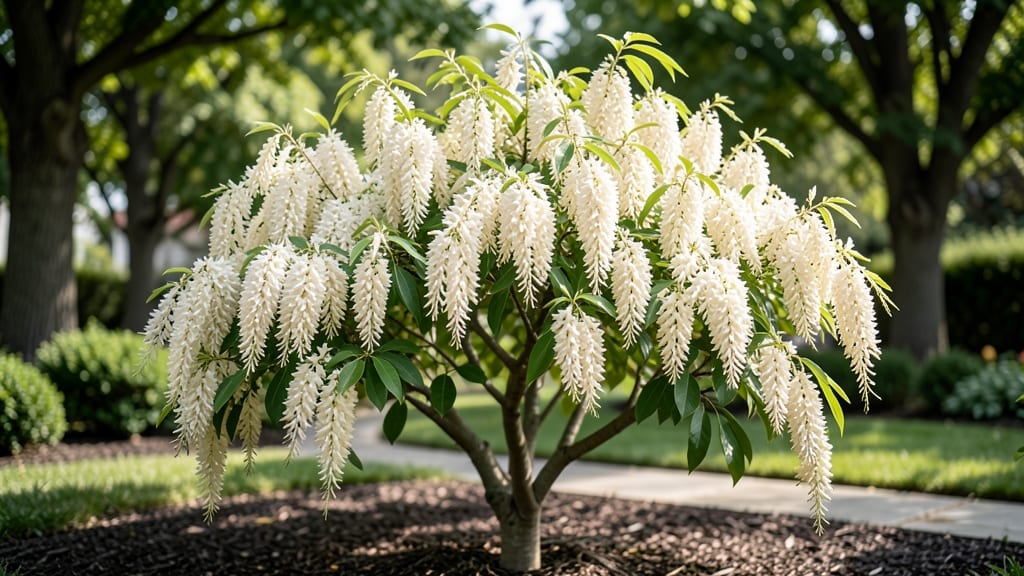
This lilac ivory silk tree’s ethereal white flowers and tidy shape dazzle in gardens, yet its roots can falter after a hard frost. I’ve nursed more than my share of frost-bitten specimens back to life—and once you master the revival technique, these fragrant climbers thrive with minimal fuss.
The key lies in understanding how its shallow roots behave after winter stress, paired with the right soil mix and watering rhythm.
This variety loves well-draining soil with a touch of gritty sand or perlite to prevent soggy roots, which are its Achilles’ heel. A morning sun spot with afternoon shade keeps the foliage lush without scorching the blooms, while regular mulching mimics its native woodland understory.
Most gardeners overwater after pruning, but these trees actually prefer their soil to dry out slightly between drinks—think of it as a drought-tolerant shrub with a flair for drama.
By late spring, you’ll be rewarded with clouds of scented white flowers that attract bees while resisting the powdery mildew that plagues other lilacs. The secret to long-term health? Pruning right after blooming to shape the tree without sacrificing next year’s flowers.
Even cold-stressed plants bounce back with the right care—just give them time and a little root-tender loving attention.
Whether you’re reviving a neglected specimen or planting fresh, this guide covers the foolproof steps to keep your Ivory Silk Tree blooming for decades. The best part?
Its compact size makes it perfect for small gardens, containers, or even as a fragrant hedge. Let’s get those roots revived and growing strong!
📚 In This Guide
- What you need
- Instructions
- Tips and common mistakes
- Wrapping up and next steps
What you need
- ● Pruning shears or loppers – Sharp, sterilized tools (bypass pruners work best for precision cuts).
- ● Gloves – Heavy-duty gardening gloves to protect against thorns and sap.
- ● Disinfectant (70% isopropyl alcohol or bleach solution) – 1 part bleach to 9 parts water for sanitizing tools.
- ● Root stimulator or mycorrhizal fungi – 1–2 tbsp per gallon of water (e.g., Mycorrhizal Inoculant for cold-damaged roots).
- ● Organic mulch (shredded bark, wood chips, or compost) – 2–3 inches thick to insulate roots.
- ● Slow-release fertilizer (balanced 10-10-10 or 12-12-12) – 1–2 cups per tree, applied post-pruning.
- ● Watering can or hose with a gentle spray nozzle – For deep hydration without soil erosion.
- ○ Plastic sheeting or tarp (optional but helpful) – To shield roots during extreme cold snaps.
- ● Root growth hormone gel – For sealing larger pruning cuts (e.g., Rootone Fast-Acting Gel).
- ● Soil moisture meter – To monitor root hydration levels post-revival.
- ● Anti-desiccant spray (e.g., Wilt-Pruf) – Protects leaves from transpirational stress during recovery.
- ● Cold frame or mini greenhouse – Temporary shelter for young or severely stressed trees.
Step-by-Step guide for reviving cold-stressed lilac ivory silk trees
Here's how to nurse these hardy climbers back to full bloom after winter damage.
Assess Root and Stem Damage
Start by gently removing any mulch or debris around the base of your tree. Look for blackened or mushy stems at the soil line—this indicates cold damage that needs immediate attention. Run your fingers through the soil surface to check for waterlogged areas, which can worsen root rot in already stressed plants.
If the bark feels soft or peels away easily, the tree has suffered severe cold damage. Healthy bark should be firm and slightly rough to the touch. Take note of where the damage stops—this will help you determine how much of the tree you'll need to prune back later.
Prune Damaged Growth Selectively
Using clean, sharp pruning shears, cut back all dead or blackened stems to just above a healthy bud or branch. Make your cuts at a 45-degree angle about ¼ inch above the bud to encourage new growth. Avoid cutting into green tissue—this will only invite disease into the open wound.
Step back and examine the tree's structure. You're aiming for an open, airy shape that allows sunlight to reach the center. If more than 30% of the tree's branches are dead, you'll need to prune more aggressively to stimulate new growth from the base. Don't remove more than one-third of the tree's foliage in a single season.
Amend the Soil for Recovery
Loosen the top 6 inches of soil around the tree's root zone using a garden fork. This helps roots breathe and access oxygen after winter stress. Mix in 2-3 inches of compost into the loosened soil to replenish nutrients lost during cold damage. Avoid heavy fertilizers—the tree needs to rebuild its root system first.
If your soil drains poorly, add 1-2 inches of coarse sand or perlite to improve aeration. Waterlogged roots can't recover properly, so drainage is critical. After amending, water deeply until moisture reaches 8-10 inches down, then let the soil dry slightly before watering again. This prevents root suffocation.
Provide Supportive Care for New Growth
Once new shoots appear—usually within 4-6 weeks—apply a balanced, slow-release fertilizer at half strength. This gives the tree gentle nutrient support without overwhelming its recovery. Focus on nitrogen to encourage leafy growth, but don't overdo it—too much can delay flowering.
Mulch the base with 2-3 inches of organic mulch, keeping it 6 inches away from the trunk to prevent rot. This helps regulate soil temperature and retain moisture. Monitor the tree weekly for signs of stress, like yellowing leaves or wilting. If you see these, reduce watering slightly—the tree may be struggling to absorb moisture efficiently.
Protect Against Future Cold Stress
After the first frost, wrap the tree's trunk and main branches with burlap or tree wrap to shield them from harsh winter winds. This simple step can prevent future cold damage. If your tree is in a windy area, consider installing a windbreak made of evergreen branches or a temporary fence.
In late winter, apply a 2-inch layer of mulch around the base to insulate roots. Avoid piling mulch against the trunk—this can trap moisture and cause rot. Prune lightly in early spring to shape the tree and remove any dead wood that might have formed over winter. With consistent care, your Lilac Ivory Silk Tree will bounce back stronger than ever.
Tips & tricks for reviving cold-stressed lilac trees
Real talk: These hardy climbers can bounce back beautifully with the right care after winter stress. Here's what nobody tells you about bringing them back to life.
Pruning Precision: When you're cutting back damaged stems in Step 2, look for the point where the bark transitions from blackened to healthy green tissue. This is your perfect stopping point—cutting too far into healthy wood creates unnecessary wounds. I've seen gardeners accidentally remove too much by cutting blindly; always work from the damaged area inward, stopping just above that healthy transition zone.
Soil Amendment Strategy: The 2-3 inches of compost in Step 3 should be thoroughly mixed into the loosened soil—not just spread on top. This ensures even distribution of nutrients to the root zone. For trees with particularly compacted soil, I recommend adding a handful of mycorrhizal fungi to the compost mix—it helps roots absorb nutrients more efficiently during recovery.
New Growth Monitoring: Those 4-6 weeks until new shoots appear can feel like an eternity, but patience is key. Mark the tree's height with a piece of twine at the start, then check weekly. If you don't see any growth after 6 weeks, it might need more aggressive soil amendments or protection from late frosts. The good news is that once those first shoots appear, you'll know your tree is on the mend.
Winter Protection Upgrade: For extra insurance against future cold damage, consider adding a layer of bubble wrap around the trunk before applying burlap in Step 5. The bubble wrap creates an insulating air pocket that can make a significant difference in extreme cold. Just make sure to remove it in early spring before new growth begins—trapped heat can actually harm emerging buds.
Pro Tips for Lilac Ivory Silk Tree
- Real talk: These hardy climbers can bounce back beautifully with the right care after winter stress.
- Pruning Precision: When you're cutting back damaged stems in Step 2, look for the point where the bark transitions from blackened to healthy green tissue.
- Soil Amendment Strategy: The 2-3 inches of compost in Step 3 should be thoroughly mixed into the loosened soil—not just spread on top.
Frequently asked questions
Got questions about reviving your Lilac Ivory Silk Tree after cold stress or winter damage?
Here are answers to the most common concerns—plus pro tips to keep your fragrant climber thriving!
How do I know if my Lilac Ivory Silk Tree is suffering from cold damage?
Check for brown, mushy stems (a sign of frost damage) or wilting leaves that don’t bounce back when gently pressed. If branches snap easily or the bark looks cracked, it’s likely cold-stressed. Don’t panic! Many trees recover with proper care—prune dead wood and monitor for new growth.
When is the best time to prune cold-damaged branches?
Wait until late winter or early spring (just before buds swell) to prune. This gives you time to assess damage after winter’s end. Never prune in fall—it stresses the tree before it hardens off for winter. Use sterilized shears to cut ¼” above healthy growth.
Can I force new growth on a dormant Lilac Ivory Silk Tree?
Yes! If the tree is still alive (roots feel firm when dug gently), try these steps: 1) Trim back ⅓ of the canopy to reduce stress. 2) Water deeply but avoid soggy soil—root rot is a risk. 3) Apply a balanced fertilizer (like 10-10-10) in early spring. Patience is key—new shoots may take 4–6 weeks.
Are there cold-hardy alternatives to the Lilac Ivory Silk Tree?
If your climate is Zone 6 or colder, consider these fragrant, hardy climbers:
- Clematis ‘Jackmanii’ (Zone 4–9): Thrives in shade, blooms summer-fall.
- Wisteria ‘Amethyst Falls’ (Zone 5–9): Cold-tolerant with stunning purple blooms.
- Star Jasmine (Trachelospermum jasminoides) (Zone 7–10): Evergreen with sweet fragrance (needs winter protection in colder zones).
My tree’s leaves are yellow—is it dying or just adjusting?
Yellow leaves can mean nutrient deficiency (common after cold stress) or overwatering. Check the soil: If it’s soggy, hold off on watering. If dry, add compost and a low-nitrogen fertilizer (like 5-10-10). Yellow on older leaves? Normal in spring! New growth should be green.
Wrapping up and next steps
Reviving your Lilac Ivory Silk Tree after cold stress is totally doable with the right care and patience! 🌱 By following proper pruning techniques, protecting roots, and monitoring growth, you can help this fragrant climber thrive once again. Remember, even resilient plants need a little extra love during tough seasons.
Ready to give your tree the fresh start it deserves? Start with a thorough inspection this spring—trim dead branches, mulch generously, and keep an eye on new buds. Your efforts will soon reward you with lush, fragrant blooms! 🌸