
Trees
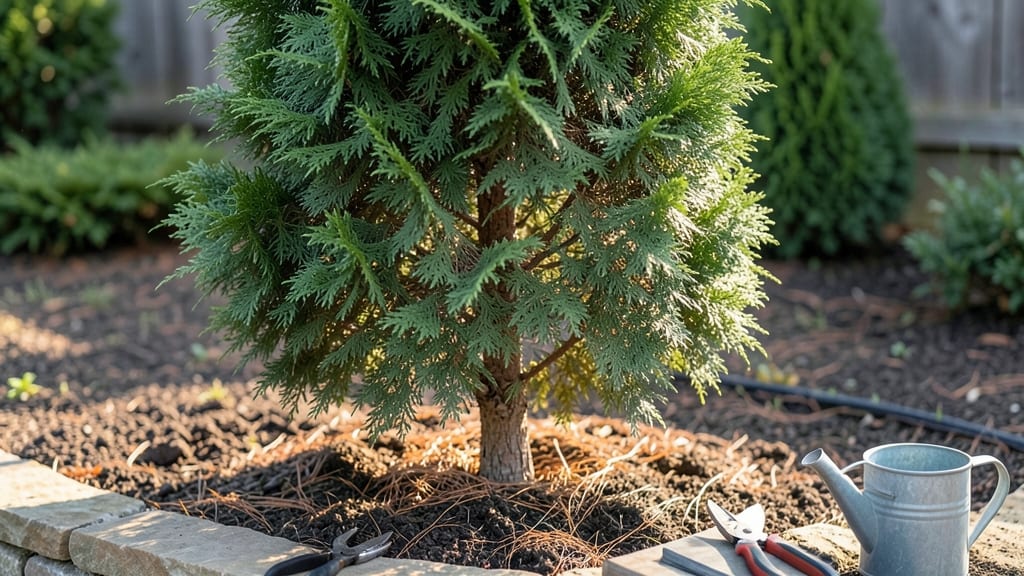
Planting these Leyland cyprus trees in your yard isn’t just about adding greenery—it’s about creating a year-round privacy screen that thrives even when winter winds howl.
I’ve watched mine stand tall through ice storms while neighbors’ delicate shrubs wilted, and the secret isn’t just their cold-hardiness—it’s how easy they are to transplant once established. The key? Timing, soil prep, and a little patience to let those deep roots settle before the first frost hits.
You’ll need well-draining soil (mix in sand if yours is heavy clay), a spot with 6+ hours of sun, and room for them to grow 30-60 feet wide—these aren’t trees for small yards, but they repay the space with lush, evergreen density.
Water deeply after planting, then let the roots stretch out before checking soil moisture again. Prune in late winter to shape them, but skip heavy cuts—they grow fast, and you’ll thank yourself when summer shade arrives.
What you’ll end up with is a low-maintenance giant that blocks noise, filters wind, and stays vibrant through every season. The needles stay green even in drought, and birds nest in their branches while your neighbors envy your unfussy, ever-present green wall.
Just watch for bagworms in summer and root rot if you overwater, but those are minor trade-offs for a tree this resilient.
Perfect for property lines, windbreaks, or as a living fence—just plant them 10-15 feet apart for that classic hedge look. Whether you’re replacing a failed screen or adding privacy to a new build, these trees deliver decades of service with almost no effort after the first year.
Let’s get them growing strong.
📚 In This Guide
- What you need
- Instructions
- Tips and common mistakes
- Wrapping up and next steps
What you need
- ● Leyland Cypress Tree: 1–3 saplings (depending on spacing; aim for 10–15 feet apart for mature trees). Choose cold-hardy cultivars (e.g., 'Castlewellan Gold' or 'Leighton Green').
- ● Shovel or Tree Spade: 1 medium-sized (for digging holes 3x wider than the root ball).
- ○ Well-Draining Soil Mix: 1 bag (50 lb) of peat moss or compost (optional if native soil is sandy/loamy).
- ● Organic Mulch: 2–3 cubic feet (e.g., pine bark or wood chips; keep 3 inches away from the trunk).
- ● Watering Can or Hose: With a gentle spray nozzle for deep watering (1–2 gallons per tree initially).
- ○ Tree Stake & Ties (Optional but Recommended): 1–2 wooden or metal stakes (6–8 ft tall).
- ● 3–4 soft tree ties (avoid wire—it can damage bark!).
- ● Fertilizer (Slow-Release): 1 bag (20 lb) of balanced 10-10-10 or nitrogen-rich fertilizer (apply 6 weeks post-planting).
- ● Location: Full sun (6+ hours daily) and wind protection (Leylands are fast-growing but can be top-heavy in storms).
- ● Climate Zone: Plant in USDA Zones 6–10 (cold-hardened varieties tolerate down to 0°F).
- ● Soil pH: Slightly acidic to neutral (6.0–7.5; test with a soil pH kit if unsure).
- ● Local Regulations: Check HOA or city codes—some areas restrict fast-growing trees near structures.
How to plant and establish cold-hardy Leyland cypress trees
Here’s my foolproof method for getting these tough evergreens off to a strong start—no matter your climate.
🌱 Step 1: Choose the Right Location and Prepare the Soil
Leyland cypress thrive in full sun (at least 6 hours daily) but tolerate partial shade in hotter regions. Avoid low spots where cold air pools—these trees hate soggy roots. Test your soil’s drainage by digging a 12-inch hole: if water pools after 30 minutes, amend with 2-3 inches of compost mixed into the bottom 12 inches of the hole.
I always loosen the native soil with a garden fork to break up compaction. The roots of these trees spread wide, so don’t skimp on space—10-15 feet apart for mature size. If your soil is heavy clay, blend in 1 part sand to improve drainage. The goal is soil that feels slightly gritty when damp but holds moisture without becoming waterlogged.
🪴 Step 2: Dig the Hole and Plant with Proper Spacing
Dig a hole twice as wide as the root ball but only as deep—never deeper—than the container’s base. This prevents root suffocation. Gently remove the tree from its pot and tease apart any circling roots with your fingers. You’ll see a web of white feeder roots; these need room to expand.
Place the tree in the hole so the top of the root ball sits 1-2 inches above ground level. Backfill with native soil (not amended mix) and tamp lightly in 2-inch layers to eliminate air pockets. Water deeply to settle the soil, then add a 2-inch layer of mulch (keep it 6 inches away from the trunk). Mulch helps retain moisture but also smothers weeds—just don’t pile it against the bark.
☀️ Step 3: Water Deeply and Protect Newly Planted Trees
Water once daily for the first 2 weeks, then twice weekly for the first month, providing 1-2 gallons per tree each time. The soil should stay moist to a depth of 6 inches—stick your finger in to check. Overwatering is the biggest mistake here; Leylands are drought-tolerant once established, but young roots need consistent moisture.
For the first season, shield young trees from harsh winds with a burlap windbreak or temporary fence. I’ve seen newly planted Leylands lean dramatically in strong winds, which weakens their structure. In colder climates, wrap the trunk with tree guard in winter to prevent rodent damage and frost cracks. The bark is thick, but young stems are vulnerable.
✂️ Step 4: Prune for Shape and Health in Early Spring
Wait until late winter or early spring before pruning—never in fall or winter when the tree is dormant. Remove any dead, broken, or crossing branches first with clean, sharp pruners. Then, shape the tree by cutting back no more than 25% of the new growth to encourage bushier growth. Always make cuts just above a leaf bud or branch collar to prevent tears.
Here’s the thing—Leylands grow 3-4 feet per year, so pruning keeps them manageable. I like to trim the top 1-2 feet to maintain a pyramid shape, but avoid heavy pruning in the first year. The goal is to establish a strong framework before shaping. After pruning, water deeply to help the tree recover.
Tips & tricks for perfect Leyland cypress planting
These simple tricks will help your cold-hardy Leyland cypress thrive from day one—no green thumb required.
Soil Test First: Before amending, do a quick drainage test in Step 1. Dig a 12-inch hole and fill it with water. If it drains in less than 30 minutes, your soil is fine as-is. If water lingers, mix in 2-3 inches of compost into the bottom 12 inches of the planting hole. The goal is soil that feels like a damp sponge—not muddy or dry. I’ve seen Leylands fail in soggy soil because their roots can’t breathe.
Root Ball Handling: In Step 2, when removing the tree from its pot, gently squeeze the root ball to encourage roots to spread outward. Circling roots (those that grow around the root ball) strangle the tree’s growth. If you see them, use your fingers to tease them apart. This one step makes a huge difference in how quickly your tree establishes itself. Think of it as giving your tree’s roots a fresh start.
Watering Wisdom: During the first two weeks in Step 3, water deeply but don’t drown the roots. The soil should stay moist to 6 inches deep—stick your finger in to check. Overwatering is the #1 killer of young Leylands. I’ve seen trees lean or develop yellow leaves from too much water. Once established, these trees are drought-tolerant, but young roots need consistent moisture, not a swampy environment.
Wind Protection Hack: For the first season, if you don’t have a burlap windbreak, use a temporary wooden fence or even large cardboard boxes filled with sand. I’ve seen Leylands bend dramatically in strong winds, and they never fully recover their shape. The goal is to protect the young trunk while the roots get established. Even a light breeze can stress a newly planted tree.
Pro Tips for Leyland Cyprus Trees
- These simple tricks will help your cold-hardy Leyland cypress thrive from day one—no green thumb required.
- Soil Test First: Before amending, do a quick drainage test in Step 1.
- Root Ball Handling: In Step 2, when removing the tree from its pot, gently squeeze the root ball to encourage roots to spread outward.
Frequently asked questions
Got questions about Leyland cypress trees? You’re not alone! Here are some of the most common queries—plus straightforward answers to help you plant, care for, and troubleshoot these cold-hardy evergreens with confidence.
How cold can Leyland cypress trees tolerate?
Leyland cypress trees are among the most cold-hardy evergreens, thriving in USDA zones 6 through 10. They can handle brief dips to 10°F (-12°C), though younger trees may need winter protection (like burlap wraps) in zones 6-7. Pro tip: Avoid planting in exposed, windy areas—snow buildup can damage branches!
When is the best time to plant Leyland cypress trees?
For optimal root establishment, plant Leyland cypresses in early spring or fall (4-6 weeks before the first frost). Avoid summer heatwaves or winter freezes, as extreme temps stress young roots. Spring planting lets them grow before winter, while fall planting gives roots time to settle before dormancy. Water deeply after planting!
Can Leyland cypress trees be transplanted as mature trees?
Transplanting mature Leyland cypresses is possible but challenging. These trees have extensive root systems, so success depends on size (smaller = easier) and timing (spring or fall). Hire a pro for trees over 10 feet tall—poor technique can stress the tree or even kill it. Prep tip: Prune branches before transplanting to reduce stress!
What pests or diseases should I watch for in Leyland cypress trees?
Leyland cypresses are prone to bagworms, spider mites, and canker diseases. Watch for webbing, yellowing needles, or oozing sap. Treat pests with horticultural oil or insecticidal soap; prune infected branches immediately. Prevention tip: Space trees for airflow and avoid overhead watering to deter fungal issues.
Are there faster-growing alternatives to Leyland cypress?
If you want rapid growth but need cold-hardiness, consider ‘Green Giant’ arborvitae (2-3 ft/year) or ‘Emerald Green’ arborvitae (1-2 ft/year). For a hedge-like look, Thuja occidentalis ‘Smaragd’ is a great substitute. Leylands grow 3-4 ft/year but require more maintenance—weigh your priorities!
Bonus Troubleshooting
| Symptom | Likely Cause | Fix It! |
|---|---|---|
| Brown needles (but still attached) | Winter burn or drought | Water deeply in late fall/winter; mulch to retain moisture. |
| Needles falling off | Transplant shock or overwatering | Adjust watering; avoid soggy soil. |
| Twisted, stunted growth | Bagworms or spider mites | Spray with neem oil or insecticide. |
Wrapping up and next steps
Leyland Cypress trees stand out as hardy, fast-growing evergreens that bring year-round resilience to any landscape—whether you’re battling harsh winters or seeking a lush, low-maintenance green space. 🌲 Their cold-hardiness, adaptability, and striking appearance make them a smart choice for homeowners and landscapers alike.
With the right care, these trees can thrive for decades, offering both beauty and practical benefits.
Ready to transform your outdoor space? Start by selecting a healthy Leyland Cypress sapling, preparing the soil, and planting it in a spot with full sun and proper drainage. Your green oasis awaits—go ahead and get started!