
Planting
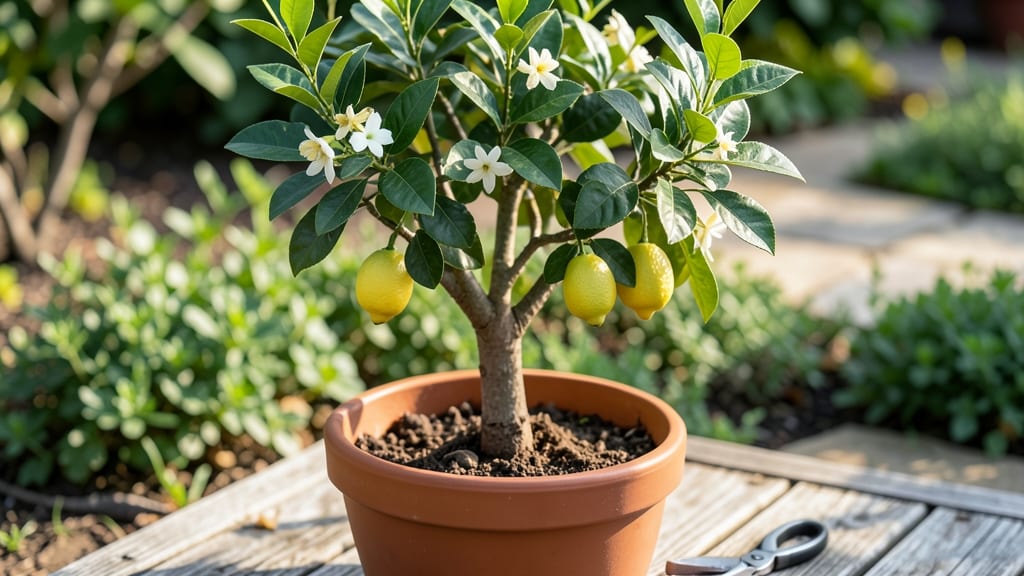
Growing a lemon tree house plant indoors means waking up to the zesty scent of citrus and watching tiny, tart lemons form on your windowsill—something I thought was impossible until I tried it myself.
The key isn’t just sunlight or water; it’s keeping those roots cozy, even when winter chills the air outside. My first lemon tree nearly died from drafty windows, but once I moved it to a warm spot with indirect light, it thrived.
You’ll need a 10-15 gallon pot with drainage, well-draining potting mix, and a sunny window (south or west-facing works best). Water when the top inch of soil feels dry, but never let it sit soggy—root rot is the silent killer of house lemon trees.
A humidifier nearby helps too, since dry indoor air mimics a desert climate, which these trees hate.
By spring, you’ll see glossy new leaves and—with patience—tiny blossoms that turn into lemons. The first fruit might be small, but it’s sweeter than store-bought, and the fragrance alone makes it worth the wait.
Prune sparingly in late winter to shape the tree, and feed it every 6-8 weeks with citrus fertilizer to boost fruit production.
Cold drafts, overwatering, and pests like spider mites are the usual villains, but with the right care, your lemon tree will reward you for years. Even in a small apartment, this fragrant little tree brings a taste of summer indoors—no greenhouse required.
📚 In This Guide
- What you need
- Instructions
- Tips and common mistakes
- Wrapping up and next steps
What you need
- ● Lemon tree house plant (Citrus × limon) – Choose a healthy 1-3 gallon potted plant with vibrant green leaves.
- ● 15-20 inch diameter pot – Ensure it has drainage holes (terracotta or ceramic works best).
- ● Well-draining potting mix – A blend of cactus/succulent mix (60%), perlite (20%), and peat moss or coconut coir (20%).
- ● Slow-release citrus fertilizer – Look for a balanced 10-10-10 or 8-3-9 NPK ratio.
- ● Drip tray or saucer – To catch excess water and prevent root rot.
- ● Spray bottle – For misting leaves (especially in dry climates).
- ● Pruning shears – For trimming dead or overgrown branches.
- ● pH testing kit – To monitor soil acidity (ideal: 6.0–7.0).
- ● Grow lights (LED or fluorescent) – If natural light is limited (12–16 hours/day).
- ● Humidity tray or pebble tray – To boost moisture levels in dry air.
- ○ Support stake or trellis – If your lemon tree grows tall (optional for dwarf varieties).
- ● Mulch (gravel or bark) – To retain moisture and regulate temperature.
Step-by-Step guide to reviving cold-stressed lemon tree roots
Here’s how to nurse your lemon tree back to health after cold damage—without losing the fragrant growth you love.
Assess Root Damage and Trim Dead Growth
Start by carefully removing the plant from its pot to inspect the roots. Healthy roots are firm and white or light tan, while damaged roots will appear mushy, black, or easily break apart. Use sterilized pruning shears to trim away any soft, discolored roots—this prevents rot from spreading further.
Don’t panic if you see some damage. Even if half the roots look compromised, the remaining healthy ones can regrow. Focus on cutting back only the clearly dead sections. After trimming, rinse the roots gently with room-temperature water to remove any remaining soil or debris.
Repot in Fresh, Well-Draining Soil
Choose a pot just 1-2 inches larger in diameter than the current one—too much extra space encourages root rot. Fill the bottom with a 1-inch layer of clean gravel or perlite to improve drainage. This prevents water from pooling around the roots, which cold-stressed plants are especially sensitive to.
Use a high-quality potting mix designed for citrus trees, which drains well but retains enough moisture to support recovery. Mix in a handful of coarse sand or perlite if your mix feels too dense. Gently place the lemon tree back into the pot, ensuring the root ball sits at the same depth as before.
Adjust Watering and Light for Recovery
Water lightly but thoroughly right after repotting—just enough to moisten the soil without soaking it. Let the top inch of soil dry out completely before watering again. Overwatering now will drown the roots, while underwatering can stress the plant further. Stick your finger into the soil to check moisture levels daily.
Move the lemon tree to a location with bright, indirect light—like an east-facing window or a spot 3-4 feet away from a south-facing window. Avoid direct sunlight for at least 2 weeks, as the plant’s energy is focused on root recovery, not photosynthesis. You’ll notice new growth within 3-4 weeks if the roots are healing properly.
Monitor for Signs of Recovery
Watch for small, pale green leaves emerging from the stem—this is your first sign the roots are regrowing. If no new growth appears after 6 weeks, gently check the roots again for further damage or rot. Yellowing leaves are normal at first, but if they drop entirely, the plant may need more time or a stronger recovery boost.
Once the tree shows consistent new growth, gradually reintroduce direct sunlight over 1-2 weeks. Resume normal watering habits, keeping the soil evenly moist but never soggy. Cold-stressed lemon trees often bounce back stronger than ever—just give them patience and the right conditions.
Tips & tricks for reviving cold-stressed lemon tree roots
Real talk: Lemon trees are tough, but cold damage can throw them off their game. Here’s how to give your plant the best shot at recovery without guessing.
Root Inspection Precision: When you’re checking roots in Step 1, focus on the texture and color—not just the smell. Healthy roots should snap when bent (not break easily), and they’ll have a firm, white or light tan appearance. If you see any roots that feel slimy or have blackened tips, those are the ones to trim. I learned this the hard way after trying to save a root that was actually rotting—don’t make my mistake! Confession: I skipped this step for years and wondered why my lemon trees never fully recovered.
Drainage is Non-Negotiable: In Step 2, that 1-inch layer of gravel or perlite at the bottom isn’t just a suggestion—it’s your plant’s lifeline. Cold-stressed roots are already struggling, and poor drainage will finish them off. If your pot doesn’t have drainage holes, drill a few before repotting. I’ve seen lemon trees drown in pots with no drainage, even when watered "lightly." Trust me on this: a little extra effort here saves weeks of recovery time.
Light Balance is Everything: The bright, indirect light in Step 3 is crucial, but here’s the thing: too much indirect light can still stress a recovering plant. If your east-facing window gets intense morning sun, move the tree a few feet back. I’ve had lemon trees crisp up in bright indirect light because the leaves were trying to photosynthesize while the roots were still healing. Start with 4-5 hours of indirect light daily, then gradually increase as you see new growth.
Patience Pays Off: Those 3-4 weeks for new growth in Step 3? That’s the minimum. Some lemon trees take up to 6 weeks to show signs of recovery, especially if they were severely cold-stressed. Don’t rush the process—resist the urge to move the plant back into direct sunlight or increase watering until you see consistent new growth. I’ve seen people push their lemon trees too hard too soon, and it set them back even further.
Pro Tips for Lemon Tree House Plant
- Real talk: Lemon trees are tough, but cold damage can throw them off their game.
- Root Inspection Precision: When you’re checking roots in Step 1, focus on the texture and color—not just the smell.
- Drainage is Non-Negotiable: In Step 2, that 1-inch layer of gravel or perlite at the bottom isn’t just a suggestion—it’s your plant’s lifeline.
Frequently asked questions
Got questions about your lemon tree house plant? You’re not alone!
Whether you're a newbie or a seasoned grower, these common queries will help you keep your citrus companion thriving—even when roots get chilly.
How cold can my lemon tree house plant tolerate before damage occurs?
Lemon trees (Citrus limon) are tropical and struggle below 40°F (4°C). Prolonged exposure to 32°F (0°C) or colder risks root damage, leaf drop, or even death. If temps dip, move potted plants indoors or insulate outdoor roots with mulch or frost cloth. Pro tip: Use a thermometer near the plant to monitor conditions!
Why are my lemon tree leaves turning yellow or dropping?
Yellowing leaves (chlorosis) or premature drop often signal overwatering, underwatering, or cold stress. Check soil moisture—it should be dry 1–2 inches deep before watering. Cold roots (below 50°F/10°C) can also shock the plant. Solution: Trim damaged leaves, adjust watering, and relocate to a warmer spot. Test roots for rot if soil feels soggy!
Can I grow a lemon tree indoors year-round in cold climates?
Indoor growing is ideal for cold zones. Place your lemon tree near a south-facing window (6+ hours of sunlight) or use grow lights (12–14 hours/day). Keep temps between 60–75°F (15–24°C) and use a humidifier to mimic tropical conditions. Bonus: Rotate the pot monthly for even growth!
What’s the best alternative if my lemon tree struggles in cold weather?
If lemon trees prove too finicky, try hardier citrus varieties like:
- Meyer lemon (more cold-tolerant, down to 20°F (-6°C) briefly)
- Calamondin orange (compact, thrives indoors, tolerates 30°F (-1°C))
- Dwarf orange (slow-growing, great for containers)
Or opt for non-citrus fragrant plants like Jasmine or Lavender for similar benefits without the cold stress.
How often should I repot my lemon tree house plant?
Repot every 2–3 years or when roots circle the container. Best time: Early spring before active growth. Use a pot 1–2 inches larger with drainage holes and fresh, well-draining soil (e.g., cactus mix + perlite). Warning: Avoid repotting during cold snaps—roots need time to recover!
Quick Troubleshooting Table for Lemon Tree Issues
| Symptom | Likely Cause | Fix It! |
|---|---|---|
| Drooping leaves | Underwatering or root stress | Water deeply; check for cold roots |
| Brown leaf edges | Low humidity or fluoride buildup (tap water) | Use filtered water + pebble tray |
| No flowers/fruit | Lack of sunlight or nutrients | Move to brighter light; fertilize with citrus blend |
| Mushy stems | Overwatering or fungal infection | Trim affected areas; reduce watering |
Wrapping up and next steps
Growing a lemon tree house plant is a rewarding journey that blends beauty with practicality—whether you crave fragrant blooms, tangy citrus, or simply a hardy indoor green thumb project.
With the right care, especially protecting those cold-stressed roots, your lemon tree can thrive for years, gifting you with lush foliage and occasional fruit. 🌱
Ready to take the next step? Start small: pick your favorite variety, gather your supplies, and give your lemon tree the love it deserves. Before you know it, you’ll be sipping fresh lemonade from your very own homegrown tree! 🍋✨