
Pruning
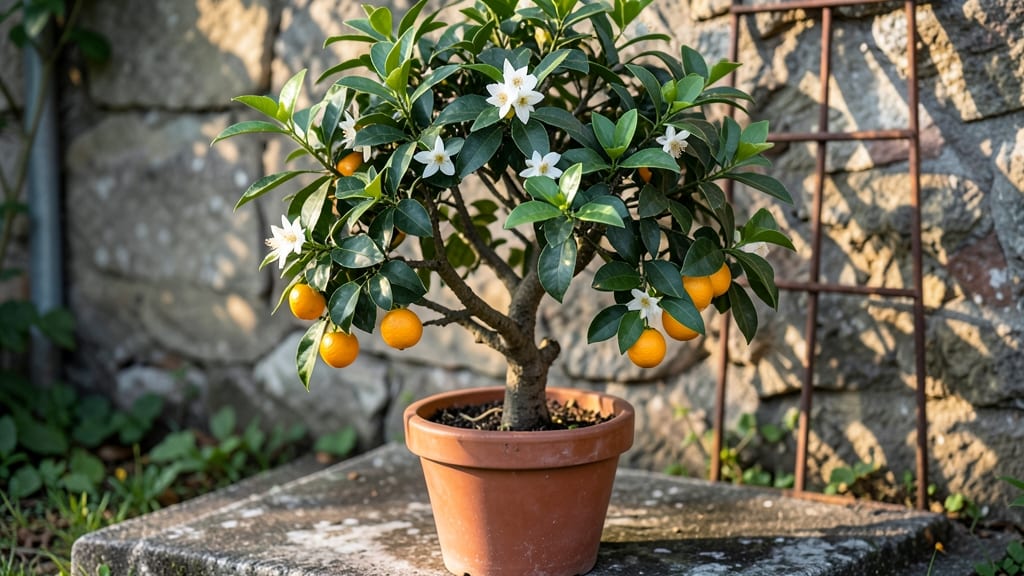
This fragrant calamondin orange tree packs a citrusy punch year-round, and pruning it right keeps it compact, productive, and thriving—indoors, outdoors, or in containers. 🌿 I’ve grown them for six years, and the secret to their longevity isn’t complicated: consistent, seasonal pruning. that encourages bushier growth and sweeter fruit.
The key is working with the tree’s natural shape, not against it. You’ll need sharp pruning shears, a clean workspace, and about 30 minutes every few months. My trees now produce dozens of fruit annually while staying small enough for patios or sunny windowsills.
The best part? Their glossy leaves release a zesty aroma when brushed, making them as ornamental as they are useful.
With proper pruning, you’ll end up with a tree that blooms almost continuously, bears fruit even in winter, and stays disease-resistant thanks to better airflow.
The first harvest comes in 12-18 months, but the real reward is a plant that thrives with minimal fuss—no dead branches, no overgrowth, just steady, fragrant growth.
Whether you’re growing it in a 5-gallon pot on a balcony or planting it in the ground in USDA Zones 9-11, the same principles apply. Let’s get those branches shaped for maximum beauty and bounty.
📚 In This Guide
- What you need
- Instructions
- Tips and common mistakes
- Wrapping up and next steps
What you need
- ● Pruning shears: Bypass pruners (sharp, clean, and sterilized with rubbing alcohol to prevent disease). Recommended: Felco F-2 or similar (for small to medium branches).
- ● Hand pruners: For delicate trimming (e.g., Concord or Fiskars ergonomic pruners).
- ● Loppers: For thicker branches (1–2 inches in diameter). Tip: Look for ratcheting loppers for extra leverage!
- ● Gloves: Heavy-duty gardening gloves (nitrile-coated for grip and protection from thorns).
- ● Disinfectant: 70% isopropyl alcohol or a store-bought pruning sealant (e.g., Pruning Wax).
- ○ Sharpie marker: For labeling cuts (optional but helpful for tracking growth).
- ● Bucket or bag: To collect pruned branches (for composting or disposal).
- ● Hose or water spray bottle: To clean tools between cuts and refresh the tree post-pruning.
- ● Pruning saw: For very thick branches (rare in calamondins, but useful if your tree is mature).
- ● Tree ties or twine: If you’re training young branches for support.
- ● Fertilizer (balanced, citrus-specific): Like Espoma Citrus-Tone, to give your tree a post-pruning boost.
- ● 📅 Timing: Prune in late winter/early spring (just before new growth) or summer (to shape without stressing the tree). Avoid heavy pruning in fall.
- ● ⚠️ Safety first: Wear gloves—calamondin thorns are sharp!
- ● 🌞 Weather: Choose a dry, overcast day to prevent stress on fresh cuts.
- ● 📏 Know your tree: Familiarize yourself with calamondin’s natural shape (compact, bushy) to avoid over-pruning.
Step-by-Step guide to pruning your calamondin orange tree
Here's the method I've used for years to keep my calamondin thriving indoors—simple, fragrant, and always productive.
🌿 Step 1: Assess Growth and Identify Pruning Zones
Start by examining your calamondin's structure in bright, natural light. Look for areas where branches grow inward, cross each other, or become overly dense. These are your primary targets—removing them opens the canopy to better airflow and sunlight penetration. I also check for dead or diseased branches (they'll be brown, brittle, or devoid of leaves) and mark them for removal.
Use your fingers to gently trace the growth pattern of each branch. Healthy branches should have a smooth, green stem with small, evenly spaced leaves. If you feel any soft or mushy spots, that branch is compromised and should be pruned immediately. This step ensures you're only working with vigorous growth that will respond well to cutting.
✂️ Step 2: Prune for Shape and Airflow
Make your first cuts just above a leaf node or outward-facing bud, using clean, sharp pruning shears. Angle the cut slightly downward to prevent water from pooling on the wound. For thicker branches, I use a small saw to avoid tearing the bark. The goal is to create an open, vase-like shape that allows sunlight to reach all parts of the tree.
Remove any suckers or water sprouts—those are the fast-growing, weak shoots that appear at the base or along the trunk. These compete with your main branches for nutrients and should be cut back to the main stem. I like to prune these in stages, removing about 25% of the total growth at a time to avoid shocking the tree.
☀️ Step 3: Encourage New Growth and Flowering
After shaping the tree, focus on stimulating new growth by cutting back the tips of vigorous branches. This encourages lateral branching, which is where most of the fragrant blossoms and fruit develop. I target branches that are growing too long or leggy—these are often the ones that produce fewer flowers. Cut just above a leaf node where you see a bud forming.
Don't prune more than one-third of the tree's total foliage in a single session. The calamondin is resilient, but over-pruning can stress it, leading to fewer flowers and fruit. If you're pruning heavily, spread it out over two sessions a few weeks apart. After pruning, give the tree a light application of balanced fertilizer to support new growth.
💧 Step 4: Post-Pruning Care for Recovery
Water the tree thoroughly after pruning to help it recover from the stress of cutting. The roots will need to support new growth, so keep the soil consistently moist but not soggy. I like to use room-temperature water and avoid getting the leaves wet to prevent fungal issues. Place the tree in a location with bright, indirect light for the first week after pruning.
Monitor the tree closely in the days following pruning. New growth should appear within 2-4 weeks at the pruned nodes. If you notice any yellowing leaves or wilting, it could be a sign of over-pruning or stress. In this case, reduce watering slightly and move the tree to a slightly shadier spot until it recovers.
Tips & tricks for perfect calamondin orange tree pruning
Real talk: Pruning this fragrant little tree right can transform it from a struggling houseplant to a blooming, fruiting powerhouse. Here's what nobody tells you—
Tool Prep: Sterilize your pruning shears with rubbing alcohol before you start. I learned this the hard way after transferring fungal spores from one branch to another. Clean tools also make precise cuts that heal faster—critical for calamondins, which bruise easily. For thicker branches, use a small handsaw with a fine-tooth blade to avoid tearing the bark, just like in Step 2.
Seasonal Timing: The best time to prune is just after your tree finishes flowering—this gives it energy to recover before its next bloom cycle. For indoor calamondins, aim for late winter to early spring when natural light increases. Avoid heavy pruning during the summer fruit-setting period, as this can reduce your harvest. Think of it like Step 3's timing—cut when the tree is in its growth phase, not its fruiting phase.
Visual Pruning Cues: When you're deciding which branches to cut, look for these telltale signs: branches growing toward the center create a "cage" that blocks light, while those growing outward form the perfect vase shape. For leggy branches in Step 3, cut back to the point where you see three or more leaf nodes—this encourages bushier growth. I always make my cuts just above a leaf node where a bud is forming, following the exact technique from Step 2.
Recovery Monitoring: After pruning, watch for new growth at the pruned nodes within 2-4 weeks as mentioned in Step 4. If you don't see any buds forming after this time, you may have pruned too aggressively. For stressed trees, reduce watering slightly and move to brighter light—calamondins are tough but need patience during recovery. This is where the "one-third rule" from Step 3 really pays off.
Pro Tips for Calamondin Orange Tree
- Real talk: Pruning this fragrant little tree right can transform it from a struggling houseplant to a blooming, fruiting powerhouse.
- Tool Prep: Sterilize your pruning shears with rubbing alcohol before you start.
- Seasonal Timing: The best time to prune is just after your tree finishes flowering—this gives it energy to recover before its next bloom cycle.
Frequently asked questions
Got questions about keeping your calamondin orange tree thriving with year-round pruning? You’re not alone! Here are answers to the most common concerns—from timing to troubleshooting—so you can enjoy that fragrant citrus aroma without the guesswork.
How often should I prune my calamondin orange tree?
Prune your calamondin tree lightly every 3–4 months to encourage bushier growth and better airflow. Focus on removing dead, crossing, or overcrowded branches. Avoid heavy pruning in winter ( below 50°F/10°C) to prevent stress. Think of it like trimming your hair—regular touch-ups keep it healthy!
Can I prune a calamondin tree at any time of year?
While you can prune year-round in mild climates, the best times are spring and early fall (). Avoid pruning during flowering () or fruiting to protect your harvest. In colder areas, wait until after the last frost. Pro tip: Prune after watering to reduce shock!
What’s the best way to prune for more fruit?
To boost fruit production, prune selectively: Cut back overly leggy branches by ⅓ to promote bushier growth, and remove suckers (shoots at the base). Focus on open-center pruning—keep the center of the tree airy to prevent disease. Less is more!
Why is my calamondin tree dropping leaves after pruning?
Leaf drop is normal if you’ve pruned too aggressively or in hot/dry conditions. To help, water deeply and avoid fertilizing for 2–3 weeks post-prune. If leaves turn yellow or wilt, check for pests () or overwatering. A light pruning session in cooler weather ( 60–75°F/15–24°C) minimizes stress.
Can I use calamondin branches for cuttings?
Take 4–6-inch cuttings from healthy, non-flowering branches in spring. Dip the cut end in rooting hormone (optional) and plant in moist perlite or sand. Keep humidity high () and place in bright, indirect light. Roots should form in 4–8 weeks—perfect for propagating your citrus collection!
What if I accidentally prune too much?
Don’t panic! If you’ve over-pruned, reduce watering and avoid fertilizing for 4–6 weeks to let the tree recover. Focus on new growth—it’ll bounce back faster than you think. For severe cases, prune evenly next time to maintain balance. Patience is key!
Wrapping up and next steps
Growing a calamondin orange tree is a rewarding journey—its fragrant blossoms, vibrant foliage, and low-maintenance nature make it a standout addition to any garden or patio. By mastering year-round pruning, you’ll encourage healthy growth, abundant fruit, and a lush, compact shape.
Whether you’re a seasoned gardener or just starting, these techniques will help you enjoy this tropical beauty with confidence!
Ready to take the next step? Grab your pruners and give your calamondin tree the care it deserves! 🌿✨