
Pruning
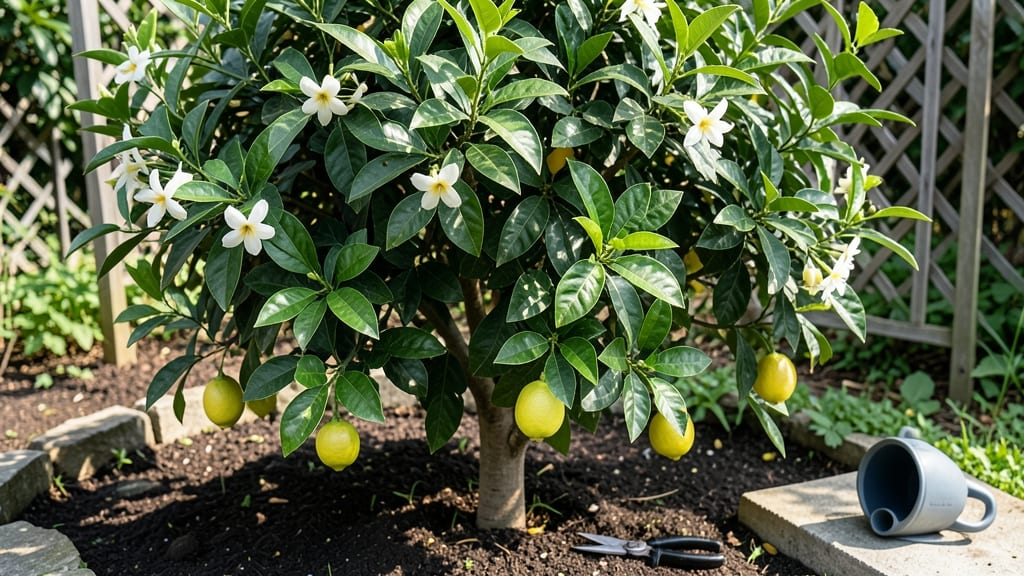
Here are some essential lemon tree care tips that most guides skip—like how to coax fruit indoors without drowning it in love (or sunlight). 🌿 My kitchen windowsill now hums with lemony perfume, thanks to nailing the tightrope between lazy and obsessive. when you let them be, not when you fuss over them.
The secret starts with well-draining soil (no soggy roots!) and a south-facing window that mimics their Mediterranean homeland. Most people overwater, drowning the roots, or starve them of light, leaving them leggy and sad.
A 10-inch pot with drainage holes and a mix of potting soil and perlite keeps things just right, while a grow light bridges the gap when winter dims the sun.
By summer, you’ll watch those glossy leaves unfurl and tiny white flowers bloom—then, with luck, lemons the size of marbles. The scent alone makes it worth the effort, but the real reward?
Fresh lemons in January when store-bought fruit is bland and waxy. Here’s how to keep yours thriving through every season without the guesswork.
Whether you’re battling spider mites in summer or preventing fungal rot in winter, these citrus-specific tweaks make all the difference. Let’s get your tree growing strong—no yellow leaves or dropped fruit in sight.
📚 In This Guide
- What you need
- Instructions
- Tips and common mistakes
- Wrapping up and next steps
What you need
- ● Potting Soil: Well-draining citrus-specific potting mix (or a blend of 60% potting soil + 40% perlite/sand). Quantity: Enough to fill your pot (typically 10-20% larger than the tree’s root ball).
- ● Pot: A container with drainage holes (clay or ceramic preferred). Size: 12–18 inches in diameter for mature trees; 5–7 inches for young seedlings.
- ● Fertilizer: Citrus-specific fertilizer (e.g., 6-6-6 or 8-3-9 NPK ratio). Quantity: 1 tbsp per gallon of soil, applied every 4–6 weeks during growing season (spring–fall).
- ○ Slow-release granules (optional for convenience).
- ● Pruning Tools: Bypass pruners (for clean cuts on small branches).
- ● Loppers (for thicker branches, up to 1-inch diameter).
- ● Sterilizing solution (70% isopropyl alcohol or bleach water) to disinfect tools between cuts.
- ● Watering Supplies: Watering can with a rose attachment (for gentle, deep watering).
- ○ Moisture meter (optional, to monitor soil hydration).
- ● Mulch: Organic mulch (e.g., straw or shredded bark) to retain moisture. Thickness: 2–3 inches around the base (keep 2 inches away from the trunk).
- ● Grow lights (for indoor trees, 12–14 hours of light daily).
- ● Humidity tray (pebble tray with water to boost humidity in dry climates).
- ● Epsom salt (1 tbsp per gallon of water monthly for magnesium boost).
- ● Tree supports (stakes or cages for young trees in windy areas).
Step-by-step lemon tree care for year-round growth
Here's how to keep your citrus tree thriving through every season—no guesswork.
🌱 Step 1: Position for Maximum Sunlight
Lemon trees need 6-8 hours of direct sunlight daily to produce fruit and stay healthy. Place your tree near a south-facing window or use a grow light if indoors. You'll notice the leaves darken and stems strengthen when they get enough light—this is your sign they're happy.
Outdoors, choose a spot with partial afternoon shade during summer's peak heat to prevent leaf scorch. If leaves start curling or turning yellow, move the tree closer to the light source. I've seen trees recover from poor placement when given more sun, but it takes 2-3 weeks of adjustment.
💧 Step 2: Water Deeply but Carefully
Water your lemon tree when the top 2 inches of soil feel dry to the touch. Stick your finger in the soil—if it's damp below that depth, wait another day. Overwatering is the #1 killer of lemon trees because it causes root rot.
Use room-temperature water to avoid shocking the roots. Pour water slowly at the base until it runs out the drainage holes. Empty the saucer afterward to prevent soggy roots. In winter, reduce watering to every 10-14 days since growth slows dramatically.
☀️ Step 3: Feed During Active Growth
Apply a balanced citrus fertilizer every 4-6 weeks during spring and summer when you see new growth. Look for a fertilizer with equal parts nitrogen, phosphorus, and potassium (like 6-6-6) plus micronutrients. I always fertilize right after watering so nutrients aren't washed away immediately.
Stop fertilizing in fall and winter when the tree enters dormancy. Too much food during these seasons leads to weak growth and attracts pests. You'll know your tree is getting enough nutrients when it produces bright green leaves and blooms regularly.
✂️ Step 4: Prune for Shape and Airflow
Prune your lemon tree in late winter or early spring before new growth begins. Remove any dead, diseased, or crossing branches first—these are easy to spot because they look brown or are growing inward. Use clean, sharp pruning shears to make cuts just above a leaf node.
Shape the tree by cutting back overgrown branches to maintain an open center. This improves airflow and sunlight penetration, which prevents fungal issues. Never remove more than 25% of the tree's foliage in one pruning session—this stresses the plant unnecessarily.
🪴 Step 5: Protect Through Seasonal Changes
In winter, move potted lemon trees indoors where temperatures stay above 50°F. If outdoors, protect from frost with burlap wraps or a frost cloth. Watch for leaves dropping—this is normal in cold weather, but if it happens suddenly, your tree may be too cold.
In summer, watch for aphids or spider mites on the undersides of leaves. Treat infestations immediately with neem oil spray or insecticidal soap. A healthy tree will bounce back quickly, but pests spread fast when ignored. I always check leaves weekly during warm months to catch problems early.
Tips & tricks for perfect lemon tree care
These little details make all the difference between a struggling lemon tree and one that thrives year after year.
Light Adjustment Secrets: If your tree isn't getting enough natural light, supplement with a full-spectrum grow light placed 6-12 inches above the leaves for 12-14 hours daily. I've seen trees in north-facing windows recover completely when given just 2 extra hours of artificial light per day. The key is consistency—don't move the light around once you've positioned it.
Watering Wisdom: The top 2 inches dry test works best with your finger—press gently to avoid compacting the soil. For potted trees, weigh the pot before watering (when it feels noticeably lighter, it's time). In winter, I reduce watering to every 10-14 days and check the soil first—cold weather slows evaporation dramatically, and soggy soil can rot roots even in dormancy.
Fertilizer Timing: The 4-6 weeks spring/summer schedule works best when you see new growth. I always fertilize right after watering so nutrients penetrate deeply. For extra blooms, add a low-nitrogen citrus bloom booster (like 5-10-10) 6-8 weeks before your area's first frost date. This triggers flowering without overfeeding the tree.
Pruning Precision: When shaping your tree in Step 4, focus on creating an open center by cutting branches back to just above a leaf node. This improves airflow and sunlight penetration—critical for preventing fungal diseases. I always sterilize my pruning shears with rubbing alcohol between cuts to prevent spreading any potential infections.
Pro Tips for Lemon Tree Care Tips
- These little details make all the difference between a struggling lemon tree and one that thrives year after year.
- Light Adjustment Secrets: If your tree isn't getting enough natural light, supplement with a full-spectrum grow light placed 6-12 inches above the leaves for 12-14 hours daily.
- Watering Wisdom: The top 2 inches dry test works best with your finger—press gently to avoid compacting the soil.
Frequently asked questions
Got questions about keeping your lemon tree happy and productive?
Here are answers to the most common concerns—so you can enjoy fresh lemons year-round without the guesswork!
How often should I prune my lemon tree?
Prune your lemon tree twice a year: once in late winter (before new growth) to shape it and remove dead wood, and again in early summer to encourage fruiting. Avoid heavy pruning during flowering or fruiting seasons—this can stress the tree and reduce harvests. Pro tip: Use sterilized tools to prevent disease!
Why aren’t my lemon tree leaves turning yellow?
Yellow leaves often signal overwatering, underwatering, or nutrient deficiencies. Check the soil—it should stay slightly moist but not soggy. Yellowing with brown edges? Likely underwatering. Yellow with mushy stems? Overwatering. For a quick fix, flush the soil with water and adjust your watering schedule. Pro tip: Test soil pH (ideal: 6.0–7.0) for magnesium or iron issues!
Can lemon trees survive winter frost?
Most lemon trees (Citrus × limon) are tender perennials and can’t handle frost below 25°F (-4°C). If frost is forecast, move potted trees indoors or wrap them in frost cloth. For outdoor trees, mulch the base heavily and wrap the trunk. Pro tip: Dormant trees (no leaves) are slightly more frost-resistant—prune lightly in fall to reduce stress!
Should I fertilize my lemon tree in winter?
No! Lemon trees rest in winter, so skip fertilizing from late fall to early spring. Resume feeding in early spring with a balanced citrus fertilizer (e.g., 6-6-6 or 8-3-9). Over-fertilizing in winter can burn roots. Pro tip: Use half-strength fertilizer in late summer to encourage root growth before winter dormancy!
Can I grow a lemon tree from a grocery store lemon?
Yes, but it’s hit-or-miss—grocery store lemons are often hybrids or treated to prevent sprouting. Try this: 1. Save a seed, dry it for 2–3 days, then plant it 1/4-inch deep in moist soil. 2. Keep it warm (70–80°F) and humid. 3. Be patient—it may take years to fruit (if at all). Pro tip: For faster results, buy a grafted tree from a nursery!
How do I get rid of pests like aphids or spider mites?
Start with a strong spray of water to dislodge pests, then use neem oil (1 tsp per quart of water) or insecticidal soap. For severe infestations, repeat every 5–7 days. Prevent future issues by keeping your tree healthy (water consistently, prune for airflow) and inspecting new leaves regularly. Pro tip: Introduce ladybugs—they’re natural aphid predators!
Wrapping up and next steps
Caring for a lemon tree is a rewarding journey that brings fresh, zesty fruits right to your doorstep! 🌿 With the right balance of sunlight, water, pruning, and seasonal adjustments, your tree can thrive year-round.
Remember, consistency is key—whether you’re a seasoned gardener or just starting out, your lemon tree will thank you with abundant blooms and juicy lemons.
Now that you’re armed with these lemon tree care tips, why not take the next step? Grab your pruning shears and give your tree a little TLC today! Happy growing! 🍋✨