
Blooming
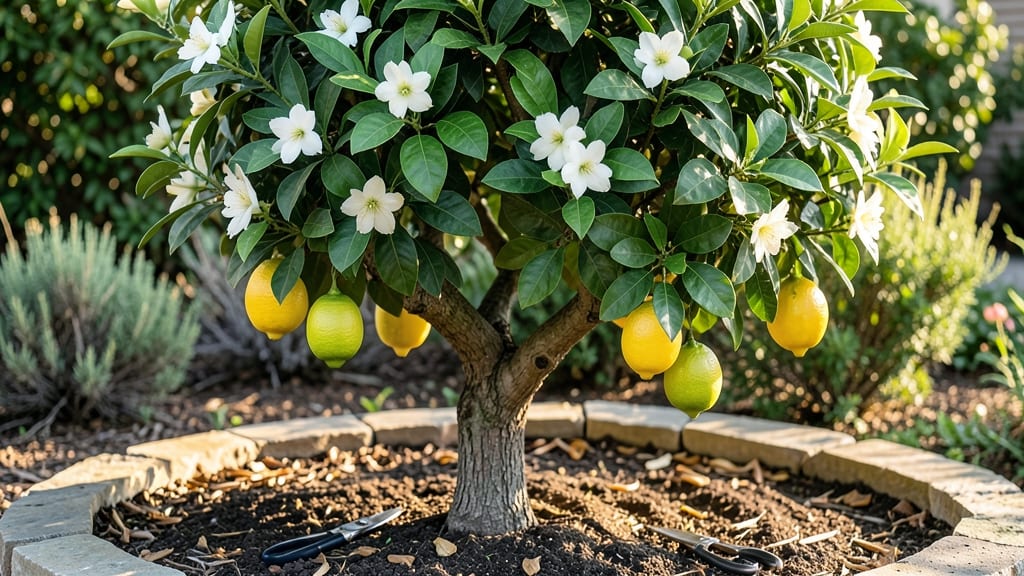
Your lemon tree blooms aren't just pretty—they're the promise of harvests to come, and cold-stressed roots are the secret to unlocking that fragrant spring display. 🌿 I learned this the hard way after my first winter left my tree bare and silent, until I realized how winter chill actually triggers blooming.
The key isn't coddling your tree but giving its roots the right kind of stress to wake up the flowers.
Here's the thing—lemon trees need three months of winter chill (40-50°F nights) to set buds properly. Too much heat in winter? No blooms. Too little cold? Same result.
Once you hit that sweet spot, you'll see those delicate white flowers appear in late winter or early spring, filling your garden with a citrusy perfume that lasts for weeks. The blooms themselves are stunning, but what comes after—those bright green lemons—makes it all worthwhile.
You'll know you're on the right track when you see new growth pushing out alongside the flowers, and the branches start heavy with potential fruit. The timing varies by zone: Zone 9-10 trees bloom in January-February, while colder zones might wait until March or April.
That's when the real magic happens—the scent, the anticipation, and the knowledge that your hard work is paying off.
This works for both container-grown trees and in-ground plants, though container trees need extra winter protection. Whether you're in California's coastal zones or the Deep South, the principles stay the same: chill, then warmth, then patience. Let's get those roots ready for their fragrant show.
📚 In This Guide
- What you need
- Instructions
- Tips and common mistakes
- Wrapping up and next steps
What you need
- ● Lemon tree (Citrus × limon) – A healthy, potted or in-ground tree (dwarf varieties like Meyer lemon work great for containers!).
- ● Well-draining potting mix – 5–10 gallons, depending on pot size (look for a blend labeled for citrus or Mediterranean plants).
- ● Container (if repotting) – A pot 1–2 inches larger in diameter than the current root ball, with drainage holes. Terracotta or fabric pots are ideal!
- ● Slow-release citrus fertilizer – 10–15-10 NPK ratio (e.g., Espoma Citrus-Tone or Miracle-Gro Shake ’n Feed).
- ● Organic mulch – 2–3 inches of pine bark, straw, or wood chips to retain moisture and protect roots.
- ● Watering can or hose with a gentle spray nozzle – For deep, even hydration without shocking roots.
- ● Pruning shears – Sharp, clean shears (sterilize with rubbing alcohol!) to trim dead or damaged branches.
- ○ Root stimulator (optional but helpful) – A product like Rootone F1 to encourage root recovery after cold stress.
- ● Warmth & patience – Lemon trees need consistent temperatures above 50°F (10°C) to bloom. If your area still dips cold, consider a greenhouse or cold frame.
- ● Sunlight access – 6+ hours of direct sunlight daily. South- or west-facing spots are ideal!
- ● Time of year – Start this process in early spring (March–April) for the best bloom timing.
- ● Cold recovery check – Before repotting, inspect roots for soft, mushy, or blackened areas (signs of frost damage). Trim these away!
- ● Feed lightly – Over-fertilizing can delay blooms. Use half-strength fertilizer every 4–6 weeks once new growth appears.
- ● Hand-pollinate – If your tree isn’t near other citrus, use a soft paintbrush to transfer pollen between flowers for fruit set!
- ● Stress = blooms – Slightly root-bound trees (pot-bound) often flower more. Avoid repotting too often!
How to revitalize a lemon tree for abundant spring blooms
Cold roots mean delayed blooms—here’s how to coax your lemon tree back to life.
🌱 Step 1: Inspect and Warm the Root System
Start by gently removing mulch and topsoil around the base to expose the roots. You’re looking for signs of cold stress: dark, mushy spots or roots that feel slimy to the touch. Healthy roots should be firm and white or light tan. If your tree’s been in freezing temps, you’ll likely see a few damaged roots—don’t panic, they’ll regenerate.
Wrap the exposed roots in a 1-inch-thick layer of straw mulch (not wood chips—these can mat and trap moisture). This acts like a blanket, protecting roots from further cold snaps while allowing airflow. Water the soil around the roots until it’s moist 6 inches down, but not soggy. You’ll know it’s right when water drains through the bottom of the pot or soil within 10-15 minutes.
☀️ Step 2: Adjust Light and Temperature Gradually
Lemon trees need full sun (6-8 hours daily) to bloom, but sudden exposure after cold stress can shock them. Move your tree to a bright, indirect light spot for the first week—think east-facing window or under a sheer curtain. Watch for new growth: if leaves yellow or drop, it’s a sign the transition is too fast.
Keep daytime temps between 65-75°F and nighttime temps above 50°F. If your home runs cooler, a small space heater (set to 60°F) near the tree at night can prevent stunted blooming. Avoid drafts—cold air from windows or doors will stress the tree further. You’ll see the first sign of recovery when new leaves emerge with a bright green hue and slightly waxy texture.
💧 Step 3: Fertilize for Blooming and Root Recovery
Use a balanced citrus fertilizer (6-6-6 ratio) mixed at half strength to avoid burning roots still recovering from cold. Apply it to moist soil in early spring, about 3-4 weeks after new growth appears. Water deeply before and after to help nutrients reach the roots. Over-fertilizing now can stress the tree—stick to the half-strength dose until you see new flower buds forming (they’ll look like tiny green bumps along branches).
Here’s the thing—lemon trees bloom best when they’ve stored enough energy. If your tree looks weak, add a slow-release fertilizer pellet to the soil. These release nutrients over 3-4 months, giving your tree a steady boost without the risk of overdoing it. You’ll know it’s working when leaves stay dark green and glossy without brown edges.
⏰ Step 4: Prune for Airflow and Encourage Blooms
Use clean, sharp pruners to trim back any dead, crossing, or overly crowded branches. Cut just above a leaf node (the bump where leaves grow) to encourage new growth. Remove no more than 20% of the tree’s foliage—this keeps it from getting overwhelmed. You’ll see where to cut: dead branches snap easily, while healthy ones bend slightly.
After pruning, spray the tree with a fungicide solution (optional but helpful if your area has high humidity). This prevents infections from open cuts. Now’s also the time to thin out dense clusters—aim for 3-4 inches between branches so air circulates freely. Better airflow means fewer pests and more blooms. Watch for tiny white flower buds in 4-6 weeks—that’s your reward for the work!
Tips & tricks for perfect lemon tree blooms
Between us, these little details make all the difference when your lemon tree is coming back from cold stress.
Root Recovery Check: In Step 1, when you're checking roots, look for a crisp, white texture—this is your sign of healthy growth. If you find any dark, mushy spots, gently trim them away with sterilized scissors, but don't overdo it. The roots will regenerate, but you want to remove the worst of the damage first. This careful inspection is what prevents future rot from spreading.
Temperature Transition: That first week in bright, indirect light is crucial—think of it like physical therapy for your tree. If you notice leaves curling or drooping after moving it, it's a sign to slow down. Gradually increase sunlight exposure over the week, especially if your tree was previously in low-light conditions. The goal is to mimic natural spring progression, not shock the system.
Fertilizer Timing: The 3-4 week wait before fertilizing might feel long, but it's essential. Your tree needs time to recover its root system first. If you're impatient, you can do a soil test to check pH levels—ideal range is 6.0-7.0 for citrus. If your soil is acidic (below 6.0), add a bit of lime to balance it before fertilizing, as this helps nutrient absorption.
Pruning Precision: When you're thinning those dense clusters in Step 4, aim for a natural, open shape rather than just removing leaves. This isn't just about airflow—it's about encouraging the tree to focus its energy on producing flowers rather than maintaining dense foliage. You'll know you're doing it right when you see new growth emerging from the pruned areas within 2-3 weeks.
Pro Tips for Lemon Tree Blooms
- Between us, these little details make all the difference when your lemon tree is coming back from cold stress.
- Root Recovery Check: In Step 1, when you're checking roots, look for a crisp, white texture—this is your sign of healthy growth.
- Temperature Transition: That first week in bright, indirect light is crucial—think of it like physical therapy for your tree.
Frequently asked questions
Got questions about your lemon tree’s blooms? You’re not alone!
Here are answers to the most common concerns—from timing to troubleshooting—so you can enjoy those fragrant spring showers without stress.
Why isn’t my lemon tree blooming even though it’s spring?
Lemon trees often need a cold stress period (like 40–50°F nights) to trigger blooms. If your tree’s roots stay too warm (e.g., in containers or hot climates), it may skip flowering. Try moving potted trees outdoors during cool evenings or prune excess foliage to encourage blooming. Patience is key—young trees (under 3 years) may take longer!
How long does it take for lemon tree flowers to turn into fruit?
After blooming, lemon flowers typically take 3–6 months to ripen into fruit, depending on variety and climate. Pollination (by bees or wind) is critical—hand-pollinate with a soft brush if blooms aren’t attracting pollinators. Thin overripe fruit early to ensure the remaining lemons grow larger and healthier.
Can I force my lemon tree to bloom earlier than spring?
While you can’t force blooms, you can optimize conditions:
- Provide 6–8 hours of sunlight daily (partial shade in extreme heat).
- Water deeply but avoid soggy soil—root rot stresses trees.
- Fertilize with citrus-specific food (high in nitrogen early, phosphorus later).
- Mimic winter chill with cool nights (even in warm climates).
My lemon tree bloomed but dropped all the flowers. What went wrong?
Flower drop is usually due to stress—check for:
- Overwatering or drought (keep soil evenly moist).
- Temperature swings (protect from frost or sudden heat).
- Nutrient deficiencies (yellow leaves? Test soil and rebalance).
- Pests (aphids or spider mites sap energy—spray with neem oil if needed).
Are there lemon tree alternatives that bloom more reliably?
If your lemon tree struggles, try these low-maintenance bloomers:
Variety
Bloom Time
Notes
Meyer Lemon
Spring/Fall
Cold-hardier, sweeter fruit, and more forgiving than standard lemons.
Lemon Verbena
Summer (fragrant flowers)
Not edible, but its blooms are perfect for teas and garnishes!
Calamondin Orange
Year-round (tropical climates)
Dwarf size, great for containers, and produces tiny, tart oranges.
For fastest blooms, choose dwarf varieties—they mature quicker and often flower within 1–2 years.
Wrapping up and next steps
Watching your lemon tree bloom is a rewarding journey that turns cold stress into a fragrant spring spectacle! 🌸 By understanding the root needs and seasonal care behind those delicate blossoms, you’re not just growing a tree—you’re nurturing a promise of zesty lemons ahead.
Whether you’re a seasoned gardener or just starting, every step you take brings you closer to that first burst of citrusy perfume in the air.
Ready to harness the magic? Start by observing your tree’s roots this season—adjust your care routine, and soon, your lemon tree will reward you with abundant blooms and future harvests. Happy growing! 🌿