
Pruning
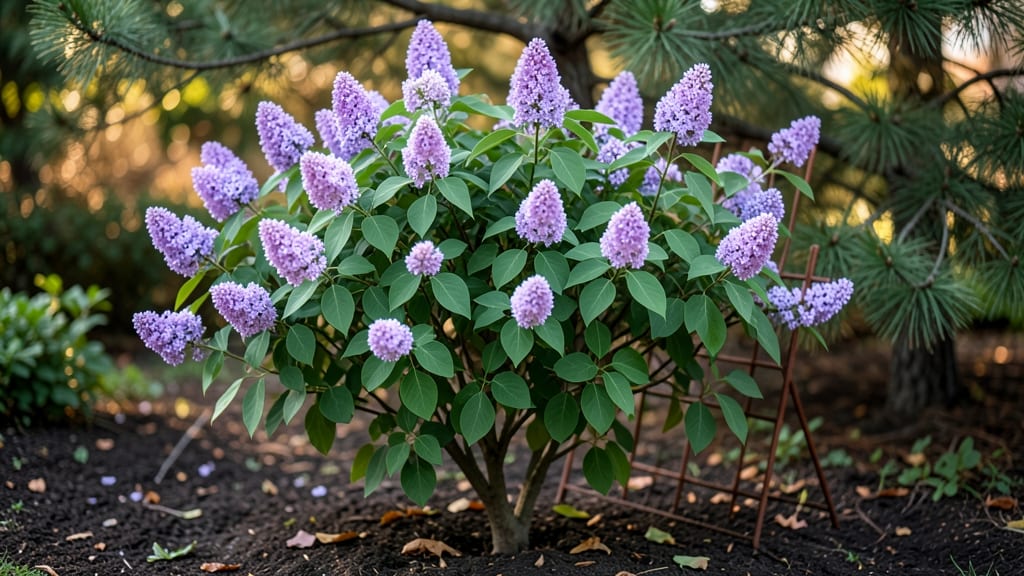
The Korean lilac tree (Syringa meyeri) delivers fragrant blooms on a compact frame that fits any yard—even small spaces. I fell for it after my first whiff of those sweet, lavender-like flowers in early spring, and now I can't imagine a garden without one.
Unlike its larger cousins, this lilac stays tidy at just 6-10 feet tall, making it perfect for urban gardens or foundation plantings.
What makes it special is its cold-hardiness—this tree thrives in zones 3-8, where traditional lilacs often struggle. The blooms appear earlier, last longer, and even rebloom lightly in fall with the right care.
You’ll need well-draining soil and full sun to partial shade, but once established, it’s nearly maintenance-free. Watering is simple: deep soaks once a week in dry spells, but never soggy soil.
By late summer, you’ll see glossy green foliage that turns golden-yellow in fall, adding seasonal interest. The scent alone makes it worth growing, but the compact size and reliable blooms make it a standout compared to other lilacs.
Pruning after flowering keeps it shaped and encourages next year’s blossoms. Let’s get yours planted right!
This lilac handles city pollution better than most, making it ideal for urban landscapes. Just watch for spider mites in drought conditions—they’re the only real pest I’ve encountered. With proper placement and care, your Korean lilac will reward you with years of effortless beauty and that intoxicating fragrance every spring.
📚 In This Guide
- What you need
- Instructions
- Tips and common mistakes
- Wrapping up and next steps
What you need
- ● Korean Lilac Tree: 1–3 bare-root saplings (3–5 ft tall) or container-grown plants (from a nursery or online retailer)
- ● Pro tip: Choose disease-resistant varieties like ‘Palibin’ or ‘Pink Perfume’ for easier care! 💡
- ● Soil: Well-draining, slightly acidic soil (pH 6.0–7.0)
- ● 1–2 bags (40–50 lbs each) of compost or peat moss (to improve drainage and fertility)
- ○ Optional: 1 lb of sulfur (if amending alkaline soil)
- ● Fertilizer: 10–10–10 balanced fertilizer (1 lb) or slow-release granules (e.g., Osmocote)
- ○ Optional: Epsom salt (1 tbsp) for magnesium boost (especially in clay soils)
- ● Pruning Tools: 1 pair of bypass pruners (for clean cuts on small branches)
- ● 1 pair of loppers (for thicker stems, 1–2 inches in diameter)
- ● 1 pruning saw (for stubborn, woody branches)
- ● 1 bottle of pruning sealant (e.g., Tanglefoot) or copper-based fungicide (to prevent disease)
- ● Planting Supplies: 1 shovel (for digging holes)
- ● 1 garden trowel (for root adjustments)
- ○ 1 roll of landscape fabric (optional, for weed suppression)
- ● 4–6 stakes (if planting in windy areas) + twine
- ● Safety Gear: 1 pair of gloves (cut-resistant for pruning)
- ● 1 safety goggles (when using power tools, if applicable)
- ● Location: Full sun (6+ hours/day) or partial shade (especially in hot climates)
- ● Protection from strong winds (Korean Lilacs are delicate bloomers!)
- ● Climate: USDA Hardiness Zones 3–8 (cold-hardy but dislikes soggy roots)
- ● Plant in early spring or fall (avoid extreme heat or frost)
- ● Watering Setup: 1 garden hose with adjustable nozzle
- ○ Optional: drip irrigation system (for consistent moisture)
Step-by-step instructions for planting and establishing a Korean lilac tree
Here’s how to give your Korean lilac the perfect start for decades of fragrant blooms.
Select the Optimal Planting Location
Choose a site that receives full sun—at least 6-8 hours of direct sunlight daily. Korean lilacs thrive in open, sunny areas where they can develop strong root systems and abundant flower buds. Avoid spots with dense tree shade, as this reduces flowering potential.
The tree tolerates a range of soil types but performs best in well-draining, slightly acidic to neutral soil (pH 6.0-7.0). If your soil is heavy clay, amend it with 2-3 inches of compost mixed into the top 12 inches of soil. This improves drainage and nutrient availability, which Korean lilacs appreciate.
Here’s the thing—Korean lilacs are cold-hardy, but they need 6-8 weeks of chilling hours below 45°F to set buds properly. If you’re in a mild-winter zone, consider planting in early fall to ensure adequate chilling before winter.
Dig the Hole and Prepare the Root System
Dig a hole twice as wide as the root ball but no deeper than the container’s depth. This encourages outward root growth, which stabilizes the tree and improves nutrient uptake. Gently loosen the roots if they’re tightly bound—circle the root ball and tease apart any circling roots with your fingers.
Place the tree in the hole so the top of the root ball sits level with the surrounding soil. Korean lilacs don’t like being planted too deep, as this can suffocate the roots and lead to poor establishment. Fill the hole with the native soil, tamping lightly every 2-3 inches to remove air pockets.
Water deeply immediately after planting to settle the soil and eliminate air gaps. You’ll know it’s right when the soil surface looks slightly firm but not compacted. Mulch with 2-3 inches of organic mulch (like shredded bark) around the base, keeping it 3-4 inches away from the trunk to prevent rot.
Water and Fertilize for Strong Establishment
Water the tree deeply once a week for the first 2-3 months unless rainfall provides 1 inch of moisture. Korean lilacs are drought-tolerant once established, but young trees need consistent moisture to develop strong roots. Let the soil dry slightly between waterings to prevent soggy roots, which can lead to root rot.
Apply a balanced, slow-release fertilizer (10-10-10 or similar) at planting time, following label instructions. Avoid high-nitrogen fertilizers, as they encourage leafy growth at the expense of flowers. In early spring, add a low-nitrogen, phosphorus-rich fertilizer (like 5-10-10) to promote blooming.
Watch for signs of stress—wilting leaves or yellowing foliage often mean the tree isn’t getting enough water or nutrients. If you see new growth slow down after the first year, it’s a sign the roots are spreading and the tree is settling in.
Prune and Maintain for Long-Term Health
Prune your Korean lilac immediately after flowering (late spring to early summer) to shape the tree and remove any dead, diseased, or crossing branches. Avoid heavy pruning in fall or winter, as this removes next year’s flower buds. Thin out crowded branches to improve airflow and reduce disease risk.
Korean lilacs are naturally low-maintenance, but they benefit from annual mulching in late winter to retain moisture and regulate soil temperature. Reapply 2-3 inches of mulch each year, keeping it clear of the trunk. This also suppresses weeds, which compete for nutrients.
Real talk: If your tree isn’t flowering after 3-4 years, it might need more sunlight or better drainage. Korean lilacs reward patience—once established, they’ll bloom reliably for decades with minimal care.
Tips & tricks for perfect Korean lilac tree establishment
Common mistakes can derail even the hardiest trees—here's how to give your Korean lilac the ideal conditions from day one.
Sunlight Strategy: While the instructions specify 6-8 hours of direct sunlight, I've found that morning sun paired with afternoon shade works best in hotter climates. The delicate blooms can scorch if exposed to intense afternoon rays. Consider planting near a structure that provides afternoon shade during peak summer months.
Soil Preparation: The 2-3 inches of compost recommendation is crucial, but don't stop there. For heavy clay soils, I suggest adding perlite or coarse sand to improve drainage. This creates the perfect balance of moisture retention and aeration that Korean lilacs crave. Test your soil's pH before planting—aim for that 6.0-7.0 range using a simple soil test kit.
Planting Depth: Positioning the root ball level with the surrounding soil is critical, but here's what nobody tells you—press gently on the soil after backfilling to ensure there are no air pockets. I've seen trees struggle because of tiny air gaps that prevent proper root contact with soil. A quick tap with a shovel handle helps settle everything properly.
Chilling Hours: The 6-8 weeks below 45°F requirement is non-negotiable for bud formation, but timing matters. In mild climates, plant in early fall to ensure the tree gets its full chilling requirement before winter dormancy. For colder regions, early spring planting works too—just monitor your local freeze dates to avoid early spring warmth that might trick the tree into breaking dormancy too soon.
Pro Tips for Korean Lilac Tree
- Common mistakes can derail even the hardiest trees—here's how to give your Korean lilac the ideal conditions from day one.
- Sunlight Strategy: While the instructions specify 6-8 hours of direct sunlight, I've found that morning sun paired with afternoon shade works best in hotter climates.
- Soil Preparation: The 2-3 inches of compost recommendation is crucial, but don't stop there.
Frequently asked questions
When is the best time to prune a Korean Lilac Tree?
Prune your Korean Lilac immediately after flowering (late spring) to avoid cutting off next year’s blooms. For shaping or rejuvenation, do a light pruning in early fall—just avoid heavy cuts during winter dormancy. Pro tip: Never prune in late summer or fall if blooms are still forming!
How cold-hardy is the Korean Lilac Tree, really?
This tree is a tough cookie for cold climates—it thrives in USDA Zones 3-8, handling temps as low as -30°F (-34°C). Just ensure it’s planted in well-draining soil and gets full sun to maximize its hardiness. Fun fact: It’s one of the few lilacs that won’t wilt in harsh winters!
What pests or diseases should I watch for?
Common issues include aphids, spider mites, and powdery mildew. For pests, spray with neem oil or insecticidal soap. Powdery mildew? Improve airflow and apply a fungicide if needed. Prevention tip: Mulch around the base to deter soil-borne diseases!
Why isn’t my Korean Lilac blooming as much as expected?
Bloom scarcity often stems from over-pruning, poor sunlight, or nutrient deficiencies. Ensure it gets 6+ hours of sun, fertilize in early spring with a balanced 10-10-10 mix, and avoid heavy cuts. Bonus: Older trees may need rejuvenation pruning every few years!
Can I grow a Korean Lilac Tree in a container?
Yes, but it’s challenging due to its size (mature trees reach 15-20 ft). Use a large, sturdy pot (3+ ft deep) with drainage holes and repot every 2-3 years. Best for small yards or patios—just expect slower growth. Container hack: Prune aggressively to keep it compact!
| Quick Troubleshooting Guide |
|---|
|
Yellow leaves? Overwatering or nutrient deficiency. Check soil moisture and fertilize. No buds? Lack of sunlight or late pruning. Move to sunnier spot and prune post-bloom. Leggy growth? Too much shade. Trim back and ensure full sun exposure. |
Wrapping up and next steps
The Korean lilac tree is a stunning, low-maintenance addition to any garden, offering fragrant blooms and year-round interest with its striking foliage and adaptability. Whether you're a seasoned gardener or just starting, mastering its care—especially pruning—will reward you with vibrant, healthy growth and breathtaking seasonal displays. 🌸
Ready to transform your outdoor space? Start by observing your tree’s growth habits and referencing our step-by-step guide to prune with confidence. Grab your tools, roll up your sleeves, and enjoy the process—your future blooms will thank you!