
Pruning
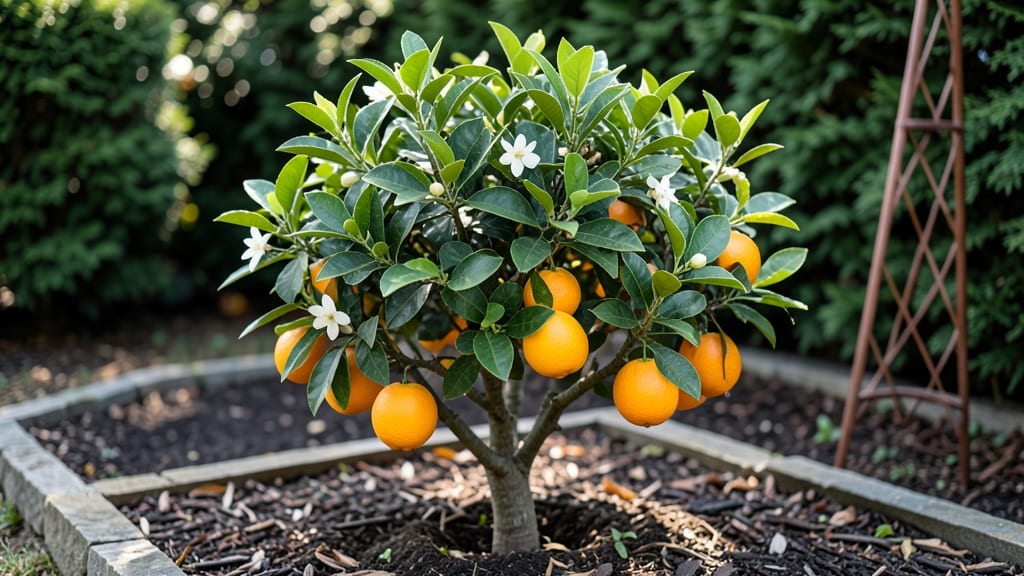
Growing a Kishu mandarin tree means sweet, fragrant fruit almost year-round—even in cooler climates where other citrus trees struggle. 🌿 I planted mine five years ago, and every winter, I watch neighbors’ lemon trees droop while mine keeps producing.
The secret isn’t complicated: it’s about matching the tree’s needs to your climate.
This cold-hardy citrus thrives in USDA zones 7-10, making it perfect for gardeners in the South or mild coastal areas. Unlike fussy citrus, it tolerates temperatures down to 15°F with the right winter care—no greenhouse required.
The soil? Well-draining and slightly acidic, just like most citrus loves, but it’s forgiving if you amend it properly.
With minimal pruning, you’ll harvest bright orange fruit from late fall through winter, when most grocery store citrus is bland and waxy. The tree stays compact (6-10 feet tall), so it fits small yards or large containers.
Best part? The fruit stays on the tree longer, ripening slowly for a prolonged harvest.
Whether you’re in a frost-prone zone or just want a low-maintenance citrus tree, Kishu mandarins deliver. Here’s how to set yours up for success—no citrus-growing experience needed.
📚 In This Guide
- What you need
- Instructions
- Tips and common mistakes
- Wrapping up and next steps
What you need
- ● Kishu mandarin tree: 1 seedling (from a nursery, ~$15–$30) OR
- ● 1 grafted sapling (faster fruiting, ~$25–$50)
- ● Well-draining soil: Mix of 60% potting soil, 30% perlite/sand, and 10% compost (10–20 lbs total).
- ● Pot or planting site: Container growers: 15–20 gallon pot with drainage holes.
- ● Outdoor planters: Full sun (6+ hours/day) + partial shade (afternoon).
- ● Fertilizer: Citrus-specific fertilizer (e.g., Citrus-Tone, 10-10-10 NPK ratio, 1 lb).
- ● Watering can or hose: With a gentle spray nozzle (avoid soaking roots).
- ● 1 bypass pruners (sharp, clean, for small branches).
- ● 1 felco pruner (for thicker branches, ½"–¾" diameter).
- ● 1 hand saw (for stubborn branches, if needed).
- ● Rubbing alcohol (70% or higher, for sterilizing tools).
- ○ Pruning sealant (optional, for large cuts >½").
- ● Mulch: Wood chips or straw (2–3 inches) to retain moisture.
- ● Citrus food: Micronutrients (e.g., iron chelate) for green leaves.
- ● Grow lights: LED full-spectrum (12–14 hours/day in winter).
- ● Tree support: Stakes or cages (for young saplings in windy areas).
Step-by-step instructions for cultivating a thriving Kishu mandarin tree
Here's my foolproof method for growing this cold-hardy citrus variety that rewards you with fruit twice yearly.
🪴 Step 1: Select the Perfect Container and Soil Mix
Kishu mandarins thrive in 15-20 gallon containers with drainage holes—think oversized whiskey barrels or half-whiskey barrels for that rustic charm. The soil must be well-draining yet moisture-retentive, so I blend 60% premium citrus potting mix with 30% coarse sand and 10% perlite. This prevents the roots from sitting in soggy soil while still holding enough water for their Mediterranean roots.
Here's the thing—Kishu trees hate wet feet. I always add a 2-inch layer of gravel at the bottom before adding soil. This creates a reservoir that keeps roots dry while allowing excess water to escape. Fill the container to within 3 inches of the rim—you'll need that space for mulch later.
☀️ Step 2: Position for Maximum Sunlight and Temperature Control
Kishu mandarins demand full sun exposure (6-8 hours daily), but they're smarter than your average citrus—they'll tolerate 4-6 hours if the light is intense. Place your container where it gets morning sun and afternoon shade during summer's peak heat. I've found that south-facing patios or decks work best in most climates.
Temperature is where Kishu shines—it handles 20-30°F dips better than most citrus, but it still needs winter protection. When night temps drop below 40°F, move your tree to a garage or sheltered porch with a space heater set to 50°F. No heater? A thick blanket draped over the container (not touching leaves) works surprisingly well.
💧 Step 3: Water Deeply and Strategically
Water your Kishu when the top 2-3 inches of soil feel dry—stick your finger in to check. During active growth (spring-fall), this usually means watering every 5-7 days, but adjust based on your microclimate. The key is deep watering: soak the soil until water runs freely from the drainage holes, then let it drain completely before watering again.
Here's what I do differently: I water in the morning and avoid wetting the leaves. This prevents fungal diseases that citrus trees are prone to. In winter, reduce watering to every 10-14 days—the tree's growth slows dramatically, and overwatering is the fastest way to rot those delicate roots.
✂️ Step 4: Prune for Shape and Fruit Production
Kishu mandarins need minimal pruning, but strategic cuts encourage better fruit production. I prune twice yearly: once in late winter (just before new growth starts) and again in summer after harvest. Remove any dead, crossing, or inward-growing branches first—they compete for energy and create weak spots.
For shaping, I use the "open-center vase" method: maintain a central leader (main upward stem) while encouraging branches to grow outward in a wide V-shape. This creates airflow and maximizes sunlight penetration to the fruit. Never remove more than 25% of the canopy in one session—this shocks the tree and reduces next year's harvest.
🌿 Step 5: Fertilize for Consistent Harvests
Feed your Kishu with a balanced citrus fertilizer (6-6-6 or 8-3-9 ratio) every 4-6 weeks during the growing season. I use half-strength applications to avoid burning the roots. Start fertilizing in early spring when you see new growth, and continue until late summer—stop by mid-September to let the tree harden off for winter.
Real talk: Over-fertilizing is the #1 mistake I see with citrus trees. Yellow leaves? That's usually too much nitrogen. Brown leaf tips? Probably too much salt from fertilizer. Always water thoroughly after fertilizing to rinse excess salts from the root zone. In winter, skip fertilizer entirely—the tree is dormant and doesn't need the boost.
Tips & tricks for perfect Kishu mandarin tree cultivation
Let me share the insights I've gathered after nurturing these resilient citrus trees through multiple seasons—these are the details that make all the difference between a struggling plant and a thriving fruit producer.
Soil Science: The 60-30-10 soil blend creates the perfect balance for Kishu roots. I've found that adding a handful of worm castings to the mix at planting boosts early root development. The 2-inch gravel layer isn't just for drainage—it also helps regulate soil temperature, which is crucial during those hot summer months when roots can overheat.
Sunlight Strategy: While the 6-8 hours of full sun is ideal, I've noticed that Kishu trees actually perform better with morning sun and afternoon shade in hot climates. The key is to avoid the intense afternoon sun when temperatures exceed 90°F—this prevents sunburn on the leaves. If you're in a particularly sunny area, consider using a shade cloth (30-40% coverage) during peak hours.
Winter Protection Secrets: That 50°F minimum during cold snaps is critical, but here's what I do differently: I place a small heat mat under the container (set to low) when temperatures drop below 30°F. This creates a warm root zone that prevents the tree from going into shock. The blanket method works, but I've found that adding a clear plastic dome (like a large storage bin) over the tree creates a mini greenhouse effect that maintains humidity while still allowing light penetration.
Pruning Precision: When pruning in late winter, I look for branches that are thinner than a pencil—these are the ones competing with fruit production. The 25% canopy rule is strict for a reason: Kishu trees are heavy producers, and removing too much foliage at once can stress the tree just as new growth begins. I always make cuts just above a leaf node or outward-facing bud to encourage healthy regrowth.
Pro Tips for Kishu Mandarin Tree
- Let me share the insights I've gathered after nurturing these resilient citrus trees through multiple seasons—these are the details that make all the difference between a struggling plant and a thriving fruit producer.
- Soil Science: The 60-30-10 soil blend creates the perfect balance for Kishu roots.
- Sunlight Strategy: While the 6-8 hours of full sun is ideal, I've noticed that Kishu trees actually perform better with morning sun and afternoon shade in hot climates.
Frequently asked questions
Got questions about growing and maintaining your Kishu mandarin tree? Here are some of the most common ones—plus straightforward answers to help you keep your citrus grove thriving with minimal fuss!
How often should I prune a Kishu mandarin tree?
Prune your Kishu mandarin tree once a year—ideally in late winter or early spring (before new growth starts). Light trimming to remove dead or crossing branches can happen year-round, but avoid heavy pruning during fruiting seasons. This keeps the tree balanced and productive with minimal stress!
Can Kishu mandarins survive cold winters?
Kishu mandarins are hardier than most citrus trees but still need protection below 25°F (-4°C). Wrap the trunk with burlap, mulch the base, and move potted trees indoors. If you live in Zone 8 or colder, consider growing them in containers for extra flexibility.
Why aren’t my Kishu mandarins ripening?
Unripe fruit often signals insufficient sunlight or nutrient deficiencies. Ensure your tree gets 6+ hours of direct sun daily and fertilize with a citrus-specific blend (high in nitrogen early, potassium later). Overwatering or poor drainage can also delay ripening—check soil moisture and adjust as needed.
What pests should I watch for on Kishu mandarin trees?
Keep an eye out for aphids, scale insects, and citrus leaf miners. Treat infestations early with neem oil or insecticidal soap. For scale, gently scrape off clusters with a soft brush. Healthy trees with proper airflow resist pests better—prune for airflow and avoid over-fertilizing with nitrogen.
Can I grow a Kishu mandarin tree in a container?
Kishu mandarins thrive in 15-20 gallon pots with drainage holes. Use well-draining soil (like a cactus/succulent mix) and repot every 2–3 years. Place containers in full sun and move them indoors if temps drop below 40°F (4°C). Just ensure the pot is large enough for root growth!
Wrapping up and next steps
The Kishu mandarin tree is a fantastic choice for year-round citrus harvests with minimal effort—perfect for both beginners and seasoned gardeners! 🌱 Its low-maintenance pruning needs and sweet, juicy fruit make it a rewarding addition to any yard or container garden.
Whether you’re aiming for a lush backyard orchard or a cozy patio centerpiece, this tree delivers delicious results with less work.
Ready to grow your own? Start small! Plant your Kishu mandarin tree this season, and soon you’ll be enjoying fresh, homegrown citrus—no pruning stress required. Happy gardening! 🍊✨