
Pruning
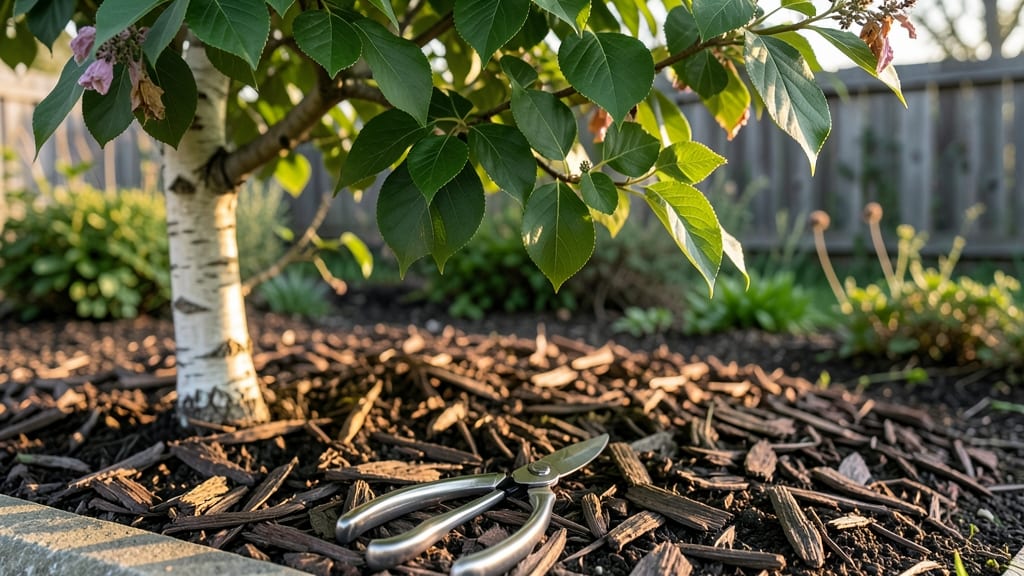
Japanese lilac tree maintenance starts with understanding its delicate blooming cycle—unlike common lilacs, these trees flower on last year's growth, so pruning at the wrong time means fewer fragrant blooms next spring. 🌸 I learned this the hard way after my first aggressive trim left me staring at bare branches in May.
The key is timing: prune right after flowering, when the blooms fade but before new buds form.
You’ll need basic tools—a sharp pair of pruners, gloves, and a ladder if your tree is tall—and a clear plan. Japanese lilacs respond best to light, strategic cuts rather than heavy pruning. Focus on removing dead wood, crossing branches, and shaping the tree to encourage airflow.
Think of it like sculpting: you’re not just trimming, you’re guiding the tree’s energy toward next year’s showstopper flowers.
With proper care, your Japanese lilac will reward you with vibrant purple clusters that perfume the air for weeks. The secret isn’t just pruning—it’s consistent watering (deep but infrequent), well-draining soil, and winter protection in colder zones.
Skip the harsh chemicals; these trees thrive with minimal intervention once you get the basics right.
This method works for both young trees and mature specimens, though older trees may need more patience. The payoff? A tree that blooms reliably for decades with minimal fuss. Let’s get those branches looking like a pro’s work—and keep those flowers coming year after year.
📚 In This Guide
- What you need
- Instructions
- Tips and common mistakes
- Wrapping up and next steps
What you need
- ● Bypass pruners – Sharp, clean pruners (size 10-12 inches) for cutting small to medium branches.
- ● Loppers – Heavy-duty loppers (size 18-24 inches) for thicker branches (up to 2-inch diameter).
- ● Pruning saw – A bow saw or pruning saw for larger branches (over 2-inch diameter).
- ● Gloves – Cut-resistant or gardening gloves to protect your hands from thorns and sharp branches.
- ● Ladder – A sturdy, extendable ladder (if your tree is taller than 6-8 feet).
- ● Disinfectant – Rubbing alcohol (70% isopropyl) or bleach solution (1 part bleach to 9 parts water) to sterilize tools between cuts.
- ○ Pruning sealant (optional) – Tree wound sealant (like Tanglefoot Tree Wound Pruning Seal) for larger cuts (over ½-inch diameter).
- ● Mulch – Organic mulch (wood chips, shredded bark) to retain moisture and suppress weeds.
- ○ Fertilizer (optional) – Slow-release, balanced fertilizer (e.g., 10-10-10 NPK) to replenish nutrients after pruning.
- ● Watering can or hose – For post-pruning hydration (especially in dry climates).
- ● Weather check – Prune on a dry, calm day (avoid rain or wind).
- ● Safety gear – Safety goggles and long sleeves/pants to protect from debris.
- ● Tree health assessment – Inspect for diseases, pests, or dead branches before pruning.
- ● Plan your cuts – Sketch a rough outline of what you’ll remove to avoid over-pruning.
Step-by-step guide to pruning Japanese lilac trees
Here's how I keep my Japanese lilacs blooming beautifully year after year.
✂️ Step 1: Prune Immediately After Flowering
Wait until 4-6 weeks after blooms fade—this ensures you don't cut off next year's flower buds, which form on last year's growth. I always prune in late spring or early summer when new growth is just starting to harden off. The tree will look a little bare at first, but trust the process.
Start by removing any dead, diseased, or crossing branches first. These are your priority because they're already compromising the tree's health. Use sharp, clean pruning shears to make cuts at a 45-degree angle just above a leaf node or outward-facing bud. This encourages healthy regrowth in the right direction.
✂️ Step 2: Thin the Canopy for Better Airflow
Look for branches that are rubbing against each other or growing inward toward the center of the tree. These need to go—they create wounds that attract pests and diseases. I aim to remove about 20-25% of the total canopy in any given year. This keeps the tree's energy focused on producing strong, healthy growth instead of struggling with overcrowding.
When thinning, make your cuts back to a strong lateral branch or the main trunk. Never leave stubs—this invites decay. If you're unsure which branch to keep, choose the one that's growing in a more outward direction. This opens up the center of the tree and lets sunlight reach all the way to the inner branches, which is crucial for Japanese lilacs.
✂️ Step 3: Shape Lightly for Balance and Form
Japanese lilacs naturally grow with a graceful, rounded shape, so I keep my shaping minimal. Focus on creating an open center by selectively removing branches that are growing too close together. The goal is to maintain that natural, airy silhouette without turning the tree into a rigid geometric form.
For larger branches over ½ inch thick, use a pruning saw to make clean cuts. For smaller branches, your hand pruners will work fine. Always make your cuts just outside the branch collar—the swollen area where the branch meets the trunk. This helps the tree heal faster and reduces the risk of infection.
⏰ Step 4: Clean Up and Monitor for New Growth
After pruning, gather all your clippings and dispose of them properly. Don't leave them on the ground around the tree—they can harbor pests and diseases. I like to burn them or put them in the trash rather than composting them, just to be safe.
Watch for new growth to appear within 2-3 weeks. Healthy new shoots should be green and firm, not yellow or mushy. If you see any dieback or unusual discoloration, that's a sign the tree is stressed. Give it some time to recover, and consider applying a balanced fertilizer in 6-8 weeks to support new growth.
Tips & tricks for perfect Japanese lilac tree maintenance
Here's what nobody tells you about keeping your Japanese lilacs thriving after the initial pruning steps.
Timing Secret: The 4-6 week window after blooms fade is critical—don't rush it! I learned this the hard way after accidentally pruning too early and losing next year's flowers. Watch for buds to form on last year's growth before you start cutting. In my zone 6 garden, I mark my calendar for early June to ensure perfect timing.
Branch Selection Strategy: When thinning that 20-25% of the canopy, focus on branches growing toward the center first. These are the ones blocking sunlight from reaching inner branches. I use a simple test: if I can't see light through the center when standing 10 feet away, more thinning is needed. This opens up the tree beautifully while maintaining its natural shape.
Cutting Technique: That 45-degree angle isn't just for looks—it's about directing water away from the cut. I always make my cuts just outside the branch collar, where the branch meets the trunk. This little detail makes all the difference in how quickly the tree heals. For branches thicker than ½ inch, I use my pruning saw to avoid tearing the bark.
Post-Pruning Care: The 2-3 week recovery period is when you'll see if you did it right. Healthy new growth should appear vibrant and firm. If you notice yellowing or mushy new shoots, that's your tree's way of saying "whoa, take it easy!" I've found that a light application of balanced fertilizer after 6-8 weeks helps support this new growth without overwhelming the tree.
Pro Tips for Japanese Lilac Tree Maintenance
- Here's what nobody tells you about keeping your Japanese lilacs thriving after the initial pruning steps.
- Timing Secret: The 4-6 week window after blooms fade is critical—don't rush it! I learned this the hard way after acc...
- Branch Selection Strategy: When thinning that 20-25% of the canopy, focus on branches growing toward the center first...
Frequently asked questions
Got questions about keeping your Japanese lilac tree thriving? Here are some of the most common concerns—and their answers—to help you maintain a stunning, long-blooming tree with ease!
When is the best time to prune a Japanese lilac tree?
The ideal time is late winter or early spring (February–March), just before new growth begins. This encourages healthy blooms for the next season. Avoid pruning after flowering, as it can remove next year’s buds. For light shaping, you can prune lightly in summer, but avoid heavy cuts.
How much can I trim back my Japanese lilac tree?
Japanese lilacs are hardy and can handle moderate pruning. For rejuvenation, you can trim back up to one-third of the plant in late winter. For routine maintenance, 10–20% of the growth is plenty. Avoid over-pruning, as it may reduce flowering. Focus on removing dead, diseased, or crossing branches first.
Why isn’t my Japanese lilac blooming as much as it used to?
If your tree is underproducing flowers, it could be due to over-pruning after blooming, poor sunlight, or nutrient deficiencies. Ensure it gets 6+ hours of sun daily and prune before buds form. Fertilize in early spring with a balanced, low-nitrogen formula to encourage blooms.
How do I prevent pests or diseases in my Japanese lilac?
Japanese lilacs are generally pest-resistant, but aphids, spider mites, or powdery mildew can occur. Prevent issues by ensuring good airflow, avoiding overhead watering, and keeping the area clean. If pests appear, use neem oil or insecticidal soap. For mildew, prune for airflow and apply fungicide if needed.
Can I grow a Japanese lilac in a container?
Yes! Japanese lilacs thrive in large containers (15+ gallons) with well-draining soil. Choose a sunny spot and water regularly, but avoid soggy roots. Repot every 2–3 years and prune lightly to control size. Just ensure the container is stable, as these trees can get top-heavy with age.
Wrapping up and next steps
Caring for your Japanese lilac tree doesn’t have to be overwhelming—just a little patience and the right techniques go a long way! 🌸 By mastering pruning secrets like timing, tool use, and shaping, you’ll reward yourself with vibrant blooms year after year.
Start small, stay consistent, and soon your tree will thrive as the stunning focal point of your garden.
Ready to take the next step? Grab your pruners and schedule your first pruning session this spring! With each cut, you’re not just maintaining a tree—you’re crafting beauty. Happy pruning! ✂️💚