
Pruning
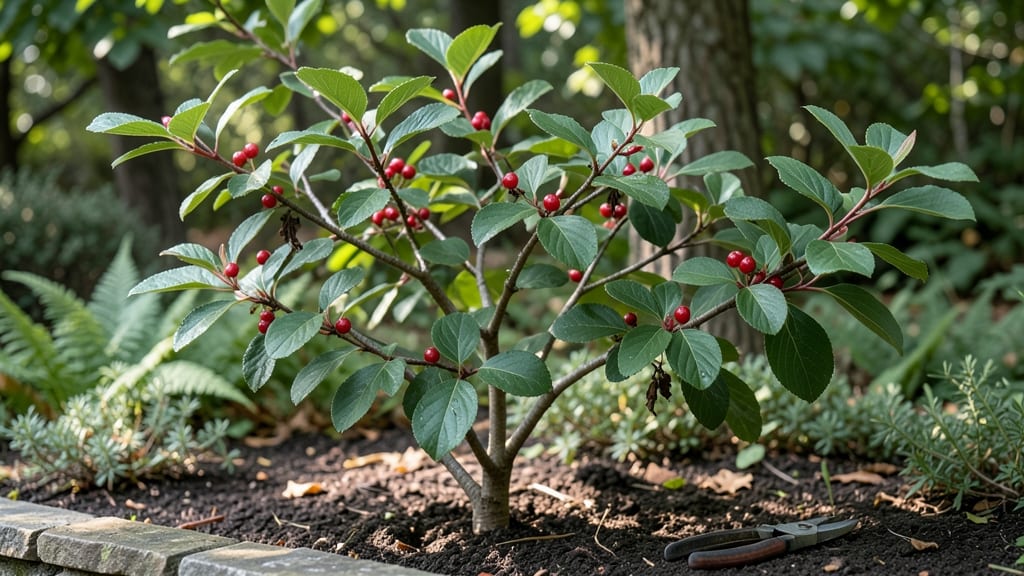
Pruning your huckleberry tree or bush is the secret weapon for turning a decent harvest into a year-after-year bounty that makes neighbors ask for cuttings. 🌿 I’ve pruned mine every winter for five seasons now, and the difference in fruit production is night-and-day—thicker canes, more berries, and fewer pests.
The key isn’t just cutting back; it’s understanding which branches to keep, which to remove, and when to stop before you stifle next year’s crop.
Huckleberries thrive when you prune like a sculptor shaping a living bush—removing dead wood first, then thinning out crowded stems to let sunlight hit the center. My foolproof method starts with a sharp pair of loppers and a clear morning to avoid sap splatter.
You’ll focus on three-year-old canes (they fruit best) while encouraging younger growth to take over. The best time? Late winter or early spring, before buds swell but after the worst cold snaps.
What you end up with is a bush that looks like a well-kept hedge but produces pounds of berries—deep purple-black jewels that taste like sweet-tart candy. The berries ripen in late summer, and if you time your pruning right, you’ll harvest for decades.
Plus, the bush stays compact, making it perfect for small yards or woodland edges. Just avoid over-pruning—huckleberries hate being sheared like a topiary.
Works for both wild-collected cuttings and nursery-grown bushes, though native varieties often produce the richest flavor. Here’s how to do it without turning your bush into a berry desert—even if you’ve struggled before.
📚 In This Guide
- What you need
- Instructions
- Tips and common mistakes
- Wrapping up and next steps
What you need
- ● Pruning shears – Bypass pruners (sharp, 6-8 inch blades) for clean cuts on small branches.
- ● Loppers – For thicker branches (1-2 inches in diameter), with a bypass blade to avoid crushing.
- ● Pruning saw – For branches over 2 inches thick; opt for a curved-tooth blade to prevent tear-out.
- ● Disinfectant (70% rubbing alcohol or pruning sealant) – 1 small bottle to sterilize tools between cuts and prevent disease.
- ● Garden gloves – Heavy-duty, cut-resistant to protect your hands from thorns and rough bark.
- ● Twine or zip ties – For temporary support if you’re training young branches.
- ○ Marking spray (optional but helpful) – Bright-colored, non-toxic paint to tag branches for future reference.
- ● Pole pruner – For high branches in large bushes or trees.
- ● Pruning rope – To secure branches during heavy pruning.
- ● Compost bin or bag – For collecting pruned branches (great for mulch!).
- ● Notebook & pen – To sketch your bush’s structure before and after pruning.
- ● Safety glasses – If working with very thick branches or near your face.
How to prune huckleberry trees or bushes for maximum fruit production
Here's the method I've used to keep my huckleberries thriving for over a decade.
🌿 Step 1: Understand the Right Time to Prune
Prune your huckleberry tree or bush late winter or early spring, just before new growth begins. This is when the plant is dormant but about to wake up—perfect timing to shape the structure without stressing it. I always aim for February or March in my zone 6 garden, when the ground is still frozen but the days are lengthening.
Never prune in fall or summer. Fall pruning invites disease by leaving fresh cuts exposed to wet conditions, while summer pruning removes potential fruiting wood. You'll know it's time when you see the first buds swelling on the branches—wait until they're just starting to plump up but haven't opened yet.
✂️ Step 2: Remove Dead, Diseased, and Crossing Branches
Start with your pruning shears and cut out any dead wood—branches that are completely brown, brittle, and have no green tissue inside when you break them. Next, remove any branches showing signs of disease like black spots, mold, or oozing sap. I like to sterilize my shears with rubbing alcohol between cuts to prevent spreading any potential pathogens.
Look for branches that are rubbing against each other or growing inward. These "crossing branches" compete for sunlight and can create wounds where pests enter. Cut the smaller of the two branches at its base. Make your cuts just outside the branch collar—the swollen area where the branch meets the trunk—to promote faster healing.
🌱 Step 3: Thin Out Overcrowded Growth for Better Airflow
Huckleberries produce their best fruit when they receive plenty of sunlight and air circulation. Step back and look at your plant as a whole—you're aiming for an open, vase-like shape with sunlight reaching the center. Start removing branches from the inside of the plant, working your way outward, until you can see light filtering through to the center.
Focus on branches that are growing straight up or too close together. You'll know you've done enough when you can walk right up to the center of the plant without brushing against leaves. This thinning encourages stronger fruit production on the remaining branches. I usually remove about 20-30% of the plant's total growth in a single pruning session—never more than that in one year.
☀️ Step 4: Shape for Optimal Sunlight Exposure
Now it's time to shape the outer framework of your huckleberry. Focus on creating a balanced, open structure with the strongest branches forming the skeleton. Cut back the tips of vigorous branches by about one-third to encourage bushier growth. For older branches, you can make more dramatic cuts—up to half their length—to rejuvenate them.
Pay special attention to the lower branches. Remove any that are growing below 3 feet from the ground to keep the plant's energy focused on fruit production higher up. You'll see the difference in just one season—more sunlight reaches the inner branches, and you'll have easier access to pick those high berries without a ladder.
💧 Step 5: Clean Up and Monitor After Pruning
After you've finished pruning, gather all the debris and remove it from the area. Leaving cut branches on the ground creates a moist environment where diseases can thrive. I always rake up all the small twigs and dispose of them in the trash—not the compost pile—since huckleberry prunings can harbor fungal spores.
In the weeks following pruning, keep an eye out for any signs of stress like yellowing leaves or wilting branches. Water deeply if your region experiences dry spells, but avoid overwatering—the roots need time to adjust to the new structure. You'll see fresh green growth appearing within 3-4 weeks, signaling that your plant is recovering beautifully from the pruning.
Tips & tricks for pruning huckleberry trees and bushes
These game-changing tips will help you transform your huckleberry harvest from decent to downright abundant—without any of the common pitfalls I used to make.
Timing is Everything: The late winter/early spring window matters more than you think. If you're in a colder zone, wait until the ground is still frozen to minimize stress on the plant. I've seen huckleberries stressed by early pruning when the ground thawed too quickly—look for those first swollen buds but no open flowers. That's your sweet spot.
Branch Collar Precision: When cutting branches in Step 2, don't just hack away! Make your cuts just outside the branch collar (that swollen area where the branch meets the trunk). This tiny detail makes all the difference—cuts at the collar heal faster and resist disease better. I learned this the hard way after seeing too many pruning wounds fester.
Thinning Strategy: That 20-30% thinning guideline in Step 3 isn't arbitrary. Think of it like opening a window in a stuffy room—you're letting sunlight and air circulate where it matters most. Start with the oldest branches first, then work your way to newer growth. The goal is sunlight reaching the center, not just more open space.
Post-Pruning Care: The 3-4 week recovery period is when most people mess up. Don't overwater—just give it a good deep drink if your area is dry. I've seen pruned huckleberries wilt when gardeners panicked and watered too much. The roots need time to adjust to the new structure without being overwhelmed.
Pro Tips for Huckleberry Tree Or Bush
- These game-changing tips will help you transform your huckleberry harvest from decent to downright abundant—without a...
- Timing is Everything: The late winter/early spring window matters more than you think. If you're in a colder zone, wa...
- Branch Collar Precision: When cutting branches in Step 2, don't just hack away! Make your cuts just outside the branc...
Frequently asked questions
Got questions about growing and maintaining your huckleberry tree or bush for a bountiful harvest? You’re in the right place! Here are some of the most common queries—plus expert answers—to help you prune like a pro and keep those berries coming year after year.
When is the best time to prune a huckleberry bush?
Prune huckleberries late winter or early spring (before buds swell) to avoid stressing the plant. This timing encourages new growth and fruit production. Avoid pruning in fall or summer, as it can disrupt flowering or invite pests. Pro tip: If you must prune in summer, do so after harvest to minimize impact on next year’s crop.
How much should I cut back a mature huckleberry bush?
Aim to remove 20–30% of the oldest, woody stems annually to maintain vigor. Over time, huckleberries develop a thicket of canes—thin them out to improve airflow and sunlight penetration. For young bushes, focus on shaping rather than heavy pruning. Warning: Never cut more than 1/3 of the bush in a single year, or you risk stunting growth.
Why aren’t my huckleberries producing many berries?
Low yields often stem from poor pruning, overcrowding, or nutrient deficiencies. Check for:
- Dead or diseased wood (remove it immediately).
- Shade from competing plants or overgrowth.
- Lack of sunlight (huckleberries need 6+ hours daily).
- Underwatering or compacted soil.
Can I grow huckleberries in containers? And if so, how?
Yes! Huckleberries thrive in large containers (15+ gallons) with well-draining, acidic soil (pH 4.5–5.5). Use a mix of peat moss, pine bark, and perlite. Choose a dwarf or semi-dwarf variety (like Vaccinium ovatum cultivars) for better success. Key tip: Move containers to a sunny spot in summer and protect from frost in winter.
What pests or diseases should I watch for in huckleberry bushes?
Common threats include:
- Spider mites (yellowing leaves, webbing) – Treat with neem oil.
- Root rot (mushy stems, wilting) – Improve drainage and avoid overwatering.
- Powdery mildew (white dust on leaves) – Prune for airflow and apply fungicide.
- Birds (they love huckleberries!) – Use netting during ripening.
Wrapping up and next steps
From understanding the perfect timing for pruning to mastering the art of selective trimming, you now have all the tools to nurture your huckleberry bushes for years of bountiful harvests! 🌿✨ Remember, patience and consistency are key—your bushes will reward you with delicious berries if you give them the care they deserve.
Ready to put your new skills into action? Grab your pruners and head to the garden—your future harvest is waiting! 🍇🌱