
Watering
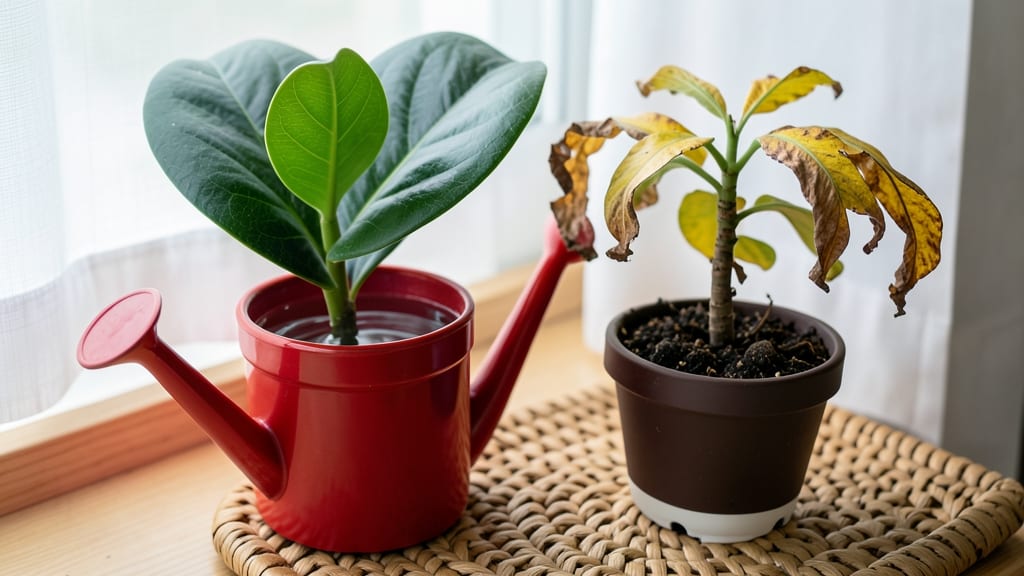
Here’s how to tell if a tree is overwatered or underwatered—because that yellowing foliage could mean either too much moisture or not enough, and my oak nearly paid the price for both mistakes. my drought-tolerant maple thrived on neglect.
The key lies in the soil and foliage, and once you learn these clues, you'll never guess again.
Overwatered trees reveal their struggles through soggy soil that smells like wet socks and leaves that yellow at the edges before dropping. Roots rot in compacted, waterlogged ground, while underwatered trees show crispy brown edges and dry, cracked soil that pulls away from the roots.
Both conditions create stress, but the fixes couldn't be more different—drainage for the first, deep soaks for the second.
You'll spot the difference in just a few minutes by checking the soil moisture and leaf texture. A simple finger test tells you if water's pooling at the roots, while healthy leaves stay firm and vibrant.
With these clues, you'll adjust your watering schedule to match your tree's needs, saving it from both thirst and suffocation.
This works for any tree type—from shade-loving beech to sunbathing pine—as long as you pay attention to the soil and leaves. Once you master these signs, your trees will thank you with stronger growth and fewer surprises. Let's get those roots thriving!
📚 In This Guide
- What you need
- Instructions
- Tips and common mistakes
- Wrapping up and next steps
What you need
- ● Garden trowel or small shovel – A sturdy, 6-12 inch trowel works best for digging shallow soil samples.
- ● Moisture meter (digital or analog) – A soil moisture sensor (like the Govee Soil Moisture Meter or Xiaomi Mi Flower Care) for precise readings.
- ○ Gloves (optional but recommended) – Protect your hands from dirt, thorns, or sharp tools.
- ● Notebook or phone for notes – Jot down observations like leaf color, soil texture, and moisture levels.
- ● Water source (hose or watering can) – For testing drainage if needed.
- ● Hand lens or magnifying glass – To inspect leaf edges, fungal spots, or root details up close.
- ● pH testing kit – Overwatering or underwatering can be linked to poor soil pH.
- ● Pruning shears – For safely removing and examining suspicious leaves or branches.
- ● Timer – Track how long it takes for water to drain if testing soil saturation.
Step-by-Step guide to diagnosing tree water stress
Here’s how to read your tree’s signals—no guesswork, just clear visual cues.
🌿 Step 1: Check the Leaves for Color and Texture
Start by examining the leaves’ color and feel. Healthy leaves are firm, vibrant, and consistent in hue. If they’re yellowing—especially starting at the bottom of the tree—this often signals overwatering. The yellowing occurs because roots struggle in waterlogged soil, preventing nutrient uptake. Yellow leaves can also appear curled or mushy to the touch, a sure sign of excess moisture.
On the other hand, underwatered trees show brown, crispy edges or entire leaves that turn brittle and dry. These leaves may also fall off prematurely, leaving bare branches. Pay attention to the leaf’s edges: if they’re crispy or papery, your tree is thirsty. Real talk: if you see both yellowing and browning, you’re likely dealing with inconsistent watering—too much one day, too little the next.
💧 Step 2: Test the Soil Moisture with Your Fingers
Dig your fingers about 2 inches deep into the soil around the tree’s drip line (the area directly under the outer canopy). If the soil feels soggy or even waterlogged, your tree is overwatered. You might also notice a foul smell—like rot or mold—indicating anaerobic conditions where roots can’t breathe. Overwatered soil often clumps together when squeezed and may leave a damp residue on your fingers.
If the soil feels dry or powdery, your tree needs water. Healthy soil should hold moisture but not feel saturated. A good test: press the soil gently—if it crumbles easily, it’s too dry. If it stays clumped and glistens, it’s holding too much water. Here’s the thing—soil moisture varies by tree type and climate, but most trees prefer soil that’s moist but well-drained.
☀️ Step 3: Observe the Tree’s Growth and Bark
Look at the tree’s overall growth pattern. If new leaves are small, sparse, or failing to develop, it’s a red flag. Overwatered trees often show stunted growth because their roots can’t access oxygen or nutrients properly. The bark may also appear soft, discolored, or even oozing sap—a sign of root rot or fungal issues from excess moisture.
Underwatered trees, however, may have leaves that grow slowly but appear leathery or waxy as a survival tactic. Check the bark for cracks or peeling, which can indicate severe drought stress. If the tree’s branches are dying back or dropping leaves en masse, it’s a clear signal that watering habits need adjustment. I’ve seen trees recover from underwatering with deep watering sessions, but overwatering damage can be irreversible.
⏰ Step 4: Monitor the Tree’s Response to Recent Watering
Think about your watering schedule. Did you recently give the tree a deep soak, or has it been dry for weeks? Overwatering often happens when people assume trees need frequent watering, especially after heavy rains. If the ground stays muddy for days after watering, you’re likely overdoing it. A quick fix: let the soil dry out between waterings—most trees prefer this over constant moisture.
For underwatering, you’ll notice the tree perking up within 24-48 hours after a thorough watering. Look for leaves that plump up, regain color, and stop wilting. If the tree doesn’t respond within a few days, the stress might be more severe, and you may need to adjust your approach. This is the moment that matters: consistency in watering is key. Trees hate extremes—whether it’s too much or too little.
Tips & tricks for diagnosing tree water stress
Confession: I've seen too many trees suffer from well-intentioned watering mistakes. Here's what nobody tells you about reading your tree's true needs.
Leaf Texture is Your First Clue: In Step 1, when checking leaves, pay special attention to the undersides. Healthy leaves should feel firm and slightly springy. Overwatered leaves often feel mushy or squishy when pressed gently—almost like overripe fruit. For underwatered trees, the edges will feel brittle and papery, while the center might still look green. This contrast tells you exactly where the stress is coming from.
Soil Texture Test Reveals the Truth: During Step 2's soil test, squeeze a handful of soil between your fingers. If it clumps tightly and leaves a damp film on your skin, you're dealing with overwatering. The key is to aim for soil that crumbles slightly when pressed but still holds some moisture—like a damp sponge. I've found that morning is the best time to check soil moisture because evening watering can leave false readings.
Growth Patterns Tell the Whole Story: When observing growth in Step 3, look beyond just leaf size. Healthy trees should have new growth appearing consistently along the branches, not just at the tips. If you notice new leaves forming only at the very ends of branches while the middle stays bare, that's a classic sign of underwatering. For overwatered trees, growth might appear stunted overall with leaves that stay small and pale.
Response Time is Critical: The 24-48 hour window mentioned in Step 4 is your best diagnostic tool. After giving your tree a thorough watering, check back daily. If leaves perk up noticeably within that timeframe, you were dealing with underwatering. No improvement after 48 hours suggests either severe root damage or overwatering issues that need professional attention. This timing test has saved more trees than any other single tip I've learned.
Pro Tips for Tell If A Tree Is Overwatered Or Underwatered
- Confession: I've seen too many trees suffer from well-intentioned watering mistakes. Here's what nobody tells you abo...
- Leaf Texture is Your First Clue: In Step 1, when checking leaves, pay special attention to the undersides. Healthy le...
- Soil Texture Test Reveals the Truth: During Step 2's soil test, squeeze a handful of soil between your fingers. If it...
Frequently asked questions
Got questions about keeping your tree’s water balance just right? You’re not alone!
Here are some of the most common concerns—plus quick answers to help you troubleshoot like a pro.
How often should I water my tree to avoid overwatering or underwatering?
It depends on your tree’s type, soil, and climate! As a general rule, water deeply 1-2 times per week (or less in rainy seasons). Stick your finger 2-3 inches into the soil—if it’s dry, it’s time to water. Mulch helps retain moisture and reduces frequency.
Can I fix an overwatered tree? What’s the first step?
Yes! Stop watering immediately and let the soil dry out. Improve drainage by amending the soil with compost or sand (if compacted) and avoid watering until the top 2 inches of soil feel dry. Yellow leaves with soft spots? That’s a red flag—act fast!
What’s the difference between wilting from overwatering vs. underwatering?
Tricky, but here’s the breakdown:
- Overwatered: Leaves turn yellow or brown, feel mushy, and the soil smells rotten or stays soggy.
- Underwatered: Leaves curl or crisp, soil is dry and crumbly, and the tree looks leggy or droopy.
Are there any trees that need less water than others?
Drought-tolerant trees like oak, pine, or olive thrive with minimal watering once established. Young trees or thirsty varieties (e.g., willow, birch) need more frequent hydration. Always research your tree’s species—native plants are usually low-maintenance!
My tree’s leaves are falling off—is it too late to save it?
Not necessarily! Sudden leaf drop often signals stress (over/underwatering, pests, or disease), but early action can turn things around. Prune dead branches, adjust watering, and check for pests. If more than 50% of leaves are gone or the bark is cracked, consult an arborist ASAP.
Does weather affect how I should water my tree?
Big time! Hot, dry, or windy days = more water (deep soak 2-3x/week). Rainy seasons? Cut back—water only if soil stays soggy for days. Winter? Reduce watering (unless in a pot or drought-prone area). Always check the soil first!
Wrapping up and next steps
Mastering the art of watering your trees is all about observation and balance—your leaves and soil are whispering clues if you just listen! 🌱 Whether it’s yellowing foliage, cracked bark, or soggy roots, these signs help you adjust before it’s too late. Don’t stress—even seasoned gardeners learn as they go.
Your next step? Take action with confidence! Grab a trowel, check that soil moisture, and tweak your watering routine. Try our watering schedule guide to keep your trees thriving year-round. You’ve got this—one healthy leaf at a time! 🌿✨