
Pruning
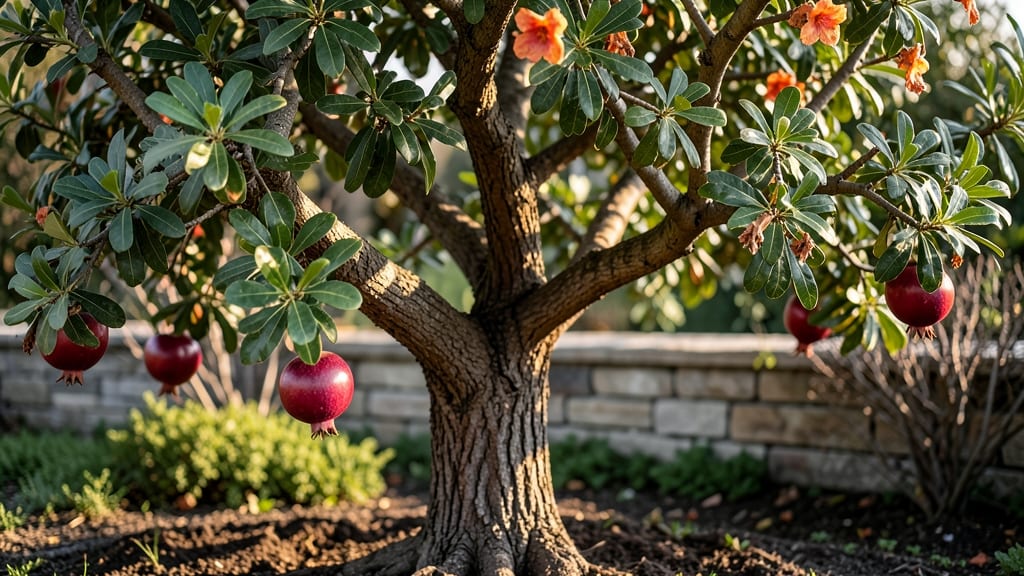
Taking care of a pomegranate tree means abundant fruit starts with the right pruning rhythm—something I learned after my first tree produced a single fruit in five years. 🌿 The secret isn’t just cutting back branches, but shaping the tree to focus energy where it counts: on sweet, jewel-toned pomegranates instead of wild, unproductive growth.
Pomegranates thrive in full sun and well-draining soil, but their real magic happens in how you prune. I’ve found that light pruning in late winter (before buds swell) and heavy shaping in summer after harvest keeps the tree productive.
Overwatering is the fastest way to kill one—these drought-tolerant trees hate soggy roots, so let the soil dry between waterings once established.
You’ll notice thicker branches, more flowers, and heavier fruit within a season if you prune correctly. The first harvest might be small, but each year the tree rewards patience with dozens of glossy red fruits—each one packed with juicy seeds.
The key is balancing growth and fruit production, so you’re not left with a leafy bush and no harvest.
Works for both container-grown trees and in-ground plantings, though dwarf varieties need less aggressive pruning. Here’s how to keep yours thriving through every season—no green thumb required, just consistent care.
📚 In This Guide
- What you need
- Instructions
- Tips and common mistakes
- Wrapping up and next steps
What you need
- ● Pruning shears (bypass or anvil type) – Sharp, clean, and sized for medium branches (6”–8” blades).
- ● Loppers (for thicker branches) – 8”–12” cutting capacity, with a comfortable grip.
- ● Pruning saw (for large branches) – Fine-toothed, curved blade for clean cuts.
- ● Disinfectant (rubbing alcohol or 10% bleach solution) – To sterilize tools between cuts and prevent disease.
- ● Garden gloves (cut-resistant) – Heavy-duty to protect hands from thorns and rough bark.
- ● Rake or broom – For clearing debris after pruning.
- ○ Pruning sealant (optional) – For sealing large cuts (1/4”+ diameter) to prevent infection.
- ● Pruning paint – For marking cuts or sealing small wounds.
- ● Tree ties or zip ties – If you’re training young branches.
- ● Ladder or step stool – For taller trees (safety first!).
- ● Notebook & pen – To sketch your pruning plan or track growth.
Step-by-Step guide to pruning your pomegranate tree
Year-round pruning transforms a wild shrub into a fruit-bearing powerhouse.
✂️ Step 1: Late Winter Cleanup (Dormant Season)
When the tree is fully dormant—typically February to early March—remove all dead, diseased, or crossing branches first. Use clean, sharp pruning shears to make cuts just outside the branch collar, where the branch meets the trunk. This prevents unsightly stubs and promotes faster healing.
Next, thin out the center of the tree to improve airflow and sunlight penetration. Aim to remove 20-30% of the total growth, focusing on branches that rub against each other or grow inward. You’ll see a skeletal structure emerge—this is your framework for the year. Avoid heavy pruning now; pomegranates bloom on old wood, so aggressive cuts reduce next year’s fruit.
☀️ Step 2: Summer Light Pruning (Post-Harvest)
After harvesting in late fall or early winter, prune again in June or July to shape the tree and encourage new growth. Remove any suckers—those vigorous shoots sprouting from the base or trunk—that compete with the main branches. These saplings drain energy from fruit production.
Lightly trim back any overly vigorous branches that are growing too fast or becoming leggy. Cut just above a leaf node where new growth can sprout. This step keeps the tree balanced and prevents overcrowding. Watch for signs of stress like yellowing leaves—this means you’ve pruned too much. A well-pruned pomegranate should still have a full canopy with plenty of green foliage.
⏰ Step 3: Fall Maintenance (Preparing for Winter)
In October or November, conduct a final light pruning to remove any dead or damaged wood that may have appeared during the growing season. Focus on branches that are weak, diseased, or showing signs of pest damage. Disinfect your pruning tools with 70% isopropyl alcohol between cuts to prevent spreading pathogens.
This is also the time to adjust the tree’s shape for better light exposure. Pomegranates need full sun (6-8 hours daily), so trim back any branches blocking sunlight from reaching the center. You’ll notice the tree’s natural growth pattern—some branches will grow more vigorously than others. Prune to encourage a more rounded shape, which improves air circulation and reduces humidity-related diseases.
🌱 Step 4: Year-Round Monitoring and Adjustments
Throughout the year, keep an eye out for water sprouts—fast-growing, vertical shoots that appear along the branches. These are energy vampires and should be pruned as soon as they’re noticed. Use your fingers or small pruners to pinch them off just above a leaf node to redirect the tree’s energy into fruit production.
If your tree is young, prioritize establishing a strong structure over heavy fruit production. Older trees can handle more aggressive pruning, but always err on the side of caution. The goal is to maintain a balance between shape, health, and fruit yield. You’ll know you’re doing it right when the tree produces plump, vibrant flowers in spring and abundant, heavy fruit in fall.
Tips & tricks for pruning your pomegranate tree
Pruning isn't just about cutting—it's about sculpting a tree that thrives. Here's how to elevate your technique and keep your pomegranate productive for years.
Branch Collar Precision: In Step 1, when removing branches during late winter cleanup, focus on cutting just outside the branch collar—the swollen area where the branch meets the trunk. This tiny detail prevents unsightly stubs and promotes faster healing. I've seen many gardeners make clean cuts but miss this critical zone, leading to slow recovery and potential disease entry points. Use a sharp pair of pruning shears and make the cut at a slight angle to avoid tearing the bark.
Seasonal Balance Strategy: The 20-30% growth reduction in Step 1 might seem aggressive, but it's essential for maintaining your tree's health. Pomegranates bloom on old wood, so aggressive pruning now would compromise next year's fruit production. Instead, think of this as creating a framework—like building a house where you first establish the skeleton before adding details. This approach ensures your tree has the energy to produce vibrant flowers in spring and abundant fruit in fall.
Sucker Management: During the summer light pruning in Step 2, don't overlook those pesky suckers sprouting from the base. These energy vampires can drain up to 30% of your tree's resources if left unchecked. I've seen pomegranate trees with dozens of suckers completely sapping their energy for fruit production. Pinch them off as soon as you notice them—this simple act can dramatically improve your tree's fruit yield. Use your fingers for small suckers or small pruners for larger ones, always cutting just above a leaf node.
Tool Sanitation: The instructions mention disinfecting tools between cuts in Step 3, but I can't emphasize this enough. Many gardeners skip this critical step, unknowingly spreading diseases like bacterial blight between cuts. Keep a bottle of 70% isopropyl alcohol handy and wipe your tools after each cut, especially when working with diseased branches. This simple precaution can mean the difference between a healthy tree and one struggling with persistent infections.
Pro Tips for Take Care Of Pomegranate Tree
- Pruning isn't just about cutting—it's about sculpting a tree that thrives.
- Branch Collar Precision: In Step 1, when removing branches during late winter cleanup, focus on cutting just outside the branch collar—the swollen area where the branch meets the trunk.
- Seasonal Balance Strategy: The 20-30% growth reduction in Step 1 might seem aggressive, but it's essential for maintaining your tree's health.
Frequently asked questions
Got questions about keeping your pomegranate tree thriving? Here are answers to the most common ones—so you can grow juicy, abundant fruit with confidence!
How often should I prune my pomegranate tree?
Prune your pomegranate tree twice a year: once in late winter/early spring (before buds swell) for structural shaping, and again in summer (after harvest) to remove dead wood and encourage new growth. Avoid heavy pruning in fall—it can stress the tree before winter.
Can I prune a pomegranate tree in winter?
Light pruning in mild winter months (when temps stay above freezing) is fine, but avoid heavy cuts. Pomegranates are semi-dormant in winter—pruning too late can expose tender wood to frost damage. If you must prune in cold weather, do so on dry, sunny days to help wounds heal faster.
Why isn’t my pomegranate tree producing fruit?
Poor fruiting often stems from over-pruning (removing too many branches), lack of sunlight, or nutrient deficiencies. Ensure your tree gets 6+ hours of sun daily and prune selectively—focus on opening the canopy for airflow. Fertilize with citrus/pomegranate-specific food in early spring for a bloom boost!
How do I know which branches to cut?
Remove branches that are:
- Dead or diseased (no leaves, discolored, or oozing sap).
- Crossing or rubbing against others (creates wounds).
- Growing inward (blocks sunlight to the center).
- Weak or spindly (won’t support fruit well).
What if I don’t prune my pomegranate tree?
Skipping pruning won’t kill your tree, but it’ll likely lead to:
- Smaller fruit (overcrowded branches compete for nutrients).
- More pests/diseases (poor airflow traps moisture).
- Weak structure (risk of breakage under fruit weight).
Wrapping up and next steps
Caring for a pomegranate tree is a rewarding journey that yields delicious, jewel-like fruits and stunning seasonal beauty! By mastering year-round pruning—whether shaping in winter, thinning in spring, or light maintenance in summer—you’ll ensure a healthy, productive tree.
Remember, patience and consistency are key: every snip brings you closer to that first harvest of vibrant pomegranates!
Ready to transform your garden? Start by observing your tree’s growth this season, then schedule your next pruning session—your future fruit bowl will thank you! 🌱✨