
Pruning
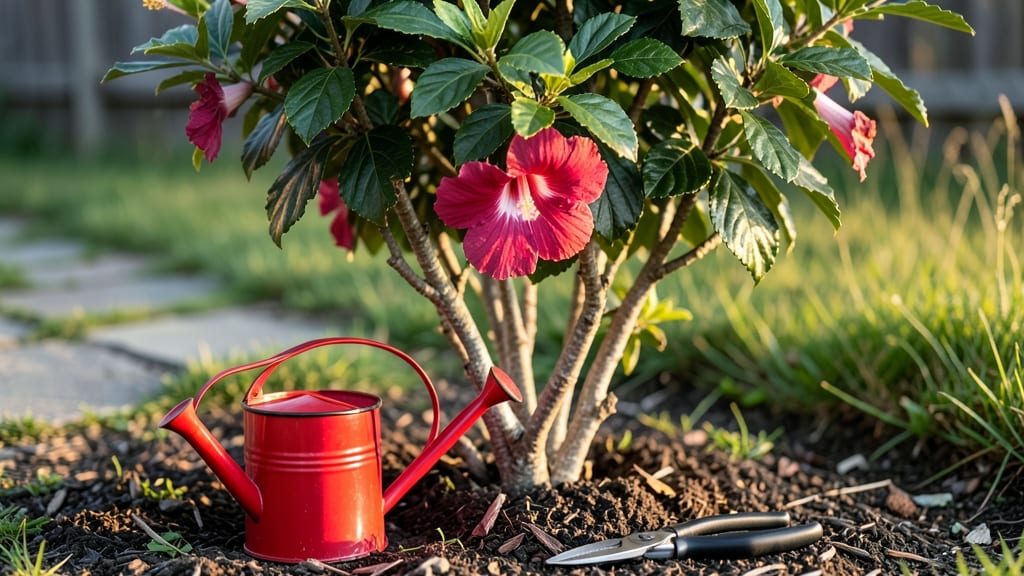
Taking care of a hibiscus tree means lush, velvety blooms that last from summer through fall—if you prune right.
I learned the hard way that skipping this step leads to leggy stems and sparse flowers, but once I mastered the timing and cuts, my tree became the showstopper of my backyard.
The secret isn’t just when to trim; it’s how to shape it for maximum airflow and sunlight exposure, which keeps those fragrant, dinner-plate-sized blooms coming back year after year.
You’ll need sharp pruning shears, a 5-gallon bucket for clippings, and a clear day to work—hibiscus hate soggy soil or wet cuts. Start by removing dead or crossing branches in late winter, then do a light shaping trim in early spring before new growth starts.
The goal is to encourage outward growth, not tall, skinny stems that flop over. For indoor trees, mimic outdoor conditions with bright, indirect light and humidity trays—they thrive on neglect but bloom best when happy.
What you’ll end up with is a tree that bursts into color by June and keeps flowering until frost, with glossy leaves that feel like silk. The fragrance? Like tropical vacations in your own yard.
Even better, hibiscus are drought-tolerant once established—just water deeply once a week in summer, and you’re golden. The only downside? They will attract butterflies, so keep a net handy if you’re growing near veggies.
This method works for both tropical hibiscus (hardy to zone 10) and the cold-hardy varieties (zone 5-9). For colder climates, bring potted trees indoors before temps drop below 40°F, or mulch heavily and wrap the trunk.
The key is consistency—prune the same way each year, and your hibiscus will reward you with bold, long-lasting blooms that turn heads at every neighborhood gathering.
📚 In This Guide
- What you need
- Instructions
- Tips and common mistakes
- Wrapping up and next steps
What you need
- ● Pruning shears: Sharp, bypass-style shears (for clean cuts) – 1 pair (e.g., Felco or Fiskars).
- ● Gloves: Heavy-duty, gardening gloves (to protect from thorns) – 1 pair.
- ● Disinfectant: 70% isopropyl alcohol or rubbing alcohol (to sterilize tools) – small bottle.
- ○ Pruning saw: Hand pruning saw (for thicker branches) – 1 (optional but helpful for mature trees).
- ● Rake or broom: For clearing fallen debris – 1.
- ● Pruning sealant: Tree wound dressing (for large cuts) – small tube.
- ● Marking twine or flags: To tag branches for future reference – roll of twine or stakes.
- ● Ladder or stool: For reaching higher branches – 1 (if your hibiscus is tall!).
- ● Water spray bottle: To clean tools between cuts – small bottle.
- ● Notebook & pen: To jot down pruning notes (e.g., branch locations, growth patterns).
Step-by-Step guide to year-round hibiscus tree care
Here’s how to keep your hibiscus thriving with simple, seasonal adjustments.
🌿 Step 1: Master Year-Round Watering for Healthy Roots
Hibiscus trees love moisture but hate soggy soil. Water deeply once a week during warm months, soaking the top 12 inches of soil until water runs out the drainage holes. In summer heat, you may need to water every 3-4 days—check by sticking your finger 2 inches deep. If it feels dry, water again.
In cooler months, cut back to every 10-14 days. Overwatering causes root rot, while underwatering stresses the plant. A 5-gallon watering can ensures even saturation without drowning the roots. Mulch with 2-3 inches of organic mulch (like shredded bark) to retain moisture and regulate soil temperature.
☀️ Step 2: Provide the Right Light and Temperature Balance
Hibiscus trees crave full sun—place yours where it gets at least 6-8 hours of direct sunlight daily. If indoors, position near a south-facing window or supplement with a grow light for 12-14 hours per day. Without enough light, blooms will fade, and growth slows dramatically.
Keep temperatures between 65-85°F for optimal growth. If nights dip below 50°F, move potted hibiscus indoors or cover outdoor plants with frost cloth. Sudden cold snaps shock the plant, causing buds to drop before opening.
✂️ Step 3: Prune Seasonally to Encourage Blooms
Prune lightly in spring (after last frost) to shape the tree and remove dead or crossing branches. Cut just above a leaf node at a 45-degree angle to encourage new growth. Avoid heavy pruning—hibiscus blooms on new wood, so aggressive cuts reduce flowers.
In late summer, trim back 1/3 of the new growth to promote bushier growth and more blooms next season. Deadhead spent flowers regularly to redirect energy into new buds. Wear gloves—hibiscus thorns are sharp!
💧 Step 4: Fertilize for Vibrant, Fragrant Blooms
Feed your hibiscus every 4-6 weeks during spring and summer with a balanced, water-soluble fertilizer (like 10-10-10). Follow label instructions—over-fertilizing burns roots. In fall and winter, switch to a low-nitrogen, high-phosphorus fertilizer (like 5-10-10) to support root health and next year’s blooms.
Work fertilizer into the top 6 inches of soil after watering to prevent root burn. Yellow leaves often signal over-fertilization—flush the soil with water if this happens. Hibiscus respond beautifully to feeding, but consistency matters more than heavy doses.
⏰ Step 5: Protect and Prepare for Winter Dormancy
Before the first frost, move potted hibiscus indoors to a bright, cool spot (50-60°F). Reduce watering to every 2-3 weeks and stop fertilizing entirely. Outdoor hibiscus in mild climates may need light winter protection—wrap the trunk with burlap or use a frost blanket on young plants.
Prune lightly in early spring to remove winter-damaged branches. Resist the urge to prune heavily—hibiscus need time to wake up and grow. With proper winter care, your tree will burst into bloom come spring, rewarding your efforts with stunning, fragrant flowers.
Tips & tricks for perfect hibiscus tree care
Took me years to figure out these little details that make all the difference with hibiscus—here's what nobody tells you.
Watering Wisdom: The finger test in Step 1 is key, but I've learned to check soil moisture in the morning when it's naturally drier. If your hibiscus is in a clay pot, you'll need to water more frequently than in a porous terracotta pot—clay holds moisture longer. For container plants, consider adding a moisture meter to avoid guesswork, especially during those unpredictable summer heatwaves.
Lighting Secrets: When supplementing with grow lights in Step 2, position them 6-12 inches above the plant and keep them on for the full 12-14 hours. I've found that LED grow lights with a full spectrum (blue and red) work best for encouraging blooms. If your hibiscus isn't blooming, it might be getting too much indirect light—direct sun is non-negotiable for those vibrant flowers.
Pruning Precision: That 45-degree angle in Step 3 isn't just for looks—it helps water run off the cut and prevents disease. Use sharp, clean pruning shears and disinfect them with rubbing alcohol between cuts. I've noticed that cutting just above a leaf node (where new growth emerges) makes a huge difference in how quickly the plant recovers and produces new blooms.
Fertilizer Timing: The 4-6 week feeding schedule in Step 4 works, but I've found that applying fertilizer right after a deep watering gives the roots time to absorb nutrients before drying out. In fall, when switching to the low-nitrogen fertilizer, I make sure to do this by early October to give the plant time to prepare for winter dormancy before the cold sets in.
Pro Tips for Take Care Of Hibiscus Tree
- Took me years to figure out these little details that make all the difference with hibiscus—here's what nobody tells ...
- Watering Wisdom: The finger test in Step 1 is key, but I've learned to check soil moisture in the morning when it's n...
- Lighting Secrets: When supplementing with grow lights in Step 2, position them 6-12 inches above the plant and keep t...
Frequently asked questions
Got questions about keeping your hibiscus tree thriving? Here’s what you need to know—from pruning tips to troubleshooting common issues!
How often should I prune my hibiscus tree?
Prune your hibiscus tree twice a year: once in late winter or early spring (before new growth) and again after flowering in summer. Light trimming between seasons helps maintain shape and encourages blooms. Avoid heavy pruning in fall—it can stress the plant before winter.
Can I prune a hibiscus tree in winter?
Winter pruning is not ideal for hibiscus trees, especially in colder climates. If you live in a frost-prone area, wait until late winter or early spring (after the last frost) to prune. Cold stress weakens the plant, making it vulnerable to disease. In mild climates, light shaping in winter is fine.
Why are my hibiscus leaves yellowing or dropping?
Yellowing leaves often signal overwatering, underwatering, or nutrient deficiencies. Check soil moisture—hibiscus prefers well-draining soil and water only when the top inch is dry. Yellow edges may indicate burn from fertilizer or salt buildup. Adjust care and test soil pH (ideal: 6.0–6.5).
How do I encourage more hibiscus flowers?
For bigger, brighter blooms, prune to open the canopy (remove dense growth) and fertilize with a balanced, acidic fertilizer (like 10-10-10) in spring and summer. Deadhead spent flowers regularly to redirect energy to new blooms. Also, ensure it gets 6+ hours of sunlight daily.
Can I grow a hibiscus tree in a pot?
Yes! Potted hibiscus trees thrive with proper container care. Use a large pot (15+ gallons) with drainage holes, and repot every 2–3 years. Choose a well-draining potting mix and fertilize monthly during growing season. Place in full sun and water consistently—pots dry out faster than ground soil!
Wrapping up and next steps
Caring for your hibiscus tree is all about consistency, patience, and a little love—and with the right pruning techniques, you’ll be rewarded with stunning, fragrant blooms year after year! 🌸 By mastering seasonal trims, removing dead growth, and encouraging airflow, you’ll keep your tree thriving and full of life.
Now that you’re armed with the know-how, why not take the next step? Share your progress with fellow plant enthusiasts or even tag us in your pruning photos—we’d love to see your hibiscus flourish! 🌿✨