
Planting
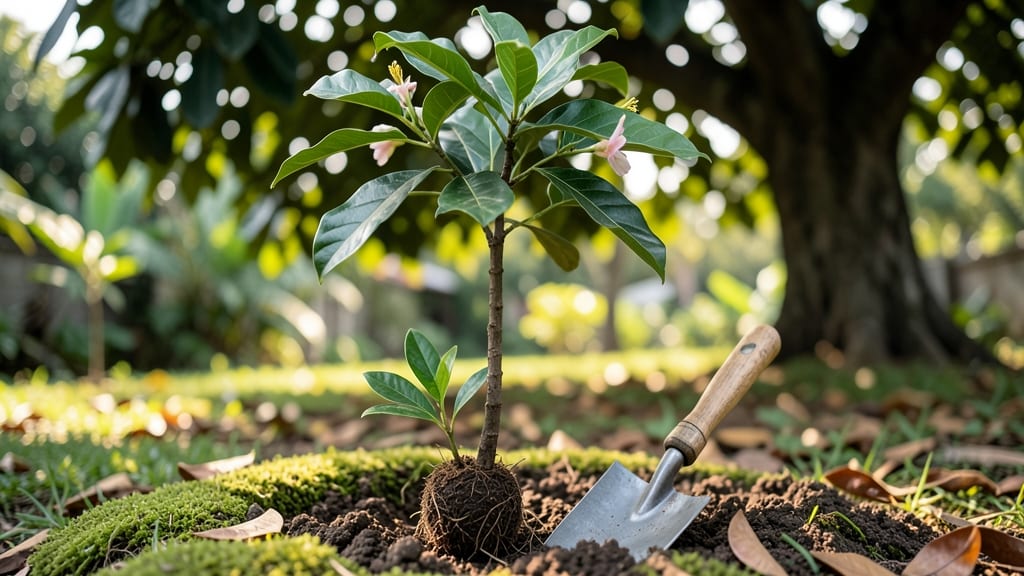
Planting a cocoa tree starts with the right conditions—warmth, humidity, and patience. 🌿 I learned the hard way that these trees demand tropical climates (zones 10-12) and won’t tolerate frost or dry spells.
The key isn’t just digging a hole; it’s recreating their natural rainforest environment in your backyard or container.
You’ll need well-draining, slightly acidic soil (pH 5.0-6.5) mixed with compost, plus a spot with 6+ hours of daily shade at first. Young trees hate direct sun and wind. The planting hole should be twice as wide as the root ball but only as deep—too deep, and the roots suffocate.
Within 6-12 months, you’ll see steady growth if the soil stays moist but not soggy. The first harvest won’t come for 3-5 years, but the journey—watching those glossy leaves unfurl—makes every watering worth it. Patience here separates dreamers from growers.
For container growers, 15-gallon pots work if you’re in a warm microclimate, but expect slower growth. The real secret? Mimic the tree’s native habitat: mulch heavily, prune lightly, and never let the soil dry out completely. Mistakes happen—overwatering kills roots, underwatering stunts growth—but cocoa trees forgive with time.
📚 In This Guide
- What you need
- Instructions
- Tips and common mistakes
- Wrapping up and next steps
What you need
- ● Cocoa tree seeds or saplings: 1-5 (depending on desired yield; saplings are faster but pricier). Opt for high-quality, disease-resistant varieties like Forastero or Trinitario.
- ● Well-draining soil: A mix of 60% topsoil, 30% compost, and 10% sand or perlite (pH 5.0–6.5). Cocoa trees hate soggy roots!
- ● Large containers or nursery beds: At least 12-inch-deep pots (for saplings) or a sunny, sheltered spot in your garden (for direct planting). Use black plastic mulch to retain warmth.
- ● Organic mulch: 3–4 inches of shredded leaves, wood chips, or cocoa husks to conserve moisture and regulate temperature.
- ● Slow-release fertilizer: A balanced 10-10-10 NPK or organic options like composted manure or worm castings (apply sparingly at first).
- ● Drip irrigation system or watering can: Cocoa trees need consistent moisture—aim for 1–2 inches per week.
- ● Pruning shears: Sharp, sterilized shears for trimming (size #10–12 blades for precision).
- ● Pest control: Neem oil or copper-based fungicide (to prevent fungal diseases like black pod).
- ● Garden gloves: Heavy-duty to protect against thorns and soil-borne pathogens.
- ● Soil pH test kit: Ensure your soil is in the ideal 5.0–6.5 range (adjust with sulfur or lime if needed).
- ● Shade cloth (30–50% coverage): Protect young saplings from direct sun (especially in hot climates).
- ● Trellis or stakes: For supporting mature trees (cocoa can grow 20–30 feet tall!).
- ● Humidity tray or greenhouse: If planting in a dry climate, mimic tropical conditions with a humidifier or enclosed space.
- ● Label markers: Track varieties and planting dates (trust us, you’ll forget!).
Step-by-step guide to planting cocoa trees in tropical climates
Here's how to give your cocoa trees the ideal start—where shade, humidity, and patience pay off big.
🌱 Step 1: Select the Perfect Planting Site
Cocoa trees thrive in tropical climates with temperatures between 68-86°F and 70-100 inches of annual rainfall. Choose a spot with dappled sunlight—they need shade from the midday sun but still require 6-8 hours of indirect light daily. I always plant mine under the canopy of taller trees like banana or coconut palms, which mimic their natural understory habitat.
Soil should be well-draining, slightly acidic (pH 5.0-6.5), and rich in organic matter. Test your soil first—cocoa trees hate soggy roots. If your soil is heavy clay, amend it with 3-4 inches of compost and 1 inch of perlite to improve aeration. The reason we focus on drainage is that cocoa roots are shallow but sensitive to waterlogging, which causes root rot.
🪴 Step 2: Prepare the Planting Hole and Transplant Seedlings
Dig a hole twice as wide as the root ball but only as deep as the container. Gently remove the cocoa seedling from its nursery pot and loosen any circling roots with your fingers. You'll see the roots are delicate—handle them like you would a newborn sapling. Place the seedling in the hole so the top of the root ball sits just below soil level—burying the stem too deep suffocates it.
Backfill the hole with the native soil you removed, mixing in a handful of well-rotted compost to provide slow-release nutrients. Press the soil lightly around the base to eliminate air pockets, then water deeply until moisture reaches 6 inches down. Here's the thing—cocoa trees are particular about their root environment. If you skip the compost, they’ll struggle to establish properly in poor soil.
☀️ Step 3: Establish a Shade and Mulch System
Immediately after planting, create a shade cloth structure using 30-50% shade fabric to protect young trees from intense sunlight. I use 4-foot-tall stakes and stretch the fabric overhead, securing it with clips. This mimics the filtered light of their native forest floor. Without shade, cocoa leaves scorch within weeks, and the tree weakens permanently.
Spread 3-4 inches of organic mulch (like wood chips or cocoa husks) around the base, keeping it 6 inches away from the trunk to prevent rot. The mulch conserves moisture, regulates soil temperature, and slowly decomposes to feed the roots. Water the mulch lightly after applying—this helps it settle and start breaking down. Real talk: Skipping mulch in hot climates means you’ll water twice as often, and cocoa trees hate drought stress.
💧 Step 4: Water and Fertilize for Early Growth
Water your cocoa tree deeply every 2-3 days for the first 4-6 weeks, ensuring moisture reaches 8-10 inches down. You’ll know it’s enough when the top 2 inches of soil feel damp but not soggy. After that, reduce to once a week during dry spells, always checking the soil first. Overwatering is the fastest way to kill a cocoa tree—it’s better to underwater slightly than drown the roots.
Start fertilizing 3 months after planting with a balanced, organic fertilizer (like 6-6-6) applied every 2 months. Use half the recommended dose the first time to avoid burning the roots. Cocoa trees are heavy feeders but sensitive to salt buildup from synthetic fertilizers. I swear by fish emulsion for its nitrogen boost—it mimics the nutrient-rich forest floor they evolved in. Watch for new leaves emerging 4-6 weeks after fertilizing; that’s your signal the tree is thriving.
✂️ Step 5: Prune and Train for Strong Structure
When your cocoa tree reaches 3-4 feet tall, begin light pruning to encourage branching. Remove only the topmost leaves to stimulate lateral growth—never cut into woody stems. The goal is to create a low, bushy shape with multiple trunks, which increases pod production. Prune in early spring before new growth starts; this gives the tree time to heal before the rainy season.
As the tree matures, train the main stems to grow slightly outward by gently tying them to stakes. This prevents the trunk from becoming too tall and leggy, which makes harvesting pods difficult later. Here’s where it gets fun—watch for the first white flowers appearing on the tree after 3-5 years. These signal the tree is mature enough to produce pods, but don’t expect a full harvest until 5-7 years of careful cultivation.
Tips & tricks for perfect cocoa tree planting
Here's what nobody tells you about giving your cocoa trees the best possible start.
Climate Precision: The 68-86°F temperature range isn't just a suggestion—it's critical for healthy growth. If you're planting in a slightly cooler microclimate, consider using shade fabric with a 50% coverage instead of the standard 30-50% to help regulate temperature. I've seen cocoa trees struggle in areas where afternoon temperatures creep above 90°F—even with shade, they need that upper limit respected. The 70-100 inches of annual rainfall is equally important; if you're in a drier region, supplement with drip irrigation during the dry season.
Root Care Secret: When loosening circling roots in Step 2, be extra gentle with the taproot—the main vertical root that anchors the tree. I've learned the hard way that even slight damage here can set back establishment by months. After planting, make a small watering well around the base to direct moisture straight to the roots rather than letting it run off. This mimics how rainfall would naturally soak into the forest floor where cocoa trees evolved.
Shade Structure Insight: The 4-foot-tall shade stakes are perfect, but here's the thing about shade cloth: it should be 3-4 feet above the tree at its highest point, not just covering the top. I use a simple A-frame structure with two stakes and a horizontal crossbar to create this height. The goal is to filter sunlight like the canopy of a rainforest—too low, and you'll create a hot, humid microclimate that encourages fungal diseases.
Watering Wisdom: Those first 4-6 weeks are make-or-break. I've found that using a moisture meter to check soil moisture at 8-10 inches down is more reliable than guessing. The top 2 inches being damp but not soggy is your visual cue, but meters remove the guesswork. For the weekly watering after the initial period, water in the early morning to allow foliage to dry before nightfall, reducing fungal risks. And never water the leaves—always direct water to the soil base.
Pro Tips for Plant Cocoa Tree
- Here's what nobody tells you about giving your cocoa trees the best possible start.
- Climate Precision: The 68-86°F temperature range isn't just a suggestion—it's critical for healthy growth.
- Root Care Secret: When loosening circling roots in Step 2, be extra gentle with the taproot—the main vertical root that anchors the tree.
Frequently asked questions
Got questions about planting cocoa trees?
You’re not alone! Here are some of the most common queries—plus straightforward answers to help you grow a thriving cocoa grove.
How long does it take for a cocoa tree to produce pods?
A cocoa tree typically takes 3–5 years to mature enough to produce its first pods, depending on climate, care, and variety. Patience is key—consistent pruning, fertilization, and shade management can speed up fruiting slightly. Once established, a healthy tree yields pods for decades!
Can cocoa trees survive in colder climates?
Nope! Cocoa trees (Theobroma cacao) are tropical plants and thrive only in regions with year-round warmth (68–86°F) and high humidity. If you’re outside the tropics, consider container growing indoors near a sunny window—but expect limited growth and no pods.
What pests or diseases should I watch for?
Common threats include:
- Cocoa pod borers (larvae that tunnel into pods—use pheromone traps or neem oil).
- Frosty pod rot (fungus from excess moisture—prune for airflow).
- Nematodes (soil-dwelling pests—rotate crops or apply beneficial nematodes).
Regular inspections and organic fungicides (like copper spray) keep issues in check.
Do cocoa trees need a pollinator?
Yes! While cocoa flowers are self-compatible, they rely on midges (small flies) for pollination. If you’re growing indoors or in a controlled environment, hand-pollinate with a soft brush to transfer pollen from male to female flowers. Outdoor trees usually handle this naturally.
Can I grow cocoa trees in containers?
Use a large pot (15+ gallons) with drainage holes and well-draining soil. Place it in a bright, humid spot (like a greenhouse or patio). Dwarf varieties (e.g., Trinitario) adapt better to containers. Just remember: no pods without ideal tropical conditions!
When’s the best time to plant cocoa seeds?
The rainy season (spring/summer in the tropics) is ideal—seeds germinate faster in moist soil (60–80°F). If planting dry seeds, soak them for 24 hours first. Avoid frost-prone months; cocoa seeds won’t survive cold.
Wrapping up and next steps
Planting a cocoa tree is a rewarding journey that blends patience with tropical passion! 🌱 By selecting the right climate, preparing nutrient-rich soil, and nurturing your saplings with care, you’re setting the stage for a bountiful harvest.
Remember, consistency is key—whether it’s watering, pruning, or protecting against pests, each step builds toward sweet success.
Now that you’re armed with the know-how, why not take the first step today? Start small—even a single sapling can spark a lifelong love for cocoa farming. Happy planting, and may your trees flourish like the finest chocolate dreams! 🍫✨