
Pruning
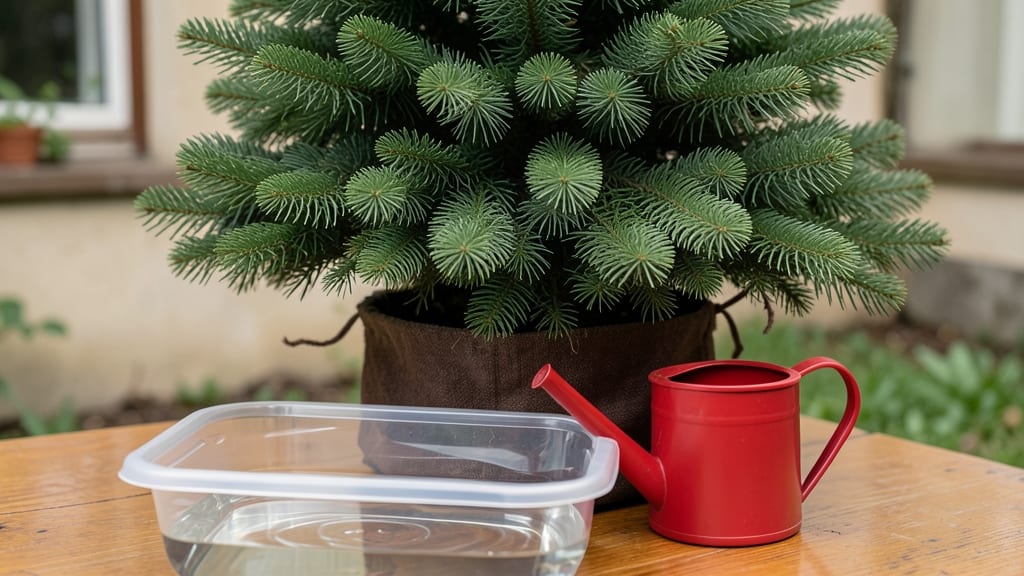
Here’s how to make a Christmas tree live longer—start with a fresh cut and a few smart tricks. 🌲 I’ve kept my trees vibrant through New Year’s by following these science-backed steps—no expensive tools or complicated setups required.
The secret lies in proper watering, stable placement, and controlling the environment. A clean cut at the base, a sturdy stand, and daily water checks keep needles plump and green. Too much heat or dry air? That’s what causes needle drop faster than anything else.
You’ll end up with a tree that smells like a forest in December, not a sad, drooping shadow by Christmas Eve. The best part? These tricks take less than 10 minutes a day and work for any tree type—real or artificial.
Whether you’re decorating for two weeks or six, these small adjustments make all the difference. Let’s get that tree looking its freshest all season long.
📚 In This Guide
- What you need
- Instructions
- Tips and common mistakes
- Wrapping up and next steps
What you need
- ● Christmas tree (fresh-cut) – A high-quality, locally sourced tree (preferably balsam fir, Douglas fir, or Fraser fir) with a 1-inch diameter trunk for best stability.
- ● Stand or tree holder – A wide-mouth, heavy-duty stand (holds 1+ gallon of water) or a tree bag with a water reservoir.
- ● Water – 1 gallon per inch of trunk diameter (e.g., 1 gallon for a 1-inch trunk). Use room-temperature water (never hot or cold).
- ○ Tree preservative – A commercial anti-desiccant (like ASAP Tree Preservative) or a DIY mix (see optional section).
- ● Scissors or pruning shears – Sharp, clean tools (sterilize with rubbing alcohol) for trimming.
- ● String lights or decorations – LED lights (generate less heat) and lightweight ornaments to avoid breaking branches.
- ● DIY preservative mix – 1 part bleach (unscented) + 3 parts water (adds 1/4 cup per gallon of water) to prevent bacteria/fungus.
- ● Tree hydration monitor – A clear stand with measurement markings or a food coloring test strip (drop in dye—if it disappears in 10 mins, refill!).
- ● Humidifier or pebble tray – Place near the tree on dry days to add moisture to the air.
- ● Tree spray (foliar spray) – A light misting bottle with water to refresh needles occasionally.
- ● Tree skirt or base cover – Protects the stand from dust, pets, or kids while keeping the base stable.
- ● Dried-out or pre-lit trees – These shed faster and hold water poorly.
- ● Plastic or narrow-mouth stands – They can’t hold enough water to keep the tree hydrated.
- ● Over-trimming – Only remove dry or broken branches; avoid excessive pruning.
Step-by-Step instructions for extending your Christmas tree's freshness
Here's how to keep your holiday centerpiece vibrant for weeks—not just days.
💧 Step 1: Perform a Proper Watering Ritual
Fill the tree stand with 4 gallons of water before placing the tree—this ensures the base absorbs moisture immediately. Use a tree preservative (like those with anti-bacterial agents) to prevent bacterial growth that clogs the trunk. I like to add a 1/4 cup of bleach to the water initially to kill any existing bacteria lurking in the stand.
Check water levels daily—evergreens drink a surprising amount. The stand should always contain 1-2 inches of water at the base. If the tree feels dry when you gently tug a branch, it's time to refill. Pro tip: Use a watering tube inserted into the trunk for deeper hydration.
☀️ Step 2: Optimize Light and Temperature Conditions
Keep your tree away from direct heat sources like fireplaces, radiators, or vents—dry air and heat accelerate needle loss. Ideal indoor conditions are 60-70°F with moderate humidity. If your home runs dry, place a humidifier nearby or mist the tree lightly every few days (but avoid soaking needles).
Bright, indirect light preserves color best. A window with filtered sunlight works well, but avoid harsh afternoon rays that can scorch needles. If placing near a window, rotate the tree quarter-turn daily so all sides receive even light exposure.
🌿 Step 3: Inspect and Maintain Needle Health
Run your fingers along the branches weekly—if you feel dry, crispy needles, they're already past saving. Trim any dead branches at the base with clean pruning shears, but avoid cutting live needles. Healthy trees shed naturally, but excessive needle drop (more than 10-15 per day) signals dehydration.
Brush off dust with a soft-bristle brush or vacuum attachment—dust clogs stomata (the tiny pores on needles) and blocks moisture absorption. I use a lint-free cloth to gently wipe branches every 7-10 days, focusing on the lower third where dust accumulates fastest.
⏰ Step 4: Adjust Care as the Season Progresses
After 2-3 weeks, switch to room-temperature water instead of cold—cooler water can shock the tree's vascular system. Add 1 tablespoon of white vinegar to the water weekly to inhibit bacterial growth in the stand. This small addition makes a noticeable difference in freshness.
If the tree develops a musty smell, it's a sign of bacterial buildup. Dump the old water, scrub the stand with hot, soapy water, and refill with fresh preservative solution. A quick rinse of the tree's lower branches under lukewarm water can also refresh it temporarily.
Tips & tricks for extending your Christmas tree's freshness
Here's what nobody tells you about keeping your tree vibrant for weeks instead of days.
Hydration Secret: The 4 gallons of water in Step 1 isn't just about initial hydration—it's about creating a reservoir. Evergreens can drink up to 1 quart per day during peak freshness. I've seen trees with water levels dropping 2 inches in just 24 hours during dry indoor air. Consider using a tree watering bag that attaches to the trunk for continuous moisture delivery, especially if you travel during the holidays.
Light Exposure Strategy: That quarter-turn daily rotation in Step 2 isn't just about even light—it's about preventing needle bleaching. Direct sunlight creates hot spots that dry out needles faster. I place my tree 3-4 feet from the window during daylight hours, then move it to a central location at night. This balance keeps the needles uniformly green while preventing sunburn on exposed branches.
Needle Health Inspection: The weekly finger test in Step 3 reveals more than just dryness. Healthy needles should feel slightly springy when gently pressed—like a well-strung guitar string. If you feel brittle needles near the trunk first, that's your tree's way of telling you the water isn't reaching the top branches. Try elevating the stand slightly to improve water distribution to the upper canopy.
Seasonal Water Chemistry: That vinegar addition after 2-3 weeks in Step 4 works wonders because it lowers the water's pH, making it easier for the tree to absorb. I also add 1 teaspoon of sugar to the weekly water change after week 3—this provides quick energy for the tree's metabolic processes. The combination of vinegar and sugar can extend freshness by 5-7 additional days compared to plain water.
Pro Tips for Make A Christmas Tree Live Longer
- Here's what nobody tells you about keeping your tree vibrant for weeks instead of days.
- Hydration Secret: The 4 gallons of water in Step 1 isn't just about initial hydration—it's about creating a reservoir.
- Light Exposure Strategy: That quarter-turn daily rotation in Step 2 isn't just about even light—it's about preventing needle bleaching.
Frequently asked questions
How long should I keep my Christmas tree up?
For fresh-cut trees, aim for 4-6 weeks max. After that, they dry out and become a fire hazard. Artificial trees? Keep them up year-round (unless storing them). Pro tip: Check for needle drop daily—if you lose more than a handful per day, it’s time to say goodbye!
Can I revive a dried-out Christmas tree?
Unfortunately, no—once needles turn brown and crispy, the tree is past saving. But you can extend its life by acting fast: trim ¼ inch from the trunk, recut the base, and place it in water immediately. If it’s already dry, compost it or repurpose branches for crafts!
Do I need to water my tree every day?
Yes!
A fresh tree needs 1 quart of water per day (more in dry climates). Use a stand with a gauge to track water levels—never let it go below 1 inch. A thirsty tree is a fire risk, so check it daily (or use a tree watering bag for hands-off hydration).
Will a tree last longer indoors vs. outdoors?
Indoors is better—heat and dry air speed up drying. If you must place it outside (like for a holiday photoshoot), water it thoroughly before bringing it in and avoid direct sunlight. Outdoors, trees dry out 3x faster due to wind and temperature swings.
Are there alternatives to fresh-cut trees that last longer?
Absolutely! Consider:
- Pre-lit artificial trees: No watering, lasts decades if stored properly.
- Living potted trees: Rent or buy a Norfolk pine—plant it after holidays!
- Garland-style trees: Made of real branches (like cedar) that stay fresh for weeks.
Bonus: Flowering trees (like amaryllis) add holiday cheer without needle drop!
Wrapping up and next steps
With these science-backed tricks, your Christmas tree can stay fresh, vibrant, and fragrant for weeks—even months! 🎄✨ Whether you’re using a real tree or a faux one, a little care goes a long way in preserving its beauty.
Now that you’re armed with the best tips, take action: pick your tree, prep your space, and start enjoying the magic of a longer-lasting holiday centerpiece.
And remember—the best part of the season isn’t just the tree itself, but the joy it brings to your home and heart. Happy decorating! 🎅💛