
Propagation
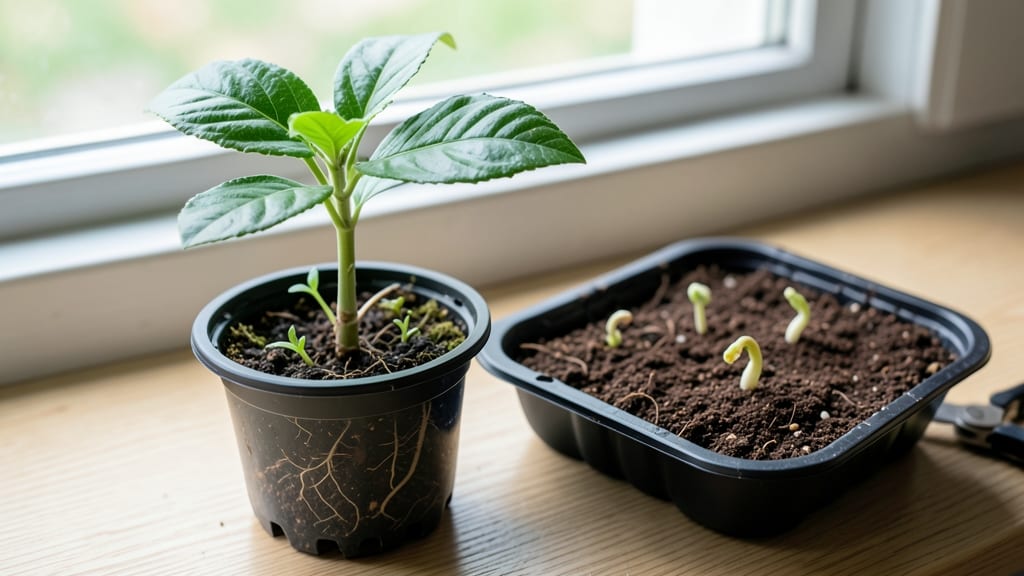
Growing a tangerine tree from seeds means years of sweet anticipation—every sprout feels like a promise of future harvests. 🌱 I’ve watched seedling leaves unfurl into full branches, and though it takes patience, there’s nothing like the thrill of nurturing a tree that could one day bear your own fruit.
The first step is choosing seeds from a ripe, organic tangerine (store-bought seeds often won’t sprout), then mimicking the tropical conditions they crave. Most gardeners give up after the first slow month, but those who stick with it see the payoff in lush green growth.
The real secret lies in the details: warm soil, indirect light, and a humidity dome to keep those delicate seedlings from drying out. You’ll need a small pot, well-draining soil mix, and a spray bottle for gentle watering—no fancy equipment, just consistency.
Within 4-6 weeks, you might spot your first true leaves (not the initial seed leaves), signaling healthy progress. The tricky part? Seedlings grow slowly at first, but once they hit 12 inches, they start putting on real growth.
By year two, your tree will look like a tiny citrus sapling, but fruiting takes 5-10 years—far longer than grafted trees. That’s the trade-off for the satisfaction of growing something entirely your own. The reward?
A tree adapted to your climate, with roots that know your soil. With proper care, you’ll end up with a sturdy, disease-resistant plant that might just surprise you with its first tiny, tart-orange fruit.
This method works best in USDA Zones 9-11, but container growers in cooler climates can keep their trees indoors near a sunny window. The key is never rushing—citrus trees grown from seed are a marathon, not a sprint. Ready to plant that first seed? Let’s get started.
📚 In This Guide
- What you need
- Instructions
- Tips and common mistakes
- Wrapping up and next steps
What you need
- ● Tangerine seeds: 3–5 fresh, plump seeds (harvested from organic tangerines for best results).
- ● Small pots or seed trays: 2–4 (3–4 inches in diameter) with drainage holes.
- ● Well-draining potting mix: A high-quality seed-starting mix (avoid garden soil—it can compact and suffocate roots!).
- ● Plastic wrap or a humidity dome: To create a mini greenhouse effect.
- ● Spray bottle: For gentle watering (avoid over-saturating the soil).
- ● Grow lights or sunny windowsill: A south-facing window or LED grow lights (12–16 hours/day) for seedlings.
- ● Larger pot (5+ gallons): For transplanting once seedlings are 6+ inches tall.
- ● Balanced fertilizer (5-5-5 or 10-10-10): Diluted to half-strength for young plants.
- ● Pruning shears: For trimming leggy growth later on.
- ● Seedling heat mat: Speeds up germination if your home is chilly (70–80°F is ideal).
- ● pH testing kit: Ensures soil pH stays between 6.0–7.0 (tangerines love slightly acidic soil!).
- ● Mulch (e.g., straw or wood chips): Retains moisture and regulates soil temperature.
- ● Support stake or trellis: For young trees as they grow taller (3–4 feet).
- ● Citrus-specific fertilizer: Once transplanted to the ground or larger pots.
Step-by-step instructions for growing tangerine trees from seeds
Here's how to turn a simple seed into a fragrant citrus tree with patience and care.
🌱 Step 1: Extract and Prepare the Seeds
Start with fresh tangerines—ripe fruit yields the best germination rates. Cut the fruit in half and gently separate the seeds from the pulp, rinsing them under cool water to remove all fruit residue. Real talk: don't skip this step. Leftover pulp can rot seeds before they even sprout.
Place the clean seeds between two paper towels and dampen them lightly with water. Fold the towels so they wrap snugly around the seeds, then place the bundle inside a sealed plastic bag. Store this in a warm spot (around 70-75°F)—a sunny windowsill or atop the fridge works well. Check daily and mist with water if the towels dry out.
💧 Step 2: Plant Germinated Seeds in Soil
After 7-14 days, you'll see tiny white roots and a small sprout emerging—this is your signal to plant. Fill a 4-inch diameter pot with well-draining potting mix (avoid garden soil—it compacts too much). Make a ½-inch deep hole in the center and gently place the seed, root-side down, covering it lightly with soil.
Water gently until moisture seeps from the bottom drainage hole, then place the pot in a bright, indirect light spot. Keep the soil consistently moist but never soggy—you'll know it's right when the top inch feels damp to touch. A humidity dome helps retain moisture while the seedling establishes roots.
☀️ Step 3: Transition to Larger Containers and Sunlight
Once the seedling reaches 3-4 inches tall (usually 4-6 weeks after planting), it's time to upgrade. Choose a 6-inch pot and fill it with fresh potting mix. Carefully remove the seedling, keeping the root ball intact, and replant at the same depth. This is the moment that matters: proper depth prevents stem rot while encouraging strong root growth.
Move the pot to a location with 6+ hours of morning sun and partial afternoon shade. Tangerine seedlings need bright light to prevent leggy growth, but direct afternoon sun can scorch tender leaves. Watch for new leaves—healthy ones should be glossy and deep green. If you see pale, stretched stems, your light isn't intense enough.
✂️ Step 4: Prune and Harden Off for Outdoor Planting
When your seedling reaches 12-18 inches tall and has 5-7 leaves, it's ready for pruning and outdoor prep. Use clean scissors to trim the top set of leaves, cutting just above a leaf node to encourage bushier growth. This step might seem counterintuitive, but it strengthens the plant's structure and prevents weak, top-heavy stems.
Start hardening off by placing the pot outside in a sheltered spot for 1-2 hours the first day, gradually increasing exposure over 10-14 days. By the time temperatures stay above 50°F at night, your seedling can live outdoors permanently. Choose a location with full sun and well-draining soil—tangerine trees hate soggy roots.
Tips & tricks for perfect tangerine tree growth
Growing a tangerine tree from seeds is all about patience and attention to detail—here's how to avoid common pitfalls and give your citrus tree the best start.
Seed Preparation Matters: The cleanliness of your seeds is critical in Step 1. I learned this the hard way after watching seeds rot from leftover pulp. Use a fine-mesh strainer to remove any lingering fruit residue, and pat them completely dry before placing them between the paper towels. This extra step prevents mold and gives you the best germination rates.
Temperature Control: The warm spot you choose for seed germination (around 70-75°F) needs to stay consistently warm. I place my plastic bag setup on top of my fridge, which maintains that perfect temperature without direct sunlight. If your home runs cooler, consider using a seedling heat mat—just be sure it stays below 80°F to avoid overheating the seeds.
Light Balance in Step 3: When transitioning to sunlight, morning sun is your friend, but afternoon sun can scorch tender leaves. I've found that placing my seedlings near an east-facing window gives them the perfect balance of light. If you're using artificial grow lights, maintain them about 6 inches above the plants and keep them on for 12-14 hours per day to mimic natural daylight.
Pruning Strategy: When you reach Step 4 and it's time to prune, focus on cutting just above a leaf node where new growth will emerge. I always use clean, sharp scissors to make precise cuts—this prevents tearing the stems and reduces the risk of disease. After pruning, give your plant a light misting to help it recover from the stress.
Pro Tips for Grow Tangerine Tree From Seeds
- Growing a tangerine tree from seeds is all about patience and attention to detail—here's how to avoid common pitfalls and give your citrus tree the best start.
- Seed Preparation Matters: The cleanliness of your seeds is critical in Step 1.
- Temperature Control: The warm spot you choose for seed germination (around 70-75°F) needs to stay consistently warm.
Frequently asked questions
Got questions about growing tangerine trees from seeds? You’re not alone! Here are answers to the most common queries to help you navigate this citrus adventure with confidence.
How long does it take for a tangerine seed to sprout?
A tangerine seed typically sprouts within 2–4 weeks if kept warm (around 70°F) and moist. Patience is key—some seeds may take up to 6 weeks, especially if conditions aren’t ideal. Keep the soil consistently damp (not soggy) and place the pot in a sunny spot to encourage germination.
When will my seedling produce fruit?
Don’t expect fruit for 5–10 years—seed-grown tangerine trees are slow to mature! Even with ideal care, fruit production is unpredictable because seedlings may not inherit the parent plant’s traits. For faster results, consider grafting a known variety onto your seedling later.
Can I grow a tangerine tree indoors?
Yes, but with limitations! Tangerine trees thrive outdoors in USDA Zones 9–11. Indoors, they’ll need a sunny windowsill or grow lights, high humidity (mist leaves often), and a pot with drainage. Expect slower growth and smaller fruit—outdoor planting is ideal for full citrus potential.
Why are my tangerine seedlings yellow or drooping?
Yellow leaves often signal overwatering or nutrient deficiency (like nitrogen). Drooping may mean underwatering or root stress. Check soil moisture—it should stay evenly damp but not waterlogged. Yellow edges? Low humidity or too much sun. Adjust care and monitor for pests like aphids or spider mites.
Will my homegrown tangerine taste like store-bought ones?
Probably not! Seed-grown tangerines are less sweet and tart than grocery varieties because their flavor depends on genetics. For consistent taste, save seeds from organic, heirloom, or seedless tangerines (like Clementines) or graft a known variety onto your seedling.
Can I grow tangerine trees in containers?
Use a 5-gallon pot or larger with drainage holes and well-draining soil. Repot every 2–3 years as the tree grows. Place the container in full sun (6+ hours daily) and move it indoors during winter if temperatures drop below 40°F.
Wrapping up and next steps
Growing a tangerine tree from seeds is a rewarding journey that blends patience with the joy of nurturing life.
With the right care—sunlight, well-draining soil, and a little love—you’ll soon watch tiny seeds transform into a fragrant citrus wonder. Don’t be discouraged if it takes time; even the sweetest tangerines start as humble beginnings!
Now that you’re armed with knowledge, take the next step! Start with those seeds today, and in a few years, you might just be harvesting your own homegrown citrus. Happy growing—your backyard orchard awaits! 🌱✨