
Size
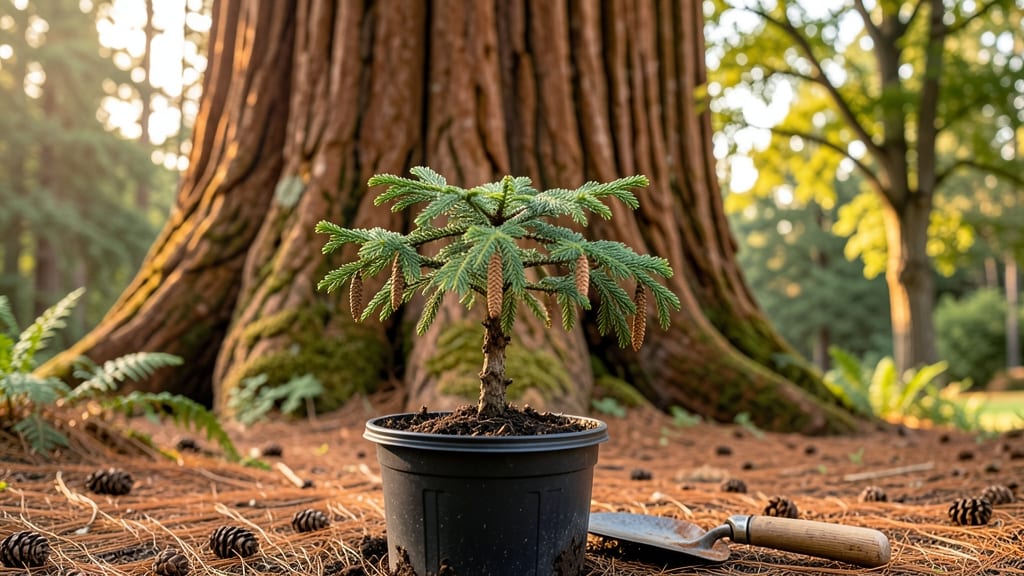
Growing sequoia trees from seed is a decades-long commitment that rewards you with a living monument. These giants—some of the oldest and tallest trees on Earth—demand space, patience, and the right conditions, but there’s nothing like watching a sapling you nurtured become a towering sentinel.
My first sequoia seedling is now 8 feet tall, and I still pinch myself when I see it against my backyard fence.
The key to success starts with location: sequoias thrive in Zone 5-8, need well-draining soil, and crave full sun (at least 6 hours daily). They despise soggy roots, so raised beds or slopes work best.
If you’re starting from seed, expect 20+ years before your tree reaches 10 feet—slow growth is part of their charm, but it’s why they’re not for small yards or impatient gardeners.
By year 5, you’ll see real progress: thick, glossy needles and a sturdy trunk. With proper care—deep watering (1-2 inches per week), mulch to protect roots, and pruning to remove dead branches—your sequoia will develop the iconic fire-resistant bark and majestic silhouette.
The payoff? A tree that outlives you, becomes a landmark, and tells future generations you had the vision to grow something extraordinary.
Fair warning: sequoias need at least 50 feet of space to spread their roots and reach their full height. If you’re not on a large property, consider growing a dwarf cultivar or keeping it as a container specimen (though even then, it’ll need winter protection).
For the rest of us, this is a long-term legacy project—not a quick garden win. But if you’re in it for the century, there’s no better investment.
📚 In This Guide
- What you need
- Instructions
- Tips and common mistakes
- Wrapping up and next steps
What you need
- ● Sequoia seeds: Fresh or cold-stratified seeds (or young seedlings from a reputable nursery). Note: Seeds from mature cones work best!
- ● Large containers: 3–5 gallon pots (or bigger) with drainage holes for seedlings. Pro tip: Use fabric grow bags for better root development!
- ● Well-draining soil: Mix 50% peat moss, 30% perlite, and 20% coarse sand (or a sequoia-specific blend). pH: 6.0–7.0.
- ● Mulch: Wood chips or bark (2–3 inches deep) to retain moisture and regulate temperature.
- ● Watering can or hose: With a gentle spray nozzle for seedlings.
- ● Fertilizer: Balanced, slow-release fertilizer (e.g., 10-10-10) or organic compost (applied lightly 2–3 times/year).
- ○ Shade cloth (optional): 30–50% coverage for young seedlings in hot climates.
- ● Pruners: Sharp, sterilized bypass pruners for trimming (once established).
- ● Climate: Sequoias thrive in USDA Zones 5–9 with cool, moist summers and cold winters. Coastal redwoods (Sequoia sempervirens) prefer humid, foggy conditions.
- ● Space: Mature sequoias need 50+ feet of vertical space and wide root zones—plant in open, sunny areas (full sun for 6+ hours/day).
- ● Water source: Access to regular, deep watering (especially in the first 2 years). Drought-tolerant once established, but seedlings love consistent moisture!
- ● Patience: Sequoias grow slowly—expect 1–2 feet per year in ideal conditions. Think decades, not years!
- ● Seedling heat mat: For germinating seeds indoors (keeps soil at 60–70°F).
- ● Mycorrhizal fungi: Boosts root health—mix into soil at planting.
- ● Windbreaks: Temporary fencing or screens to protect young trees.
- ● Soil tester kit: To monitor pH and nutrient levels annually.
Step-by-step guide to cultivating sequoia trees from seed
Here's how I've successfully nurtured these ancient giants—patience and precision are key.
Source and Prepare Sequoia Seeds
Sequoia seeds require freshness for germination, so source them from reputable suppliers or collect cones from mature trees in late fall. Store seeds in a cool, dry place until planting—viability drops sharply after one year. I recommend stratifying seeds for 60-90 days in moist peat moss at 35-40°F to mimic winter conditions. This cold treatment breaks dormancy and significantly improves germination rates.
Once stratified, soak seeds in lukewarm water for 24 hours before sowing. This softens the hard outer shell, allowing moisture to penetrate. Use a fine mesh bag to prevent seeds from floating away during soaking. You'll know they're ready when the seed coats appear slightly swollen and pliable.
Create Ideal Germination Conditions
Fill 4-inch deep containers with a sterile mix of 50% peat moss and 50% perlite—this lightweight blend prevents rot while allowing proper drainage. Sequoia seedlings hate soggy roots, so avoid garden soil entirely. Plant seeds ¼ inch deep, spacing them 2 inches apart in rows. I use a small wooden stick to create planting holes for precision.
Cover the containers with clear plastic wrap to maintain 90% humidity and place them in a warm, dark location (around 70°F). Germination can take 4-12 weeks, so consistency is critical. Check moisture weekly—mist lightly if the surface feels dry to touch. You'll see first sprouts push through the soil when conditions are perfect.
Transition to Light and Early Care
Once seedlings emerge, remove the plastic wrap immediately to prevent fungal growth. Move containers to bright, indirect light for their first two weeks—direct sun can scorch tender new leaves. I use a grow light on a 14-hour cycle to supplement natural light, especially in winter. You'll notice healthy seedlings developing two cotyledons (first true leaves) within 3-4 weeks of germination.
Water gently from below using a tray method to avoid disturbing delicate roots. Keep soil consistently moist but never waterlogged—sequoias are drought-tolerant once established, but seedlings need reliable moisture. Fertilize lightly with a balanced 10-10-10 solution at half-strength after the first set of true leaves appears.
Gradual Hardening and Transplanting
After 6-8 months, when seedlings reach 6-8 inches tall, begin hardening them for outdoor conditions. Start by placing containers in a sheltered, shaded outdoor spot for 2 hours daily, gradually increasing exposure over 2-3 weeks. Sequoias thrive in full sun but need time to acclimate to wind and temperature fluctuations.
Choose a transplant site with well-draining soil and full sun exposure (at least 6 hours daily). Dig a hole twice as wide as the root ball but only as deep as the container. Gently remove seedlings, keeping as much soil intact as possible, and place them in the hole. Backfill with native soil and water deeply to eliminate air pockets. Mulch with 2 inches of wood chips to retain moisture and regulate soil temperature.
Long-Term Growth and Maintenance
Young sequoias grow slowly—expect only 6-12 inches of height gain annually in ideal conditions. Water deeply once weekly during the first growing season, then taper to every 2-3 weeks once established. Sequoias are remarkably resilient but benefit from annual applications of compost in early spring to encourage strong root development.
Prune only to remove dead or damaged branches—these trees naturally develop their iconic shape with minimal intervention. Monitor for pests like bark beetles, which can stress young trees. If you notice sawdust-like frass or small holes in bark, treat with neem oil as a preventive measure. With proper care, your sequoias will grow into majestic forest giants over centuries.
Tips & tricks for perfect sequoia cultivation
Growing these ancient giants requires attention to detail at every stage—here's how I've refined the process over years of trials.
Stratification Success: The 60-90 day cold treatment at 35-40°F is non-negotiable for breaking seed dormancy. I've found that using a refrigerator's crisper drawer—where humidity stays consistent—mimics natural winter conditions perfectly. Place seeds in a sealed container with damp paper towels to maintain moisture without creating anaerobic conditions. If you're impatient, you can extend stratification to 120 days for even higher germination rates, but don't rush this critical step.
Germination Environment: That 70°F warm, dark location is crucial for triggering germination, but don't assume any closet will work. I've had better success with a propagation mat set to 70°F under a cardboard box—this creates stable conditions without requiring constant monitoring. The 90% humidity under plastic wrap is essential, but check weekly for condensation buildup. If you see water droplets forming, remove the wrap for 30 minutes to prevent fungal growth while maintaining humidity.
Light Transition Strategy: When moving seedlings to bright indirect light after germination, I recommend a gradual approach over 5-7 days rather than the immediate transition. Start with morning sun only, then gradually increase exposure. The 14-hour grow light cycle is particularly valuable in winter months when natural light is insufficient. I've noticed seedlings exposed to direct sun too soon develop yellowing leaves—a clear sign of stress that can be avoided with this gradual acclimation.
Hardening Timeline: The 2-hour daily outdoor exposure in Step 4 should be increased by 30 minutes every 3-4 days rather than the suggested weekly increments. This accelerated hardening helps prevent transplant shock when moving to full sun conditions. I also recommend hardening during the coolest part of the day to minimize temperature stress on the seedlings. The 2-inch wood chip mulch is particularly important during this phase as it helps maintain soil moisture while the seedlings adjust to outdoor conditions.
Pro Tips for Grow Sequoia Trees
- Growing these ancient giants requires attention to detail at every stage—here's how I've refined the process over yea...
- Stratification Success: The 60-90 day cold treatment at 35-40°F is non-negotiable for breaking seed dormancy. I've fo...
- Germination Environment: That 70°F warm, dark location is crucial for triggering germination, but don't assume any cl...
Frequently asked questions
Got questions about growing these majestic giants? Here are some of the most common ones—and their answers—to help you on your journey to nurturing a sequoia!
How long does it take for a sequoia tree to grow from seed to maturity?
A sequoia tree’s growth is a marathon, not a sprint! From seed, it takes 10–15 years to reach 10 feet tall, 50–70 years to mature, and hundreds of years to reach its full towering height (up to 300+ feet). Patience is key—think generations, not seasons!
Can I grow a sequoia tree in a pot or small garden?
Sequoias are not pot plants—they need space, deep soil, and room to spread their roots (up to 10+ feet wide!). If you’re in a small yard, consider a dwarf cultivar like Sequoiadendron giganteum 'Pendulum', which stays under 30 feet tall. Otherwise, plan for a large outdoor area with well-draining soil.
What are the most common pests or diseases affecting sequoia trees?
Sequoias are tough but not invincible! Watch for:
- Western pine beetles (bore into bark—treat with insecticides if spotted).
- Fungal diseases like root rot (ensure never soggy soil!).
- Cankers (from wounds—prune carefully with sterilized tools).
How cold-hardy are sequoia trees, and can they survive winter?
Sequoias are hardy to USDA zones 4–7 (surviving temps down to -20°F/-29°C), but young seedlings need protection in harsh winters. Mulch heavily around the base and avoid late-season watering to prevent frost damage. Mature trees thrive in cold climates—just give them time to establish!
Are there faster-growing alternatives to giant sequoias?
If you want a fast-growing, large tree without the century-long wait, try:
- Dawn Redwood (Metasequoia glyptostroboides)—grows 3–5 ft/year!
- Eastern Red Cedar (Juniperus virginiana)—drought-tolerant and quick.
- Douglas Fir (Pseudotsuga menziesii)—reaches 60+ ft in 20–30 years.
Wrapping up and next steps
Growing sequoia trees is a rewarding journey that demands patience, care, and a deep connection to nature. 🌳 From nurturing tiny seeds to watching them reach towering heights, every step is a testament to your dedication.
Whether you're a seasoned gardener or a beginner, the key is consistency—providing the right soil, sunlight, and space while protecting your saplings from pests and harsh conditions.
Now that you’re equipped with the knowledge, take that first step! Start small—plant a seed or a young sapling—and let your sequoia dream take root. With time, your efforts could one day contribute to a breathtaking forest of giants. Happy growing! 🌱✨