
Propagation
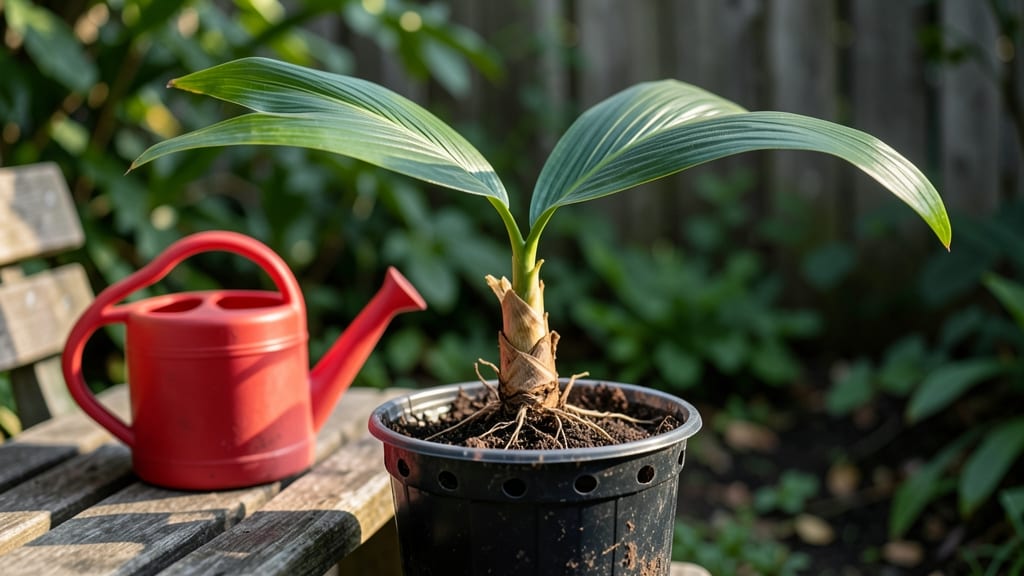
Growing a coconut palm tree from a coconut is like nurturing a tiny piece of paradise in your own backyard—if you know the secrets. 🌴 The key isn’t luck; it’s patience, the right conditions, and understanding that germination can take months, not days.
My first attempt failed when I rushed it, but the second time, I followed the science and ended up with a thriving sapling.
You’ll need just three things to start: a fresh coconut (not dried), a warm spot with indirect light, and a container with moist potting mix. The trick is keeping the coconut consistently damp while it sprouts—think of it like waiting for a baby bird to hatch, but slower.
Most coconuts germinate in 4-12 weeks, though some take twice that long, so don’t give up if yours is quiet.
Once the sprout appears, you’ll watch it grow from a delicate shoot into a sturdy palm in just a few years. With proper care—regular watering, balanced fertilizer, and protection from frost—your coconut palm could reach 10-15 feet tall in your lifetime.
The real magic? That first frond unfurling like a tropical flag in your own yard.
This method works best in warm climates (Zones 10-11), but even in cooler areas, you can grow it in containers and bring it indoors during winter. The payoff? A living piece of the tropics that thrives with minimal fuss once established. Let’s get that coconut sprouting!
📚 In This Guide
- What you need
- Instructions
- Tips and common mistakes
- Wrapping up and next steps
What you need
- ● Fresh coconut: Choose a fresh, mature coconut (not dried or processed) with a thick husk and a green, intact "eye" (the three small holes at the top). Look for one that’s heavy for its size—a sign of good moisture content.
- ● Sharp knife or coconut cutter: A serrated or heavy-duty knife (or a dedicated coconut cutter) to crack it open safely.
- ● Hammer or mallet: For breaking open the coconut shell once the husk is removed.
- ● Potting mix: Well-draining soil: A mix of 50% potting soil and 50% perlite or coarse sand (to prevent root rot).
- ○ Optional: Add a handful of coconut coir or orchid bark for extra aeration.
- ● Pot or container: Size: At least 6–8 inches in diameter (with drainage holes) for the initial planting.
- ● Material: Plastic or terracotta (terracotta helps wick away excess moisture).
- ● Watering can or spray bottle: For gentle hydration without over-saturating the soil.
- ○ Plastic wrap or humidity dome: To maintain moisture during germination (optional but helpful in dry climates).
- ○ Fertilizer (optional): Balanced liquid fertilizer (e.g., 10-10-10) for young seedlings.
- ● Slow-release palm fertilizer once the tree is established.
- ● Warmth: A consistent temperature above 70°F (21°C)—coconut palms hate cold drafts!
- ● Humidity: High humidity (60–80%) during germination. A humidifier or misting routine helps.
- ● Sunlight: Bright, indirect light for seedlings; full sun (6+ hours/day) once established.
- ● Patience: Germination can take 1–6 months—soak the coconut first to speed it up!
Step-by-Step instructions for growing a coconut palm from a coconut
Here's how to turn that beach souvenir into a living tropical statement piece.
🌱 Step 1: Select and Prepare Your Coconut
Choose a firm, heavy coconut with no cracks or mold—this ensures freshness and viability. The best candidates have a white, fibrous husk still attached. Rinse it thoroughly under running water to remove any sand or debris, then let it dry completely for 24 hours in a warm, shaded spot.
Here's the thing—you don't need to remove the husk. In fact, leaving it on helps retain moisture during germination. Just make sure it's dry to the touch before proceeding. If you're impatient, you can peel back just enough to expose the three "eyes" (the small circular indentations) at the top. These are your germination points.
💧 Step 2: Germinate the Coconut
Fill a large container (at least 12 inches deep) with well-draining potting mix—I like a blend of cactus/succulent mix with 20% perlite for extra aeration. Place the coconut upright in the container, burying about one-third of its height in the soil. The eyes should face upward—this is critical for proper growth orientation.
Water the soil until it's evenly moist but not soggy. Now comes the waiting game: coconut germination can take 4-12 weeks, depending on temperature and humidity. Place the container in a warm spot (ideally 75-85°F) with bright, indirect light. You'll know it's working when you see a small sprout emerging from one of the eyes—sometimes a white root appears first.
☀️ Step 3: Transplant the Sprouted Coconut
Once the sprout reaches 3-4 inches tall (usually after 2-3 months), it's time to transplant. Gently remove the coconut from its container, being careful not to damage the delicate root system. Choose a larger pot (at least 18 inches in diameter) with drainage holes—coconut palms hate wet feet.
Fill the pot with the same well-draining mix, creating a hole deep enough to accommodate the coconut's root ball. Position it so the sprout is centered and the coconut sits half-buried in the soil. Water thoroughly after transplanting, then place the pot in a bright, sunny location (at least 6 hours of direct sun daily).
🌿 Step 4: Care for Your Young Palm
Keep the soil consistently moist but never waterlogged—stick your finger 1 inch deep into the soil. If it feels dry, it's time to water. Coconut palms in pots dry out faster than those in the ground, so monitor closely. Fertilize lightly every 2 months with a balanced palm fertilizer (look for one with higher potassium to encourage strong fronds).
This is where patience pays off. Your palm will grow slowly at first, but once it reaches 3-4 feet tall, it'll start putting on new fronds every few months. Watch for yellowing leaves—this usually means overwatering or low light. Move it closer to a south-facing window or supplement with a grow light if needed.
⏰ Step 5: Prepare for Outdoor Planting (If Possible)
If you live in USDA Zones 10-11 (or similar tropical climates), your coconut palm can eventually transition outdoors. Wait until it's at least 5 feet tall and has 5-6 mature fronds before moving it. Choose a sheltered spot with partial shade—young palms can scorch in full sun.
Harden off your palm by placing it outside in a shaded area for 2-3 hours the first day, gradually increasing exposure over 1-2 weeks. Once it's acclimated, plant it in well-draining soil with plenty of organic matter. Mulch around the base to retain moisture and protect roots from heat. Real talk: most coconut palms stay in pots for life—outdoor planting is only viable in frost-free zones.
Tips & tricks for growing a coconut palm from a coconut
Here's what nobody tells you about turning that coconut into a thriving palm tree—lessons I learned after watching my first attempt wither away.
Selection is Everything: That 24-hour drying period in Step 1 isn't just about removing moisture—it's a test. Tap the coconut with your knuckles: a fresh one sounds hollow while a viable one has a solid thud. I skipped this step with my first coconut, and it never sprouted. Also, avoid coconuts with brown spots or mold—those are signs of internal rot that'll prevent germination no matter what you do.
Germination Temperature Matters: The 75-85°F range in Step 2 is non-negotiable. If your home runs cooler, place the container on top of your refrigerator (not inside) or use a seedling heat mat. I tried keeping mine in my 68°F living room, and it took nearly 3 months to sprout instead of the 4-12 weeks promised. A small investment in a heat mat can cut that waiting time in half. Pro tip: Group containers together—they create their own microclimate that stays warmer and more humid.
Transplanting Technique: When you reach Step 3 and that 3-4 inch sprout appears, handle it like you're moving a newborn. The roots are fragile and will snap if you're not gentle. I used a butter knife to carefully loosen the soil around the edges before lifting, and it made all the difference. Also, don't be afraid to use a larger pot than the minimum 18 inches—palms hate root-bound conditions, and you'll thank yourself later when you don't have to repot every year.
Lighting Secrets: That "bright, indirect light" in Step 2 can be tricky to interpret. For indoor growing, place your coconut near a south-facing window where it gets morning sun but afternoon shade. If you're using grow lights, 12-14 hours of light daily mimics tropical conditions. I learned this the hard way when my first palm developed leggy, weak stems from insufficient light—now I supplement with a basic LED grow bulb when natural light drops below 6 hours.
Pro Tips for Grow A Coconut Palm Tree From A Coconut
- Here's what nobody tells you about turning that coconut into a thriving palm tree—lessons I learned after watching my...
- Selection is Everything: That 24-hour drying period in Step 1 isn't just about removing moisture—it's a test. Tap the...
- Germination Temperature Matters: The 75-85°F range in Step 2 is non-negotiable. If your home runs cooler, place the c...
Frequently asked questions
Got questions about growing your own coconut palm tree? You’re not alone—this tropical adventure comes with its fair share of curiosity! Here are answers to the most common queries to keep your coconut-growing journey smooth and successful.
How long does it take for a coconut to sprout and grow into a tree?
A coconut can take 1 to 3 months to sprout indoors, depending on warmth and moisture. Once planted outdoors, growth slows—expect 3 to 5 years for a small palm and 10+ years for a mature tree producing coconuts. Patience is key!
Can I grow a coconut palm indoors, or does it need to be outside?
Start indoors in a warm, humid spot (like a greenhouse or sunny windowsill) until roots emerge. Once sprouted, transplant outdoors only after the last frost and in USDA zones 10–12 (or in containers if you live in colder climates). Indoor palms rarely thrive long-term—sunlight and space are non-negotiable!
Is it true that only coconuts from a palm tree will grow? Can I use store-bought ones?
Yes! Only coconuts from fresh, mature palm trees (not hybrid or dried store-bought ones) will sprout. Look for plump, intact coconuts with three distinct germination pores (the "eyes"). Pro tip: Soak in warm water for 24 hours to soften the husk before planting.
Why isn’t my coconut sprouting? What’s going wrong?
Common culprits: dry husk (keep it moist but not soggy), low humidity (use a humidity dome or plastic wrap), or poor drainage (root rot is a silent killer). If mold appears, rinse the coconut and replant. Patience—some take longer to wake up!
What’s the best climate for growing coconut palms long-term?
Coconut palms thrive in tropical climates with consistent warmth (75–90°F), high humidity, and 100+ inches of rain annually. In drier areas, mimic conditions with regular watering and mulch. If you’re in a cooler zone, grow in containers and bring them indoors during winter. Brrr… they’re not fans of frost!
Still stumped? Drop your question in the comments—we’re happy to help troubleshoot your tropical oasis!
Wrapping up and next steps
Growing a coconut palm tree from a coconut is a rewarding adventure that brings a taste of the tropics to your doorstep! 🌴 With patience, the right conditions, and a little care, you can nurture a seedling into a stunning, shade-providing tree.
Whether you’re dreaming of fresh coconuts or simply love the idea of a lush, exotic garden, every step—from selecting your coconut to transplanting—is part of the magic.
Ready to take the next step? Start by planting your coconut today and watch your tropical oasis grow! Share your progress with fellow gardeners or research local climate tips to ensure your palm thrives. Happy growing! 🌱