
Pruning
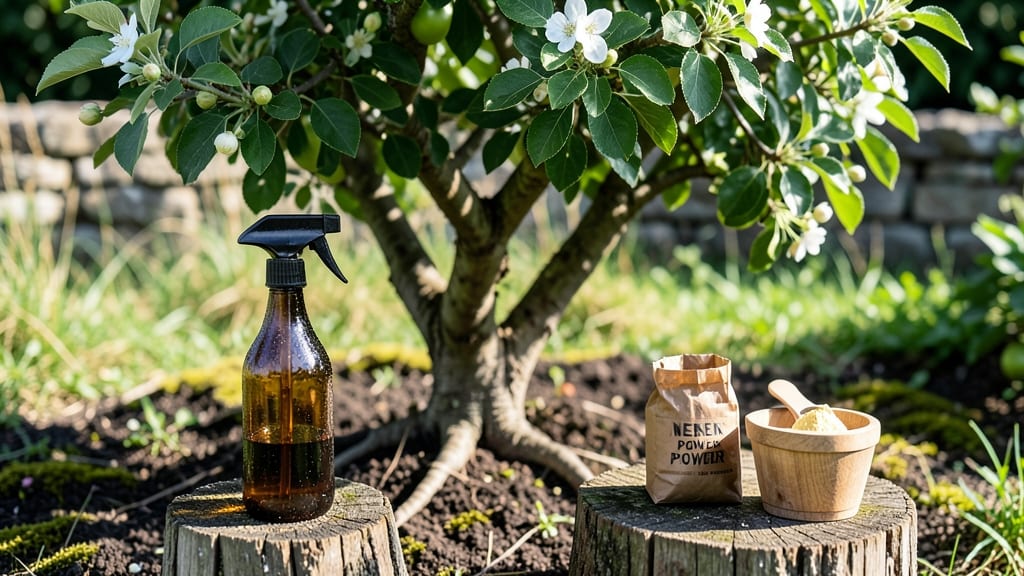
When pests threaten your fruit trees, a homemade fruit tree spray can save your harvest without harsh chemicals. I’ve used these sprays for years to protect my apple and peach trees from aphids, powdery mildew, and mites—without breaking the bank or harming pollinators.
The key is knowing which spray to use for which problem, and when to apply it for maximum effectiveness.
Most recipes require just a few household ingredients like neem oil, baking soda, or horticultural soap, mixed with water. These solutions are cost-effective, easy to make in under 10 minutes, and safe for organic gardens once fully cured.
For example, a simple neem oil spray can deter over 200 types of pests, while a baking soda mixture works wonders against fungal diseases like apple scab.
You’ll see results quickly—within days of application, pests retreat and new growth appears healthier. The sprays also prevent future outbreaks, reducing the need for store-bought pesticides.
Just remember to apply them early in the morning or late afternoon, avoid spraying when rain is forecasted, and always test a small area first.
While homemade sprays work for minor infestations, severe cases may require professional intervention. That said, for most backyard orchards, these natural remedies are a game-changer—both for your trees and your peace of mind.
📚 In This Guide
- What you need
- Instructions
- Tips and common mistakes
- Wrapping up and next steps
What you need
- ● 1 gallon of water (distilled or boiled & cooled for best results)
- ● 1 cup of vegetable oil (organic, cold-pressed preferred—e.g., neem, olive, or canola)
- ● 1 tablespoon of mild liquid soap (unscented, Castile soap works great)
- ○ 1 tablespoon of baking soda (optional but enhances effectiveness)
- ○ 1 tablespoon of neem oil (optional but highly effective for pests)
- ● 1-2 tablespoons of dish soap (only if using a non-organic spray—use sparingly!)
- ● A large mixing container (bucket, jar, or spray bottle—at least 1-quart size)
- ● A whisk or spoon for stirring
- ● A fine-mesh strainer or cheesecloth (to filter out lumps)
- ● A spray bottle or garden sprayer (1-gallon capacity for larger trees)
- ● Protective gear: gloves, long sleeves, and goggles (if spraying near face)
- ● Garlic or chili pepper (blended into the mix for a natural repellent kick)
- ● Citrus peels or essential oils (lemon, orange, or tea tree oil for scent and extra pest deterrence)
- ● A funnel (to avoid spills when transferring liquids)
- ● Label & marker (to track spray dates and ingredients)
Step-by-Step instructions for making organic fruit tree spray
Here’s my go-to method for a fast, effective spray that keeps pests away without harsh chemicals.
Gather Your Materials and Mix the Base Solution
Combine 1 gallon of water with 1 tablespoon of liquid dish soap (unscented) in a large spray bottle or bucket. The soap acts as a natural emulsifier, helping the other ingredients stick to pests. Stir gently to avoid creating too many suds—you want a smooth, even mixture, not a frothy mess.
Add 2 tablespoons of vegetable oil (like canola or olive oil) next. This oil coats the pests’ bodies, suffocating them over time. Shake the container vigorously for 30 seconds to fully blend the oil and soap. The solution should look cloudy but not separated—if it splits, stir or shake again until uniform.
Add Pest-Repelling Ingredients
Pour in 1 tablespoon of neem oil (a powerful organic pesticide) and 1 teaspoon of garlic powder (or 2 crushed garlic cloves for a stronger scent). Neem oil disrupts insects’ life cycles, while garlic acts as a natural deterrent. Stir well to dissolve the garlic powder completely—any undissolved bits can clog your sprayer nozzle.
For extra strength, add 1 tablespoon of cayenne pepper or 1 teaspoon of hot sauce (like Tabasco). These ingredients irritate pests’ exoskeletons and make them avoid treated areas. Shake the container again to ensure everything is fully incorporated before moving to the next step.
Test and Apply the Spray
Before spraying your fruit trees, test the mixture on a small, hidden leaf or branch. Wait 15 minutes to check for any adverse reactions, like browning or wilting. If the leaf looks healthy, your spray is ready. This step is critical—some plants, especially young or sensitive varieties, can react poorly to strong mixtures.
Shake the spray bottle or bucket one last time to mix any settled ingredients. Apply the solution early in the morning or late in the evening when bees and other pollinators are less active. Spray both the tops and undersides of leaves, as many pests hide on the undersides. Aim for thorough coverage—missed spots mean missed protection.
Reapply and Monitor for Results
Reapply the spray every 7–10 days or after heavy rain, as the mixture washes off over time. Keep an eye on your trees for signs of pests—aphids, mites, or caterpillars should start disappearing within 3–5 days of consistent use. If you notice new infestations, the spray may need to be stronger or applied more frequently.
Store any leftover spray in a cool, dark place for up to 1 week. Avoid leaving it in direct sunlight, as it can break down the active ingredients faster. If you notice the mixture separating or developing a foul odor, discard it and make a fresh batch—this ensures the spray remains effective and safe for your trees.
Tips & tricks for perfect homemade fruit tree spray
Between us, the secret to a spray that actually works lies in the details—especially when you're working with natural ingredients. Here's what nobody tells you about making this effective without wasting a drop.
Mixing Technique: When you add the vegetable oil in Step 1, shake that container like you're trying to wake someone up—not just a quick tap. Those 30 seconds of vigorous shaking are what create the cloudy emulsion that sticks to pests. If it separates, don't just stir—shake it again until it looks uniformly cloudy. Think of it like making a smoothie: you need that oil to fully suspend in the water to coat those pests properly.
Garlic Powder Tip: In Step 2, if you're using garlic powder instead of fresh cloves, dissolve it completely before adding anything else. I learned this the hard way after clogging my spray nozzle with undissolved bits. Stir it into the warm water first, then add the rest of the ingredients. This ensures every drop of your spray packs that garlic punch without clogging your equipment.
Testing is Non-Negotiable: That 15-minute test in Step 3 isn't just a suggestion—it's your safety net. Some plants react poorly to even natural sprays. I've seen young apple trees wilt from a spray that worked perfectly on mature trees. Always test on a hidden leaf first, especially if you're dealing with sensitive varieties or young plants.
Storage Wisdom: When you store leftovers for up to 1 week, keep them in a dark glass bottle if possible. Plastic can degrade the neem oil over time, and sunlight breaks down the active ingredients faster. I keep mine in an amber glass spray bottle in my garage—cool and dark, just like the instructions say, and it stays effective for the full week.
Pro Tips for Homemade Fruit Tree Spray
- Between us, the secret to a spray that actually works lies in the details—especially when you're working with natural ingredients.
- Mixing Technique: When you add the vegetable oil in Step 1, shake that container like you're trying to wake someone up—not just a quick tap.
- Garlic Powder Tip: In Step 2, if you're using garlic powder instead of fresh cloves, dissolve it completely before adding anything else.
Frequently asked questions
Got questions about making your own fruit tree spray? You’re not alone! Here are answers to the most common concerns—so you can confidently keep pests at bay without harsh chemicals.
Can I use this spray on all types of fruit trees?
Most organic fruit tree sprays are safe for common varieties like apples, peaches, citrus, and cherries. However, always test a small area first—especially on delicate trees like figs or avocados. Avoid spraying when fruit is ripe or ready for harvest to prevent residue. Pro tip: Research your tree’s specific needs, as some (like stone fruits) may need extra copper-based sprays for fungal issues.
How often should I apply homemade fruit tree spray?
For preventive care, spray every 7–14 days during peak pest seasons (spring through early fall). If you spot active infestations (like aphids or mites), apply weekly until pests disappear. Early morning or late evening applications work best—avoid midday heat to protect beneficial insects. Remember: Consistency is key, but don’t overdo it; organic sprays can harm trees if overused.
What are some natural alternatives if I don’t have these ingredients?
No neem oil? Try a garlic-chili spray (blend 5 garlic cloves + 1 tbsp cayenne pepper in water) or a soapy water mix (1 tsp mild soap per quart of water) for soft-bodied pests. Out of dish soap? Use castile soap or even potato leaf spray (boil potato peels in water, strain, and cool). Always patch-test first!
Why isn’t my homemade spray working? Troubleshooting tips.
If pests persist, check these fixes:
- Coverage: Spray both sides of leaves and stems—pests hide everywhere!
- Timing: Reapply after rain or heavy dew (water washes it off).
- Strength: For tough infestations, double the neem oil or add 1 tsp baking soda (for fungal issues).
- Patience: Some pests take 2–3 weeks to fully clear.
Is homemade spray safe to use right before harvesting fruit?
Most organic sprays are low-toxicity and safe when used correctly, but follow these guidelines:
- Avoid spraying within 7–14 days of harvest (check your recipe’s ingredients—neem oil needs longer).
- Rinse fruit thoroughly with water if you must harvest early.
- Prioritize preventive sprays in early season to minimize late-season applications.
Wrapping up and next steps
Creating your own homemade fruit tree spray is a game-changer for organic gardening—it’s easy, budget-friendly, and chemical-free! 🌿 With just a few simple ingredients, you can protect your trees from pests while nurturing healthier harvests.
Whether you're a seasoned gardener or just starting out, this DIY approach empowers you to take control of your orchard’s well-being naturally.
Ready to give it a try? Start small—test your spray on one tree first, observe the results, and adjust as needed. Happy spraying, and here’s to a thriving, pest-free fruit tree! 🍏🌱