
Pruning
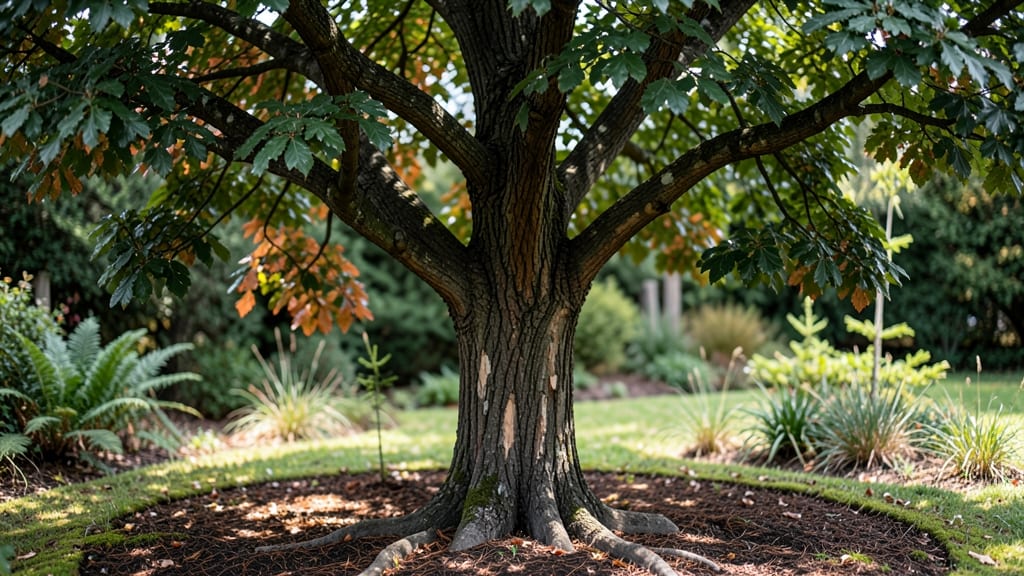
Pruning a giant cherry tree isn't just about trimming branches—it's about sculpting a living masterpiece that stands for decades. 🌳 I've spent years watching these trees transform from awkward saplings into graceful giants, and the secret lies in understanding when and how to guide their growth.
The right cuts at the right time mean fewer weak limbs, better fruit production, and a tree that outlasts your grandchildren.
Most people wait until spring to prune, but cherry trees need year-round attention for that perfect shape. Start with late winter cleanup to remove dead wood, then follow up with summer thinning to open the canopy for sunlight.
The key is working with the tree's natural structure—never hack away more than 25% of the foliage in one season, or you'll shock the tree into decline. I learned that the hard way after my first aggressive pruning session left my tree looking like a sad, lopsided shadow of itself.
What you'll end up with is a tree that towers with confidence, its branches balanced and its fruit-bearing limbs well-lit for maximum harvests. The bark will smooth out into that classic cherry tree elegance, and the canopy will spread just enough to provide shade without blocking your whole yard.
Plus, you'll avoid the heartbreak of seeing limbs snap under winter ice or fruit weight—because a properly pruned tree handles stress like a champ.
This works for both sweet and sour cherry varieties, whether you're dealing with a young sapling or a mature tree that just needs a refresh. The same principles apply whether you're in a mild climate or a place with harsh winters.
Let's get those pruners out and turn your cherry tree into the centerpiece of your landscape.
📚 In This Guide
- What you need
- Instructions
- Tips and common mistakes
- Wrapping up and next steps
What you need
- ● Pruning saw – Choose a bow saw (for thick branches, 20-24" blade) or a felco pruning saw (for precision cuts).
- ● Loppers – Bypass loppers (20-24" handles) for branches up to 2" thick.
- ● Pruning shears – Bypass shears for small branches (under ½").
- ○ Extension pole saw (optional) – For high branches (10-15 ft reach).
- ● Gloves – Heavy-duty, cut-resistant gloves (gardening or pruning-specific).
- ● Safety glasses – Protect your eyes from debris.
- ● Ladder – Sturdy, extendable ladder (20-30 ft, rated for your weight + tools). Safety tip: Always use stabilizer bars or a helper!
- ○ Pruning sealant (optional) – Tree wound paint (like Tanglefoot Tree Wound Pruning Seal) for large cuts.
- ● Disinfectant – 70% isopropyl alcohol or bleach solution (1 part bleach to 9 parts water) to sterilize tools between cuts.
- ○ Rope or harness (optional) – For large branches (3"+ thick) to lower safely.
- ● Marking twine or flags – To tag branches for removal.
- ● Winter: No additional tools—just focus on dormant-season cuts.
- ● Spring/Summer: Bloom time notes – Avoid pruning during flowering (cherry trees bloom in early spring).
- ● Water source – Keep a hose nearby for post-pruning hydration.
- ○ Fruit-bearing trees: Harvest bags (optional) to collect fallen fruit post-pruning.
- ● Weather check: Prune on a dry, calm day (avoid wind/rain).
- ● Tree health: Inspect for disease or pests (like cherry leaf spot or borers) before pruning.
- ● Local regulations: Verify if your area requires a permit for large tree work (branches 6"+ thick).
- ● First aid kit – Just in case (bandages, antiseptic wipes).
Step-by-step guide to pruning your giant cherry tree
Transform that sprawling cherry tree into a showstopper with these proven pruning techniques.
✂️ Step 1: Assess and Plan Your Pruning Strategy
Start by examining your tree in late winter or early spring, when it's dormant. Look for dead, diseased, or crossing branches—these are your top priorities. I always use a pair of sharp bypass pruners (not dull shears) to make clean cuts that heal faster. Mark branches to remove with paint markers or twine so you don’t miss any during the process.
For giant cherry trees, focus on structural integrity first. Remove any branches growing inward or rubbing against others—these create wounds that invite pests. You’ll also spot water sprouts (fast-growing vertical shoots) that should be cut at their base. These steps keep your tree healthy and prevent future problems.
🌿 Step 2: Prune for Shape and Airflow
Once you’ve removed the problem branches, move to shaping. Giant cherry trees benefit from an open-center canopy, which allows sunlight and air to reach the center. Start at the outer edges and work inward, cutting back branches that are growing too close together. Aim to leave 6-8 inches of space between branches to improve airflow and reduce disease risk.
Here’s the thing—never remove more than 25% of the tree’s canopy in one season. Cherry trees are sensitive to heavy pruning, and overdoing it can stress the tree or even kill it. If your tree looks too dense, spread the pruning over 2-3 years instead of tackling everything at once.
☀️ Step 3: Thin Out for Light Penetration
Cherry trees produce their best fruit when sunlight reaches the inner branches. Thin out one-third of the smaller branches in the tree’s center to let light in. Look for branches that are growing straight up—these often block sunlight from reaching lower branches. Cut these back to a bud or lateral branch that’s growing outward.
You’ll notice the tree’s structure becomes more balanced as you work. The goal is to create a natural, vase-like shape that’s strong and visually appealing. Avoid "lion-tailing," where you cut back branches to stubs—this encourages weak, crowded growth. Always cut back to a healthy bud or branch collar for the cleanest results.
⏰ Step 4: Clean Up and Monitor Growth
After pruning, collect all the debris and dispose of it properly—never leave cuttings on the ground, as they can harbor diseases. Sterilize your tools with rubbing alcohol between cuts to prevent spreading pathogens. Water the base of the tree deeply to help it recover, especially if you’ve done significant pruning.
Watch your tree over the next few weeks. You’ll see new growth emerge from the buds you left behind—this is a good sign! If you notice any oozing sap or unusual dieback, it could mean you pruned too aggressively. In that case, wait until next season to do more shaping. Cherry trees are resilient, but patience is key.
Tips & tricks for perfect giant cherry tree pruning
Common pruning mistakes can turn your cherry tree into a tangled mess—here's how to avoid them.
Timing is Everything: Late winter or early spring is the absolute best time to prune your giant cherry tree when it's dormant. This timing prevents stressing the tree and gives it time to heal before summer's heat. I've seen too many trees suffer from summer pruning—new growth struggles to harden off properly, making them vulnerable to pests and disease.
Tool Selection Matters: Never use dull shears or hedge trimmers for your cherry tree. Sharp bypass pruners create clean cuts that heal faster and reduce the risk of disease. For thicker branches (over 2 inches), use a pruning saw with a fine-tooth blade. I always sterilize my tools with rubbing alcohol between cuts to prevent spreading pathogens from one branch to another.
Visual Cues for Proper Cuts: When cutting back branches in Step 3, look for the branch collar—the swollen area where the branch meets the trunk. This is your target cutting point—never leave a stub. For upward-growing branches blocking sunlight, cut back to an outward-facing bud. You'll know you're doing it right when you see fresh green tissue just beyond your cut line.
Seasonal Pruning Strategy: While the main pruning happens in late winter, light maintenance pruning can be done throughout the year. Remove dead or diseased branches anytime you spot them, and trim water sprouts in early summer. Just avoid heavy pruning during the growing season—your tree will thank you with better fruit production next year.
Pro Tips for Giant Cherry Tree
- Common pruning mistakes can turn your cherry tree into a tangled mess—here's how to avoid them.
- Timing is Everything: Late winter or early spring is the absolute best time to prune your giant cherry tree when it's dormant.
- Tool Selection Matters: Never use dull shears or hedge trimmers for your cherry tree.
Frequently asked questions
Got questions about pruning a giant cherry tree? You’re not alone—these towering beauties need special care! Here are answers to the most common queries to help you keep your tree thriving.
When is the best time to prune a giant cherry tree?
For most cherry trees, late winter or early spring (just before buds swell) is ideal—this prevents disease spread and encourages strong growth. Avoid pruning in fall, as it can invite pests. Sweet cherries should be pruned after harvest, while sour cherries can handle light pruning in summer to shape growth. Pro tip: If you must prune in summer, do it early to minimize stress!
How much can I trim off a mature giant cherry tree?
Never remove more than 25% of the tree’s foliage in one session—this ensures it doesn’t go into shock. For young trees, light pruning (5–10%) is enough to establish structure. Focus on dead, diseased, or crossing branches first, then thin out excess growth to improve airflow. Rule of thumb: If you’re unsure, err on the side of caution!
Will pruning affect my cherry harvest next year?
Pruning correctly boosts fruit production by 20–30% over time! Heavy pruning in one year may reduce yield temporarily, but proper annual maintenance (thinning branches, removing suckers) keeps the tree productive. Key: Prune to open the canopy—this lets sunlight reach fruit-bearing branches for sweeter, larger cherries.
What if my giant cherry tree has no leaves after pruning?
Don’t panic! If the tree loses all leaves after pruning, it’s likely due to over-pruning, drought, or disease. Check for brown, brittle branches (a sign of stress) and water deeply. If the tree is still alive (bark is green under the outer layer), it’ll regrow. For severe cases, fertilize with nitrogen and avoid pruning for a year.
Are dwarf cherry trees easier to prune than giant varieties?
Yes! Dwarf varieties (like ‘Stella’ or ‘Balaton’) are low-maintenance and prune the same way but on a smaller scale. Their compact size makes them perfect for containers or small yards. Bonus: They fruit earlier and require less aggressive pruning than giants. If space is limited, consider grafting a dwarf cultivar onto a giant rootstock!
What should I do if my cherry tree starts bleeding sap after pruning?
Sap bleeding (especially in spring) is normal but can attract pests. To minimize it, prune on dry days and avoid cutting into large branches. Seal cuts only if the tree is diseased—use pruning sealant sparingly. Quick fix: Clean tools with rubbing alcohol between cuts to prevent bacterial spread.
Wrapping up and next steps
A giant cherry tree isn’t just a stunning centerpiece—it’s a lifelong investment in beauty and health. By mastering the art of year-round pruning, you’ll ensure its towering growth, vibrant blooms, and structural strength for decades to come.
Whether you’re trimming in winter’s dormancy or shaping in summer’s lushness, consistency and care are your best tools.
Ready to elevate your green thumb game? Start small—pick one season to refine your skills, then expand your techniques over time. Grab your tools, step outside, and let your cherry tree thrive under your expert touch! 🌳✨