
Pruning
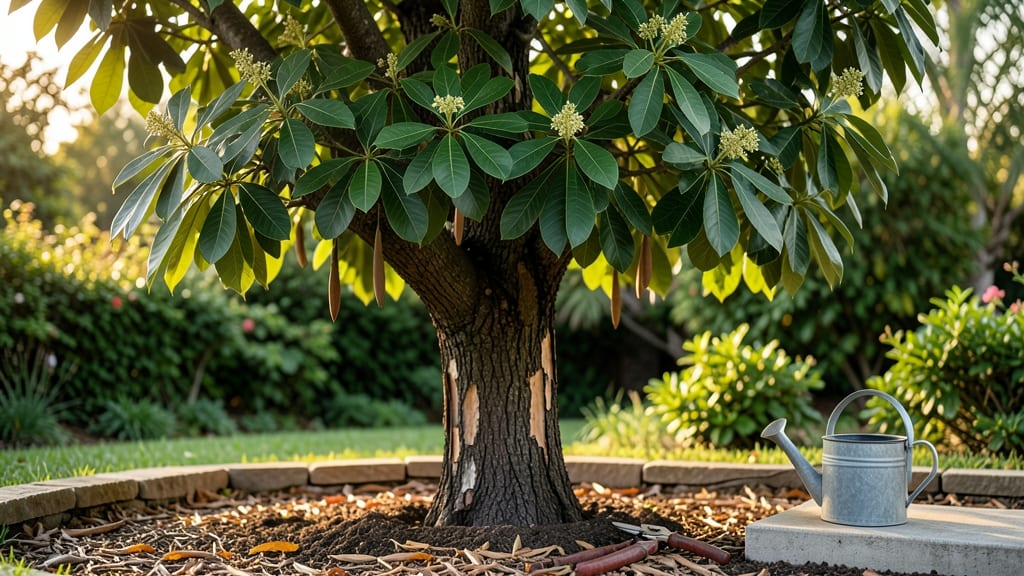
Pruning your Florida mahogany tree isn’t just about shaping—it’s about breathing life into its branches. 🌿 This tree thrives in Florida’s heat and humidity, but even resilient species need strategic cuts to stay strong.
I’ve learned the hard way that skipping pruning leads to dense, weak growth and fewer of those stunning spring blooms.
The key is timing and technique. Prune lightly after flowering in late spring to encourage new growth, then do a thorough check in late winter to remove dead or crossing branches. Most gardeners overlook the slow, steady approach—this tree rewards patience with a sturdy frame and glossy leaves year-round.
You’ll end up with a tree that’s both beautiful and resilient, its canopy open enough for sunlight to reach the ground below. The right cuts prevent disease and pests, too—no more struggling with fungal spots or weak branches.
Think of pruning as a conversation with your tree, guiding its future shape.
Works for both young saplings and mature specimens, whether you’re shaping a small yard tree or maintaining a large landscape feature. Let’s get those shears sharp and start trimming!
📚 In This Guide
- What you need
- Instructions
- Tips and common mistakes
- Wrapping up and next steps
What you need
- ● Pruning Shears: Bypass pruners (for cuts 1 pair (look for sharp, stainless-steel blades).
- ● Loppers: Heavy-duty bypass loppers (for cuts 1–3 inches thick) – 1 pair (with a 10–12 inch handle for leverage).
- ● Pruning Saw: Curved-tooth pruning saw (for branches >3 inches thick) – 1 (with a 12–16 inch blade).
- ● Ladder: Extendable aluminum ladder (24–32 feet tall) – 1 (ensure it’s rated for your tree’s height + 3 feet extra).
- ● Safety Gear: Gloves (cut-resistant, 12–14 inches long) – 1 pair.
- ● Safety glasses (ANSI Z87.1 rated) – 1 pair.
- ○ Hard hat (optional but recommended for tall trees) – 1.
- ● Ear protection (if using a chainsaw for large branches) – 1 pair.
- ● Disinfectant: 70% isopropyl alcohol or pruning sealant (to prevent disease spread) – small bottle.
- ● Heavy-Duty Bags: Contractor bags (for debris) – 2–3 (25–30 gallon size).
- ● Pole Pruner: Extendable pruner (for high branches) – 1 (10–12 foot reach).
- ● Chainsaw: Gas-powered chainsaw (for branches >4 inches thick) – 1 (with a 14–16 inch bar).
- ● Tree Wrap: Tangle-free stretch wrap (to protect cuts from sun/splitting) – 1 roll.
- ● Work Gloves (Larger): Heavy-duty leather gloves (for chainsaw work) – 1 pair.
- ● First-Aid Kit: Basic kit with antiseptic wipes and bandages – 1.
- ● Weather Check: Clear skies and temperatures between 50–85°F (avoid pruning during rain or extreme heat).
Step-by-Step guide for pruning Florida mahogany trees
Here's how I keep these majestic trees thriving with minimal stress and maximum beauty.
✂️ Step 1: Time Your Pruning for Optimal Growth
Prune Florida mahogany trees during their dormant season, which runs from late fall to early spring (November through February). This timing ensures you won't interfere with their natural growth cycles. Avoid pruning during extreme heat or drought—stressed trees heal poorly and may develop disease.
If you must prune outside this window, do so on overcast days or in the early morning to minimize sun stress. You'll notice new growth beginning in late winter—wait until you see fresh buds forming before making any cuts. This is your signal that the tree is ready to handle pruning without shock.
✂️ Step 2: Assess the Tree for Dead or Damaged Branches
Start by examining the tree from all sides, looking for dead, diseased, or crossing branches. Dead branches will be dry, brittle, and often gray or brown. Diseased branches may have discolored bark, oozing sap, or fungal growth. Crossed branches rub against each other, creating wounds that invite pests and disease.
Use your hands to gently test branch flexibility—healthy branches bend slightly without snapping. Mark branches for removal with a piece of twine or a spray paint dot. Real talk: Don't rush this step. A thorough inspection prevents future problems and keeps your tree looking its best for decades.
✂️ Step 3: Use Proper Tools and Techniques for Clean Cuts
Grab your sharp pruning shears for smaller branches (under 1 inch in diameter) and a pruning saw for thicker branches. Always make cuts at a 45-degree angle, just outside the branch collar—the swollen area where the branch meets the trunk. This ensures proper healing and prevents water from pooling in the wound.
Cut cleanly in one motion—no sawing back and forth. Ragged edges slow healing and invite decay. For larger branches, make a second cut slightly deeper to avoid tearing the bark. Step back and admire your work: a well-pruned tree has smooth, clean cuts that blend naturally with its structure.
☀️ Step 4: Thin the Canopy for Better Airflow and Light
Florida mahogany trees thrive with open, airy canopies. Remove up to 25% of the tree's foliage to improve airflow and sunlight penetration. Focus on branches growing inward or downward—they compete with stronger, outward-growing branches and weaken the tree's structure.
You'll see the difference immediately: sunlight reaches the lower branches, and the tree's shape becomes more balanced. Avoid "lion tailing," or cutting back to a stub—always prune to a lateral branch or the branch collar. This encourages new growth in the right places and keeps the tree healthy long-term.
⏰ Step 5: Clean Up and Monitor for Recovery
After pruning, rake up and dispose of all debris—this prevents disease and pests from taking hold. Sterilize your tools with a 10% bleach solution (1 part bleach to 9 parts water) to avoid spreading pathogens between cuts. Water the base of the tree deeply to help it recover, especially if you've removed a significant amount of foliage.
Watch the tree over the next few weeks. Healthy new growth should appear within 4-6 weeks, and the wounds should begin to seal over. If you notice excessive sap oozing or discoloration, the cuts may have been too large—adjust your technique for next time. With proper care, your Florida mahogany will reward you with lush, vibrant growth for years to come.
Tips & tricks for pruning Florida mahogany trees
Between us, these tips will help you avoid the common mistakes that turn pruning from a helpful chore into a stressful experience.
Seasonal Timing is Everything: I can't stress this enough—the dormant season window of November through February is your best bet. If you prune during active growth, you'll stress the tree and invite disease. That said, if you absolutely must prune outside this window, do it on overcast days or early morning to reduce sun stress. Look for fresh buds forming in late winter as your signal that the tree is ready.
Inspection is Non-Negotiable: Don't skip the thorough examination in Step 2. I've seen people miss dead branches that were hidden behind healthy foliage, only to have pests move in later. Test each branch's flexibility with your hands—healthy branches should bend slightly without snapping. Use spray paint dots to mark branches for removal, especially if you're working alone. You'll thank yourself later when you don't have to redo the work.
Cutting Technique Makes All the Difference: That 45-degree angle in Step 3 isn't just for show—it's crucial for proper healing. Make your first cut just outside the branch collar, then follow with a second cut if needed for larger branches. I've seen people tear bark with awkward cuts, which creates wounds that take forever to heal. Take your time and make clean cuts in one motion. Your tree's health depends on it.
Canopy Thinning Strategy: When you're removing up to 25% of foliage in Step 4, focus on those inward-growing branches first. They're the ones competing with stronger branches and weakening the tree's structure. Think of it like giving your tree a spa day—more sunlight and airflow mean better overall health. And remember, never cut back to a stub—always prune to a lateral branch or the branch collar to encourage new growth in the right places.
Pro Tips for Florida Mahogany Tree
- Between us, these tips will help you avoid the common mistakes that turn pruning from a helpful chore into a stressful experience.
- Seasonal Timing is Everything: I can't stress this enough—the dormant season window of November through February is your best bet.
- Inspection is Non-Negotiable: Don't skip the thorough examination in Step 2.
Frequently asked questions
Got questions about pruning your Florida mahogany tree? You’re not alone—this iconic tree has unique needs! Below, we’ve answered the most common questions to help you keep your mahogany thriving year-round.
When is the best time to prune a Florida mahogany tree?
The ideal time to prune is late winter to early spring (February–March), just before new growth begins. This minimizes stress and reduces disease risks. Light pruning can be done in summer to shape the tree, but avoid heavy cuts during extreme heat or drought. Always prune after rain to reduce dust and stress.
Can I prune a Florida mahogany tree at any time of year?
While emergency pruning (e.g., removing dead or diseased branches) is safe year-round, avoid heavy pruning in fall or winter. Cold snaps or dry conditions can weaken the tree. If you must prune outside the ideal window, do so on a mild, humid day and water thoroughly afterward to aid recovery.
How much can I trim back a Florida mahogany tree without harming it?
Never remove more than 25% of the canopy in a single year. Florida mahoganies are sensitive to over-pruning—aggressive cuts can lead to dieback or weakened growth. Focus on selective thinning to improve airflow and light penetration, targeting dead, crossing, or diseased branches first.
Should I prune after a storm or hurricane?
Yes, but wait 2–4 weeks after the storm to assess damage. Remove broken, split, or hanging branches first, then focus on branches weakened by wind. Sterilize tools with 70% rubbing alcohol to prevent disease spread. Avoid heavy pruning immediately post-storm—let the tree recover gradually.
What if my Florida mahogany tree isn’t growing after pruning?
Slow growth could signal over-pruning, root damage, or environmental stress. Check for yellowing leaves, wilting, or pests (like scale insects). If the issue persists, test soil moisture and pH—mahoganies thrive in well-draining, slightly acidic soil (pH 5.5–6.5). Fertilize lightly with balanced 6-6-6 in spring if needed.
Are there alternatives to traditional pruning for Florida mahogany?
For large or mature trees, consider crown thinning (removing small branches inside the canopy) or pollarding (cutting back to a stub to encourage new growth). However, mahoganies respond poorly to drastic changes—stick to selective pruning and consult an ISA-certified arborist for complex cases.
Wrapping up and next steps
The Florida mahogany tree thrives when you embrace a year-round pruning routine, balancing growth, health, and beauty. By mastering the right techniques—like removing dead branches, thinning for airflow, and shaping with precision—you’ll ensure its longevity and stunning presence in your landscape. 🌳✨
Now that you’re armed with knowledge, roll up your sleeves and get pruning! Start with a small section, observe how your tree responds, and gradually expand your efforts. Happy trimming—your mahogany’s future depends on it! 🌿💚