
Trees
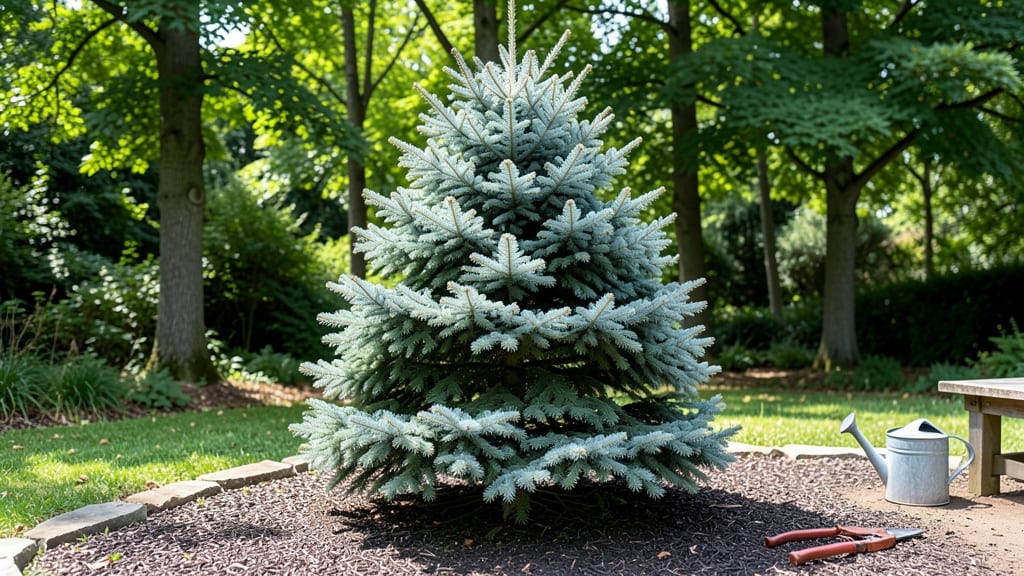
Fir evergreen trees bring that fresh, forest-floor scent to your landscape year-round—no matter what zone you're in. 🌲 I planted my first Douglas fir as a sapling, and within three years, it became the centerpiece of my backyard, providing shade, wildlife habitat, and that signature evergreen aroma that makes winter feel cozy.
The best part? These trees thrive with minimal fuss, making them perfect for busy gardeners who still want that lush, green statement.
You’ll need well-draining soil, at least 6 hours of sunlight daily, and space to grow—fir trees can reach 40 to 70 feet tall, depending on the variety. Watering is simple: deep soaks once a week for the first year, then letting nature take over once established.
They handle pruning like champions too, so you can shape them without stress. The key is patience—fir trees grow slowly but steadily, rewarding you with that classic evergreen silhouette for decades.
By spring, you’ll see fresh, vibrant needles that stay green all winter, and by summer, your tree will be a magnet for birds and butterflies. The real magic happens in winter, when other plants fade but your fir stands tall, its branches dusted with snow.
With just a little care, you’ll have a tree that becomes the heart of your outdoor space—no green thumb required.
Works for both sunny yards and container gardens (in smaller varieties), and adapts to most climates. Whether you’re planting a sapling or a small tree, this guide will help you grow a fir that’s healthy, happy, and ready to be the star of your landscape for years to come.
📚 In This Guide
- What you need
- Instructions
- Tips and common mistakes
- Wrapping up and next steps
What you need
- ● Fir tree seedlings or saplings: Choose between Douglas fir (Pseudotsuga menziesii), Noble fir (Abies procera), or Fraser fir (Abies fraseri). Buy from a reputable nursery—1-3 plants for small yards, 3-5+ for hedges or windbreaks.
- ● Well-draining soil: Fir trees thrive in acidic soil (pH 5.0–6.5). Mix 1 part peat moss or pine bark with 2 parts garden soil if your soil isn’t naturally acidic.
- ● Organic mulch: 3–4 inches of pine needles, wood chips, or shredded bark to retain moisture and mimic their natural forest floor.
- ● Slow-release fertilizer: A balanced, acidic fertilizer (e.g., 10-10-10 or 16-4-8) with micronutrients like iron and manganese—apply once in early spring.
- ● Watering can or hose with a gentle spray nozzle: Fir trees need 1–1.5 inches of water per week, especially in their first year.
- ● Garden trowel or shovel for digging planting holes.
- ● Pruning shears or loppers (sterilized with rubbing alcohol) for minimal shaping—fir trees hate heavy pruning!
- ● Measuring tape to ensure proper spacing (6–10 feet apart for mature trees, 3–5 feet for hedges).
- ● Garden gloves to protect your hands from rough bark and acidic soil.
- ○ Optional but helpful: A soil pH test kit to check acidity before planting.
- ● Epsom salt (magnesium sulfate) for yellowing needles (a sign of magnesium deficiency).
- ● Tree stakes and soft ties if planting in windy areas (fir trees are not typically wind-resistant as saplings).
- ● Sunlight: Partial shade to full sun (mornings sun, afternoon shade in hot climates). Avoid scorching afternoon rays.
- ● Climate: Fir trees love cool to temperate zones (USDA Hardiness Zones 4–7). Some varieties (like Fraser fir) tolerate Zone 3.
- ● Spacing: Plan for mature tree size—Douglas firs can reach 60–100 feet tall!
- ● Patience: Fir trees grow slowly (6–24 inches per year)—enjoy the journey!
Step-by-Step guide to planting and caring for fir evergreen trees
Here's how to establish healthy, lush fir trees that stay vibrant all year.
🌱 Step 1: Choose the Right Location and Prepare the Soil
Fir trees thrive in well-draining soil with a slightly acidic pH between 5.0 and 6.5. Test your soil first—amend with 2-3 inches of organic mulch if it's too alkaline or compacted. I dig a hole twice as wide as the root ball but only as deep as the container's base to avoid burying the trunk too deeply.
Pick a spot with partial shade to full sun—young trees need protection from harsh afternoon rays, while mature firs handle more sunlight. The reason we avoid full shade is that firs grow slowly and need consistent light to develop their signature dense foliage. Real talk: If your yard is shady, opt for a Douglas fir—it tolerates lower light better than other varieties.
🪴 Step 2: Plant with Careful Root Handling
Remove the fir tree from its container and gently loosen the roots at the edges with your fingers—this encourages them to spread into the surrounding soil. Place the root ball in the hole so the top of the root ball sits 1-2 inches above ground level. Fir trees hate having their trunks buried too deep, which can cause rot.
Backfill with native soil mixed with 1 part compost to improve drainage and fertility. Water deeply right after planting to settle the soil around the roots. I tap the base of the tree gently to eliminate air pockets, then add 2-3 inches of wood chips around the base, keeping it 3-4 inches away from the trunk to prevent rot.
☀️ Step 3: Water Consistently During the First Year
Water your fir tree deeply once a week during the first year, providing 1-2 gallons per watering depending on the tree's size. The goal is to keep the soil evenly moist but not soggy—fir roots need oxygen, and waterlogged soil suffocates them. You'll know it's right when the top 2 inches of soil feel damp but not wet to the touch.
After the first year, firs become more drought-tolerant, but they still appreciate deep waterings every 2-3 weeks during dry spells. Here's the thing—fir trees show stress by dropping needles, so if you notice excessive needle loss, it's a sign of either underwatering or overwatering. Adjust accordingly.
✂️ Step 4: Prune Only When Necessary
Fir trees rarely need pruning, but if you spot dead branches or overgrowth, use clean, sharp pruners to make cuts just above a healthy bud or branch collar. The best time to prune is late winter or early spring before new growth begins. Avoid heavy pruning—fir trees respond poorly to aggressive cuts and may develop unsightly gaps in their foliage.
If your fir has grown too tall for its space, you can top it lightly by cutting the main stem just above a side branch. This encourages bushier growth, but don't remove more than 1/3 of the tree's height at once. I always sterilize my pruners with rubbing alcohol between cuts to prevent disease spread—fir trees are susceptible to fungal infections if tools aren't clean.
Tips & tricks for perfect fir evergreen trees
Here's what nobody tells you about growing thriving fir trees that stay lush year-round.
Soil Prep Secret: Before amending your soil, do a quick pH test—if it's above 6.5, mix in sulfur or peat moss to lower the pH gradually. I've found that fir trees planted in soil with a pH of 5.5-6.0 show the fastest growth and darkest green needles. The 2-3 inches of organic mulch mentioned in Step 1 should be spread evenly over the planting area, not just around the base, to improve overall soil structure.
Root Handling Technique: When loosening the roots in Step 2, focus on the outer edges where roots are most compacted. Use your fingers to gently separate them—this prevents root circling, which can strangle the tree as it grows. I also recommend soaking the root ball for 10-15 minutes before planting if the soil feels particularly dry. This helps hydrate the roots immediately after transplanting.
Watering Wisdom: The 1-2 gallons per week in Step 3 is a great starting point, but adjust based on your climate. In hot summers, you might need to water every 4-5 days instead. A good trick is to use a moisture meter—aim for 30-40% moisture at the 2-inch depth mentioned in the instructions. Overwatering is just as harmful as underwatering for fir trees.
Pruning Precision: When pruning in Step 4, make your cuts at a 45-degree angle just above a healthy bud or branch collar. This encourages faster healing and prevents water from pooling on the cut, which can lead to rot. I carry a small bottle of rubbing alcohol in my gardening toolkit to sterilize pruners between cuts—this simple step prevents fungal infections that can devastate fir trees.
Pro Tips for Fir Evergreen Trees
- Here's what nobody tells you about growing thriving fir trees that stay lush year-round.
- Soil Prep Secret: Before amending your soil, do a quick pH test—if it's above 6.5, mix in sulfur or peat moss to lower the pH gradually.
- Root Handling Technique: When loosening the roots in Step 2, focus on the outer edges where roots are most compacted.
Frequently asked questions
Got questions about growing fir evergreen trees?
Here are answers to some of the most common ones to help you get started with confidence!
What’s the best time of year to plant fir evergreen trees?
Plant fir evergreens in early spring or fall when the soil is moist but not frozen. Avoid extreme heat or drought, as young roots are delicate. Spring planting gives them time to establish before winter, while fall offers cooler temps and steady rainfall.
How often should I water fir evergreen trees?
Water deeply once a week for the first year, ensuring the soil stays moist but not soggy. Mature firs need less frequent watering—about every 2-3 weeks during dry spells. Mulch around the base to retain moisture and protect roots.
Do fir evergreens need pruning, and if so, when?
Fir evergreens require minimal pruning—focus on removing dead or overgrown branches in late winter or early spring. Avoid heavy pruning, as firs grow slowly. Use clean, sharp tools to prevent disease and maintain their natural shape.
What pests or diseases should I watch for in fir trees?
Common issues include aphids, spider mites, and bark beetles. Look for yellowing needles, sawdust-like frass, or holes in the bark. Treat early with insecticidal soap or neem oil. Root rot can occur in poorly draining soil—ensure proper drainage to prevent it.
Can fir evergreens grow in containers, or do they need to be planted in the ground?
While firs thrive in the ground, dwarf varieties (like Fir ‘Little Gem’) can grow in large containers for 2-3 years. Use well-draining soil and a pot at least 12-18 inches deep. Move containers to partial shade in summer to prevent stress.
Wrapping up and next steps
Growing fir evergreen trees is a rewarding journey that brings year-round beauty with minimal effort—perfect for both novice and experienced gardeners! 🌲 Whether you’re enhancing your landscape, creating a cozy privacy screen, or simply enjoying their fresh scent, these resilient trees thrive with just the right care. Start small: pick a healthy sapling, prep your soil, and give it space to grow—soon, you’ll have a stunning, low-maintenance centerpiece for your outdoor space.
Ready to get started? Pick your favorite fir variety, gather your supplies, and plant with confidence! Your future evergreen oasis awaits—happy gardening! 🌱