
Pruning
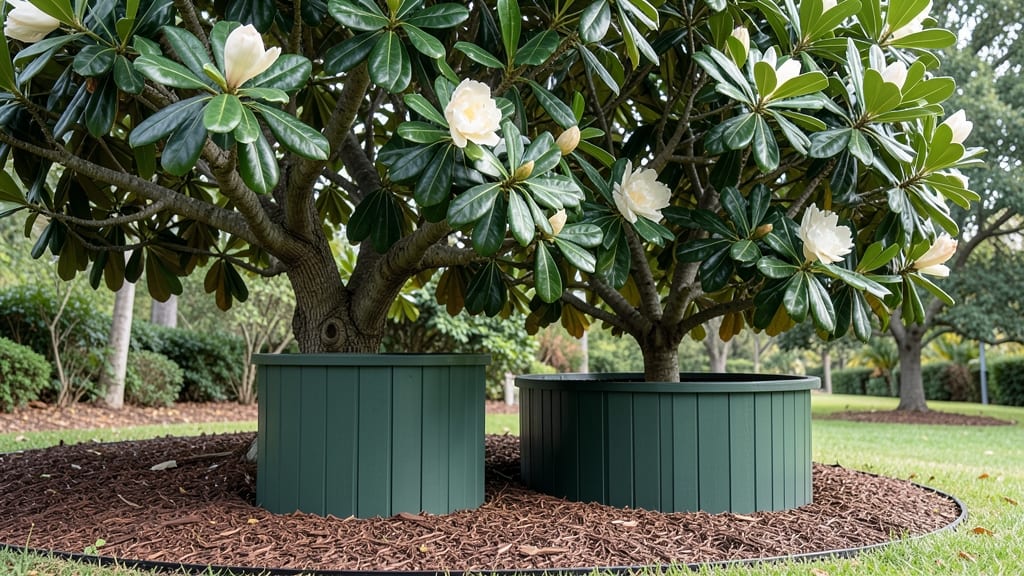
Transforming your mature trees into stunning focal points starts with the right extra large tree planters for outside. 🌳 These aren’t just containers—they’re bold design statements that elevate your garden’s curb appeal while protecting tree roots.
I’ve used them to turn an otherwise plain yard corner into a showstopper, and the difference in both aesthetics and tree health is night and day.
The key is matching the planter’s size to your tree’s needs—think 24-inch diameter minimum for established trees—and choosing materials that balance durability with style. Ceramic adds elegance but needs winter protection, while heavy-duty plastic offers mobility and weather resistance.
Drainage holes are non-negotiable, but adding a saucer underneath prevents soil erosion and keeps your patio clean.
What you’ll get is a tree that thrives and turns heads, with foliage spilling over planter edges in a way that feels intentional, not accidental. The right planter makes pruning easier (less soil spillage!) and even extends your growing season by insulating roots in cooler months.
Plus, you can mix textures—think rustic wood with sleek metal accents—for a look that’s uniquely yours.
Whether you’re working with a 10-foot oak or a dramatic Japanese maple, these planters adapt to your vision. The trick is starting with the tree’s mature size, not its current one—because great gardens are built for the future, not just today. Let’s get yours growing in style.
📚 In This Guide
- What you need
- Instructions
- Tips and common mistakes
- Wrapping up and next steps
What you need
- ● Extra-Large Tree Planter: Minimum 36-inch diameter (or larger, depending on tree size).
- ● Depth: At least 24 inches deep (deeper for root systems).
- ● Material options: Fiberglass, resin, or heavy-duty plastic (avoid lightweight options that may tip over).
- ● Soil & Amendments: 6–10 cubic feet of high-quality potting mix (avoid garden soil—it compacts).
- ● Organic compost or slow-release fertilizer (e.g., 5–10 lbs for large planters).
- ● Perlite or sand (1–2 gallons) for drainage.
- ● Tree & Supplies: Mature tree (ensure it fits the planter’s dimensions!).
- ● Tree support stake (if needed for stability).
- ● Mulch (3–4 inches) (e.g., bark chips or pine straw).
- ● Essential: Heavy-duty gloves 🧤
- ● Shovel or spade (for digging)
- ● Wheelbarrow (for moving soil)
- ● Level (to ensure planter is even)
- ● Measuring tape
- ○ Optional (but helpful): Drill (for pre-drilling stake holes)
- ● Landscape fabric (to line the planter and prevent soil loss)
- ● Watering can or hose with nozzle
- ● Knee pads (for comfort during planting)
- ● Choose a sunny or partially shaded spot (matching your tree’s needs).
- ● Ensure the location has drainage (elevate the planter if needed).
- ● Check local regulations—some areas restrict large planters or tree types.
- ● Gather help! Extra-large planters and trees require at least 2–3 people for safe handling.
How to style extra large tree planters for maximum impact
Here's how to transform your mature trees into stunning focal points with bold, functional planters.
🪴 Step 1: Measure and Select the Right Planter Size
Measure your tree's root flare—the widest part of the trunk where roots spread. Your planter should be at least 12-18 inches wider than this measurement to accommodate root growth without crowding. For mature trees, aim for planters with a minimum 30-gallon capacity—this ensures proper soil volume for stability and drainage.
I always check the manufacturer's weight limits too. A 50-gallon planter can hold a small-to-medium tree but may require reinforcement if placed on a deck or patio. Look for planters with built-in drainage holes—without them, roots will suffocate and the tree will decline within months.
☀️ Step 2: Choose the Perfect Location for Sun and Drainage
Place your planter where the tree will receive its natural light requirements—most mature trees need at least 6 hours of sunlight daily, though some varieties tolerate partial shade. Avoid spots where afternoon sun beats directly down; the planter material will absorb heat and potentially scorch roots.
Drainage is non-negotiable. If your planter sits on a concrete surface or in a depression, elevate it with brick pavers or landscape blocks to allow excess water to escape. I like to add a 2-inch layer of gravel at the bottom before filling with soil—this prevents compaction and improves aeration.
🌱 Step 3: Prepare the Planter with the Right Soil Mix
Never use garden soil alone—it compacts and blocks drainage. Instead, blend equal parts high-quality potting mix and native soil from the tree's original planting site (if available). For extra drainage, mix in 20% perlite or pumice. This combination mimics natural soil conditions while preventing waterlogging.
Fill the planter two-thirds full before planting. Tap the sides gently to settle the soil, then create a mound in the center where the root ball will sit. This ensures the tree isn't buried too deep—roots should sit 1-2 inches above the planter's base level to prevent rot.
💧 Step 4: Plant and Stabilize the Tree for Long-Term Support
Gently remove the tree from its nursery pot and loosen any circling roots with your fingers. Place the root ball on the soil mound, then backfill with your prepared mix, pressing lightly to eliminate air pockets. Water deeply until moisture runs from the drainage holes—this helps settle the soil around the roots.
Stabilize the tree immediately. Use 3-4 wooden stakes positioned 6-12 inches from the trunk and tie them loosely with soft tree ties (never wire or anything that can girdle the bark). For extra security, add a layer of mulch (2-3 inches thick) around the base, keeping it 6 inches away from the trunk to prevent moisture buildup.
✂️ Step 5: Maintain with Strategic Watering and Pruning
Water deeply 2-3 times per week for the first 6-8 weeks to encourage root establishment. After that, reduce to once weekly unless your region experiences extreme heat or drought. Check soil moisture by sticking your finger 2 inches deep—if it's dry, water again.
Prune only to remove dead, diseased, or crossing branches in the first year. Avoid heavy pruning—it stresses the tree and slows adaptation. I also recommend applying a balanced fertilizer (10-10-10) once in early spring to support new growth, but skip fertilizing in the first planting season.
Tips & tricks for perfect extra large tree planters
Here's what I've learned after styling dozens of mature trees—these tricks make all the difference between a planter that lasts and one that fails.
Planter Material Matters: For heavy 50-gallon planters, choose fiberglass or reinforced plastic—they won't crack under weight like ceramic. If using wood, opt for cedar or redwood (naturally rot-resistant). I've seen planters collapse under mature trees because they couldn't handle the weight, so always verify weight limits before purchasing. The 30-gallon minimum ensures roots have room to grow without crowding, which prevents future instability.
Root Ball Preparation: When loosening circling roots in Step 4, don't go overboard—just gently separate them with your fingers. Over-pruning roots can shock the tree. I make small vertical cuts with a knife only if roots are tightly bound, then immediately place the root ball on the soil mound. This mimics natural root growth patterns and helps the tree establish faster in its new home.
Sunlight Strategy: The 6 hours of sunlight requirement is non-negotiable for most mature trees, but watch for afternoon sun exposure—it can heat planter materials to dangerous temperatures. I place planters in morning sun with afternoon shade for varieties sensitive to heat. For extra protection, use planters with reflective surfaces or add shade cloth during peak sun hours.
Long-Term Stability: After staking your tree, I recommend adding a 3-inch layer of arborist wood chips (optional but highly effective) instead of regular mulch. This breaks down slower, maintaining moisture better, and provides additional support for the planter's weight. Just remember to keep it 6 inches away from the trunk to prevent rot.
Pro Tips for Extra Large Tree Planters For Outside
- Here's what I've learned after styling dozens of mature trees—these tricks make all the difference between a planter ...
- Planter Material Matters: For heavy 50-gallon planters, choose fiberglass or reinforced plastic—they won't crack unde...
- Root Ball Preparation: When loosening circling roots in Step 4, don't go overboard—just gently separate them with you...
Frequently asked questions
Got questions about extra large tree planters for outside?
You’re not alone! Here are answers to the most common concerns—from installation to long-term care—so you can confidently upgrade your outdoor space with bold, functional planters.
What’s the best time of year to install extra large tree planters?
Plant your tree (or transplant it into the planter) in early spring or fall when temperatures are mild. Avoid extreme heat or frost, as roots need time to establish. For containerized trees, spring is ideal—just ensure the planter has proper drainage to prevent root rot in summer.
How do I choose the right size planter for a mature tree?
Measure your tree’s root ball and planter depth—aim for a container at least 2–3 times wider and deeper than the root system. For large trees (e.g., oaks or maples), prioritize sturdy materials like fiberglass or reinforced concrete to support weight. Pro tip: Add gravel or drainage holes to prevent waterlogging.
How often should I water a tree in a giant outdoor planter?
Water deeply 2–3 times per week in the first year, then taper to once a week once established (adjust for climate). Planters dry out faster than ground soil—check moisture 2 inches below the surface with your finger. Mulch the top layer to retain moisture and regulate temperature.
What if my tree looks unhealthy after planting?
Yellowing leaves? Wilting? Start with proper drainage—ensure excess water escapes. If soil stays soggy, add perlite or sand. Overwatering is common! Also, check for pests or fungal spots (like powdery mildew) and prune damaged branches. Most trees recover in 4–6 weeks with consistent care.
Can I use these planters for non-tree plants (e.g., shrubs or vines)?
Extra large planters work for shrubs, large ferns, or even small fruit trees—just match the plant’s mature size to the container. For vines (like ivy or wisteria), choose planters with height and stability (e.g., tall fiberglass or stone). Avoid overcrowding; give roots room to breathe!
Wrapping up and next steps
Transforming your outdoor space with extra-large tree planters for outside isn’t just about aesthetics—it’s about making a bold, lasting statement. Whether you’re nurturing a mature tree or enhancing your garden’s charm, these planters offer durability, style, and functionality.
Now that you’re equipped with the right knowledge, it’s time to take action!
🌱 Next steps:
- Measure your space and tree needs to find the perfect planter.
- Check local regulations or guidelines for outdoor installations.
- Grab your tools and start planting—your garden deserves this upgrade!
You’ve got this! With the right planter, your outdoor space will thrive—and so will your confidence in creating something extraordinary. 🌿✨