
Pruning
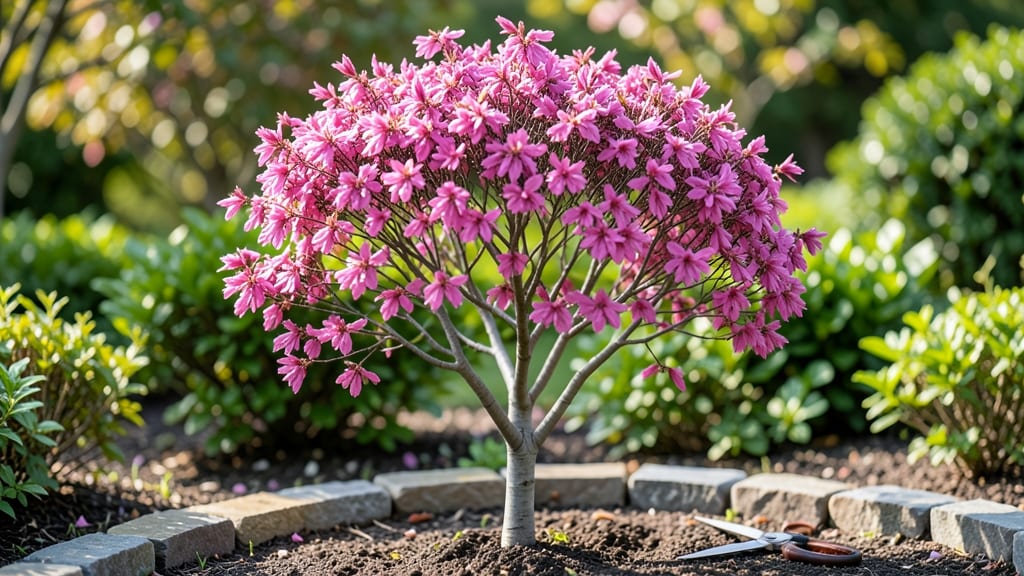
The Don Egolf dwarf redbud tree turns any small yard into a springtime burst of color without taking over the space. I planted mine last April, and now it’s a 6-foot-tall stunner with magenta blooms that last for weeks.
The secret to keeping it compact and blooming reliably? Pruning at the right time—and I’ll show you exactly how.
This little powerhouse thrives in partial shade, tolerates urban pollution, and handles winter down to zone 5. Most pruning happens in late winter or early spring, but a light cleanup after blooming keeps it tidy.
The key is shaping the branches to encourage dense growth while preserving that signature cascading flower display.
By summer, you’ll have a tree that’s nearly maintenance-free but still puts on a show every spring. The foliage turns golden in fall, and even the bark has character.
With just a few cuts a year, you’ll keep it looking like a pro’s work—and your neighbors will ask how you do it.
Whether you’re working with a tiny courtyard or a small front yard, this tree delivers big impact with minimal effort. Let’s get those shears ready and keep your redbud looking its best all season long.
📚 In This Guide
- What you need
- Instructions
- Tips and common mistakes
- Wrapping up and next steps
What you need
- ● Pruning shears: Bypass pruners (sharp, clean, and sterilized with rubbing alcohol to prevent disease). Recommended: Felco F-2 or similar.
- ● Loppers: For thicker branches (1.5"–2" diameter). Look for ratcheting or bypass models for precision.
- ○ Hand pruners (optional for small cuts): Anvil-style for quick snips, but avoid if working with larger branches.
- ● Gloves: Heavy-duty gardening gloves (cut-resistant, like Mechanix or Fiskars), to protect from thorns and sap.
- ● Disinfectant: 70% isopropyl alcohol or a pruning sealant (like Tanglefoot Tree Wound Pruning Seal) to prevent bacterial/fungal spread.
- ● Ladder or stool: Lightweight, stable, and tall enough to reach the tree’s canopy (typically 6–8 feet for dwarf varieties).
- ● Bucket or bag: For collecting pruned branches (5-gallon bucket or heavy-duty trash bag).
- ● Sharpie marker or tape: To label cuts if training the tree (e.g., for espalier shapes).
- ● Weather: Prune on a dry, overcast day (avoid rain or extreme heat). Early morning or late afternoon is ideal.
- ● Tree health check: Inspect for diseases (e.g., powdery mildew) or pests (aphids, spider mites). Treat with neem oil if needed before pruning.
- ● Safety gear: Safety glasses (to shield from debris) and closed-toe shoes.
- ● Water source: A hose or spray bottle to clean tools between cuts and hydrate the tree post-pruning.
- ● Tree wound paint: Not essential for small cuts, but useful for larger wounds (e.g., Tanglefoot Tree Wound Pruning Paste).
- ● Extension pole saw: For high branches in dense canopies (e.g., Fiskars X27).
- ● Camera or sketchbook: To document the tree’s shape before/after pruning for reference.
- ● Compost bin: For repurposing pruned branches as mulch or compost.
How to prune a Don Egolf dwarf redbud for healthy, bushy growth
Pruning this compact beauty isn't just about shaping—it's how you get those stunning blooms year after year.
Prune Immediately After Flowering
Wait until 2-3 weeks after the spring blooms fade before touching your Don Egolf. This gives the tree time to store energy for next year's flowers. I always prune in late May or early June when the foliage is lush but no new flower buds have formed yet.
Start by removing any dead, crossing, or diseased branches first. These are easy to spot—they'll be brown, brittle, or growing inward toward the center. Cut them back to the nearest outward-facing bud or branch collar using clean, sharp pruners. The goal here is to open up the center of the tree so light and air can circulate freely.
Shape for Compact Growth
This dwarf variety stays under 6 feet tall, but it can get leggy if you don't guide its shape. I focus on maintaining a naturally rounded form by pruning back the longest branches by about one-third. Never cut more than 25% of the tree's foliage at once—this can stress the plant and reduce flowering.
Look for branches that are growing too upright or outward. Cut these back to a 45-degree angle just above a bud that faces outward. This encourages the tree to fill out more densely. Avoid "heading back" too aggressively—small cuts promote bushier growth, while heavy cuts stimulate long, weak shoots.
Light Summer Pruning for Airflow
Give your tree a quick check in mid-July to remove any new growth that's crowding the center. This is when you'll see if your earlier pruning worked—healthy branches should be evenly spaced with good airflow between them. If you notice any branches growing straight up from the trunk, trim them back to a side branch or bud.
Here's the thing—this dwarf redbud actually benefits from light pruning throughout the summer. Pinch back any overly vigorous shoots that appear after heavy rains or warm spells. You'll know you're doing it right when the tree maintains its compact shape without looking like you've hacked at it.
Final Pruning Before Winter
In late fall, after the leaves have dropped but before hard frosts, do one final cleanup. Remove any dead or weak branches that appeared over the summer. This prevents them from harboring pests or diseases during winter dormancy. I also look for any suckers growing from the base and cut those off at ground level.
Don't worry about shaping much at this point—just focus on removing anything that might compromise the tree's health. The Don Egolf handles winter well, but keeping it clean helps it bounce back stronger in spring. A light application of mulch around the base after pruning helps protect the roots from temperature swings.
Tips & tricks for pruning your Don Egolf dwarf redbud
These simple strategies will help you keep your compact redbud thriving—and blooming—season after season.
Timing is Everything: The 2-3 week window after spring blooms fade is critical. I learned this the hard way after accidentally pruning too early and missing next year's flowers. Look for fully open leaves with no new flower buds forming—this is your cue that the tree has finished flowering and is storing energy for next spring.
Pruning Angles Matter: When shaping your tree in Step 2, always cut at a 45-degree angle just above an outward-facing bud. This simple technique encourages new growth to fill out the tree's center rather than growing inward. I've seen many pruning mistakes where people cut straight across, leading to ugly stubs and poor regrowth.
Summer Maintenance Secret: That mid-July check isn't just about removing crowded branches—it's your chance to prevent future problems. I've found that removing upward-growing branches now saves me from dealing with awkward "wolf branches" later. These vertical shoots grow straight up from the trunk and create awkward gaps in your tree's canopy.
Clean Tools Prevent Problems: Always disinfect your pruners between cuts, especially when removing diseased branches. I keep a small bottle of rubbing alcohol handy for quick cleanings. This prevents spreading any potential infections to healthy parts of your tree, which is particularly important for the Don Egolf's compact growth habit.
Pro Tips for Don Egolf Dwarf Redbud Tree
- These simple strategies will help you keep your compact redbud thriving—and blooming—season after season.
- Timing is Everything: The 2-3 week window after spring blooms fade is critical.
- Pruning Angles Matter: When shaping your tree in Step 2, always cut at a 45-degree angle just above an outward-facing bud.
Frequently asked questions
Got questions about keeping your Don Egolf Dwarf Redbud Tree thriving? Here are some of the most common ones—plus straightforward answers to help you prune like a pro!
When is the best time to prune my Don Egolf Dwarf Redbud?
The ideal time to prune is late winter or early spring, just before new growth begins (typically February–March in most climates). This timing encourages vibrant blooms in spring while keeping the tree compact. Avoid pruning in fall, as it can stimulate tender new growth that won’t survive winter. Pro tip: If you missed the window, a light trim after flowering (late spring) is better than nothing!
How much can I prune without harming the tree?
For the Don Egolf Dwarf Redbud, aim to remove no more than 25–30% of the foliage in a single session. Over-pruning can stress the tree and reduce flowering. Focus on dead, crossing, or overcrowded branches first, then lightly shape the canopy. Remember: This tree stays small (6–8 feet tall), so less is often more!
Will pruning affect the tree’s beautiful spring blooms?
Not if done correctly! Pruning after the tree blooms (or in late winter) won’t impact current flowers. However, avoid heavy cuts in late summer or fall, as this can reduce next year’s blossoms. The Don Egolf’s blooms appear on old wood, so pruning too aggressively in the wrong season might limit future displays.
Can I prune my Don Egolf Dwarf Redbud in summer?
Summer pruning is possible, but it’s not ideal for this variety. If you must, do it after flowering (June–July) and keep cuts minimal to avoid stress. Heavy summer pruning can lead to sunscald on exposed branches or reduced winter hardiness. Stick to late winter/early spring for best results!
What if my tree isn’t blooming as much as it used to?
Fewer blooms often signal over-pruning, poor nutrition, or age. Try these fixes:
- Check pruning habits: Avoid cutting back old wood where flowers form.
- Fertilize in early spring: Use a balanced, slow-release fertilizer (10-10-10).
- Inspect for pests/disease: Spider mites or fungal issues can stress the tree.
- Give it time: Younger trees (under 3 years) may bloom lightly before reaching full potential.
Wrapping up and next steps
The Don Egolf Dwarf Redbud Tree is a stunning, low-maintenance addition to any garden, offering vibrant blooms and compact charm year-round. By mastering the art of pruning—whether for shape, health, or encouraging more flowers—you’ll keep this beauty thriving with minimal effort. 🌸
Ready to give your tree the care it deserves? Grab your pruners and start pruning today—your future blooms will thank you!