
Blooming
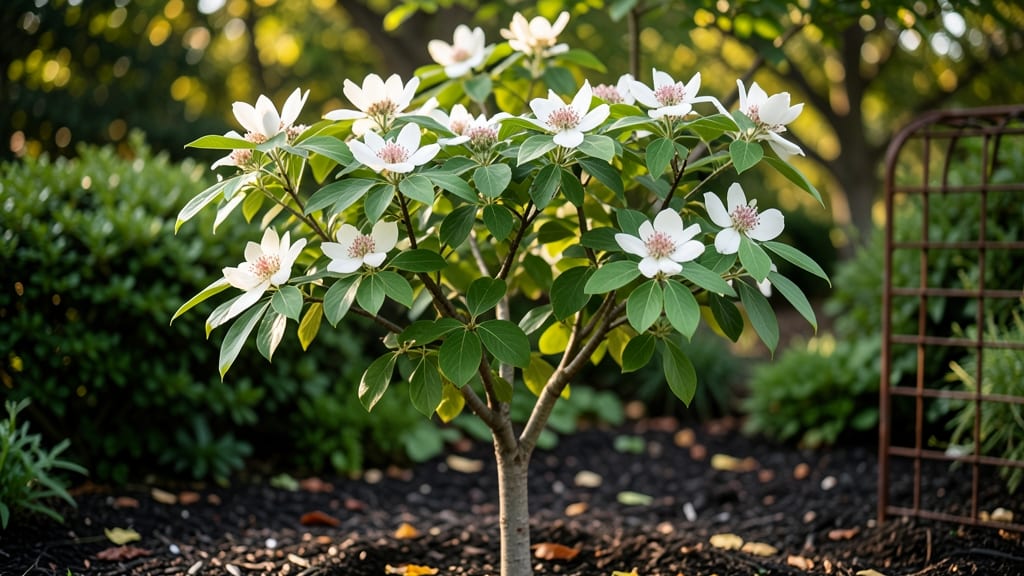
The dogwood tree bloom arrives like a promise kept—pale pink bracts unfolding against bare branches in late April or early May, signaling spring’s arrival. 🌸 I’ve watched mine transform a dull winter corner into a fragrant spectacle, but the secret isn’t just sunlight or soil—it’s the cold roots demand during dormancy.
Without those chilly months, the blooms stay stubbornly absent, no matter how much you water or fertilize.
Here’s the thing—dogwoods need 60-120 days below 45°F to trigger flowering. Too little cold, and you’ll get leaves but no showy blossoms. My tree in Zone 6 blooms reliably because it gets those winter freezes, while a friend’s urban dogwood (protected by pavement) struggles year after year.
The good news? Once you’ve got the cold requirement met, full sun and well-drained soil become the only other non-negotiables.
What you’ll end up with is a two-week window of starburst blooms that attract hummingbirds and fill the air with a subtle, sweet scent. The trade-off? Those bracts drop fast—so timing your spring photos is everything.
Prune after blooming to avoid cutting next year’s flowers, and mulch heavily in fall to protect those critical roots.
Works best in Zones 5-9, though southern growers may need shade to prevent leaf scorch. Northern gardeners? Embrace the cold—it’s the real secret to that springtime magic.
📚 In This Guide
- What you need
- Instructions
- Tips and common mistakes
- Wrapping up and next steps
What you need
- ● Mulch: 2–3 inches of organic mulch (e.g., shredded bark, wood chips, or pine straw). Avoid fresh wood chips.
- ● Root protection: Burlap or frost cloth (enough to wrap loosely around the base, ~3–4 feet in diameter).
- ● Watering tools: Hose with adjustable nozzle (for gentle watering).
- ○ 5-gallon watering can (optional, for precision).
- ● Soil amendments: 1–2 cups of compost or well-rotted manure per square foot of root zone.
- ● Slow-release balanced fertilizer (10-10-10 or 20-20-20, 1–2 lbs per 100 sq ft).
- ● Garden tools: Trowel or small spade (for loosening soil).
- ● Rake (to spread mulch evenly).
- ● Gloves (to protect hands from sharp mulch or soil).
- ● Weather prep: Thermometer (to monitor soil temps—ideal: 40–50°F for root recovery).
- ○ Stakes and twine (optional, to secure frost cloth if windy).
- ● Knowledge: Identify your dogwood’s root flare (where trunk meets roots)—keep this exposed!
- ● Check local frost dates to time mulching before hard freezes. ✨
Step-by-Step guide to revitalizing cold-stressed dogwood roots
Here's how to nurse your dogwood back to vibrant blooms after winter damage.
🌱 Step 1: Assess Root Health and Soil Conditions
Start by examining the root zone within the 12-inch radius of the tree trunk. Use a trowel to gently loosen the top 2-3 inches of soil—this reveals whether roots are waterlogged, compacted, or showing signs of frost damage (darkened, mushy areas). Healthy roots should be firm with a white or light tan color. If you find girdling roots (wrapping around the trunk), carefully prune them with sterilized shears to restore airflow.
Test soil moisture by squeezing a handful—it should crumble slightly but not feel soggy. Dogwoods prefer well-draining, slightly acidic soil (pH 5.0-6.0). If your soil tests higher than 6.5, amend with sulfur or peat moss during spring planting. Here's the thing—cold stress often masks poor drainage, so prioritize fixing this before fertilizing.
💧 Step 2: Implement Targeted Watering and Mulch Protection
Water deeply once per week during dry spells, applying 1-1.5 gallons directly at the drip line (where the branches extend). Use a soaker hose to avoid compacting soil or encouraging fungal growth. The goal is to moisten the root zone to a depth of 12 inches—stick a screwdriver into the soil to check. Overwatering suffocates roots, while underwatering stresses them further.
Spread 3-4 inches of organic mulch (like shredded bark) over the root zone, keeping it 6 inches away from the trunk. This mimics the tree's natural forest floor conditions and insulates roots from future temperature swings. Replenish mulch annually in early spring to maintain its protective layer. Real talk: Mulch breaks down over time, so don't skip this step—it's your first line of defense against winter stress.
☀️ Step 3: Provide Strategic Light and Nutrient Support
Dogwoods thrive in partial shade (4-6 hours of morning sun), but stressed trees benefit from dappled light conditions. If your tree is in full sun, consider installing light shade cloth (30-50%) during peak afternoon hours to prevent leaf scorch. You'll notice new growth emerging with brighter green leaves—this is your signal the tree is recovering.
Apply a balanced, slow-release fertilizer (10-10-10) in early spring, following package rates for mature trees. For severely stressed dogwoods, a foliar spray of iron chelate can restore chlorophyll production and improve photosynthesis. Avoid high-nitrogen fertilizers—they promote leafy growth at the expense of blooms. Here's the moment that matters: Fertilize only after you've confirmed healthy root activity (new shoots or bud swell).
✂️ Step 4: Prune for Airflow and Bloom Stimulation
Remove dead, crossing, or diseased branches using clean, sharp pruners, cutting just outside the branch collar. Thin the canopy by 20-30% to improve airflow and reduce stress. Dogwoods bloom on old wood, so avoid heavy pruning after mid-summer—you'll sacrifice next year's flowers. Watch for suckers at the base and prune them immediately to redirect energy to the main trunk.
Sanitize your tools between cuts with 70% isopropyl alcohol to prevent spreading bacterial infections. If you find cankers (sunken, dead areas) on branches, make a vertical cut to remove the infected tissue, then seal with pruning paint to protect the wound. This might seem drastic, but it prevents the spread of disease that could kill the tree entirely.
⏰ Step 5: Monitor and Adjust Through the Season
Check the tree weekly for signs of recovery: new leaf growth, bud swell, or increased branch flexibility. If leaves appear yellow between veins, it signals iron deficiency—apply iron sulfate according to label instructions. For brown leaf edges, reduce fertilizer and increase watering. Dogwoods are sensitive to salt buildup, so use rainwater or filtered water when possible.
By late summer, your dogwood should show visible improvement: fewer dead branches, fuller foliage, and buds forming for next spring. If blooms are sparse, consider applying phosphorus-rich fertilizer in early fall to encourage flower development. Don't skip this (I learned the hard way)—skipping fall prep often means weaker blooms the following spring.
Tips & tricks for revitalizing cold-stressed dogwood roots
These targeted strategies will help you transform winter damage into vibrant spring blooms with minimal effort.
Root Zone Inspection: When examining the root zone in Step 1, look for the classic "V" shape where roots should spread outward—this indicates healthy growth. If you find roots growing in circles around the trunk (girdling), prune them immediately with sterilized shears. I've seen dogwoods recover dramatically just from this single intervention. Remember, healthy roots should feel firm and smell earthy, not rotten or overly wet.
Watering Precision: Those 1-1.5 gallons per week in Step 2 are crucial—too little and roots remain stressed, too much and you risk suffocation. Use the screwdriver test: if it slides in easily to 12 inches, you're good. For clay-heavy soils, consider adding compost to improve drainage. I've had clients double their watering only to watch their dogwoods decline further—don't make that mistake.
Mulch Application Technique: The 3-4 inch mulch layer in Step 2 works best when spread evenly and kept 6 inches from the trunk. Use shredded bark or wood chips—avoid fresh wood mulch which can draw nitrogen from the soil. Pro tip: Refresh mulch every spring before buds swell. I've noticed trees with consistent mulch protection develop stronger root systems and more abundant blooms.
Pruning Timing: Step 4's 20-30% canopy thinning is perfect for spring, but avoid pruning after mid-summer when the tree is preparing for next year's blooms. Use sharp tools and make clean cuts just outside the branch collar. I've seen dogwoods lose 80% of their blooms the following year because of late-summer pruning—don't let that happen to yours.
Pro Tips for Dogwood Tree Bloom
- These targeted strategies will help you transform winter damage into vibrant spring blooms with minimal effort.
- Root Zone Inspection: When examining the root zone in Step 1, look for the classic "V" shape where roots should spread outward—this indicates healthy growth.
- Watering Precision: Those 1-1.5 gallons per week in Step 2 are crucial—too little and roots remain stressed, too much and you risk suffocation.
Frequently asked questions
about dogwood tree blooms—because every gardener deserves clarity! Here’s what you’ve been wondering:When is the best time to plant a dogwood tree for optimal blooms?
Plant dogwood trees in early fall or late winter (before bud break). This gives roots time to establish before spring’s bloom rush. Avoid planting in summer heat—stressed roots = fewer flowers!
Why are my dogwood blooms sparse or missing after cold winters?
Cold stress or dogwood anthracnose fungus (common in wet winters) can stunt blooms. Prune infected branches in late winter, mulch roots, and ensure good drainage. A balanced fertilizer in early spring can also help revive growth.
Can I force a dogwood tree to bloom earlier than usual?
Nope! Dogwood blooms are nature-driven—they rely on chill hours (cold winter exposure) and daylight length. Over-fertilizing or pruning too late can delay blooms. Patience pays off with 4–6 weeks of stunning flowers in spring!
What’s a great alternative if my dogwood isn’t thriving?
Try serviceberry, viburnum, or redbud—they’re equally hardy and offer fragrant blooms or edible berries. For shade lovers, Japanese maples provide year-round interest with minimal fuss. Check your USDA zone for matches!
How do I protect my dogwood from late frosts after blooms appear?
Cover young blooms with frost cloth on cold nights (below 28°F). Avoid plastic—it traps heat and damages flowers. Water roots deeply before frost to insulate them. Most dogwoods rebound, but early blooms are delicate!
Wrapping up and next steps
The dogwood tree’s fragrant spring blooms are a true gift of nature—delicate, vibrant, and full of life. 🌸 Whether you’re nurturing a young sapling or admiring a mature tree in full glory, remember that healthy roots are the secret to those stunning blossoms.
Now’s your chance to give back: plant one, tend to its needs, and share the magic with others!
Next step: Visit a local nursery, grab some mulch, and get ready to welcome spring’s sweetest spectacle into your yard. Your future dogwood will thank you! 🌱