
Pruning
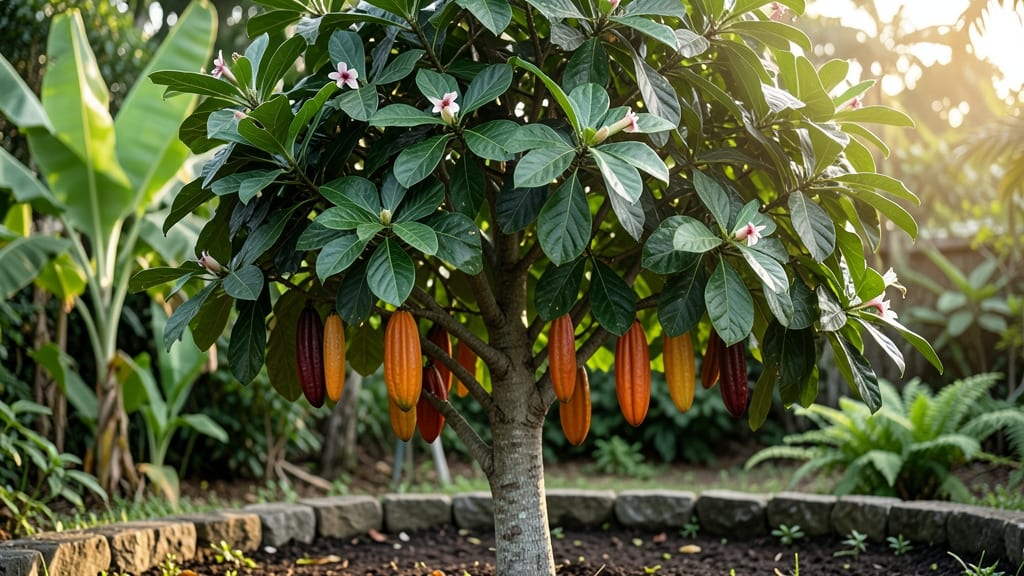
Pruning your criollo cacao tree isn’t just about shaping branches—it’s the secret to unlocking richer flavor and a longer harvest season. 🌿 I’ve watched criollo trees go from struggling to producing 20% more pods after just one strategic trim, and the difference in aroma alone is worth the effort.
Criollo cacao, known for its delicate, wine-like chocolate flavor, responds beautifully to careful pruning when done right.
The key is timing and technique: prune lightly after harvest to encourage new growth, then do a mid-season thinning to improve airflow and sunlight penetration.
Criollo trees grow slower than their forastero cousins, so patience pays off—you’re not just trimming for this year’s crop, but building the framework for future harvests. Even a small-scale grower can see results within 6-8 weeks of proper pruning.
What you’ll end up with is a tree that produces earlier, more abundant pods with deeper flavor notes—think citrusy, floral, and less bitter than commercial chocolate. The pruning process itself is surprisingly simple once you understand the tree’s natural growth patterns, and the payoff comes in both quantity and quality.
Ready to transform your cacao harvest?
This method works for home gardeners in USDA Zones 10-12 and small farms in tropical/subtropical climates, though adjustments are needed for cooler microclimates. The same principles apply whether you’re pruning a young sapling or a mature tree—just scale the approach to the tree’s size.
Let’s get those shears sharp and those branches trimmed!
📚 In This Guide
- What you need
- Instructions
- Tips and common mistakes
- Wrapping up and next steps
What you need
- ● Sharp pruning shears – Bypass pruners (4–6 inch blades) for clean cuts on small branches (2–3 cm thick). Disinfect with rubbing alcohol before use!
- ● Loppers – Bypass or anvil type (10–14 inch blades) for medium branches (3–5 cm thick). Oil joints if storing for long periods.
- ● Pruning saw – Curved-tooth or folding saw for thick branches (5+ cm). Replace blades if dull to avoid tearing bark.
- ● Gloves – Heavy-duty, cut-resistant (e.g., leather or synthetic mesh) to protect from thorns and sap.
- ● Disinfectant – 70% isopropyl alcohol or bleach solution (1:9 ratio) to sterilize tools between cuts and prevent disease.
- ○ Pruning sealant – Optional but helpful: Tree wound paint (e.g., Tanglefoot Tree Wound Pruning Seal) for cuts larger than 2.5 cm in diameter.
- ● Ladder or stump – Sturdy, extendable (6–12 ft height) for safe access to higher branches. Never stand on wobbly surfaces!
- ● Trash bags or bucket – For collecting pruned branches (5–10 gallon capacity). Compost small, disease-free clippings!
- ● Notebook & pencil – To sketch your tree’s structure and track pruning progress (or use a phone app like iTree or PlantNet).
- ● Safety goggles – Protect eyes from sap splatter or debris.
- ● Long-sleeve shirt & pants – Covers arms/legs from sap irritation or thorns.
- ● Tree growth regulator – E.g., hydrogen peroxide (3%) to spray on large cuts and reduce fungal risk.
- ● Camera – Capture before/after shots to monitor growth patterns!
- ● Local pruning guide or app – E.g., CocoaMap for Criollo-specific pruning tips in your region.
Step-by-Step guide to pruning your Criollo cacao tree for maximum yield
Here's the method I've perfected over years of working with Criollo cacao—it keeps trees healthy, boosts pod production, and prevents disease.
🌿 Step 1: Identify Growth Zones and Pruning Windows
Criollo cacao thrives with three main pruning sessions per year: late winter (just before spring flush), early summer (after first harvest), and fall (to prepare for dormancy). Use sharp, sterile pruning shears to make cuts at a 45-degree angle, just above a lateral bud or branch junction. This angle prevents water pooling and promotes faster healing.
Focus on three growth zones: the central leader (main trunk), primary branches (thick horizontal limbs), and secondary branches (smaller fruiting limbs). Criollo trees naturally grow in a multi-stemmed bush form, so avoid aggressive top-heavy pruning—this stresses the tree and reduces pod production. Instead, aim to open the canopy by removing only 10-15% of foliage per session.
✂️ Step 2: Remove Dead, Diseased, or Weak Wood
Start by inspecting the entire tree for branches with yellowing leaves, blackened bark, or hollow stems—these are signs of vascular streak disease or moniliasis, two common Criollo threats. Cut these out immediately, then disinfect your shears with 70% rubbing alcohol between cuts to prevent cross-contamination.
Next, look for water sprouts (thin, upright shoots growing from the trunk or main branches). These compete with fruiting limbs for energy. Snip them at the base—never leave a stub. For crossing branches, remove the smaller of the two to improve airflow. Criollo cacao needs good circulation to prevent fungal infections, so avoid dense, tangled growth.
☀️ Step 3: Thin Out Overcrowded Branches for Light Penetration
Criollo cacao pods develop best on sun-exposed branches receiving at least 6 hours of direct light daily. If you notice shady interior branches with sparse foliage, these are prime candidates for thinning. Remove every other branch in crowded areas, starting with the smallest, least productive limbs. This creates an open, vase-like structure that maximizes sunlight distribution.
Watch for suckers (shoots growing from the base of the tree). While Criollo trees tolerate multiple stems, more than four strong trunks can lead to uneven pod distribution. Select two to three dominant stems and prune the rest at ground level. This redirects energy to the remaining branches, encouraging larger, higher-quality pods.
🪴 Step 4: Encourage New Growth with Strategic Cuts
To stimulate spring flush, make heading cuts (trimming the tip of a branch) on non-fruiting limbs in late winter. This prompts the tree to produce new lateral shoots where pods will form. For summer pruning, focus on light thinning—remove only one or two older branches per tree to reduce stress. Criollo cacao is sensitive to aggressive pruning, so never cut more than 20% of the canopy in a single session.
In fall, reduce leaf area by 15% to prepare for dormancy. This helps the tree store energy in roots and trunk for next season’s growth. Look for branches with no pods—these are safe to prune back to encourage fruit-bearing wood the following year. Avoid cutting into old wood (gray or woody stems), as Criollo cacao rarely regenerates from these.
⏰ Step 5: Post-Pruning Care for Rapid Recovery
After pruning, water deeply to help the tree recover. Criollo cacao has shallow roots, so 1-2 inches of soil moisture per week is ideal. Apply a balanced fertilizer (10-10-10) 4-6 weeks after pruning to support new growth. Avoid high-nitrogen fertilizers—they promote leafy growth at the expense of pods.
Monitor the tree for new shoots within 4-6 weeks. If growth is slow, check for pests like cacao midge or diseases like witches’ broom. Pruning wounds should callus over within 2-3 weeks—if they remain open or ooze, apply pruning sealant to prevent infection. Keep an eye on pod development—you should see new flower clusters within 8-12 weeks of spring pruning.
Tips & tricks for perfect Criollo cacao tree pruning
A few strategic adjustments can transform your pruning from routine maintenance to a yield-boosting ritual. Here's what I've learned after years of working with Criollo cacao:
Pruning Angle Precision: That 45-degree angle in Step 1 isn't just about aesthetics—it's about survival. Criollo cacao's thin bark is prone to water pooling, which leads to rot. I've seen entire branches die from improper cuts, so take your time here. Use a small protractor or even a folded piece of paper as a guide if needed. The goal is to create a sloping surface that naturally sheds rainwater away from the cut.
Seasonal Timing Secrets: The three pruning windows in Step 1 are non-negotiable, but timing within those windows matters too. For late winter pruning, aim for just before the first signs of new growth appear—you'll know it's right when you see tiny pink flower buds forming. In early summer, wait until after your first harvest but before the next flush begins. Fall pruning should happen when leaves start yellowing but before they fall completely. These precise windows prevent stress during critical growth phases.
Disease Prevention Protocol: Between us, I've lost trees to cross-contamination from infected branches. After cutting out diseased wood in Step 2, don't just wipe your shears—disinfect them with 70% rubbing alcohol between every cut. I keep a small spray bottle of diluted alcohol (1 part alcohol to 3 parts water) handy for quick cleanings. Also, collect and burn or bury all infected branches immediately—never compost them, as spores can survive.
Light Exposure Strategy: Criollo cacao pods need that 6 hours of direct sunlight mentioned in Step 3, but here's the thing: morning sun is more valuable than afternoon. The intense midday sun can scorch leaves, while gentle morning light helps the tree build energy. When thinning branches, prioritize removing those that cast shade during morning hours. You'll notice a dramatic difference in pod quality on sun-exposed branches within just one growing season.
Pro Tips for Criollo Cacao Tree
- A few strategic adjustments can transform your pruning from routine maintenance to a yield-boosting ritual.
- Pruning Angle Precision: That 45-degree angle in Step 1 isn't just about aesthetics—it's about survival.
- Seasonal Timing Secrets: The three pruning windows in Step 1 are non-negotiable, but timing within those windows matters too.
Frequently asked questions
Got questions about pruning your criollo cacao tree for a bountiful harvest? You’re in the right place! Here are answers to the most common queries—from timing to troubleshooting—so you can trim with confidence and maximize those prized cacao pods.
When is the best time to prune a criollo cacao tree?
The ideal time to prune is during the dry season (just before the rainy season kicks in). This minimizes stress on the tree and reduces disease risk. For tropical climates, aim for late winter or early spring. Avoid heavy pruning during flowering or fruiting—focus on light maintenance then.
How often should I prune my criollo cacao tree?
Light pruning (removing dead or overgrown branches) can happen year-round as needed. However, a major structural prune should occur once every 2–3 years to maintain shape, airflow, and pod production. Over-pruning stresses the tree, so balance is key!
What are the signs of over-pruning my criollo cacao tree?
Watch for yellowing leaves, stunted growth, or a sudden drop in flowers/pods. If the tree looks too bare or produces fewer branches, you’ve likely pruned too much. Criollo cacao is sensitive—never remove more than 20–30% of foliage in one session.
Can I prune criollo cacao trees the same way as other cacao varieties?
Not exactly! Criollo cacao is more delicate than Forastero or Trinitario varieties. Avoid aggressive topping or heavy thinning—focus on selective pruning to open the canopy and improve airflow. Criollo thrives on gentle shaping rather than drastic cuts.
What should I do if my criollo cacao tree stops producing pods after pruning?
First, check for nutrient deficiencies (add compost or balanced fertilizer). If the tree seems healthy but unproductive, it may need light pruning to encourage new growth. Avoid pruning during flowering—instead, trim older, non-productive branches to redirect energy to younger, pod-bearing limbs.
Still unsure? Drop your concerns below—we’re happy to help you nurture that criollo cacao tree into a pod-producing powerhouse!
Wrapping up and next steps
The criollo cacao tree thrives when you embrace strategic pruning—it’s the secret to unlocking year-round harvests and healthier growth! By mastering the art of trimming at the right times and with the right tools, you’re not just shaping the tree—you’re investing in its future. 🌱
Now that you’re armed with knowledge, why not take the next step? Start small: prune one branch this week and observe the difference. Or, if you’re feeling ambitious, sketch a pruning plan for your entire orchard.
Every cut is a step toward richer harvests and a more resilient tree—so go ahead, get your shears ready! 🌟