
Pruning
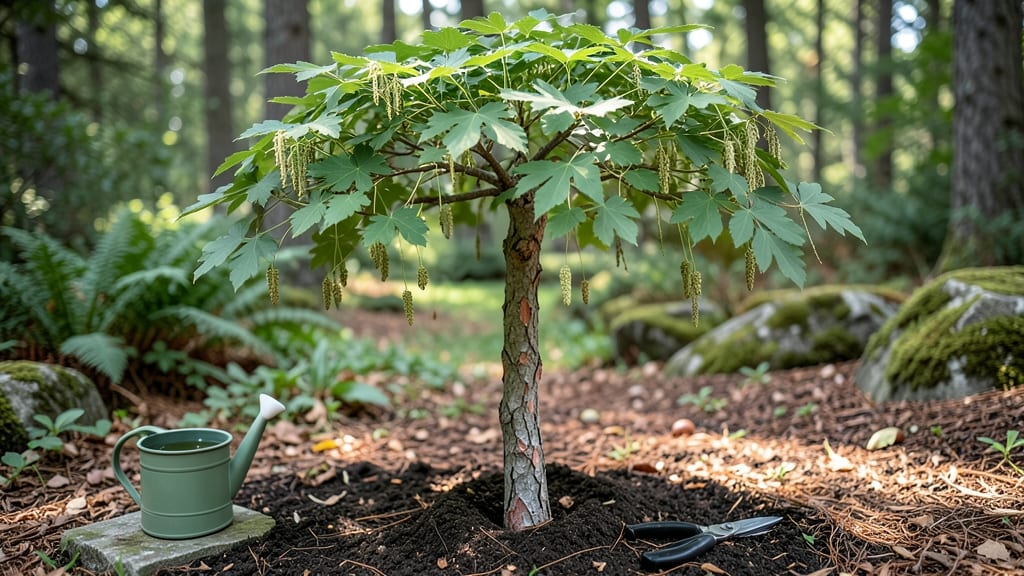
When crab trees bloom in spring, you want those showstopping blossoms and strong structure to last decades. ✨ I’ve pruned mine for five years, and the difference between a scraggly mess and a showpiece tree comes down to timing—late winter through early summer, with sharp cuts that heal cleanly.
The right schedule turns a maintenance chore into a way to shape your tree’s future, whether you’ve got a weeping crabapple or a standard ornamental variety.
Most gardeners wait until spring, but the best results come from three key pruning windows: dormant season (late winter), right after flowering (late spring), and light summer shaping. You’ll need gloves, pruners, and a ladder—plus a sharp eye for dead wood and crossing branches.
The goal isn’t just tidying; it’s redirecting energy to where you want it: more blooms, denser foliage, and a sturdy form that holds up to storms. Even a single session makes a noticeable difference in how your tree looks by next spring.
By following this calendar, you’ll end up with a tree that’s healthier, more productive, and easier to maintain—plus, those spring flowers will be even more dramatic. The secret isn’t aggressive cutting; it’s strategic trimming that works with the tree’s natural growth patterns.
Think of it as giving your crab tree a haircut that makes it look—and grow—its best. Ready to transform your tree’s shape and performance?
Works for all crab tree varieties, from dwarf crabapples to towering ornamental types, and adapts to urban or rural settings. The same principles apply whether you’re shaping a young sapling or refreshing an established tree. Let’s get those branches looking intentional!
📚 In This Guide
- What you need
- Instructions
- Tips and common mistakes
- Wrapping up and next steps
What you need
- ○ Pruning shears: Sharp, bypass-style shears (for cuts under ½ inch in diameter). Optional: Loppers (for thicker branches, ½–1.5 inches) or a pruning saw (for stubborn, larger limbs).
- ● Gloves: Heavy-duty, cut-resistant gloves (gardening or pruning-specific) to protect hands from thorns and sap.
- ● Disinfectant: 70% isopropyl alcohol or a pruning sealant (like Tanglefoot) to sterilize tools between cuts and prevent disease spread.
- ● Ladder or step stool: Sturdy and tall enough to reach branches safely (extendable ladders work for larger trees).
- ● Trash bags or bucket: For collecting pruned branches and debris.
- ○ Marking twine or flags: Optional but helpful for tagging branches to prune in phases.
- ● Safety gear: Safety glasses (to shield from debris) and closed-toe shoes.
- ● Weather check: Prune on a dry, calm day (avoid windy or rainy conditions).
- ● Tree health assessment: Inspect the tree for diseased or dead branches before starting—these take priority!
- ● Local regulations: Check if your area requires permits for large-scale pruning (especially near power lines).
- ● Seasonal timing: Refer to your pruning calendar for the best time to trim based on your tree’s variety (e.g., flowering vs. non-flowering crab apples).
- ● Sharpen tools first! Dull blades tear bark, inviting pests and disease. 🔪✨
- ● Work in layers: Remove up to 25% of the tree’s foliage in one session to avoid stressing it.
- ● Clean as you go: Wipe tools with alcohol between cuts to prevent spreading fungal spores.
- ● Mulch lightly: After pruning, add 2–3 inches of mulch around the base (keep it 6 inches away from the trunk).
Step-by-Step guide for pruning crab trees seasonally
Here’s how I keep crab trees thriving year-round—timing and technique matter more than you’d think.
⏰ Step 1: Late Winter Pruning for Structure
Start in late winter or early spring (just as buds swell but before leaves emerge) to remove dead, diseased, or crossing branches. This is the best time because the tree’s dormant state makes it easier to see the structure. I focus on removing no more than 25% of the canopy to avoid stressing the tree.
Use clean, sharp pruning shears to make cuts just outside the branch collar—the swollen area where the branch meets the trunk. This ensures proper healing. If a branch is larger than ½ inch thick, use a pruning saw instead. Avoid cutting into the branch collar itself, as this can lead to infection.
Look for sucker growth (vigorous shoots at the base) and remove them immediately. These compete with the main tree for nutrients. I also check for water sprouts—vertical shoots growing from the trunk or branches—and prune them back to a lateral bud to encourage a fuller shape.
☀️ Step 2: Summer Light Trimming for Health
In mid-to-late summer, do a light maintenance trim to remove any dead or damaged branches that may have appeared during the growing season. This keeps the tree looking neat and prevents pests from taking hold in damaged wood.
Focus on thinning out the canopy to improve airflow and sunlight penetration. I target branches that are rubbing against each other or growing inward—these often break or cause weak spots. When thinning, aim to reduce leaf density by about 10-15% to avoid over-stressing the tree.
If you notice excessive growth (like long, leggy branches), cut them back to a strong lateral branch or bud. This encourages a bushier, more compact shape. Avoid heavy pruning in summer, as it can stimulate late-season growth that won’t harden off before winter.
✂️ Step 3: Fall Cleanup for Winter Readiness
In early fall, do a final light pruning to remove any weak, diseased, or storm-damaged branches. This prepares the tree for winter and reduces the risk of pests or diseases overwintering in dead wood. I also check for mushroom growth at the base—a sign of root rot—which may require deeper intervention.
If you have overgrown branches, prune them back to a strong lateral branch or the branch collar. Avoid leaving stubs, as they can invite decay. For larger cuts, seal the wound with pruning sealant (optional but helpful for wounds larger than ½ inch in diameter).
This is also the time to clean up fallen leaves and debris around the base of the tree. I rake them into a compost pile or dispose of them to prevent fungal diseases from spreading. A 3-4 inch layer of mulch (like wood chips) helps protect the roots from temperature fluctuations.
🌱 Step 4: Post-Winter Inspection and Adjustments
After winter, do a quick inspection in early spring before new growth starts. Look for frost damage, broken branches, or signs of pests like borers or scale. If you see dieback (dead branches at the tips), prune them back to healthy wood just below the damage.
If the tree has excessive water sprouts (common in crab trees), prune them back to a lateral bud or branch. These shoots grow fast but weaken the tree’s structure. I also check for sucker growth at the base and remove it to direct energy upward.
Finally, step back and assess the shape. A well-pruned crab tree should have an open, balanced canopy with sunlight reaching the ground. If the tree looks top-heavy, it may need structural support—consider staking if necessary. This is the time to make final adjustments before the growing season kicks in.
Tips & tricks for perfect crab tree pruning
Timing and technique are everything when it comes to keeping your crab tree healthy—these are the secrets I’ve learned after years of trial and error.
Seasonal Timing Matters: The late winter/early spring window (just as buds swell) is critical for Step 1 because the tree's dormant state reveals its structure clearly. If you prune too early, you risk removing buds that haven't formed yet. I always check for bud swell by gently pressing the bark—if it gives slightly, it's time. For summer trimming (Step 2), focus on light maintenance only—heavy pruning now can stimulate weak late-season growth that won't survive winter.
Precision Cutting Technique: When making cuts in Step 1 or Step 3, use the branch collar as your guide—it's the tree's natural healing zone. I've made the mistake of cutting flush with the trunk, which creates wounds that take years to heal. For branches thicker than ½ inch, use a pruning saw to avoid tearing the bark. And here's what nobody tells you: always sterilize your tools between cuts with rubbing alcohol to prevent spreading disease from infected branches.
Canopy Management Strategy: The 25% canopy removal rule in Step 1 isn't arbitrary—it's based on how much foliage a tree can regenerate without stress. In summer (Step 2), aim for 10-15% thinning to maintain airflow without shocking the tree. I learned this the hard way after removing too much foliage in one go, which left my tree vulnerable to pests. Think of it like giving your tree a spa day—just enough to refresh without overdoing it.
Post-Pruning Care: After any significant pruning (especially in Steps 1 and 3), apply a 3-4 inch layer of mulch around the base to protect roots from temperature swings. I also recommend sealing wounds larger than ½ inch with pruning sealant—this isn't just for looks, it prevents decay organisms from entering the tree. The key is to do this within 24 hours of pruning while the wound is still fresh.
Pro Tips for The Crab Tree
- Timing and technique are everything when it comes to keeping your crab tree healthy—these are the secrets I’ve learned after years of trial and error.
- Seasonal Timing Matters: The late winter/early spring window (just as buds swell) is critical for Step 1 because the tree's dormant state reveals its structure clearly.
- Precision Cutting Technique: When making cuts in Step 1 or Step 3, use the branch collar as your guide—it's the tree's natural healing zone.
Frequently asked questions
Got questions about pruning your Crab Tree? You’re not alone! Whether you're a first-time gardener or a seasoned landscaper, timing, techniques, and troubleshooting can feel tricky. Below, we’ve answered the most common questions to help you keep your tree thriving.
When is the best time to prune a Crab Tree?
The ideal window is late winter to early spring (just before buds swell), but you can also prune in early summer if needed. Avoid pruning in fall—it stimulates late growth that may not harden off before winter. Pro tip: If you must prune in summer, do it before July to prevent stress.
Can I prune a Crab Tree in fall?
Pruning in fall is generally discouraged because it encourages tender new growth that’s vulnerable to frost damage. However, if you must remove dead or diseased branches, do so early in fall (September) and avoid heavy cuts. Always prioritize winter hardiness over late-season shaping.
How much can I trim off without harming the tree?
For healthy Crab Trees, limit pruning to no more than 25% of the canopy per year. Over-pruning weakens the tree and reduces flowering. Focus on removing dead wood, crossing branches, and shaping for airflow. Pro tip: Thin out dense areas rather than shearing—this keeps the tree’s natural form intact.
What if my Crab Tree isn’t flowering after pruning?
Crab Trees bloom on old wood, so aggressive summer pruning can reduce flowers the following year. If your tree isn’t flowering, check for:
- Over-pruning in late spring/summer
- Nutrient deficiencies (fertilize in early spring)
- Pests or disease (inspect for signs like holes or discoloration)
Are there alternatives if I miss the pruning window?
Don’t stress! If you miss late winter/early spring, prune in early summer (June) for minor adjustments. Avoid heavy cuts, and focus on removing only:
- Dead, diseased, or crossing branches
- Suckers or water sprouts
Wrapping up and next steps
Pruning your crab tree isn’t just about aesthetics—it’s the key to unlocking its full potential! By following this seasonal trimming calendar, you’ll ensure vibrant blooms, robust structure, and long-term health. Whether you’re a seasoned gardener or just starting, every snip brings your tree one step closer to thriving.
Ready to take action? Grab your tools, mark your calendar, and start with a fresh look this spring—your crab tree will thank you for years to come! 🌿✂️