
Pruning
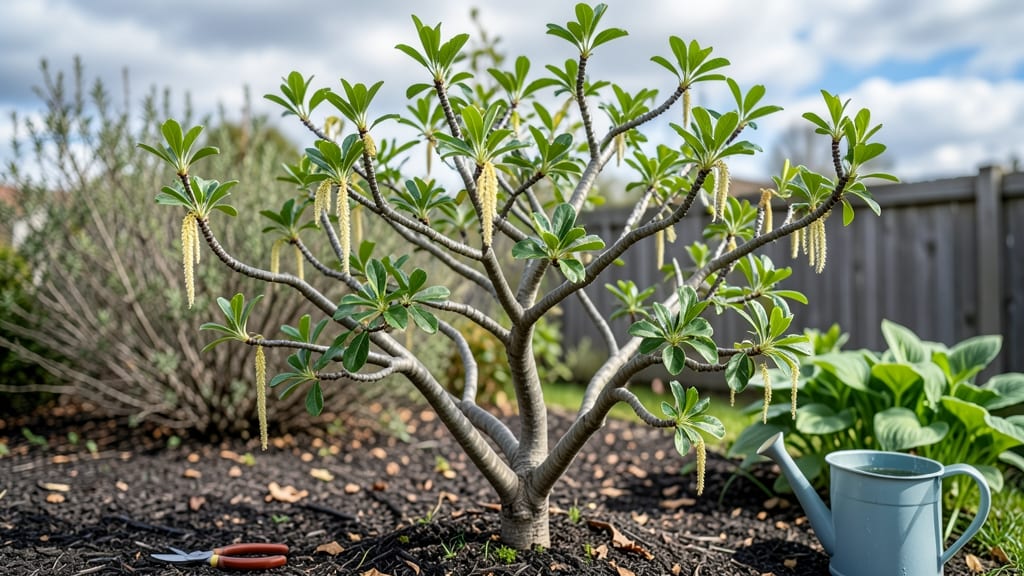
The corkscrew hazelnut tree's twisted branches make it a garden showstopper, but pruning it right ensures those dramatic curls keep growing all year long. I learned the hard way—my first attempt left the tree looking more like a tangled mess than a living sculpture.
The key is understanding when to encourage new growth and when to shape the existing twists without damaging the delicate structure.
You’ll need sharp pruning shears, a ladder (for taller trees), and a clear day to work—this isn’t a job for windy or rainy conditions. Start by removing dead or crossing branches first, then focus on thinning out crowded areas to let light reach the center.
The goal is to maintain that signature spiral shape while keeping the tree healthy enough to produce those edible nuts.
What you’ll end up with is a tree that looks like it belongs in a fairy tale, with glossy leaves and those iconic twisting branches reaching for the sky.
The nuts add a bonus harvest, and the structure becomes even more striking as it matures. Just don’t over-prune—these trees are resilient but not indestructible.
Works beautifully in both formal and cottage-style gardens, and thrives in zones 4-7. Whether you’re pruning in early spring or late winter, the same principles apply—patience and precision pay off in a tree that’s both functional and breathtaking.
📚 In This Guide
- What you need
- Instructions
- Tips and common mistakes
- Wrapping up and next steps
What you need
- ● Pruning shears: Sharp, bypass-style shears (3-5" blade length) for clean cuts on small branches.
- ● Loppers: 8-10" bypass or anvil loppers for thicker branches (up to 2" diameter).
- ● Pruning saw: A curved-tooth saw for branches thicker than 2".
- ○ Disinfectant: 70% isopropyl alcohol or a pruning sealant (optional but recommended for preventing disease).
- ● Gloves: Heavy-duty, cut-resistant gardening gloves (size medium or large).
- ● Safety glasses: To protect against debris.
- ● Pruning bag or bucket: For collecting trimmings (5-gallon capacity recommended).
- ● Measuring tape: 6-10 ft for assessing branch lengths.
- ● Extension pole: For hard-to-reach branches (8-12 ft, with adjustable head).
- ● Tree wound dressing: (Controversial but useful for large cuts—avoid for corkscrew varieties if possible).
- ● Notebook & pen: To sketch a quick pruning plan before you start.
- ● Ladder: Sturdy, extension ladder (12-16 ft) if your tree is tall.
Precision pruning for corkscrew hazelnut trees: year-round maintenance
Mastering this distinctive tree’s shape takes patience and the right timing—here’s how to do it right.
Assess the Tree’s Structure in Late Winter
Start your pruning in late winter (just before buds swell) when the tree is still dormant. This is the best time to see the natural shape of the corkscrew branches clearly. Look for any dead, crossing, or overcrowded branches—these are your first targets. The corkscrew pattern thrives when branches have room to spiral freely, so avoid cutting back healthy growth unless absolutely necessary.
Use sharp pruning shears to make clean cuts at a 45-degree angle, about ¼ inch above a bud that faces outward. This encourages new growth in the right direction. If you’re unsure which buds are best, remember: outward-facing buds will help maintain the tree’s iconic spiral form. Take your time—this is where precision matters most.
Light Summer Pruning to Encourage Airflow
Mid-summer is for light maintenance, not major shaping. Focus on removing any suckers (shoots growing from the base) and any branches that are rubbing against each other. These small cuts prevent disease and keep the tree’s energy focused on producing those signature corkscrew branches. Water the tree deeply after pruning to help it recover quickly.
Watch for new growth that doesn’t follow the spiral pattern—these are often the result of over-pruning earlier in the year. If you spot them, trim them back to a strong, healthy bud. The goal here is to refine, not reshape. Think of this step as a gentle nudge to keep the tree balanced and healthy.
Fall Cleanup for Winter Readiness
In early fall, do a final check for any branches that might have been missed earlier in the year. Remove any diseased or pest-infested branches immediately—this is your last chance to protect the tree before winter sets in. Sterilize your pruning tools with rubbing alcohol between cuts to prevent spreading any potential infections.
After pruning, apply a 2-3 inch layer of mulch around the base of the tree (but keep it 6 inches away from the trunk). This helps insulate the roots and retain moisture during colder months. Avoid heavy pruning now—you want the tree to enter dormancy strong, not stressed. A well-maintained corkscrew hazelnut will reward you with lush, twisting branches year after year.
Year-Round Monitoring for Optimal Growth
Even when you’re not actively pruning, keep an eye on your tree. Twice a year—once in early spring and again in late summer—do a quick visual check for any branches that have grown out of place or are showing signs of stress. A little maintenance now can save you from bigger pruning jobs later. If you notice any branches that are growing too upright or losing their corkscrew shape, trim them back to encourage the spiral pattern.
Here’s the thing—corkscrew hazelnuts are forgiving, but they do best when you work with their natural growth habits. If you’ve ever pruned too aggressively and lost the tree’s signature look, don’t worry. With consistent, gentle pruning, the tree will bounce back. The key is patience and observation. Over time, you’ll develop an instinct for what needs cutting and what should stay.
Tips & tricks for perfect corkscrew hazelnut tree pruning
Working with these unique trees requires a delicate balance—here's how to avoid common mistakes and keep that signature spiral shape thriving.
Timing is Everything: The late winter pruning window in Step 1 is critical because that's when the tree's natural structure is most visible. I always check for the first signs of bud swelling—this is your cue to start. If you prune too early, you risk cutting off potential growth; too late, and you'll be pruning new shoots that could disrupt the corkscrew pattern. Confession: I skipped this timing once and ended up with a tree that looked more like a tangled mess than elegant spirals.
Precision Cutting Technique: That 45-degree angle and ¼-inch above the bud measurement in Step 1 might seem fussy, but it makes all the difference. I learned this the hard way after making uneven cuts that led to stubby, ugly regrowth. Use a sharp pair of pruning shears and make clean cuts—no jagged edges. For stubborn branches, I sometimes make a second cut just outside the branch collar to prevent tearing. The key is to work with the tree's natural growth patterns rather than against them.
Seasonal Maintenance Strategy: The light summer pruning in Step 2 isn't just about removing suckers—it's about encouraging airflow. I always make a point to sterilize my tools between cuts during this season because summer's warm, humid conditions create perfect conditions for bacterial infections. After pruning, I give the tree a deep watering to help it recover. This is also when I do my most frequent checks for branches growing out of pattern, as summer growth can be particularly vigorous.
Mulching Made Easy: When applying that 2-3 inch layer of mulch in Step 3, remember to keep it 6 inches away from the trunk. I've seen too many people smother the base completely, which can lead to rot. Use organic mulch like wood chips or straw—they'll break down over time and add nutrients to the soil. This is also a great time to check for any signs of pests or disease that might have developed during the growing season.
Pro Tips for Corkscrew Hazelnut Tree
- Working with these unique trees requires a delicate balance—here's how to avoid common mistakes and keep that signature spiral shape thriving.
- Timing is Everything: The late winter pruning window in Step 1 is critical because that's when the tree's natural structure is most visible.
- Precision Cutting Technique: That 45-degree angle and ¼-inch above the bud measurement in Step 1 might seem fussy, but it makes all the difference.
Frequently asked questions
Got questions about keeping your corkscrew hazelnut tree thriving with precision pruning? Here are some of the most common ones—and their answers!
When is the best time to prune a corkscrew hazelnut tree?
The ideal time is late winter or early spring (before new growth starts), but light shaping can happen year-round. Avoid pruning during fall (unless removing dead wood) to prevent new growth from being damaged by frost. Pro tip: If you miss the window, prune in summer—just avoid heavy cuts that stress the tree.
How do I prune to encourage more corkscrew curls?
Focus on selective thinning—remove overcrowded branches and crossing limbs to improve airflow. For curls, avoid heavy shearing; instead, trim backward-growing branches to redirect energy. Key move: Prune 1/3 of the branch length just above a curl to stimulate denser growth.
What should I do if my tree isn’t producing hazelnuts?
Check for male and female flowers—hazelnuts need both! If your tree lacks nuts, it may be male-only (plant a female variety nearby). Other culprits: over-pruning (reduce cuts), poor soil (test pH; aim for 6.0–7.0), or pests (inspect for aphids or spider mites).
Can I prune a corkscrew hazelnut tree too much?
Yes! Over-pruning (removing >30% of foliage at once) stresses the tree, reducing curls and nut production. Stick to gradual shaping—never trim more than 25% of branches in a single session. Signs of over-pruning: Yellowing leaves, stunted growth, or no new curls the next season.
Are there alternatives to pruning for shaping?
While pruning is the best method, you can train young branches by gently tying them to stakes (like espalier) to guide curls. For mature trees, topiary shears work for light shaping, but avoid them for heavy cuts—they can damage the corky bark. Warning: Never use hedge trimmers; they create jagged cuts that invite disease.
Wrapping up and next steps
The corkscrew hazelnut tree is a stunning addition to any landscape, and with the right pruning techniques, you can keep it thriving year-round! 🌿 By following these precision cuts—whether for shaping, health, or harvest—you’ll ensure vibrant growth and bountiful nuts. Remember, patience and consistency are key!
Ready to take your pruning skills to the next level? Grab your tools, mark your calendar, and start planning your next session! Your tree (and future snack stash) will thank you. Happy pruning! ✂️