
Pruning
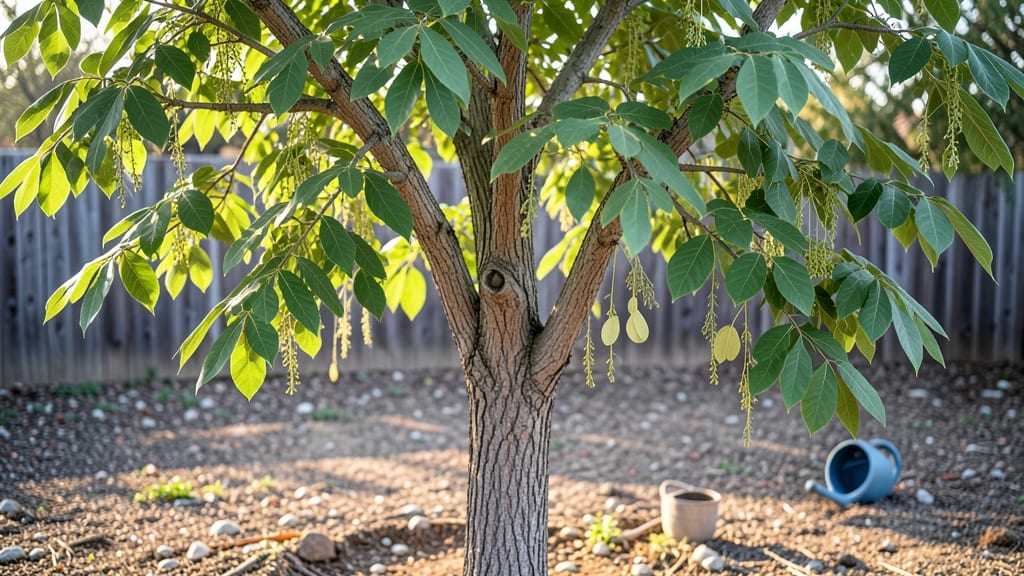
Pruning your Texas ash tree isn't just about shaping—it's about unlocking its natural resilience and keeping it thriving for decades. I learned this the hard way after skipping pruning for years, only to watch my once-straight trunk split under a summer storm.
The Texas ash (Fraxinus texensis) handles heat and drought like a champ, but its structure needs strategic cuts to match its toughness.
Here's the secret: four key cuts a year—light shaping in late winter, structural cleanup in early spring, mid-summer thinning, and a final health check before winter. You'll need sharp pruners, a ladder (for higher branches), and about 30 minutes of focused work per session.
The goal isn't perfection; it's removing deadwood, opening the canopy to sunlight, and preventing weak branch growth that invites pests.
What you end up with is a tree that stays strong through Texas summers, resists storm damage, and produces those signature compound leaves that turn golden in fall. The right cuts encourage new growth at the base while keeping the crown balanced—no more leaning branches or hollow trunks.
Even in drought years, a properly pruned Texas ash will keep its leaves longer than neglected neighbors.
Works for both urban landscapes and rural homesteads, from 10-foot saplings to mature 50-foot specimens. The same principles apply whether you're shaping a street tree or restoring an overgrown specimen. Let's get those branches in order before next storm season arrives.
📚 In This Guide
- What you need
- Instructions
- Tips and common mistakes
- Wrapping up and next steps
What you need
- ● Pruning shears: Bypass pruners (for cuts up to ½ inch in diameter). Recommended: Felco F-2 or Corona Tools.
- ● Loppers: 1 pair (for cuts ½–1½ inches in diameter). Look for: Long handles (30+ inches) for leverage.
- ● Pruning saw: 1 curved-tooth saw (for branches 1½+ inches thick). Tip: Lubricate blades for smoother cuts! 💡
- ● Extension pole: 6–10 ft (with saw attachment for high branches). Pro tip: Adjustable poles save time.
- ● Ladder: Sturdy, extendable ladder (20–30 ft for tall trees). Safety first: Use stabilizers and never overreach!
- ● Work gloves: Heavy-duty, cut-resistant gloves (e.g., Mechanix or Husky Tool).
- ● Safety gear: Eye protection (ANSI-rated goggles).
- ● Ear protection (if using a chainsaw).
- ● Steel-toe boots or closed-toe shoes.
- ● Disinfectant: 70% isopropyl alcohol or bleach solution (1 part bleach to 9 parts water) to sterilize tools between cuts.
- ○ Tree wound dressing (optional): Pruning sealant (e.g., Tanglefoot Tree Wound Pruning Seal) for large cuts only if needed.
- ● Weather check: Prune on a dry, calm day (avoid wind or rain).
- ● Tree assessment: Identify dead, diseased, or crossing branches before you start.
- ● Permits (if applicable): Check local regulations—some areas require permits for tree work over 15 ft tall.
- ● Cleanup supplies: Heavy-duty trash bags (for debris).
- ● Rake or tarp (to collect fallen branches).
- ● Chainsaw (for thick branches >3 inches). Note: Requires safety training!
- ● Stump grinder (if removing large stumps post-pruning).
- ● Tree growth regulator (e.g., BioAdvanced Fungus Control) for long-term health.
- ● Camera or sketch pad to document the tree’s structure before pruning.
Strategic pruning guide for Texas ash trees
Here's how to maintain a healthy Texas ash tree through four key seasonal cuts.
Winter Dormancy Pruning (Late January - Early February)
Start when the tree is fully dormant but before new growth begins. This is the best time to remove dead, diseased, or crossing branches that could interfere with the tree's structure. Use sharp pruning shears to make clean cuts just outside the branch collar—the swollen area where the branch meets the trunk. This ensures proper healing and prevents disease entry points.
Look for branches that are dead (no green bark when scratched), diseased (mushrooms at base or oozing sap), or crossing (rubbing against each other). Remove these first, as they're the easiest to identify without leaves obscuring the view. I like to sketch a rough map of the tree's structure before cutting—it helps visualize the final shape.
Limit yourself to removing no more than 25% of the tree's canopy in a single session. Over-pruning stresses the tree and can lead to weak regrowth. If you're unsure about branch removal, err on the side of caution—better to leave a branch than to take too much.
Light Summer Thinning (June - Early July)
Wait until the tree has fully leafed out before making any summer cuts. The goal here is to improve air circulation and sunlight penetration to the lower branches. Focus on removing water sprouts—fast-growing, vertical shoots that appear along the trunk or branches. These compete with the tree for nutrients and weaken its structure.
Use loppers for branches thicker than 1 inch in diameter. Make your cuts just outside the branch collar, and avoid leaving stubs. Summer pruning should be minimal—only remove what's necessary for health and light exposure. If you notice any branches with signs of ash borer (small holes in bark or sawdust-like frass), remove and destroy them immediately to prevent spread.
This is also the time to shape the tree if needed. Step back and look at the overall form—remove branches that disrupt the natural vase shape of the Texas ash. Never remove more than 10% of the canopy in summer, as this can stress the tree during its active growth period.
Fall Cleanup Pruning (October - Early November)
As leaves begin to fall, conduct a final inspection of the tree. Remove any branches that died during the growing season but weren't noticeable earlier. Also, look for storm-damaged branches—those with split bark, large tears, or hanging limbs. These are safety hazards and should be removed as soon as possible.
Fall is also the time to address sucker growth—shoots that emerge from the tree's roots or base. While some sucker growth is normal, excessive amounts can drain the tree's energy. Cut these back to the ground with a sharp spade or pruners. Be thorough but careful not to damage the root flare—the area where the roots meet the trunk.
This final pruning session should be light—just enough to clean up and prepare the tree for winter. Avoid heavy pruning now, as the tree is preparing for dormancy and won't heal as quickly. If you must make larger cuts, wait until late winter instead.
Post-Storm Emergency Pruning (Year-Round)
Texas ash trees are strong, but ice storms or high winds can cause sudden damage. If a branch breaks during a storm, act quickly to prevent further harm. First, assess the damage—look for large tears in the bark, split branches, or limbs hanging by only a few fibers. These are all signs that the branch needs immediate removal.
Use a pruning saw for branches thicker than 2 inches in diameter. Make your first cut on the underside of the branch, about 12-18 inches from the trunk. This reduces the branch's weight and makes the final cut easier. Then, make your second cut just outside the branch collar. If the branch is too large to remove in one piece, make a third cut to drop it safely.
After pruning, disinfect your tools with 70% rubbing alcohol to prevent spreading disease. Check the wound for signs of decay—if the wood inside is dark, mushy, or smells bad, the branch may already be infected. In that case, remove it and treat the wound with pruning sealant to protect the tree.
Tips & tricks for perfect Texas ash tree pruning
These practical insights will help you maintain your Texas ash tree's health while avoiding common pruning mistakes that can stress or damage the tree.
Seasonal Timing Matters: The specified seasonal windows—late January through early February for winter pruning, June through early July for summer thinning, October through early November for fall cleanup, and year-round for storm damage—are critical for optimal healing and growth. I learned this the hard way after removing too many branches in spring, which caused excessive stress and weak regrowth. The tree's natural dormancy periods allow for cleaner cuts and faster recovery.
Branch Identification Techniques: When assessing branches during winter pruning, use the scratch test for dead wood—if the bark doesn't have green underneath when scratched, it's dead. For disease detection, look for mushrooms at the base or oozing sap, which are clear indicators of infection. In Step 2, water sprouts are easily identifiable by their rapid vertical growth compared to the tree's natural branching pattern. These visual cues help prevent unnecessary removal of healthy branches.
Pruning Tool Selection: The instructions specify using sharp pruning shears for branches up to 1 inch in diameter, loppers for 1-2 inches, and a pruning saw for anything thicker. I recommend keeping a dedicated set of tools for your ash tree to avoid cross-contamination with diseased branches. Always disinfect tools with 70% rubbing alcohol between cuts, especially when dealing with potential ash borer infections. This simple step can prevent spreading disease throughout your yard.
Canopy Management Strategy: The 25% canopy removal limit during winter pruning and 10% limit during summer thinning aren't arbitrary—they're based on the tree's ability to regenerate foliage. I've seen trees become stressed after exceeding these limits, leading to reduced flowering and fruit production. For large trees, consider breaking pruning into two sessions spaced several weeks apart to minimize stress. This gradual approach mimics natural pruning processes.
Pro Tips for Texas Ash Tree
- These practical insights will help you maintain your Texas ash tree's health while avoiding common pruning mistakes that can stress or damage the tree.
- I learned this the hard way after removing too many branches in spring, which caused excessive stress and weak regrowth.
- Branch Identification Techniques: When assessing branches during winter pruning, use the scratch test for dead wood—if the bark doesn't have green underneath when scratched, it's dead.
Frequently asked questions
Got questions about pruning your Texas ash tree?
You’re not alone! Here are answers to the most common concerns—from timing to troubleshooting—so you can keep your tree thriving year-round.
When is the best time to prune a Texas ash tree?
The ideal times are late winter to early spring (February–March) for major cuts and summer (June–August) for minor shaping. Avoid pruning in fall or during extreme weather—this helps prevent disease and promotes healthy regrowth. Learn more about seasonal pruning in our guide.
How much can I safely remove in one pruning session?
Never remove more than 25% of the tree’s canopy at once. Texas ash trees are resilient, but aggressive pruning can stress the tree, making it vulnerable to pests or disease. Focus on dead, diseased, or crossing branches first, then thin selectively for airflow and sunlight.
What should I do if my Texas ash tree has ash borer after pruning?
Ash borers are a common threat! If you spot D-shaped holes, sawdust-like frass, or wilting leaves, act fast:
- Prune infested branches 6–12 inches below the damage to remove larvae.
- Apply borer-specific insecticide (like imidacloprid) to fresh cuts.
- Keep the tree healthy with proper watering—stressed trees attract pests.
Are there alternative trees to Texas ash with less maintenance?
If pruning feels overwhelming, consider these low-maintenance alternatives for Texas landscapes:
- Texas Red Oak – Drought-tolerant and sturdy, but avoid pruning in oak wilt season (spring).
- Mexican Sycamore – Fast-growing with minimal pest issues; prune only to shape.
- Eastern Redbud – Small tree with spring blooms; prune after flowering.
How often should I prune my Texas ash tree?
Aim for annual light pruning (removing deadwood, water sprouts) and a major structural pruning every 3–5 years. Young trees (under 10 years) may need more frequent checks to guide growth. Pro tip: Schedule pruning during dormant seasons to minimize stress!
Bonus Tip: What’s the secret to clean cuts?
Use sharp, sterilized tools (like pruning shears or a saw) and make cuts at a 45-degree angle just outside the branch collar (the swollen area where the branch meets the trunk). This ensures faster healing and reduces disease risk. Grab our pruning tool checklist for all the details!
Wrapping up and next steps
Pruning your Texas ash tree doesn’t have to be seasonal—just strategic! 🌳 With four key cuts (dormant, early spring, late summer, and post-storm), you can keep it thriving year-round. Remember, safety and timing are everything, so always prioritize clean tools and clear weather.
Now that you’re armed with the know-how, take action! Grab your pruners and schedule your first cut—your tree (and your yard) will thank you. Happy pruning! 🌟