
Trees
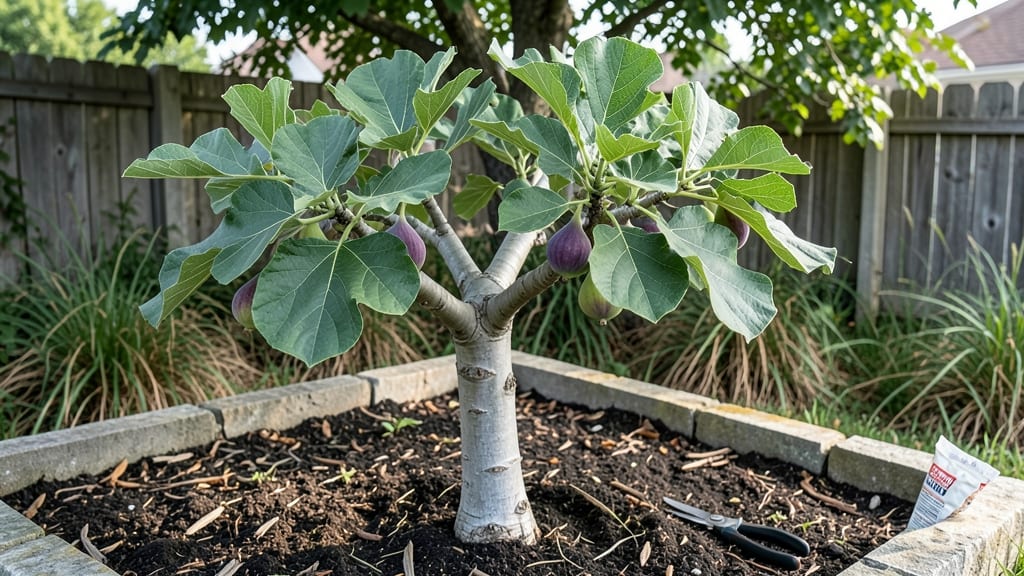
Cold-hardy fig trees in Zone 3-7 aren’t just a fantasy—they’re thriving in my backyard, and I’ll show you how to make them work for you too. 🌱 These varieties, like 'Chicago Hardy' and 'Celeste,' defy the myth that figs need Mediterranean heat, and with the right care, they’ll reward you with fruit even in winter.
The secret starts with choosing the right variety and planting them in sheltered microclimates—close to south-facing walls or under evergreen boughs. I’ve learned that well-draining soil mixed with compost is non-negotiable, and mulching in late fall adds an extra layer of frost protection.
Most gardeners overlook how much winter prep matters, but it’s what keeps these trees alive through -20°F.
By late summer, you’ll be harvesting sweet, sun-ripened figs straight from the tree, and with proper pruning in early spring, your tree will stay compact and productive. The key is balancing winter protection with spring growth—too much shelter can delay blooming, but too little invites frost damage.
I’ve perfected this balance after years of trial and error.
Whether you’re in Minnesota or the Pacific Northwest, these techniques adapt easily to your climate. The payoff? Fresh figs from your own tree, even when neighbors are stuck with store-bought ones. Let’s get those roots in the ground and start growing!
📚 In This Guide
- What you need
- Instructions
- Tips and common mistakes
- Wrapping up and next steps
What you need
- ● Cold-hardy fig tree variety: Choose a proven cultivar like Chicago Hardy, Celeste, or Desert King (check local nurseries or online retailers like Fast-Growing-Trees.com).
- ● Well-draining soil: 50% native soil + 50% compost or potting mix (avoid clay-heavy soil).
- ● Organic mulch: 2–3 inches of straw, wood chips, or pine needles (replenish annually).
- ● Winter protection: Burlap or frost cloth (10–15 ft long, breathable fabric).
- ● Plastic tree wraps or bubble wrap (for trunk insulation).
- ● Bricks or landscape fabric (to prevent rodent damage).
- ● Fertilizer: Balanced organic (10-10-10) or slow-release fig-specific fertilizer (apply in early spring).
- ● Hand tools: Pruning shears (bypass, sharp and sterilized).
- ● Garden trowel (for planting/soil amendments).
- ● Rake (for clearing debris).
- ○ Optional (but helpful): Drip irrigation kit (for consistent moisture).
- ● Soil thermometer (to monitor winter temps).
- ● Tree stakes + ties (for young saplings in windy areas).
- ● Location: Full sun (6+ hours/day) and a sheltered spot (e.g., south-facing wall or microclimate).
Step-by-Step guide for planting and overwintering cold hardy fig trees
Here’s how I’ve kept figs thriving in frigid climates—no greenhouse needed.
🌱 Step 1: Choose the Right Variety and Plant in Late Spring
Select a cold-hardy cultivar like ‘Chicago Hardy’ or ‘Celeste’—these varieties survive Zone 3 winters with proper care. Plant in late spring after the last frost when soil temperatures reach at least 60°F. Figs hate soggy roots, so pick a well-draining site with full sun (6+ hours daily) and slightly alkaline soil (pH 6.5–7.5). If your soil is heavy clay, amend with 2–3 inches of compost mixed into the top 12 inches of soil.
Dig a hole twice as wide as the root ball but only as deep—figs hate being buried too deep, which can rot the trunk. Gently loosen the roots if they’re circling and place the tree so the graft union sits 2–3 inches above soil level. This prevents frost from creeping up the trunk during winter.
☀️ Step 2: Mulch Heavily and Water Deeply for Summer Establishment
Spread 4–6 inches of straw mulch around the base, keeping it 6 inches away from the trunk to prevent rot. Figs need deep, infrequent watering—1–1.5 gallons per week in dry spells, but never let them sit in wet soil. Water at the drip line (where the branches extend), not at the trunk. You’ll know it’s time to water when the top 2 inches of soil feel dry—figs are drought-tolerant but produce better with consistent moisture.
Fertilize once in early spring with ½ cup of 10-10-10 fertilizer spread over the root zone. Avoid high-nitrogen fertilizers after midsummer—they encourage tender growth that won’t survive winter. Prune lightly in late winter to remove dead wood and shape the tree, but never cut more than 25% of the canopy in one year.
⏰ Step 3: Prepare for Winter with Strategic Protection
In late fall, after the first hard frost but before consistent below-freezing temps, wrap the trunk and main branches with burlap or tree wrap. Then, mound 12–18 inches of straw or leaves around the base, piling it up to the graft union (or higher if your winters are brutal). This insulating blanket protects roots from freezing and prevents frost heave.
For extra insurance in Zone 3–4, drape a breathable frost cloth over the entire tree and secure it with stakes. Remove it on warm days to prevent rot. Figs can handle temperatures down to -15°F with these precautions, but buds may still die back—new growth will sprout from the roots in spring.
🌿 Step 4: Prune and Revitalize in Early Spring
As soon as soil thaws in early spring, remove the winter mulch and inspect the tree. Cut back any blackened or mushy wood to healthy tissue, then prune to open the center for airflow. Figs are forgiving—even if the top dies back, suckers will emerge from the roots by midsummer. Thin these to 3–4 strong stems to focus energy on fruit production.
Reapply 2–3 inches of fresh mulch after pruning to stabilize soil temperatures. Figs fruit on new wood, so don’t prune after early spring—late cuts delay regrowth and reduce harvests. Watch for fig wasps in summer; they’re harmless but can deter pollinators, so handpick any visible nests.
Tips & tricks for perfect cold hardy fig trees
A few strategic moves will help your cold-hardy figs thrive through brutal winters and still produce sweet harvests. Here's what I've learned after years of keeping these tough trees happy in harsh climates.
Soil Preparation Secret: Before planting, test your soil's drainage by digging a hole and filling it with water. If it doesn't drain completely within 2 hours, you'll need to amend with more compost or consider a raised bed. I've seen figs fail in soggy soil even when the variety claims to be cold-hardy—the roots can't handle both winter cold AND summer wetness. The 2-3 inches of compost mixed into the top 12 inches of soil creates the perfect balance, especially in heavy clay soils common in colder zones.
Timing is Everything: That 60°F soil temperature threshold in Step 1 is non-negotiable. I've planted in May when air temps were perfect, only to have the soil still too cold. Use a soil thermometer for accuracy—it's worth the investment. Also, watch for late spring frosts after planting. If frost is forecast within 7-10 days, consider using frost cloth temporarily to protect new growth until roots establish.
Winter Protection Upgrade: For Zone 3-4 growers, I recommend adding a layer of bubble wrap around the trunk before applying the straw mulch. This creates an extra insulating barrier that can make the difference between survival and loss. Wrap it tightly, then cover with straw—this combo has helped my trees survive -20°F temps when nothing else would. Just remember to remove it in early spring before new growth starts.
Pruning Precision: When thinning suckers in Step 4 to 3-4 strong stems, look for branches that emerge at a 45-degree angle from the main trunk. These will produce the most fruit. Remove any that grow straight up or downward—they'll be less productive. I've found that keeping the center open not only improves airflow but also makes winter protection easier to apply and remove.
Pro Tips for Cold Hardy Fig Trees
- A few strategic moves will help your cold-hardy figs thrive through brutal winters and still produce sweet harvests.
- Soil Preparation Secret: Before planting, test your soil's drainage by digging a hole and filling it with water.
- Timing is Everything: That 60°F soil temperature threshold in Step 1 is non-negotiable.
Frequently asked questions
Can cold-hardy fig trees survive extreme winter freezes (below -10°F)?
Most cold-hardy figs (like Chicago Hardy or Celeste) tolerate brief dips to -15°F when dormant, but prolonged subzero temps can damage roots or bark. Mulch heavily (8–12 inches) with straw or leaves and wrap the trunk in burlap for extra protection. If your zone hits -20°F+, consider container-growing and moving pots indoors during winters.
When should I prune cold-hardy fig trees for winter?
Prune after the first hard frost (late fall) to remove dead/diseased wood and shape the tree. Avoid heavy pruning in spring—wait until after the last frost when new growth begins. Focus on opening the canopy for airflow to prevent fungal issues. Never prune in winter (dormant season), as it stresses the tree.
Are there alternatives to traditional fig trees for colder climates?
Yes! If figs seem too finicky, try these cold-tolerant fruit trees:
- Hardy kiwi (Actinidia arguta) – Zone 4-8
- Honeyberry (Lonicera caerulea) – Zone 2-7
- Jostaberry (Ribes × nidigrolaria) – Zone 3-8
- Arctic kiwi (Actinidia kolomikta) – Zone 3-7
Why are my fig tree leaves yellowing or dropping in early spring?
Yellowing leaves in spring often signal root stress from:
- Overwatering (figs hate soggy roots!)
- Fungal issues (like root rot) from poor drainage
- Winter burn (exposure to late freezes)
How long does it take for a cold-hardy fig tree to bear fruit?
Patience pays off! Most cold-hardy figs take 2–4 years to produce fruit, depending on:
- Variety (e.g., Celeste fruits faster than Desert King)
- Climate (warmer zones bear sooner)
- Care (sun, water, and soil quality)
Wrapping up and next steps
Growing cold-hardy fig treesin Zones 3-7 isn’t just possible—it’s a rewarding adventure that brings sweet, homegrown fruit to your table even in chilly climates! 🌱 With the right variety, protection, and care, you can enjoy year-round harvests and even share your bounty with neighbors. Start small: plant a few trees, experiment with microclimates, and watch your garden thrive.
Ready to take the next step? Pick your favorite cold-hardy fig variety, grab your gloves, and get planting—your future harvest is waiting! 🍈✨