
Pruning
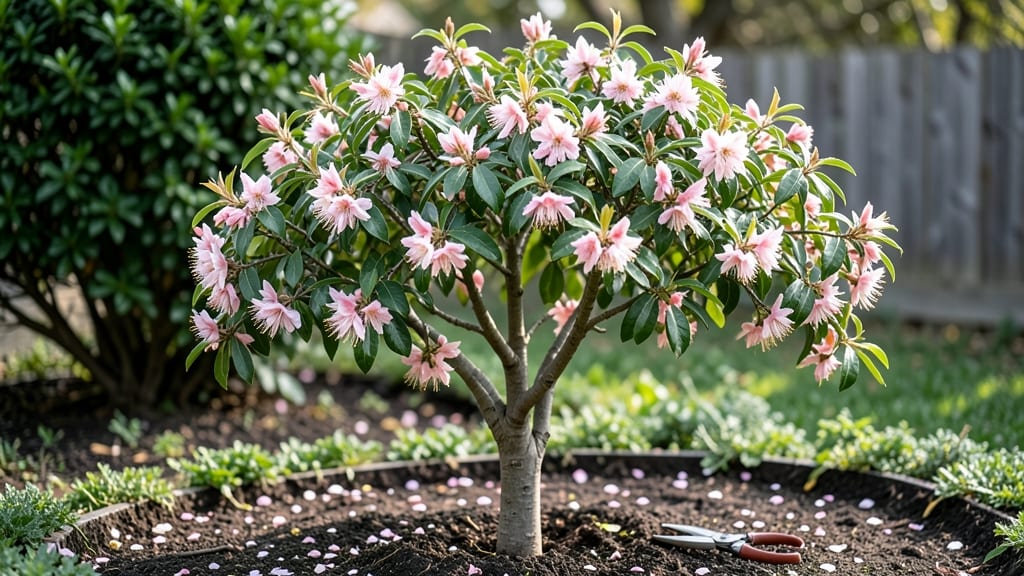
The Bonfire ornamental peach tree transforms any yard into a living work of art with its fiery foliage and dramatic branching. 🌿 I fell for this tree the first time I saw its deep red leaves in autumn—it’s like a sunset captured in wood.
Unlike fruit-bearing peaches, this variety prioritizes show over harvest, making it perfect for garden designers who want year-round interest without the fuss of pruning for fruit.
What makes this tree stand out is its bold, layered canopy that looks intentional even when left alone—but with strategic pruning, you can sculpt it into a true focal point. The key is shaping its natural vase shape early, then maintaining it through seasonal adjustments.
You’ll need basic pruning tools, a clear day, and about 30 minutes to start, but the payoff is a tree that commands attention from every angle, whether planted as a specimen or anchoring a mixed border.
Imagine a tree that bursts with crimson new growth in spring, matures into glossy green summer leaves, and erupts in fiery orange-red foliage by fall—then holds onto its bare branches like a winter sculpture.
The right pruning keeps it compact, open, and full of character, while companion plants like boxwoods or ornamental grasses highlight its structure. This isn’t just a tree; it’s a statement piece that works year-round.
The best part? This tree thrives in USDA zones 5-8, making it versatile for cool climates where other peaches struggle. Pair it with spring bulbs for early color or evergreens to soften its winter silhouette.
Once you’ve shaped it, you’ll spend more time admiring it than working on it—because the real magic happens when you step back and see it in your landscape.
📚 In This Guide
- What you need
- Instructions
- Tips and common mistakes
- Wrapping up and next steps
What you need
- ● Pruning shears: Bypass pruners (sharp, 10-12 inch blades) for clean cuts on small branches.
- ● Loppers: 20-24 inch loppers for thicker branches (up to 2 inches in diameter).
- ● Pruning saw: Curved-tooth saw for branches over 2 inches thick.
- ● Gloves: Heavy-duty, cut-resistant gloves (e.g., mechanics or pruning gloves) to protect hands.
- ● Disinfectant: 70% isopropyl alcohol or rubbing alcohol to sterilize tools between cuts (prevents disease spread).
- ○ Pruning sealant: Optional but recommended for large cuts (> ½ inch) to prevent sap loss and pests.
- ● Extension pole: 6-10 foot pole with a saw attachment for high branches.
- ● Bucket or tarp: For collecting debris (aim for 5+ gallons capacity).
- ● Ladder (if needed): Sturdy, non-slip ladder (ensure it extends 3+ feet beyond the tree height).
- ● Hand saw: For precision cuts on stubborn branches.
- ● Tree wound dressing: Alternative to sealant (e.g., Tanglefoot Tree Wound Pruning Seal).
- ● Marking twine or spray paint: To flag branches for removal before cutting.
- ● Safety glasses: Protects eyes from debris (especially when using a saw).
- ● Knee pads: For comfort during long pruning sessions.
- ○ Tree growth regulator: Optional post-pruning to encourage healthy regrowth (e.g., Sea90).
Step-by-Step pruning blueprint for a stunning Bonfire ornamental peach tree
Your tree's bold canopy starts with precise cuts—here's how to sculpt it year-round.
✂️ Step 1: Winter Dormancy Pruning (Late February)
When the tree is fully dormant and before buds swell, grab your sharp pruning shears and sterilized tools (rubbing alcohol works). Start by removing dead, diseased, or crossing branches—these compete for energy and invite pests. I always cut back to the outer bud to encourage outward growth, which thickens the canopy.
Look for suckers (vigorous shoots at the base) and thin them to one-third of the tree's height—this prevents them from stealing resources from your main structure. Make cuts at a 45-degree angle, just outside the branch collar, to prevent water from pooling and rotting the wound. If you're unsure which branches to remove, imagine the tree as a vase—open at the top, closed at the bottom.
🌿 Step 2: Spring Bloom Pruning (Right After Flowering)
Timing is everything here—wait until after 70% of blooms have fallen (usually 4-6 weeks post-bloom). This ensures you don’t cut off next year’s flowers while still shaping the tree before new growth explodes. Focus on thinning out crowded branches to improve airflow, which reduces fungal diseases like peach leaf curl.
I target branches that are too close together or growing inward. Cut them back to a lateral bud facing outward. Avoid heavy pruning now—your goal is light shaping, not drastic reduction. If you see water sprouts (fast-growing vertical shoots), remove them entirely—they weaken the tree’s structure.
☀️ Step 3: Summer Light Pruning (Mid-July)
This isn’t about heavy cuts—it’s about fine-tuning. Walk around the tree and look for branches that block sunlight from reaching the center. These shaded areas can develop mushroom-like growths (a sign of poor air circulation). Trim just enough to open the canopy slightly, but don’t overdo it—you’re not trying to thin the tree, just balance its shape.
Use hand pruners for small branches and bypass pruners for thicker growth. If you notice shoots growing straight up from the trunk, snip them off at the base—they’ll compete with your main branches. This step keeps the tree compact and full, not leggy. Real talk: If you skip this, your tree will look bushy but sparse by fall.
⏰ Step 4: Fall Cleanup (October-November)
Once leaves start yellowing and dropping, it’s time for final adjustments. Remove any weak, dying, or diseased branches—these can harbor pests over winter. I also thin out suckers that may have sprouted during summer, as they’ll steal energy from the tree’s roots. This is your last chance to refine the silhouette before dormancy sets in.
Sterilize your tools again (even if you did it in winter) to prevent bacterial canker from spreading. After pruning, apply a wound dressing (like pruning sealant) to cuts larger than ½ inch to protect against moisture loss and disease. Don’t worry about making the tree "perfect"—focus on health and balance. A well-pruned Bonfire will reward you with bold, layered branches and abundant blooms next spring.
Tips & tricks for perfect Bonfire ornamental peach tree pruning
Transforming your Bonfire peach tree into a stunning architectural masterpiece takes more than just seasonal cuts—it's about strategic timing and precision. Here's what I've learned after years of sculpting these trees.
Timing Secret: In Step 1, when pruning during winter dormancy, look for the outer bud when making cuts—this directs growth outward, creating that lush, layered canopy we all love. I've seen trees with wild, unbalanced shapes because people cut to inner buds, which pulls growth inward. Pro tip: If you're unsure which bud is outer, imagine drawing a line straight out from the trunk—your cut should be just beyond that line. This simple adjustment makes all the difference in creating that vase-like shape.
Branch Selection Strategy: During Step 2's spring pruning, focus on removing branches that are growing toward the center of the tree. These branches create dense, shaded areas that can lead to fungal issues like peach leaf curl. I use the "sunlight test"—if you can't see sunlight through the center of the canopy, that's your clue you need to thin. Remember, we're not trying to turn this into a lollipop tree—just create gentle airflow while maintaining that dramatic, layered look.
Tool Technique: For cuts larger than ½ inch during any season, use a sharp bypass pruner and make your cut just outside the branch collar. I've made the mistake of cutting too close to the trunk, which creates larger wounds that take forever to heal. The branch collar is that swollen area where the branch meets the trunk—it's nature's built-in protection against disease. After making your cut, wipe your tools with rubbing alcohol to prevent spreading bacterial canker between cuts.
Summer Maintenance Insight: In Step 3's summer light pruning, pay special attention to those upward-growing shoots from the trunk. These "water sprouts" might seem harmless, but they compete with your main branches for nutrients. I've seen trees develop these aggressive vertical shoots that completely disrupt the natural shape. Snip them off at the base—this small effort keeps your tree's silhouette clean and prevents it from looking like a Christmas tree gone wrong.
Pro Tips for Bonfire Ornamental Peach Tree
- Transforming your Bonfire peach tree into a stunning architectural masterpiece takes more than just seasonal cuts—it's about strategic timing and precision.
- Timing Secret: In Step 1, when pruning during winter dormancy, look for the outer bud when making cuts—this directs growth outward, creating that lush, layered canopy we all love.
- Branch Selection Strategy: During Step 2's spring pruning, focus on removing branches that are growing toward the center of the tree.
Frequently asked questions
Got questions about shaping your Bonfire Ornamental Peach Tree? You’re not alone!
Here are answers to the most common queries—from pruning timing to troubleshooting—so you can keep your tree thriving year-round.
When is the best time to prune my Bonfire Ornamental Peach Tree?
The ideal time is late winter or early spring (before buds swell), but you can also do light pruning in summer to shape new growth. Avoid heavy pruning in fall—it can stimulate tender shoots vulnerable to frost. Pro tip: If you’re unsure, this pruning calendar breaks it down by season!
How often should I prune my tree for that bold canopy shape?
Prune annually for maintenance, but focus on structural shaping every 2–3 years to encourage a balanced, open canopy. Young trees (under 5 years) need more frequent adjustments—trim 2–3 times per year to guide growth. Remember: Never remove more than 25% of the foliage in one session!
Can I use regular pruning shears, or do I need specialty tools?
For small branches (¼-inch thick), sharp bypass pruners work fine. Thicker limbs? Grab a pruning saw or loppers. Disinfect tools with rubbing alcohol between cuts to prevent disease. Bonus: A glove set with grip pads saves your hands from splinters!
Will pruning affect my tree’s fruit production (if it ever bears peaches)?
Ornamental peaches like Bonfire are grown for showstopping blooms and foliage, not fruit—but pruning doesn’t hurt if it does bear peaches. Focus on open-center shaping to improve airflow, which actually boosts fruit quality in other varieties. Just avoid over-pruning in spring, or you might reduce next year’s blossoms.
What do I do if my tree’s new growth looks weak or leggy after pruning?
Weak growth often means over-pruning or nutrient deficiency. Boost health with:
Red flag: If leaves yellow, test soil pH (ideal: 6.0–6.5) and amend if needed.
Are there alternatives to pruning for shaping my tree?
Pruning is the most effective way to shape your Bonfire, but you can supplement with:
Pro move: Take photos of your tree’s shape before/after pruning to track progress!
Wrapping up and next steps
Transforming your bonfire ornamental peach tree into a stunning year-round centerpiece is totally within reach! With the right tools, timing, and techniques—like strategic pruning for bold canopy shape—you’ll enjoy a tree that’s as functional as it is breathtaking. 🌳✨
Now that you’re armed with knowledge, grab those pruners and get started! Begin by tackling any overgrown branches this season, then revisit the blueprint every few months to maintain that perfect silhouette. Your tree (and your neighbors!) will thank you.