
Pruning
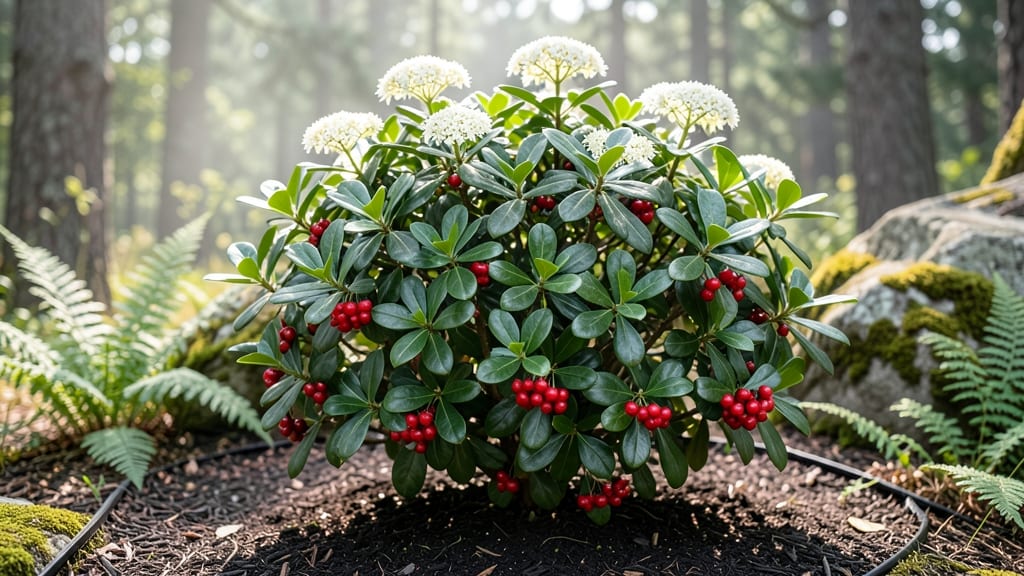
Transforming your yard into a year-round Christmas wonderland starts with pruning your Christmas tree shrubs the right way. 🌲 I’ve shaped mine into lush, dense evergreens that look like a mini forest—no matter the season—and the secret is in the cuts you make now.
These shrubs aren’t just holiday stars; they’re the backbone of a garden that stays magical all year.
The key is strategic pruning in late winter or early spring, before new growth starts. You’ll remove only the oldest, innermost branches to let light reach the center, which keeps the foliage thick and vibrant.
Think of it like giving your shrub a haircut that reveals its best shape—no more sparse, leggy branches ruining the festive vibe. With just 30 minutes and a pair of sharp shears, you’ll set the stage for dense, holiday-ready foliage.
By summer, your shrub will be bursting with lush green, so full you’ll forget it’s been pruned at all. Pair it with twinkling lights or a swag of pinecones for instant holiday charm, and it’ll stay the star of your garden through every season.
The best part? This method works for Picea, Abies, or even Thuja—no matter what you’re growing, the density hacks make it shine.
For extra flair, add evergreen companions like boxwood or holly for contrast, or drape it with a garland come December. The same shrub that looks like a Christmas tree in winter becomes a year-round focal point with the right care. Ready to make yours the envy of the neighborhood?
📚 In This Guide
- What you need
- Instructions
- Tips and common mistakes
- Wrapping up and next steps
What you need
- ● Pruning shears – Bypass-style, sharp, and sterilized (1 pair)
- ● Hand pruners – For smaller branches (3–5 mm thick) (1 pair)
- ● Loppers – For thicker branches (6–20 mm) (1 pair, if needed)
- ○ Pruning saw – For branches over 20 mm in diameter (1, optional)
- ● Gloves – Heavy-duty, cut-resistant (1 pair)
- ● Disinfectant – 70% isopropyl alcohol or pruning sealant (small bottle)
- ● Trash bags – For debris removal (2–3 large bags)
- ○ Ladder or step stool – If shrub is tall (4+ feet) (1, optional)
- ○ Pruning paint – For sealing large cuts (optional for aesthetics)
- ● Garden twine – For temporary support if shaping heavily
- ● Notebook & pen – To sketch pruning plans or track growth
- ● Hose or spray bottle – To clean tools and rinse shrub post-pruning
Step-by-step guide to pruning Christmas tree shrubs for thick year-round foliage
Here’s how to keep your Christmas tree shrubs lush and full—no matter the season.
✂️ Step 1: Time Your First Cut for Spring Growth
Wait until late winter or early spring when new growth begins but before buds swell. This timing ensures you’re pruning dormant wood while still encouraging fresh, vigorous shoots. Look for the first signs of leaf buds—they’ll appear as tiny green bumps along the stems.
Use sharp bypass pruners to make clean cuts at a 45-degree angle, just above a leaf node or bud. Avoid cutting too close to the trunk, as this can leave unsightly stubs. I always prune on a dry day to reduce the risk of disease spreading through open wounds.
🌿 Step 2: Shape for Density by Targeting Inner Branches
Focus on removing overcrowded or crossing branches from the inside of the shrub first. These are the ones blocking light and air circulation, which leads to sparse growth. Aim to open up the center by 20-30%—this lets sunlight reach deeper foliage and encourages new shoots to fill in.
Never remove more than one-third of the shrub’s total foliage in a single session. You’ll know you’ve done enough when you can see light filtering through the branches. Thin out branches back to their base if they’re dead or weak—this prevents energy drain from unnecessary growth.
☀️ Step 3: Adjust for Light Exposure Mid-Season
By late spring or early summer, check for leggy growth or branches stretching toward the sun. These are your cues to prune back by 1-2 inches to encourage bushier, denser growth. Leggy branches often appear as long, thin stems with sparse leaves—cutting them back stimulates side shoots.
If your shrub is in partial shade, avoid heavy pruning in summer. Instead, focus on light shaping cuts to maintain its natural form. Water deeply after pruning to help the plant recover faster, especially if you’ve made larger cuts.
⏰ Step 4: Light Maintenance Pruning for Fall and Winter
In fall, remove any dead, diseased, or broken branches immediately. These stand out as brown or brittle stems and can harbor pests over winter. Prune lightly—just enough to tidy up—since the plant is preparing for dormancy.
Winter is the best time for structural pruning. Look for branches that have outgrown their space or are growing in awkward directions. Cut them back to a strong lateral branch or bud. This keeps the shrub compact and prevents it from becoming top-heavy.
Tips & tricks for pruning Christmas tree shrubs
Here's what nobody tells you about keeping those shrubs looking full and vibrant all year—these are the tricks I've learned after years of trial and error.
Timing is Everything: The late winter/early spring window is critical because you're pruning dormant wood while still encouraging fresh growth. If you prune too early, you risk cutting off potential buds; too late, and you're removing new growth. Watch for those tiny green bumps along the stems—they're your signal to start. I've ruined more shrubs than I care to admit by waiting too long!
The 45-Degree Angle Secret: When making cuts in Step 1, that 45-degree angle isn't just for looks—it helps water run off the cut and prevents disease from settling in the wound. Use sharp bypass pruners to make clean cuts just above a leaf node or bud. Dull tools crush stems, making recovery harder. I keep my pruners oiled between seasons to maintain their sharpness.
Light Exposure Strategy: That 20-30% opening in Step 2 isn't arbitrary—it's the sweet spot for sunlight penetration without shocking the plant. After pruning, I always step back and squint through the branches. If I can't see light filtering through, I need to thin more. For leggy branches in summer, cutting back by 1-2 inches stimulates those hidden side buds that create bushier growth.
Seasonal Maintenance: Fall and winter pruning are about prevention. Those dead branches you remove now could become pest highways over winter. In winter, I do a "health check" and cut back any branches growing at odd angles—they're not just unsightly, they're energy vampires for the plant. Always cut back to a strong lateral branch or bud to encourage proper regrowth.
Pro Tips for Christmas Tree Shrub
- Here's what nobody tells you about keeping those shrubs looking full and vibrant all year—these are the tricks I've learned after years of trial and error.
- Timing is Everything: The late winter/early spring window is critical because you're pruning dormant wood while still encouraging fresh growth.
- The 45-Degree Angle Secret: When making cuts in Step 1, that 45-degree angle isn't just for looks—it helps water run off the cut and prevents disease from settling in the wound.
Frequently asked questions
Got questions about keeping your Christmas tree shrub lush and thriving year-round? You’re in the right place! Here are the most common queries—plus straightforward answers to help you prune like a pro.
When is the best time to prune a Christmas tree shrub for dense foliage?
The ideal window is late winter or early spring (before new growth starts). For evergreen varieties, avoid heavy pruning in fall—it can stress the plant and leave it vulnerable to cold. Pro tip: Light shaping in summer can encourage bushier growth, but never cut more than 1/3 of the foliage at once!
Can I prune a Christmas tree shrub in winter?
Yes, but with caution! If you must prune in winter (e.g., for safety), do it on a mild day above freezing. Avoid heavy cuts—focus on removing dead branches or shaping lightly. Evergreens like Nandina domestica or Pittosporum handle winter pruning better than broadleaf types. Warning: Pruning too late can delay spring regrowth.
What if my Christmas tree shrub looks sparse after pruning?
Sparse foliage often means over-pruning or poor timing. Try these fixes:
- Fertilize with slow-release, acid-loving plant food (like 10-10-10) in spring.
- Water deeply 1-2x/week (check soil moisture 2" below the surface).
- Apply a mulch layer (2–3 inches) to retain moisture and protect roots.
Are there low-maintenance alternatives to traditional Christmas tree shrubs?
Consider these drought-tolerant, dense-foliage options:
- Dwarf Alberta Spruce – Cold-hardy and slow-growing.
- Boxwood (Buxus) – Evergreen and great for hedges.
- Holly (Ilex) – Provides year-round structure and berries.
- Loropetalum – Thrives in shade with vibrant foliage.
What should I avoid when pruning a Christmas tree shrub?
Steer clear of these pruning pitfalls:
- Topping (cutting the top flat)—it ruins the natural shape and invites pests.
- Pruning in wet or freezing conditions (tools can damage branches, and wounds heal poorly).
- Using dull shears (they tear instead of cleanly cut—always sharpen blades before pruning!).
- Removing too many branches at once (shock can kill the shrub).
Wrapping up and next steps
Transforming your Christmas tree shrub into a lush, year-round masterpiece is totally within reach!
With the right tools, timing, and techniques—like strategic pruning, proper spacing, and seasonal care—you’ll enjoy dense, vibrant foliage that steals the show. 🌿 Whether you’re a pruning pro or just starting, every trim brings you closer to that full, healthy look you love.
Ready to take the next step? Grab your shears, mark your calendar for late winter or early spring, and give your shrub the TLC it deserves. Your future self—and your neighbors—will thank you! 🎄✨